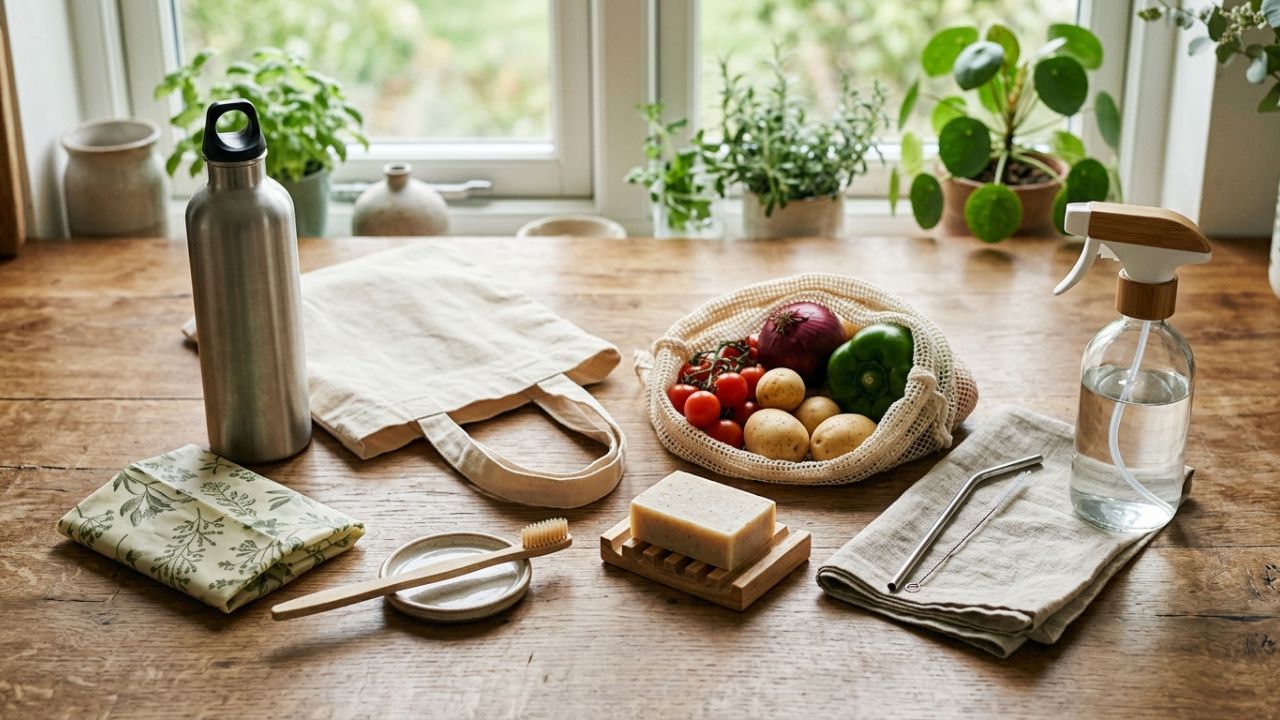
Living a more sustainable lifestyle does not require a complete overhaul of daily routines. For many people, the journey toward a greener life starts with small, intentional swaps that reduce waste without sacrificing convenience.
Anyone who has stood in a kitchen staring at an overflowing trash bin filled with single-use plastics knows the feeling of wanting to do better but not knowing where to begin.
The good news is that building sustainable habits does not have to be overwhelming. It often starts with replacing everyday disposable items with reusable, low-waste alternatives. These small changes add up over time, both for the environment and for the wallet. This article explores nine practical low-waste products that can help anyone start reducing their environmental footprint, one habit at a time.
Why Low-Waste Products Matter
Every year, households around the world generate an enormous amount of waste from items that are used once and then thrown away. Plastic wrap, disposable razors, paper towels, and single-use bottles all pile up in landfills, where many take decades or even centuries to break down.
Choosing low-waste products is not about achieving zero waste overnight. It is about making thoughtful choices that reduce the amount of trash sent to landfills and the amount of new resources consumed.
Low-waste living also encourages a shift in mindset. Instead of thinking about products as disposable, people begin to see them as long-term investments. A reusable water bottle, for example, might cost more upfront than a case of plastic bottles, but it eliminates the need to buy disposable bottles for years to come. This shift benefits both the planet and personal finances.
1. Reusable Water Bottles
A reusable water bottle is often the first purchase people make when starting their sustainability journey, and for good reason. Single-use plastic bottles are one of the most common sources of plastic pollution, and many end up in oceans and waterways instead of recycling bins.
Choosing a durable, well-made water bottle made from stainless steel or glass can last for years, if not decades. Some benefits of switching to a reusable bottle include:
- Reducing the number of plastic bottles purchased and discarded each year
- Saving money over time compared to buying bottled water
- Keeping beverages colder or hotter for longer periods, depending on the insulation
- Avoiding chemicals sometimes found in single-use plastic containers
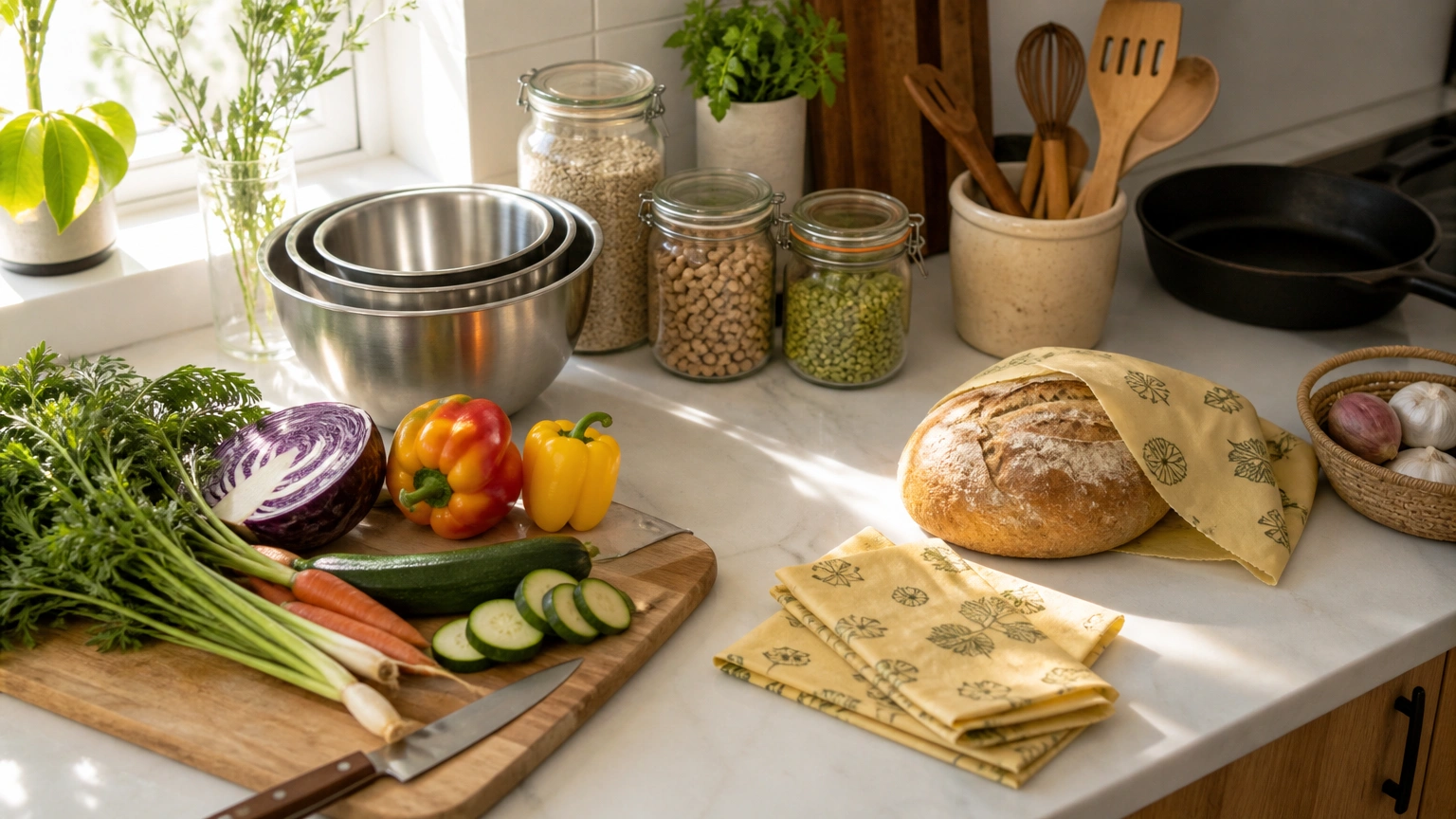
2. Beeswax Food Wraps
Plastic wrap and sandwich bags are convenient, but they are also single-use products that contribute significantly to household waste. Beeswax wraps offer a reusable, compostable alternative for storing food.
Made from cotton fabric coated in beeswax, tree resin, and jojoba oil, these wraps can be used to cover bowls, wrap sandwiches, or store fruits and vegetables. They mold to the shape of containers using the warmth of the hands and can be washed with cool water and mild soap, then reused for up to a year before needing to be replaced or recoated.
How to Care for Beeswax Wraps
- Wash with cool water and a gentle dish soap after each use
- Avoid hot water, which can melt the wax coating
- Air dry before folding or storing
- Refresh the wax coating at home once the wrap starts to lose its stickiness
3. Reusable Shopping Bags
Plastic shopping bags are notorious for their environmental impact, often ending up tangled in trees, clogging storm drains, or floating in oceans. Many regions have already banned or taxed single-use plastic bags, pushing more people to switch to reusable options.
Reusable shopping bags made from canvas, recycled polyester, or organic cotton can carry groceries, books, or everyday essentials for years. Keeping a few folded in a car, backpack, or by the front door makes it easy to remember them before heading out to shop.
4. Compostable Bamboo Toothbrushes
Plastic toothbrushes are used for a few months and then discarded, yet they remain in landfills for hundreds of years. A bamboo toothbrush offers a compostable alternative to traditional plastic versions.
Bamboo is a fast-growing, renewable resource that requires minimal water and no pesticides to thrive. Once the bristles wear out, the bamboo handle can often be composted or repurposed for small household tasks like plant markers or craft projects. It is worth noting that most bristles are still made from nylon, so those should be removed before composting the handle.
5. Solid Shampoo and Soap Bars
Bottled shampoo, conditioner, and body wash create a significant amount of plastic waste, especially in households with multiple family members using different products. Solid shampoo bars and soap bars eliminate the need for plastic bottles entirely.
These bars are typically packaged in compostable paper or cardboard, and many last just as long as their liquid counterparts, if not longer. They are also easy to pack for travel since there is no concern about liquid spilling in a bag.
- Solid bars often contain fewer preservatives and synthetic fillers
- They take up less space in the shower and in luggage
- Many brands offer formulas for different hair and skin types
6. Reusable Produce Bags
Grocery shopping often involves grabbing a handful of thin plastic bags to hold loose fruits and vegetables. Reusable mesh or cotton produce bags offer a simple swap that reduces this unnecessary plastic use.
These lightweight bags are washable, breathable, and strong enough to hold heavier produce like potatoes or apples. Many come with drawstring closures, making them just as convenient as the plastic versions found in stores.
7. Stainless Steel or Bamboo Straws
Plastic straws have become a symbol of the broader conversation around single-use plastics. While skipping a straw altogether is the most waste-free option, many people still prefer using one for certain drinks. Reusable straws made from stainless steel, bamboo, or glass provide a durable alternative.
These straws typically come with a small cleaning brush, making them easy to maintain. They can be carried in a bag or kept at home for everyday use, cutting down on the need for disposable plastic straws at restaurants or when preparing drinks at home.
8. Cloth Napkins and Reusable Paper Towels
Paper towels and disposable napkins are used briefly before being thrown away, yet they require significant amounts of water, energy, and trees to produce. Cloth napkins and reusable paper towel alternatives, often made from absorbent cotton or bamboo fabric, can be washed and reused hundreds of times.
Some reusable paper towel products are designed to mimic the size and texture of traditional paper towels but can be tossed in the laundry instead of the trash. This small switch in the kitchen can significantly cut down on household waste over time.
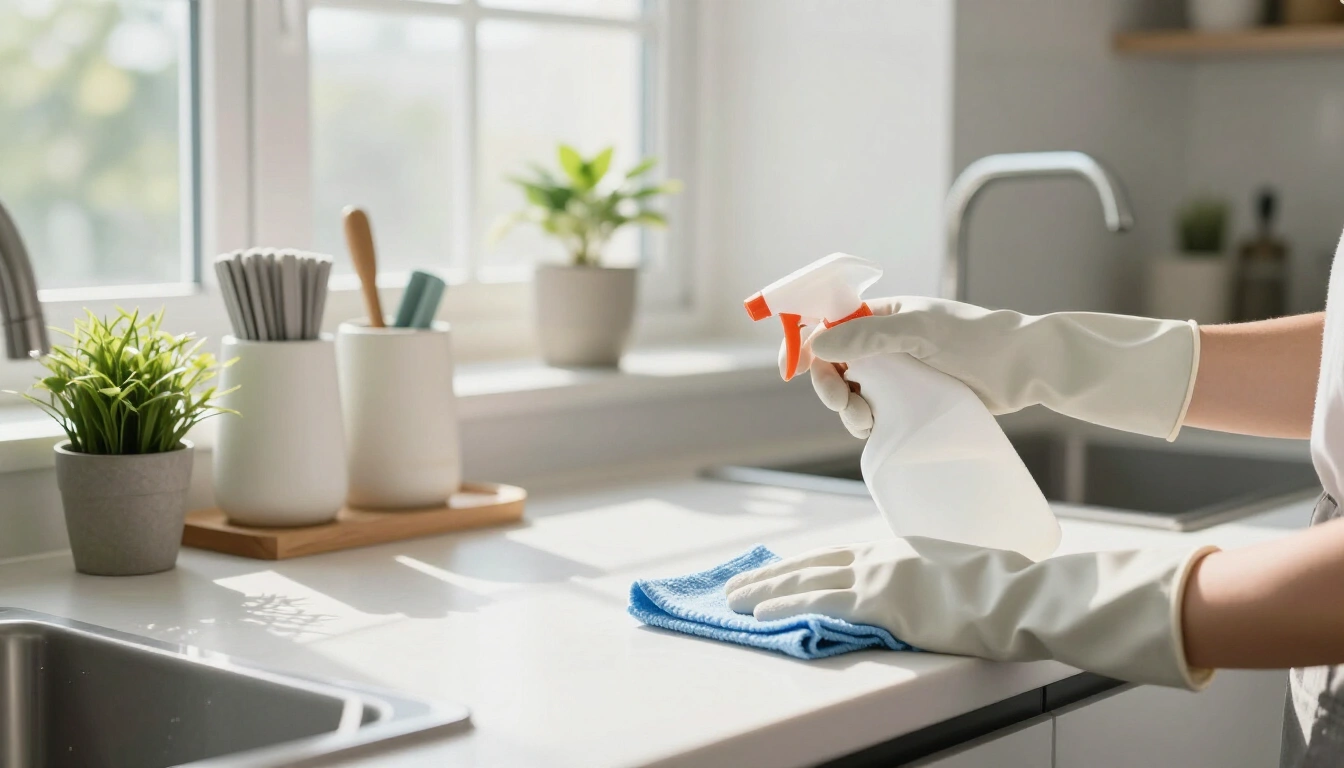
9. Refillable Cleaning Product Containers
Household cleaning products often come in single-use plastic bottles that are discarded once empty. Refillable cleaning systems allow people to purchase a durable bottle once and then buy concentrated refills, often in compostable pouches or tablets that dissolve in water.
This approach reduces the amount of plastic packaging shipped and thrown away, while also cutting down on the water weight typically transported with traditional cleaning products. Refill systems are becoming increasingly available for everything from dish soap to all-purpose cleaners.
Comparing Low-Waste Products at a Glance
The table below offers a quick comparison of these nine products, including their typical lifespan and the disposable item they replace.
| Product | Replaces | Typical Lifespan | Care Notes |
|---|---|---|---|
| Reusable water bottle | Plastic bottled water | Several years | Hand wash or dishwasher safe, depending on material |
| Beeswax food wrap | Plastic wrap and sandwich bags | Up to 1 year | Wash with cool water, avoid heat |
| Reusable shopping bag | Plastic grocery bags | Several years | Machine washable, air dry |
| Bamboo toothbrush | Plastic toothbrush | 3 to 4 months | Remove bristles before composting handle |
| Solid shampoo or soap bar | Bottled shampoo and body wash | Weeks to months per bar | Store on a draining dish to extend life |
| Reusable produce bag | Plastic produce bags | Several years | Machine washable |
| Reusable straw | Plastic straws | Several years | Clean with included brush after each use |
| Cloth napkin or reusable towel | Paper towels and napkins | Several years | Machine washable |
| Refillable cleaning container | Single-use plastic cleaning bottles | Indefinite with refills | Refill with concentrate or dissolvable tablets |
Tips for Building Sustainable Habits That Last
Switching to low-waste products is only part of the equation. Building habits that stick requires a bit of planning and patience. A few strategies can help make the transition smoother.
Start Small and Build Momentum
Trying to replace every disposable item in the house at once can feel overwhelming and expensive. It is often more effective to start with one or two swaps, get comfortable using them, and then gradually add more low-waste products over time.
Keep Reusable Items Visible and Accessible
Habits are easier to maintain when the tools needed are within easy reach. Keeping reusable bags by the front door, a water bottle in a bag or on a desk, and produce bags in the car can make it easier to remember them when needed.
Involve the Whole Household
Sustainable habits are easier to maintain when everyone in the household is on board. Involving family members, roommates, or children in choosing and using low-waste products can turn the transition into a shared goal rather than a solo effort.
Be Patient With the Process
Old habits take time to change, and there will be days when a reusable bag is forgotten at home or a plastic straw is used out of convenience. Progress matters more than perfection, and each small change contributes to a larger positive impact over time.
The Bigger Picture
Choosing low-waste products is one piece of a larger puzzle when it comes to sustainable living. These swaps often lead to a deeper awareness of consumption habits overall, encouraging people to think more carefully about what they buy, how it is packaged, and where it ends up after use.
Over time, this awareness can extend beyond the products listed here to other areas of life, including food choices, transportation, and energy use at home.
The shift toward a low-waste lifestyle is not about achieving perfection. It is about making consistent, mindful choices that reduce environmental impact while still fitting into everyday life. Each reusable bottle, wrap, or bar of soap represents a small step away from single-use convenience and toward a more thoughtful way of living.
Final Thoughts
Building sustainable daily habits does not require dramatic lifestyle changes overnight. By introducing simple, low-waste products like reusable bottles, beeswax wraps, solid soap bars, and refillable cleaning containers, anyone can begin reducing their environmental footprint in a way that feels manageable and rewarding.
Over time, these small swaps become second nature, creating lasting habits that benefit both personal well-being and the health of the planet.