Anyone who loves baking knows how quickly the kitchen can fill up with waste. Parchment paper gets tossed after one use, plastic wrap clings to bowls for a few hours before landing in the trash, and single-use liners pile up faster than anyone expects.
For people trying to live a more sustainable lifestyle, the baking process often feels like one of the trickiest areas to clean up. The good news is that a few thoughtful swaps can make a noticeable difference without sacrificing the joy of pulling a warm batch of cookies out of the oven.
This article walks through nine reusable baking products that can help reduce waste in the kitchen. Each one is practical, easy to find, and designed to replace something disposable that most home bakers already use on a regular basis.
Why Reduce Waste in the Kitchen
Before getting into the product list, it helps to understand why baking waste matters in the first place. Kitchens are one of the biggest sources of household waste, and baking specifically tends to generate a lot of single-use items. Parchment paper, foil, plastic wrap, and disposable liners are usually made to be thrown away after just one use, which means they end up in landfills quickly.
Switching to reusable baking tools offers a few clear benefits:
- It reduces the amount of trash sent to landfills each week
- It cuts down on the demand for single-use plastics and paper products
- It often saves money over time since reusable items last for years
- It encourages a more mindful approach to cooking and food preparation
None of this requires a total kitchen overhaul. Small, gradual changes tend to stick better than trying to replace everything at once. The products below are a good starting point for anyone who wants to bake with less waste.
1. Silicone Baking Mats
Silicone baking mats are one of the easiest swaps for anyone who bakes cookies, roasted vegetables, or pastries. They sit directly on a baking sheet and provide a nonstick surface that can be washed and reused hundreds of times. Unlike parchment paper, which is usually thrown away after each bake, a silicone mat can last for years with proper care.
These mats also tend to distribute heat more evenly, which can lead to more consistent baking results. Many home bakers find that food releases just as easily from a silicone mat as it does from parchment paper, without the ongoing cost of buying rolls of paper.
Care Tips
- Hand wash with warm, soapy water or place on the top rack of a dishwasher
- Avoid cutting directly on the mat since sharp edges can damage the surface
- Store flat or rolled to prevent creases
2. Reusable Silicone Baking Cups
Cupcake and muffin liners are another common source of kitchen waste. Paper liners are often used once and discarded, even though the muffins themselves might have taken an hour to bake. Reusable silicone baking cups solve this problem by offering a flexible, washable alternative that fits standard muffin tins.
These cups come in a range of colors and sizes, and most are safe for oven temperatures well above what home baking requires. After use, they can simply be washed and used again for the next batch.
3. Beeswax Wraps
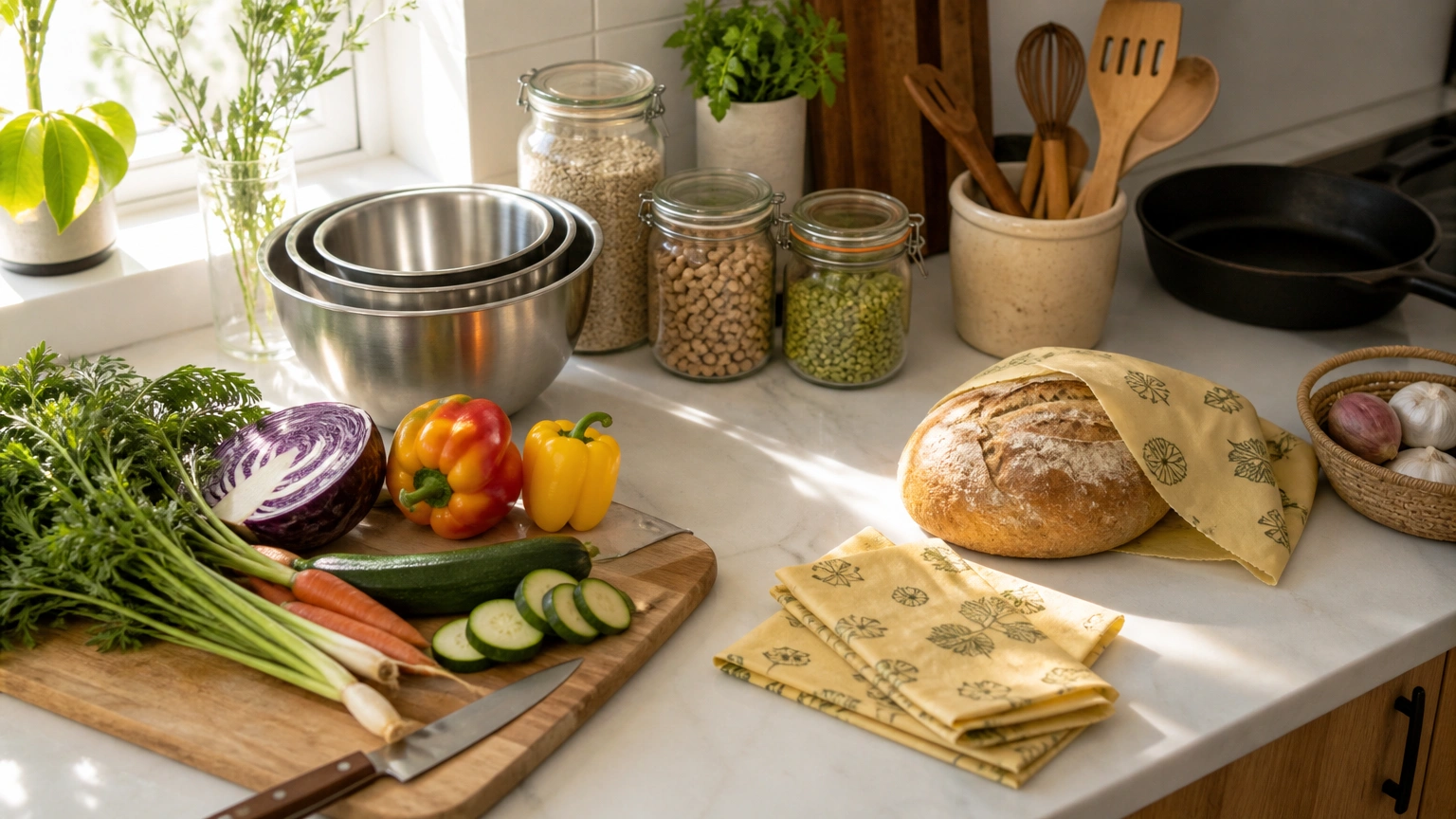
Plastic wrap is a staple in many kitchens, especially for covering bowls of rising dough or storing leftover baked goods. Beeswax wraps offer a natural alternative made from cotton fabric coated in beeswax, tree resin, and jojoba oil. The warmth of a person’s hands makes the wrap pliable enough to mold around bowls, loaves of bread, or wrapped pastries.
Beeswax wraps typically last about a year with regular use and can be composted once they reach the end of their life. They are washable with cool water and mild soap, though they should not be used with raw meat or exposed to high heat.
4. Glass Storage Containers
Once baked goods come out of the oven, they need somewhere to go. Many people default to disposable plastic bags or wrap, but glass storage containers offer a sturdier and more sustainable option. Glass does not absorb odors or stain the way plastic can, and it holds up well over years of use.
Glass containers are also useful for storing dry baking ingredients like flour, sugar, and oats, which helps reduce the need for single-use plastic bags in the pantry.
| Storage Option | Waste Reduced | Best Use |
|---|---|---|
| Glass containers | Plastic bags and wrap | Storing baked goods and dry ingredients |
| Beeswax wraps | Plastic cling wrap | Covering bowls and wrapping bread |
| Silicone lids | Foil and plastic wrap | Sealing bowls and dishes |
| Reusable bags | Disposable freezer bags | Freezing dough or baked items |
5. Silicone Stretch Lids
Silicone stretch lids are a flexible alternative to plastic wrap and aluminum foil. They stretch over bowls, jars, and even cut fruit to create an airtight seal. For bakers, these lids are especially useful for covering bowls of dough while it rises or storing mixing bowls filled with leftover batter.
They come in a range of sizes to fit different bowls and containers, and most brands are dishwasher safe. Because they are made from food-grade silicone, they can typically handle both refrigerator and freezer temperatures.
6. Reusable Piping Bags
Decorating cakes and cupcakes often involves disposable plastic piping bags that get used once and thrown away. Reusable piping bags, usually made from washable fabric or silicone, offer a longer-lasting alternative. They can be filled with frosting or batter, used for decorating, and then washed and reused for the next project.
Reusable piping bags also tend to feel more comfortable to hold, since many are designed with thicker material that is easier to grip than thin plastic.
What to Look For
- Bags that are dishwasher safe or easy to turn inside out for cleaning
- A comfortable grip for extended decorating sessions
- A set of reusable tips to pair with the bag
7. Cloth Bread Bags
Store-bought bread often comes in plastic bags, and homemade bread is frequently wrapped in plastic wrap or foil for storage. Cloth bread bags offer a breathable alternative that helps keep bread fresh while cutting down on plastic waste. These bags are usually made from cotton or linen and can be washed in a washing machine when they need cleaning.
Because cloth allows a small amount of airflow, it can actually help maintain the texture of crusty bread better than sealing it in plastic, which tends to soften the crust.
8. Silicone Baking Cups for Muffin Tins Without Liners
Some bakers prefer to skip liners altogether and use silicone muffin pans instead of metal tins lined with paper. These pans are made entirely from food-grade silicone and are naturally nonstick, which means muffins and cupcakes can be baked and removed without any liner at all.
This option eliminates paper liner waste completely and simplifies the baking process, since there is no need to buy or restock liners.
9. Wooden or Bamboo Utensils
Baking often involves a mix of tools like spatulas, spoons, and whisks. Choosing wooden or bamboo versions of these tools instead of plastic ones is a simple way to reduce reliance on plastic products over time. Wood and bamboo are renewable materials, and these utensils tend to be gentler on nonstick bakeware compared to metal or hard plastic tools.
With proper care, wooden and bamboo utensils can last for many years, making them a durable addition to any baking setup.
Tips for Transitioning to a Lower-Waste Baking Routine
Switching to reusable baking products does not need to happen all at once. A gradual approach tends to be more sustainable in the long run, both for the household budget and for building new habits. A few tips that can help with the transition include:
- Replacing one disposable item at a time, starting with whatever gets used most often
- Keeping reusable items visible and easy to reach so they become part of the regular routine
- Washing reusable items right after use to make them ready for the next bake
- Looking for secondhand kitchen tools before buying new ones
- Passing along any unused disposable products instead of throwing them away
It also helps to remember that no kitchen needs to be perfect. Even swapping out two or three items can meaningfully cut down on the amount of waste a household produces over the course of a year.
Final Thoughts
Baking brings a lot of joy, from the smell of fresh bread to the satisfaction of decorating a cake for a special occasion. It does not have to come with a heavy environmental cost. Reusable baking products like silicone mats, beeswax wraps, glass containers, and cloth bread bags make it possible to enjoy the process while cutting back on single-use waste.
For anyone working toward a more sustainable lifestyle, the kitchen is a great place to start, and baking is one of the easiest areas to make small, lasting changes. Over time, these swaps add up, resulting in a kitchen that produces less trash and feels a little more intentional with every batch.