Anyone who has stood in a clothing store staring at a tag that says “100% organic cotton” has probably wondered whether that label is worth the extra few dollars. It’s a fair question.
Cotton is one of the most widely used natural fibers on the planet, and the way it’s grown has a massive impact on soil, water, and the people who farm it.
For someone trying to build a more eco-friendly wardrobe, understanding the real difference between organic and conventional cotton is an important first step.
The short answer is yes, organic cotton is generally more sustainable than conventional cotton, but the full picture is more nuanced than a simple yes or no. There are trade-offs, misconceptions, and a few surprising facts that anyone interested in sustainable living should know before filling their closet with organic labels.
What Makes Cotton “Organic” in the First Place
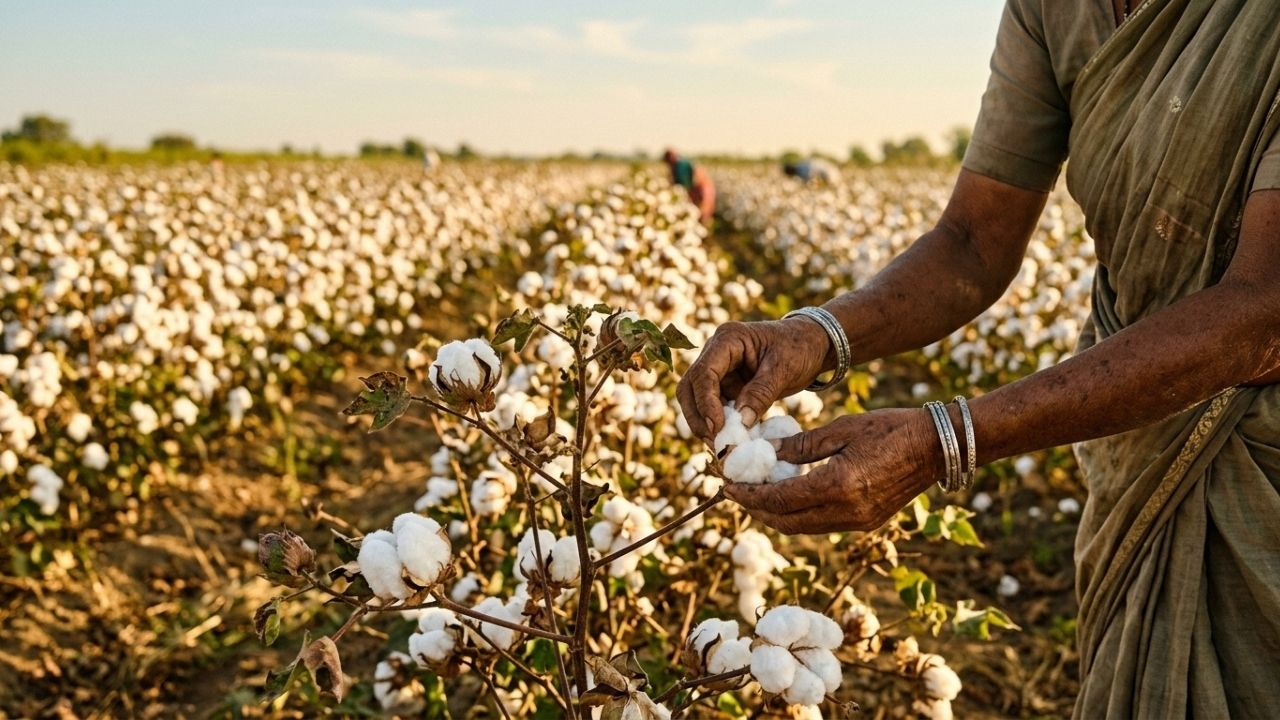
Organic cotton is grown without synthetic pesticides, herbicides, or fertilizers. Instead, farmers rely on natural methods like crop rotation, composting, and beneficial insects to manage pests and keep the soil healthy. Organic cotton also cannot come from genetically modified seeds, which is a major departure from most conventional cotton farming today.
To be officially labeled organic, cotton typically needs certification from a recognized body. Some of the most common certifications include:
- Global Organic Textile Standard (GOTS), which covers the entire supply chain from farming to finished garment
- Organic Content Standard (OCS), which verifies the presence and amount of organically grown material
- USDA Organic, which applies mainly to the raw cotton fiber itself in the United States
These certifications matter because “organic” isn’t a protected term everywhere, and without third-party verification, a company could technically use the word loosely. Shoppers who care about authenticity should look for these specific certification logos rather than just trusting the word “organic” printed on a tag.
How Conventional Cotton Farming Affects the Environment
To understand why organic cotton is considered more sustainable, it helps to look at what conventional cotton farming actually involves. Cotton has earned a reputation as one of the “thirstiest” and most chemically intensive crops in the world, and for good reason.
Heavy Water Use
Conventional cotton is often grown in regions that rely heavily on irrigation rather than rainfall. This puts a strain on local water supplies, and in some extreme cases has contributed to the shrinking of major bodies of water used for irrigation. Producing a single conventional cotton t-shirt can require an enormous amount of water when the entire growing process is factored in.
Pesticide and Chemical Dependence
Cotton covers a relatively small percentage of the world’s farmland, yet it accounts for a disproportionately large share of global insecticide and pesticide use. These chemicals don’t just disappear after harvest. They seep into soil, run off into nearby waterways, and can affect the health of farm workers who are exposed to them daily without adequate protective equipment.
Soil Degradation
Repeated use of synthetic fertilizers and monoculture farming (growing the same crop on the same land year after year) gradually strips soil of its natural nutrients and biodiversity. Over time, this can make land less productive and more dependent on even more chemical inputs to maintain yields, creating a cycle that is difficult to break.
How Organic Cotton Farming Compares
Organic cotton farming takes a fundamentally different approach, and the environmental benefits show up in several key areas.
Better Soil Health
Because organic farmers avoid synthetic chemicals, they rely on practices like composting, cover cropping, and crop rotation to keep soil fertile. Healthier soil holds water more efficiently, supports more biodiversity, and is more resilient to drought and erosion over the long term.
Reduced Water Footprint
Organic cotton is frequently grown in rain-fed conditions rather than relying on heavy irrigation, and healthier soil retains moisture better. While not every organic farm avoids irrigation entirely, studies have generally found organic cotton farming to use significantly less water than conventional methods when averaged across growing regions.
Lower Chemical Exposure
Farm workers on organic cotton farms are not exposed to the same volume of synthetic pesticides and herbicides, which reduces health risks tied to long-term chemical exposure. This is a meaningful benefit for farming communities, many of which are in developing countries where protective equipment and safety regulations may be limited.
No Genetically Modified Seeds
Organic standards prohibit genetically modified cotton seeds, which supporters argue helps preserve biodiversity and gives farmers more control over their own seed supply rather than depending on patented seed varieties that must be repurchased each season.
A Side-by-Side Comparison
Seeing the differences laid out directly can make the contrast easier to understand.
| Factor | Conventional Cotton | Organic Cotton |
|---|---|---|
| Pesticide use | High, synthetic pesticides common | Prohibited, natural pest control used instead |
| Water source | Often heavily irrigated | Often rain-fed, more water-efficient soil |
| Seeds | Frequently genetically modified | Non-GMO required |
| Soil impact | Can degrade over time | Builds soil health through rotation and composting |
| Farmer health risk | Higher due to chemical exposure | Lower due to reduced chemical use |
| Cost to consumer | Generally lower | Generally higher |
| Certification | Not required | Requires third-party certification like GOTS |
Where the Sustainability Story Gets More Complicated
It would be misleading to say organic cotton is a perfect solution with no downsides. There are a few important nuances worth understanding.
Lower Yields Per Acre
Organic cotton farming often produces less fiber per acre compared to conventional methods. This means more land may be needed to grow the same amount of cotton, which can offset some of the water and chemical savings depending on how the numbers are calculated. This is a genuine point of debate among sustainability researchers.
Certification Doesn’t Cover Everything
Organic certification typically focuses on how the raw fiber is grown, not necessarily on what happens after that. A shirt can be made from organic cotton but still be dyed using harmful chemicals, sewn in a factory with poor labor conditions, or shipped halfway around the world before reaching a store shelf. Shoppers who want a truly sustainable garment should look beyond just the word “organic” and consider certifications that cover the full supply chain, like GOTS, which also addresses dyeing processes and labor standards.
Greenwashing Is a Real Risk
Because “organic” has become a popular marketing term, some brands use vague or unverified claims to make products sound more eco-friendly than they actually are. This is sometimes called greenwashing.
A garment that says “made with organic cotton” might only contain a small percentage of organic fiber blended with conventional cotton or synthetic materials. Reading the fine print and looking for legitimate certification logos helps avoid falling for misleading marketing.
Other Sustainable Fiber Options Worth Knowing About
Organic cotton isn’t the only option for someone building a more eco-conscious wardrobe. It can help to understand how it stacks up against other popular sustainable fabrics.
- Recycled cotton, which reuses fiber from textile waste and reduces the need for new raw materials entirely
- Hemp, a fast-growing crop that generally requires less water and fewer pesticides than even organic cotton
- Linen, made from flax, which is naturally drought-resistant and typically needs minimal chemical input
- Tencel or lyocell, a fiber made from wood pulp using a closed-loop production process that recycles most of the water and solvents used
None of these fibers is automatically “better” in every category. Each has its own environmental trade-offs related to land use, processing chemicals, and durability, so a wardrobe built from a mix of sustainable materials is often more realistic than relying on a single fiber type.
Practical Tips for Shopping More Sustainably
For someone who wants to make more thoughtful choices without becoming overwhelmed, a few simple habits can make a meaningful difference.
Look for Verified Certifications
Rather than trusting a vague “eco-friendly” label, look specifically for GOTS, OCS, or similar recognized certifications printed on the tag or listed on the brand’s website.
Buy Less, but Buy Better
One of the most sustainable things anyone can do is simply buy fewer clothes and choose pieces that are well made and built to last. A single durable organic cotton t-shirt worn for years has a smaller footprint than five cheap shirts replaced every season.
Consider the Full Lifecycle
Think beyond the fiber itself. Ask how the garment was dyed, how far it traveled, and how it should be cared for. Washing clothes in cold water and air drying them, for example, extends their life and reduces energy use over time.
Support Transparent Brands
Some clothing companies openly share information about their supply chain, water usage, and labor practices. Brands that are transparent about their sourcing tend to be more trustworthy than those that only use broad sustainability buzzwords without backing them up.
Try Secondhand First
Before buying new, even organic, checking secondhand or thrift options first is one of the lowest-impact choices available since it requires no new resources at all.
So, Is Organic Cotton Actually More Sustainable?
Overall, organic cotton does tend to be a more environmentally responsible choice compared to conventional cotton, particularly when it comes to reducing pesticide use, protecting farmer health, and supporting healthier soil. It is not a flawless solution, and factors like lower yields and incomplete supply chain certification mean it shouldn’t be treated as an automatic stamp of full sustainability.
For someone genuinely trying to live a more eco-conscious lifestyle, the smartest approach is to treat organic cotton as one useful piece of a much larger puzzle.
Pairing organic materials with mindful buying habits, looking for full supply chain certifications, and simply purchasing less overall will likely have a bigger cumulative impact than focusing on fiber type alone. Sustainability isn’t about finding one perfect fabric. It’s about making a series of better choices, one purchase at a time.