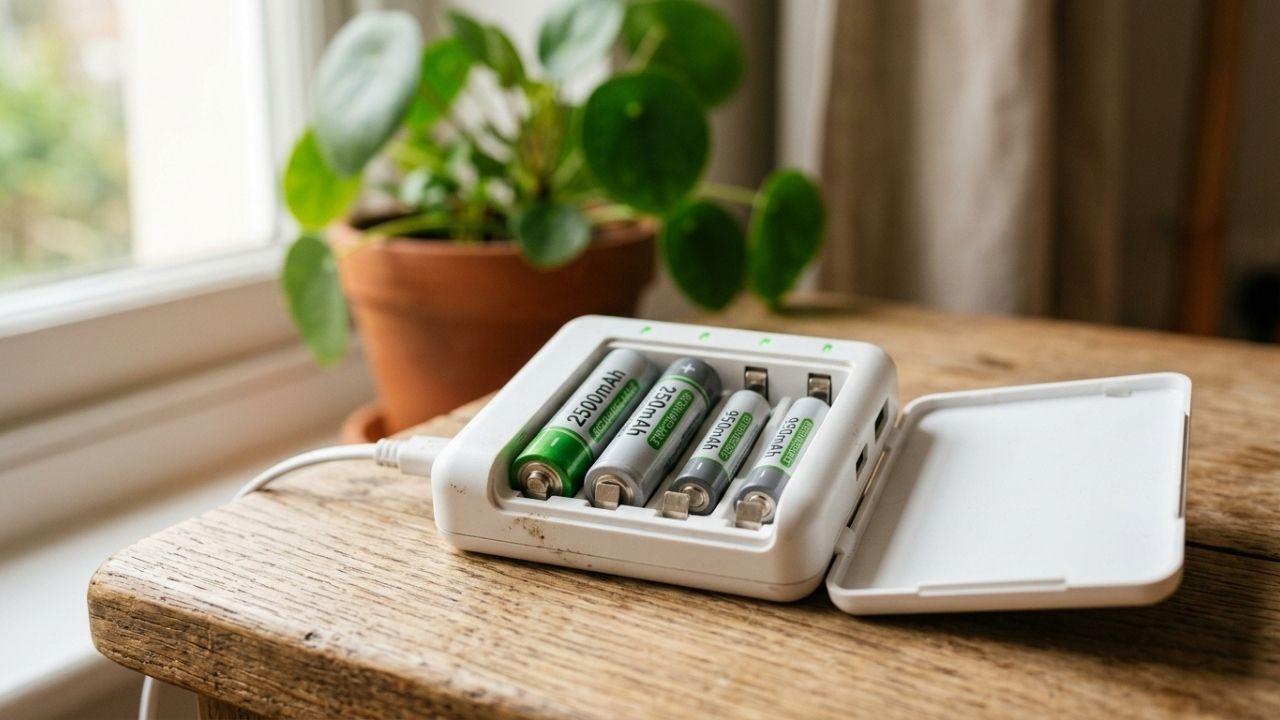
Anyone trying to live a greener life eventually asks the same question while standing in the battery aisle. Should the household switch to rechargeable batteries, or is that just another feel-good purchase that doesn’t actually help the planet? It’s a fair question, and the answer is more layered than a simple yes or no.
Rechargeable batteries do offer real environmental benefits, but understanding why requires looking past the packaging and into the full life cycle of how batteries are made, used, and eventually disposed of.
This article breaks down the science, the numbers, and the practical considerations behind rechargeable batteries so anyone can make an informed choice for their home and their conscience.
The Basic Difference Between Disposable and Rechargeable Batteries
Disposable batteries, often called single use or primary batteries, are designed to be used once and thrown away. Common types include alkaline batteries found in remote controls, flashlights, and children’s toys. Once the chemical reaction inside them runs its course, they’re finished.
Rechargeable batteries, on the other hand, use reversible chemical reactions. This means they can be drained and refilled with energy hundreds or even thousands of times before they wear out. The most common types include:
- Nickel metal hydride (NiMH) batteries, popular for household electronics
- Lithium ion batteries, used in phones, laptops, and power tools
- Nickel cadmium (NiCd) batteries, now less common due to toxicity concerns
Because rechargeable batteries can be reused so many times, the immediate assumption is that they must be better for the environment. That assumption is largely correct, but the full picture involves more than just how many times a battery can be used.
Why Rechargeable Batteries Are Considered More Sustainable
Fewer Batteries End Up in Landfills
One of the clearest environmental benefits of rechargeable batteries is the sheer reduction in waste. A single rechargeable battery can replace hundreds of disposable ones over its lifetime. This directly reduces the volume of battery waste that ends up in landfills, where heavy metals and chemicals can potentially leach into soil and groundwater over time.
Households that switch to rechargeable batteries for high drain devices, such as gaming controllers, digital cameras, and children’s toys, often notice a dramatic drop in how often they’re buying and tossing batteries.
Lower Long Term Resource Consumption
Manufacturing any battery requires raw materials, energy, and water. Disposable batteries need to be manufactured again and again to replace the ones that get thrown away. Rechargeable batteries, because they last so much longer, spread their manufacturing footprint across hundreds of charge cycles instead of a single use.
This means that although the upfront environmental cost of producing a rechargeable battery is higher than producing a disposable one, that cost gets divided over its entire usable life. Over time, this generally results in fewer raw materials mined and less energy spent on manufacturing overall.
Reduced Reliance on Mining for Certain Materials
Disposable alkaline batteries typically rely on zinc and manganese, materials that must be continuously mined to keep up with demand. Rechargeable batteries reduce this constant demand because the same battery is reused instead of replaced.
While rechargeable batteries have their own material demands, particularly for lithium ion types, the reduced need for repeated manufacturing still tends to lessen the overall mining burden per unit of energy delivered.
The Environmental Trade-Offs Worth Understanding
Being fully informed means looking at the less flattering side of rechargeable batteries too. They aren’t a perfect solution, and pretending otherwise wouldn’t serve anyone trying to make genuinely sustainable choices.
Higher Manufacturing Footprint Per Unit
Producing a rechargeable battery generally requires more energy and more complex materials than producing a disposable battery. Lithium ion batteries, for example, require lithium, cobalt, nickel, and manganese, some of which are extracted through mining processes that can be resource intensive and, in certain regions, linked to environmental degradation or questionable labor practices.
This is why a rechargeable battery only becomes the more eco-friendly option after it has been used enough times to offset its higher initial production impact. Fortunately, most rechargeable batteries clear that threshold quickly, often within the first ten to twenty charge cycles.
End of Life Disposal Still Matters
Even though rechargeable batteries last longer, they don’t last forever. Eventually, they lose their ability to hold a charge and need to be replaced. If they’re thrown into regular household trash, the same environmental concerns that apply to disposable batteries, such as heavy metal leaching, apply here too, and in some cases the concern is greater due to the more complex chemistry involved.
This makes proper recycling not just a nice bonus but an essential part of the sustainability equation. A rechargeable battery that ends up in a landfill undermines much of the environmental benefit it was supposed to provide.
Not All Rechargeable Batteries Are Equal
Different rechargeable battery chemistries come with different environmental profiles. NiCd batteries, while effective, contain cadmium, a toxic heavy metal that poses serious environmental and health risks if not disposed of properly. Many countries have restricted or phased out NiCd batteries for this reason. NiMH and lithium ion batteries are generally considered safer alternatives, though lithium ion batteries carry their own concerns around mining practices and fire risk if damaged or improperly disposed of.
Comparing Battery Types at a Glance
| Battery Type | Reusable | Common Uses | Key Environmental Concern |
|---|---|---|---|
| Alkaline (disposable) | No | Remotes, flashlights, toys | Frequent landfill waste |
| Nickel Cadmium (NiCd) | Yes | Older power tools, some cameras | Toxic cadmium content |
| Nickel Metal Hydride (NiMH) | Yes | Household electronics, cameras | Moderate mining impact |
| Lithium Ion | Yes | Phones, laptops, power tools | Mining and fire risk if damaged |
This table offers a simplified snapshot, but it highlights an important point. Even among rechargeable options, some choices are more environmentally sound than others, and the right pick often depends on the device being powered.
How Many Times Must a Battery Be Recharged to Be Worth It?
This is where the numbers really tell the story. Studies comparing the life cycle impact of rechargeable versus disposable batteries generally find that a rechargeable battery becomes the greener choice after a relatively small number of uses, often somewhere between ten and fifty charges depending on the battery chemistry and the specific environmental factor being measured, such as carbon emissions, water use, or resource depletion.
Since most rechargeable batteries are rated for anywhere from five hundred to over a thousand charge cycles, they comfortably surpass that break even point many times over during their working life. This is the core reason environmental researchers and sustainability advocates generally recommend rechargeable batteries over disposables for regularly used devices.
When Disposable Batteries Might Still Make Sense
There are a few situations where disposable batteries might still be the more practical choice, even for eco-conscious households:
- Emergency devices like smoke detectors that need long shelf life and instant reliability
- Backup flashlights kept in a car or emergency kit that may sit unused for years
- Devices used so rarely that a rechargeable battery would likely self discharge before its next use
In these cases, lithium disposable batteries, which have a longer shelf life than alkaline ones, can be a reasonable compromise between reliability and environmental responsibility.
Practical Tips for Making Rechargeable Batteries Even Greener
Simply owning rechargeable batteries isn’t enough to maximize their environmental benefit. A few habits can make a noticeable difference.
Choose the Right Charger
Using a smart charger that stops charging once a battery is full helps prevent overcharging, which can shorten battery lifespan and waste electricity. Some basic chargers continue drawing power even after the battery is full, which adds unnecessary energy use over time.
Store Batteries Properly
Extreme heat and cold can degrade rechargeable batteries faster than normal use. Storing them in a cool, dry place helps preserve their capacity and extends the number of usable charge cycles, which in turn increases their environmental payoff.
Match Battery Type to Device Needs
High drain devices such as digital cameras or gaming controllers benefit most from rechargeable batteries, since they burn through disposable batteries quickly. Low drain devices used infrequently may not see the same benefit, so it helps to think about which devices in the home would actually benefit most from the switch.
Recycle Batteries Properly at End of Life
- Look for local battery recycling drop off points, often found at electronics stores or municipal recycling centers
- Never throw lithium ion batteries in regular trash, as they can pose fire risks in waste facilities
- Tape the terminals of used batteries before disposal or recycling to prevent short circuits
- Check with local waste management authorities for specific rechargeable battery recycling guidelines in the area
The Bigger Picture: Batteries Within a Sustainable Lifestyle
Switching to rechargeable batteries is a small but meaningful part of a broader sustainable lifestyle. It won’t single handedly solve environmental challenges, but it reflects the kind of mindful consumption that adds up when practiced consistently across many areas of daily life.
For someone genuinely trying to reduce their environmental footprint, rechargeable batteries offer a practical entry point. They’re affordable, widely available, and require no major lifestyle overhaul, just a shift in habit and a willingness to charge instead of toss.
Combined with proper recycling and mindful usage, rechargeable batteries genuinely do reduce waste, conserve resources, and lower the overall environmental impact compared to their disposable counterparts. The key is remembering that sustainability isn’t just about the product itself but about how it’s used and what happens to it once its useful life ends.
Final Thoughts
So, are rechargeable batteries really more eco-friendly? Based on the evidence, the answer leans clearly toward yes, especially for devices used frequently and for households willing to recycle batteries responsibly once they wear out.
The environmental savings in reduced landfill waste, lower long term resource consumption, and decreased manufacturing demand generally outweigh the higher upfront production impact, particularly once a rechargeable battery has been used more than a handful of times.
Like most sustainability decisions, the real benefit comes from consistent, thoughtful use rather than the purchase alone. Choosing rechargeable batteries, using them wisely, and recycling them properly at the end of their life together create a genuinely greener outcome than relying on a steady stream of disposable batteries.