Anyone trying to live a greener life eventually looks at their bathroom cabinet and starts asking questions. Shampoo bottles, cotton pads, toothbrushes, and razors all pile up in landfills faster than most people realize.
Razors in particular are an easy target because they are used so often and thrown away so casually. This has led many eco-conscious shoppers to wonder whether switching from disposable razors to reusable ones is actually worth it, or if it is just another trend dressed up as sustainability.
The short answer is that reusable razors are almost always the better choice, both for the planet and for the wallet. But the full picture is more nuanced than a simple yes or no. This article breaks down the environmental impact, cost, performance, and practical considerations of both options so anyone can make an informed decision.
The Basic Difference Between Reusable and Disposable Razors
Before comparing the two, it helps to understand what each one actually is.
Disposable razors are designed to be used a handful of times and then thrown away entirely. The blades, the handle, and the plastic body are all one unit. Once the blade dulls, the whole razor goes in the trash.
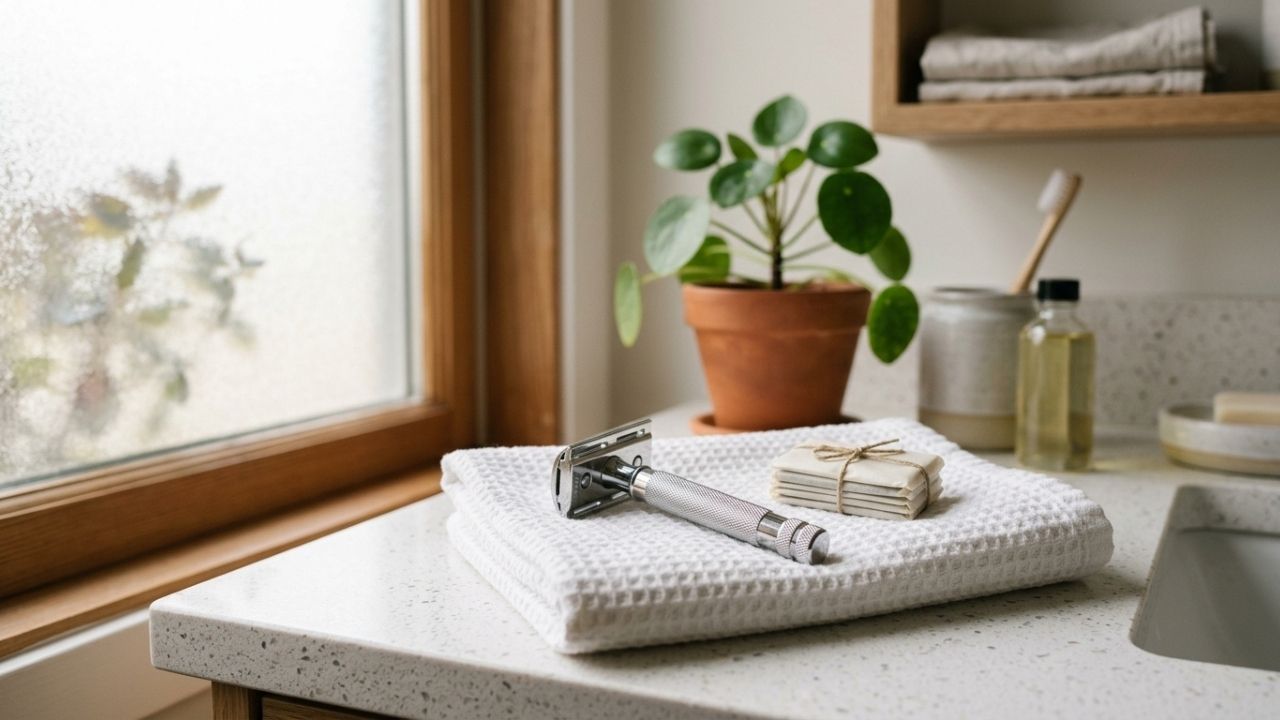
Reusable razors, often called safety razors, come with a metal or durable plastic handle that lasts for years, sometimes decades. Only the small blade cartridge or single blade needs to be replaced. This design means far less material waste over time.
Why This Matters for Sustainability
- Disposable razors generate constant plastic waste because the entire unit is discarded.
- Reusable razors separate the long-lasting handle from the short-lived blade, drastically cutting down on waste.
- Most reusable razor blades are simple pieces of steel, which are easier to recycle than the mixed plastic and metal composite of a disposable razor.
Environmental Impact: A Closer Look
The environmental case for reusable razors is one of the strongest arguments in their favor. Plastic razors are notoriously difficult to recycle because they combine several types of plastic, metal blades, and sometimes rubber grips. Most recycling facilities are not equipped to separate these materials, so the vast majority of disposable razors end up in landfills or, worse, the ocean.
The Plastic Waste Problem
A person who shaves regularly might go through dozens of disposable razors a year. Multiply that by millions of people and the scale of the problem becomes obvious. These razors do not biodegrade. They sit in landfills for hundreds of years, slowly breaking into microplastics that contaminate soil and water.
Reusable razors avoid this cycle almost entirely. The handle is purchased once and used indefinitely, while the blades, though still made of metal, are far smaller and require far less raw material per shave over the razor’s lifetime.
Manufacturing Footprint
It is worth acknowledging that manufacturing a metal safety razor handle does require more energy and resources upfront compared to a single plastic disposable.
However, because that handle can last a lifetime with proper care, the environmental cost is spread out over thousands of shaves rather than concentrated into a handful of uses. Over time, the reusable option comes out far ahead in total resource consumption.
Cost Comparison Over Time
Sustainability decisions often come down to cost, and this is another area where reusable razors tend to win, though the upfront price can be misleading.
| Factor | Disposable Razors | Reusable (Safety) Razors |
|---|---|---|
| Initial cost | Low (a few dollars for a pack) | Higher (handle can cost $20 to $50) |
| Ongoing cost | High (constant repurchasing) | Low (blades cost pennies each) |
| Lifespan of handle | Discarded after a few uses | Years to decades |
| Long-term cost | Adds up significantly over a year | Much cheaper after the first year |
| Waste generated | High | Low |
Someone who shaves several times a week can easily spend a surprising amount annually on disposable cartridges, especially the multi-blade branded versions that are marketed as premium. A reusable razor handle, by contrast, is a one-time purchase, and replacement blades are often sold in bulk packs that cost only a few cents per blade. Within the first year, many people find they have already saved money, and the savings only grow from there.
Performance and Shave Quality
Cost and sustainability aside, the actual shaving experience matters too. This is where opinions vary a bit more, since it depends on skin type, hair thickness, and personal technique.
Disposable Razors
- Convenient for travel or quick use.
- Often marketed with multiple blades for a “closer shave,” though more blades can sometimes irritate sensitive skin.
- Require no learning curve.
- Dull quickly, which can lead to nicks and less effective shaving after just a few uses.
Reusable Safety Razors
- Use a single, sharp blade that many people find gives a cleaner, closer shave once technique is learned.
- Require a slightly different angle and lighter pressure than multi-blade disposables.
- Tend to cause less irritation and fewer ingrown hairs for many users because the blade cuts hair cleanly rather than tugging.
- Have a small learning curve for beginners, who may experience a nick or two while adjusting.
Many long-time users of safety razors report that once they adjust to the technique, they actually prefer the shave quality over disposables. It takes a bit of patience, but the payoff in both comfort and cost tends to be worth it.
Practical Considerations Before Switching
Switching to a reusable razor is not a decision to make without a little planning. Here are some things worth thinking through.
Learning Curve
A safety razor requires a different technique than a multi-blade disposable. Using too much pressure or the wrong angle can lead to cuts. It typically takes a few shaves to get comfortable, so patience is key during the transition period.
Maintenance
Reusable razors need a bit more care than disposables.
- Rinse and dry the blade after each use to prevent rust.
- Store the razor in a dry place, away from constant moisture.
- Replace blades regularly, since even a reusable razor performs best with a sharp edge.
Upfront Investment
The initial cost of a quality safety razor can feel like a lot compared to a bag of cheap disposables. It helps to think of it as a long-term investment rather than a one-time purchase, since the savings accumulate steadily with continued use.
Availability of Blades
Replacement blades for safety razors are widely available online and in many stores, and they tend to be inexpensive when bought in bulk. It is worth checking local availability before committing, especially for anyone who prefers shopping in person rather than online.
Who Might Still Choose Disposable Razors
Reusable razors are not automatically the right fit for every single person or situation. There are a few scenarios where disposables still make sense.
- Frequent travelers who want something lightweight and replaceable without worrying about losing an expensive handle.
- People with very sensitive skin who have already found a disposable option that works well for them and are hesitant to experiment.
- Those who shave very infrequently and would not use a reusable razor enough to justify the switch.
- Situations where sharing a razor with others is a concern, since a dedicated reusable handle is typically meant for one person.
Even in these cases, some eco-conscious brands now offer disposable razors made with more sustainable materials, such as compostable handles or recycled plastic, which can be a middle-ground option.
Tips for a Smooth Transition to Reusable Razors
For anyone ready to make the switch, a few small steps can make the process much easier.
- Start with a beginner-friendly safety razor that has a mild blade exposure to reduce the risk of nicks.
- Practice on a less sensitive area first, like the legs, before moving to more delicate areas.
- Let the razor do the work rather than pressing down, since safety razors are designed to cut cleanly with minimal pressure.
- Keep a good shaving cream or soap on hand, since proper lubrication makes a big difference in comfort and results.
- Be patient during the first few shaves, since technique improves quickly with practice.
The Bigger Picture on Sustainable Swaps
Switching from disposable to reusable razors is a small change, but it fits into a much larger pattern of rethinking everyday habits. Many people who start with razors go on to look at other single-use bathroom products, like cotton swabs, floss, and even toothbrushes, and find similar reusable alternatives. Each swap on its own feels minor, but together they add up to a meaningfully smaller environmental footprint over time.
It is also worth remembering that sustainability is not about perfection. Someone who switches to a reusable razor but still uses a few disposables while traveling is still making a positive impact compared to using disposables exclusively. Progress matters more than an all-or-nothing approach.
Final Thoughts
When comparing reusable razors to disposable razors, the reusable option comes out ahead in nearly every category that matters for someone trying to live more sustainably.
They generate far less plastic waste, cost significantly less over time, and often provide a closer, more comfortable shave once the technique is learned. The upfront cost and small learning curve are the main trade-offs, but for most people, these are minor compared to the long-term benefits.
For anyone serious about reducing their environmental footprint, switching to a reusable safety razor is one of the simplest and most effective changes they can make in their daily routine. It is a small shift with a surprisingly large impact, both for the planet and for the pocketbook.