Anyone who has stood in the grocery aisle staring at a stack of paper towels or a case of bottled water has probably wondered if there is a better way. Reusable products have become a popular answer to that question, promising less waste and a lighter footprint on the planet.
But there is another question that matters just as much to most households: does switching to reusable items actually save money, or is it just a feel good purchase that drains the wallet upfront?
The short answer is that reusable products can absolutely save money over time, but the savings depend on which items are swapped, how often they are used, and how much care goes into maintaining them. This article breaks down the real costs, the potential savings, and the practical steps anyone can take to make reusable living pay off financially as well as environmentally.
Understanding the True Cost of Disposable Products
Disposable products often feel cheap because each individual purchase is small. A roll of paper towels or a pack of plastic sandwich bags does not seem like a big expense. The problem is that these small purchases repeat endlessly, week after week, year after year, and they quietly add up to a significant amount of money over time.
Consider a few everyday disposables:
- Paper towels
- Plastic water bottles
- Disposable razors
- Single use coffee cups and pods
- Plastic sandwich and storage bags
- Paper napkins
- Disposable diapers
Each of these items needs to be repurchased constantly, which means the household is essentially paying the same bill over and over for the rest of its life. Reusable alternatives, by contrast, usually involve a higher one time cost but little to no ongoing spending after that.
Why the Upfront Cost Feels Like a Barrier
One of the biggest psychological hurdles to switching to reusable products is the sticker shock of the initial purchase. A stainless steel water bottle might cost far more than a single plastic bottle, and a set of cloth napkins might seem expensive compared to a pack of paper ones. This upfront cost can make reusable products feel like a luxury rather than a smart financial decision, even though the math often favors the reusable option in the long run.
Breaking Down the Numbers: Reusable vs Disposable
To really understand the savings potential, it helps to look at some common household swaps side by side. The table below offers a general comparison based on typical usage patterns. Actual prices will vary depending on location, brand, and lifestyle, but the pattern remains fairly consistent across most categories.
| Item | Disposable Cost (Annual) | Reusable Cost (One Time) | Estimated Payback Period |
|---|---|---|---|
| Water bottles | $200–$300 | $20–$40 | 1–2 months |
| Coffee cups | $500–$800 | $15–$30 | 2–4 weeks |
| Paper towels | $80–$120 | $15–$25 | 2–4 months |
| Sandwich bags | $30–$50 | $15–$25 | 6–12 months |
| Razors | $60–$100 | $30–$60 | 4–8 months |
| Shopping bags | $20–$40 | $10–$20 | 3–6 months |
| Diapers | $800–$1,200 | $300–$500 | 3–6 months |
These numbers show a clear pattern. Even though reusable products cost more at the checkout, most of them pay for themselves within a few months and then continue to save money for years afterward. Items that are used daily, like coffee cups and water bottles, tend to have the fastest payback periods because the disposable version is purchased so frequently.
The Categories Where Reusables Save the Most
Not every reusable swap offers the same level of savings. Some categories are clear financial winners, while others offer more modest benefits or are better justified by environmental reasons rather than pure cost savings.
Kitchen and Food Storage
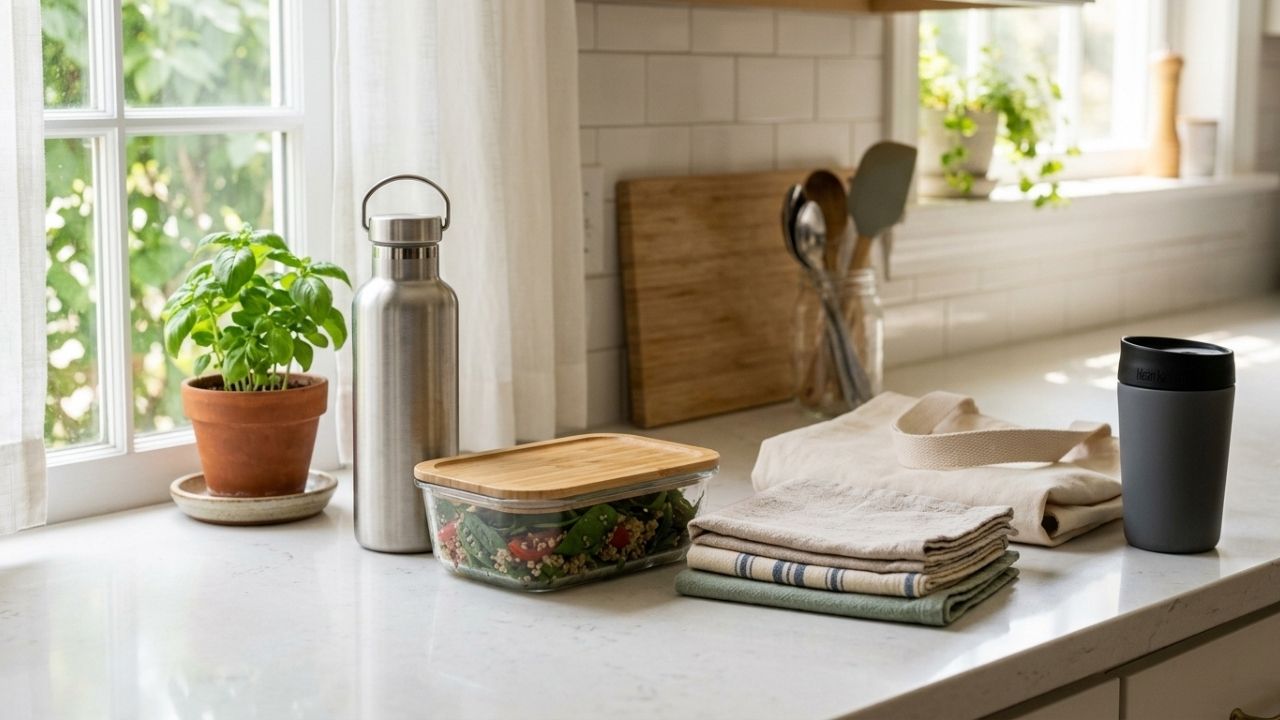
The kitchen is one of the easiest places to see savings from reusable products. Items used daily, such as water bottles, coffee mugs, and food storage containers, offer some of the fastest returns on investment.
A quality reusable water bottle can replace hundreds of plastic bottles a year, and a good coffee tumbler can eliminate the daily cost of disposable cups, which adds up surprisingly fast for regular coffee drinkers.
Reusable food storage containers also help reduce food waste, which is an often overlooked source of savings. When leftovers are stored properly in a durable container instead of a flimsy bag, they tend to last longer and get eaten rather than thrown away.
Personal Care Products
Personal care is another area where reusable options can make a real dent in monthly spending. Safety razors, reusable cotton rounds, and menstrual products like cups or reusable pads all fall into this category. These items require a higher initial investment but eliminate the need for constant repurchasing of disposable versions.
Cleaning Supplies
Reusable cleaning cloths, mop pads, and washable dusters can replace disposable wipes and paper towels. While the savings here are real, they tend to be smaller compared to categories like beverages or personal care, simply because disposable cleaning products are often cheaper to begin with.
Baby and Child Products
Cloth diapers are one of the most talked about reusable swaps for families with young children. While the upfront investment can feel intimidating, the long term savings are substantial, especially for families who plan to use the same set of diapers for more than one child.
Hidden Costs That Can Eat Into Savings
While reusable products generally save money, there are some hidden costs that can reduce or even eliminate those savings if not managed carefully.
- Water and electricity used for washing reusable items
- Detergent or soap needed for cleaning
- Replacement costs if items break or wear out early
- Time spent washing and maintaining products
- Buying reusable items that end up unused or forgotten
Someone who buys a dozen reusable shopping bags but forgets them at home every time they go to the store is not saving anything, they are just adding clutter. Similarly, a reusable water bottle that gets lost within a month provides no financial benefit at all. The key to making reusable products actually save money is consistency and proper maintenance.
The Importance of Product Quality
Cheaply made reusable products can sometimes end up costing more than expected because they break down quickly and need to be replaced.
A poorly constructed reusable bag that rips after a few uses or a low quality water bottle that starts leaking within weeks does not deliver the promised savings. Investing in slightly higher quality items, even if they cost a bit more upfront, often leads to better long term value because they last longer and perform more reliably.
Practical Tips to Maximize Savings from Reusable Products
Switching to reusable products is not just about buying new items, it is about building habits that make those items actually useful. The following tips can help anyone get the most financial benefit from their reusable swaps.
- Start with the items used most often, since frequent use leads to faster payback
- Keep reusable bags in the car or by the front door so they are never forgotten
- Wash reusable containers and bottles promptly to avoid odors or staining that might lead to premature replacement
- Choose durable materials like stainless steel, silicone, or high quality cloth over cheaper plastic alternatives
- Avoid buying more reusable items than are actually needed, since unused products waste money regardless of their eco friendly label
- Repair small issues, like a loose lid or a frayed strap, instead of immediately replacing the item
- Track spending before and after the switch to see real numbers rather than estimates
Building Habits That Stick
The biggest factor in whether reusable products save money is not the product itself but the habits built around it. A reusable coffee cup only saves money if it gets used instead of buying a disposable one each morning.
Setting up simple routines, like always packing a reusable bag before heading out or keeping a water bottle filled and ready by the door, makes it much easier to stick with the switch long enough to see real savings.
Environmental Benefits That Complement the Financial Ones
While this article focuses mainly on the financial side of reusable products, it would be incomplete without mentioning the environmental upside that often comes hand in hand with the savings. Reducing single use plastic and paper waste helps cut down on landfill contributions and the resources needed to manufacture disposable goods repeatedly.
For many people, the environmental motivation is just as strong as the financial one, and the two goals tend to reinforce each other nicely. Saving money often means using fewer resources overall, which naturally supports a more sustainable lifestyle.
Common Myths About Reusable Products and Money
There are a few misconceptions that sometimes discourage people from making the switch, and it helps to address them directly.
- Myth: Reusable products are always more expensive upfront. In reality, some reusable items, like cloth napkins or basic tote bags, cost about the same as their disposable counterparts even at the initial purchase.
- Myth: Reusable products require too much maintenance to be worth it. Most items, like water bottles or shopping bags, need only a quick rinse or a regular wash cycle, which takes very little extra time.
- Myth: The savings are too small to matter. When calculated over a year or more, the savings from items used daily, like coffee cups or water bottles, can add up to hundreds of dollars.
- Myth: Reusable products are only for people who are already wealthy. In fact, many low cost reusable options exist, and the long term savings can benefit budget conscious households the most.
Making the Switch Without Breaking the Budget
For anyone hesitant to spend a lot of money all at once on reusable products, a gradual approach often works best. Rather than replacing every disposable item in the house overnight, it makes sense to start with one or two categories, see how the new habits stick, and then expand from there.
This approach spreads out the upfront costs and allows time to figure out which reusable products actually fit into daily life.
- Begin with the highest frequency items, such as water bottles or coffee cups
- Move on to kitchen swaps like food storage containers once the first habits feel natural
- Add personal care or cleaning swaps once the budget allows
- Reassess after a few months to see which products are being used consistently and which ones are not
This step by step method reduces the risk of wasted money on items that end up unused, while still building toward a more sustainable and cost effective household over time.
Final Thoughts
Reusable products genuinely can save money, often quite a lot of it, but the savings are not automatic. They depend on choosing the right items, using them consistently, and taking basic care of them so they last as long as possible.
The categories with the fastest and biggest payoff tend to be the ones used every single day, like water bottles, coffee cups, and food storage containers, while other swaps offer more modest but still meaningful savings over time.
For anyone looking to cut down on both waste and spending, reusable products offer a rare combination of financial and environmental benefits.
With a bit of planning and a willingness to build new habits, the switch away from disposables can turn into one of the more rewarding budget decisions a household makes, all while supporting a more sustainable way of living.