Living a more sustainable life sounds appealing to almost everyone, but the idea often gets tangled up with images of composting toilets, complicated recycling systems, and giving up favorite foods or products. The truth is much simpler.
Small, consistent choices made every day add up to a real difference for the planet, and none of them require a total lifestyle overhaul. Anyone can start living greener this week, using habits that fit naturally into a normal routine.
This article breaks down practical, low effort ways to reduce environmental impact at home, at work, and while shopping. None of these tips require special skills, expensive equipment, or a complete rethink of daily life. They are meant to be realistic, approachable, and easy to stick with long term.
Why Small Changes Matter
It is tempting to think that individual actions do not matter much when compared to large scale industrial pollution or corporate emissions. However, collective individual choices shape demand, influence markets, and push companies toward more sustainable practices. When millions of people choose reusable bags, energy efficient appliances, or secondhand clothing, businesses take notice and adjust their offerings accordingly.
Small changes also matter because they are sustainable in the personal sense of the word. A habit that feels manageable is a habit that lasts. Extreme lifestyle changes often fail because they are too difficult to maintain, while small swaps become second nature over time and quietly reduce waste, energy use, and resource consumption for years to come.
Start With the Kitchen
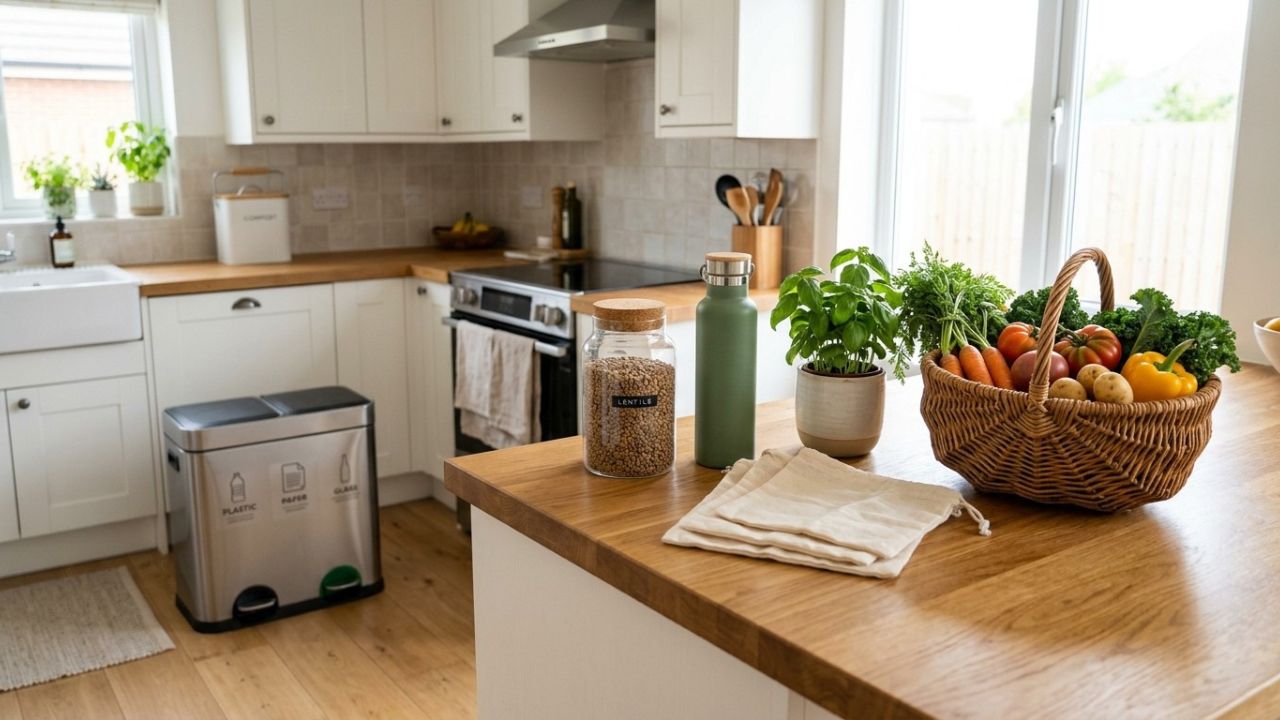
The kitchen is one of the easiest places to begin a greener lifestyle because it involves habits that are repeated daily.
Reduce Food Waste
Food waste is a major contributor to greenhouse gas emissions, especially when it ends up in landfills where it produces methane. A few simple habits can cut down on wasted food significantly.
- Plan meals for the week before grocery shopping to avoid buying more than needed
- Store fruits and vegetables properly so they last longer
- Use leftovers creatively instead of tossing them out
- Freeze food that will not be eaten in time
Cut Back on Single Use Plastics
Plastic packaging and disposable items are convenient, but they pile up quickly in landfills and oceans. Swapping a few kitchen items can make a noticeable difference.
- Use reusable produce bags instead of plastic ones
- Choose glass or metal containers for food storage
- Replace paper towels with washable cloths for everyday spills
- Bring a reusable water bottle instead of buying bottled water
Compost When Possible
Composting food scraps turns waste into something useful rather than letting it rot in a landfill. Even people without a backyard can compost using small countertop bins or community composting programs available in many cities.
Make Small Swaps Around the Home
Beyond the kitchen, small adjustments throughout the home can lower energy use and reduce waste without requiring major renovations or big spending.
Lighting and Energy Use
Switching to energy efficient lighting is one of the simplest upgrades a household can make. LED bulbs use significantly less electricity than traditional incandescent bulbs and last much longer, which also means fewer bulbs end up in landfills over time.
Other easy energy saving habits include:
- Turning off lights when leaving a room
- Unplugging electronics that are not in use
- Washing clothes in cold water instead of hot
- Air drying clothes when weather allows instead of using a dryer
Water Conservation
Water is often overlooked in sustainability conversations, but small changes can add up to meaningful savings over a year.
- Fix leaky faucets promptly since even small drips waste gallons of water over time
- Install low flow showerheads
- Turn off the tap while brushing teeth or washing dishes
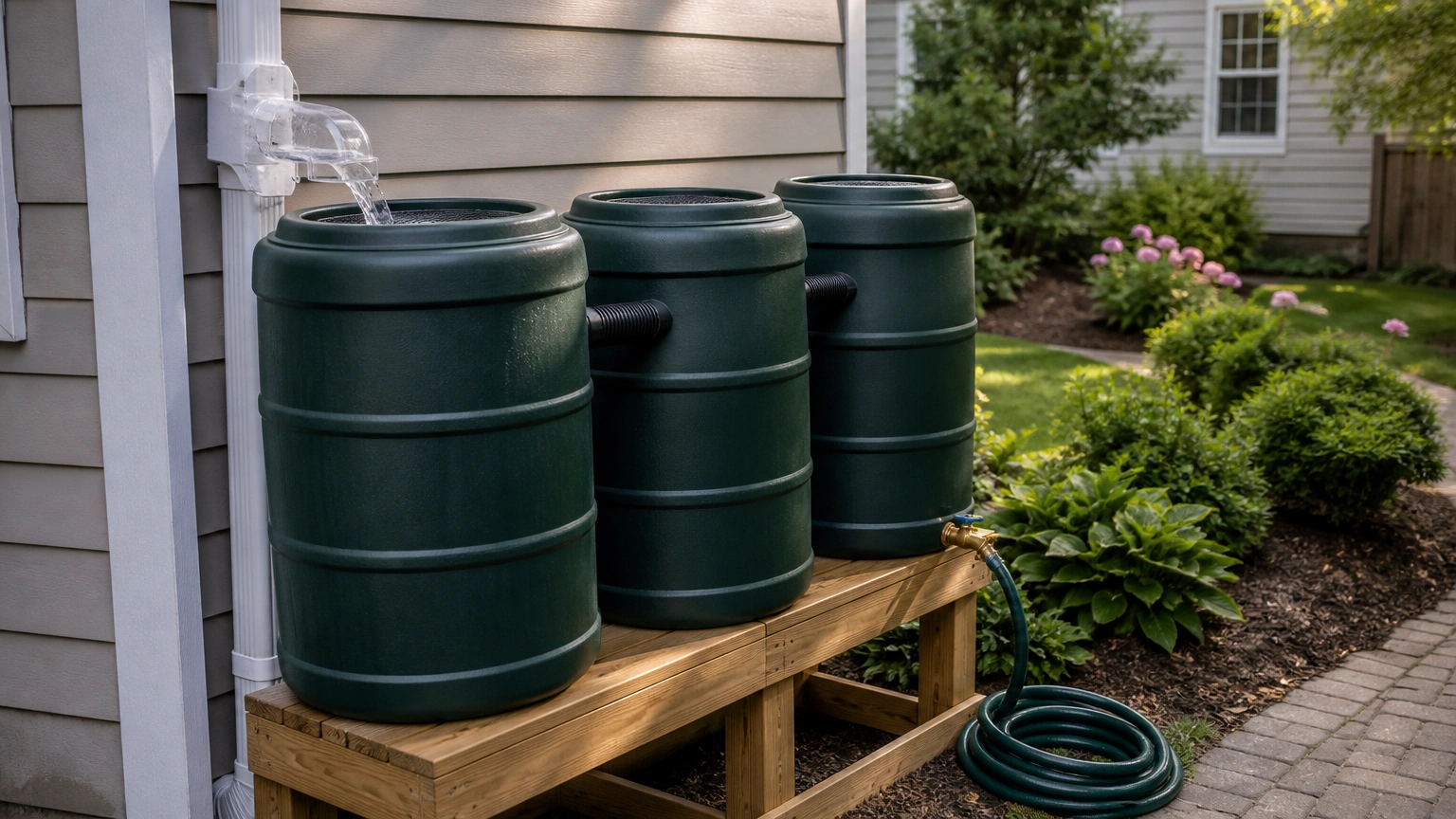
- Collect rainwater for outdoor plants when possible
Choose Sustainable Cleaning Products
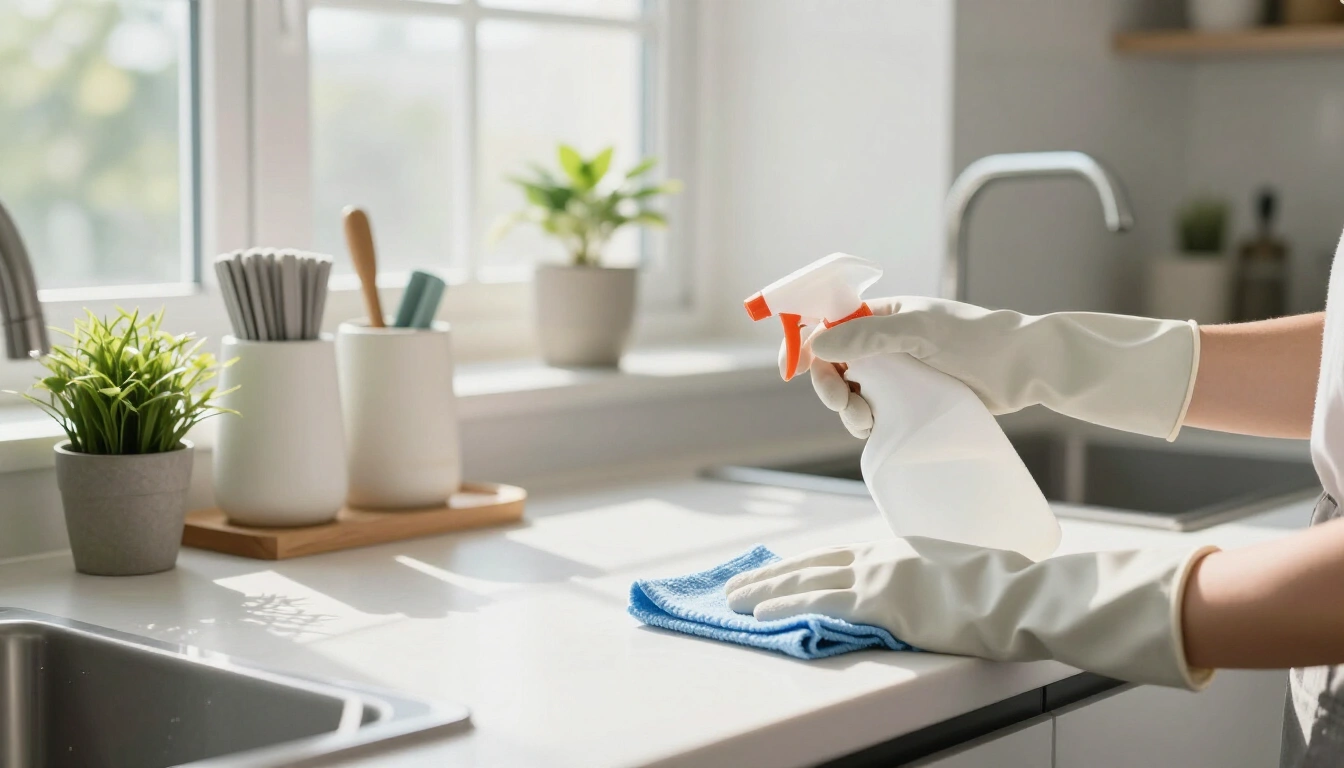
Many household cleaning products contain harsh chemicals that are not great for waterways or indoor air quality. Simple swaps like vinegar and baking soda based cleaners, or products labeled as biodegradable, can reduce environmental impact while still keeping a home clean.
Rethink Shopping Habits
Shopping choices have a large environmental footprint, from the materials used in packaging to the resources required to manufacture products. A few mindful adjustments can make shopping habits greener without sacrificing convenience.
Buy Less, Choose Well
Fast fashion and disposable goods contribute heavily to landfill waste. Choosing fewer, higher quality items that last longer is often more sustainable and more cost effective over time.
- Look for durable materials that will not wear out quickly
- Repair items instead of replacing them when possible
- Buy secondhand clothing, furniture, and electronics when practical
- Avoid impulse purchases by waiting a day or two before buying something new
Support Local and Seasonal Products
Buying local produce reduces the emissions associated with transporting food long distances. Seasonal produce also tends to be fresher and more affordable, making it a win for both the wallet and the environment.
Bring Reusable Bags Everywhere
Keeping a few reusable bags in a car or by the front door makes it easy to avoid single use plastic bags at the grocery store or any other shop.
Transportation Choices That Add Up
Transportation is one of the largest sources of carbon emissions for most households, but small adjustments to daily travel habits can lower that impact considerably.
- Walk or bike for short trips instead of driving
- Carpool or use public transportation when available
- Combine errands into one trip to reduce overall driving
- Keep vehicles well maintained since proper tire pressure and regular tune ups improve fuel efficiency
A Quick Comparison of Easy Green Swaps
The table below highlights some common household items and simple greener alternatives that require little to no adjustment period.
| Common Item | Greener Alternative | Everyday Benefit |
|---|---|---|
| Plastic water bottles | Reusable water bottle | Reduces plastic waste and saves money over time |
| Paper towels | Washable cloths | Cuts down on daily waste |
| Plastic shopping bags | Reusable tote bags | Fewer bags in landfills and waterways |
| Incandescent light bulbs | LED bulbs | Lower energy bills and longer lifespan |
| Disposable razors | Reusable safety razor | Less plastic waste over the years |
| Bottled cleaning sprays | Refillable or concentrate cleaners | Less packaging waste |
Build Sustainable Habits That Stick
Living greener is less about perfection and more about consistency. Trying to change everything at once often leads to burnout, while gradual changes tend to stick around for the long haul.
Start With One Habit at a Time
Choosing one or two changes to focus on first, such as reducing food waste or switching to reusable bags, makes the transition feel manageable. Once those habits feel natural, it becomes easier to add another.
Involve the Whole Household
Sustainability efforts tend to be more successful when everyone in the household participates. Simple family habits, like a shared recycling routine or a weekly meal planning session, make green living a shared responsibility rather than a solo effort.
Track Progress Without Obsessing
Noticing small wins, like a lower electricity bill or less trash produced each week, can be motivating. There is no need to track every detail obsessively, but a general awareness of progress helps reinforce good habits.
Common Myths About Sustainable Living
Many people avoid trying to live greener because of misconceptions about what it requires. Clearing up a few common myths can make the idea feel far more approachable.
- Myth: Living sustainably is expensive. In reality, many sustainable swaps, like using less water or buying fewer disposable items, actually save money over time.
- Myth: It requires major lifestyle changes. Small daily habits are often more impactful and easier to maintain than dramatic changes.
- Myth: One person cannot make a difference. Individual choices influence household habits, community norms, and even market demand over time.
- Myth: Sustainable products are hard to find. Most grocery stores and retailers now carry reusable and eco-friendly alternatives right alongside traditional products.
Final Thoughts
Living a greener lifestyle does not require drastic sacrifices or complicated systems. It is built on small, manageable habits that fit naturally into everyday routines, from reducing food waste in the kitchen to choosing reusable items over disposable ones. Over time, these small choices add up to meaningful environmental benefits while often saving money and simplifying daily life.
The key is to start small, stay consistent, and build on progress rather than aiming for perfection. Every reusable bag, every unplugged device, and every meal planned ahead contributes to a lifestyle that is kinder to the planet, one simple step at a time.