Plastic has quietly worked its way into nearly every corner of the modern home. It wraps the food people eat, holds the products they clean with, and packages almost everything that arrives at the front door.
For anyone trying to live a more sustainable life, cutting back on plastic waste can feel overwhelming at first.
The good news is that small, consistent changes add up quickly, and most of them do not require a complete lifestyle overhaul.
This article walks through practical, budget friendly ways to reduce plastic waste at home, room by room and habit by habit. None of these tips require perfection. They simply require a willingness to make slightly different choices, one day at a time.
Why Reducing Plastic Waste Matters
Plastic waste is one of the most visible signs of environmental strain. Most plastic items are used for only a few minutes before being thrown away, yet they can take hundreds of years to break down. Along the way, plastic sheds microplastics into soil, waterways, and even the food supply.
Households play a bigger role in this problem than many people realize. Food packaging, personal care products, cleaning supplies, and disposable items all contribute to the plastic that ends up in landfills or oceans. By making small adjustments at home, people can meaningfully lower their personal plastic footprint while also saving money and simplifying their daily routines.
Start in the Kitchen
The kitchen is usually the biggest source of plastic waste in any home, which also makes it the best place to start.
Rethink Food Storage
Plastic containers, cling wrap, and sandwich bags are often used once and then thrown away. Swapping these out for reusable alternatives is one of the simplest changes anyone can make.
- Use glass or stainless steel containers for leftovers instead of plastic tubs
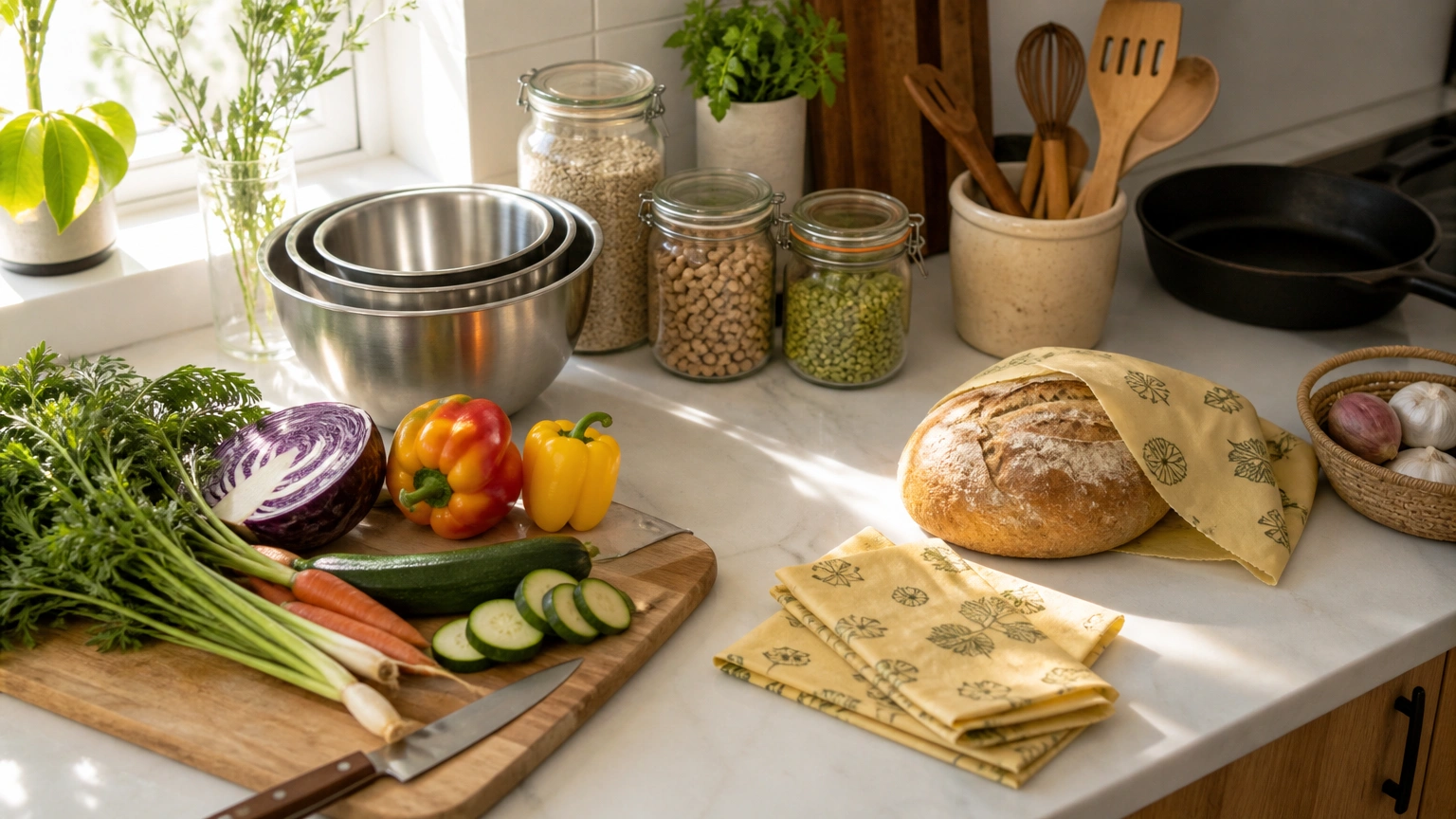
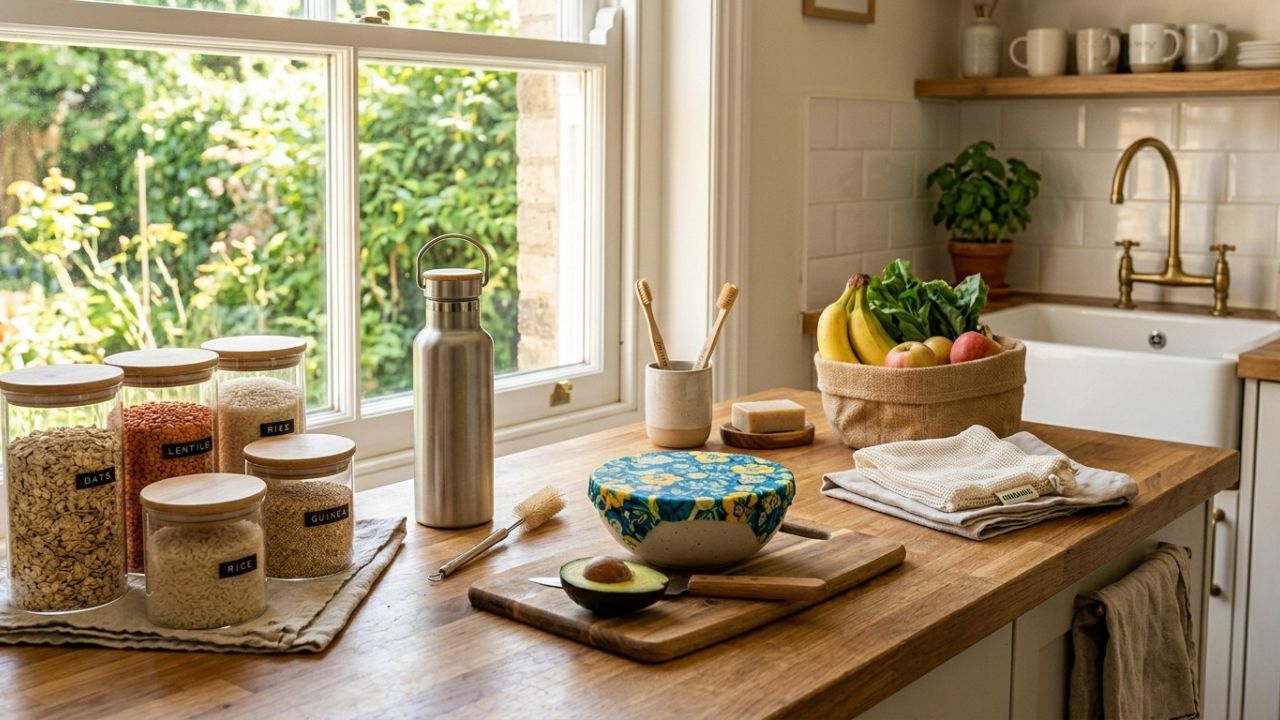
- Replace cling wrap with beeswax wraps or silicone lids
- Store dry goods like rice, pasta, and flour in glass jars instead of their original plastic packaging
- Choose reusable silicone bags for freezer storage instead of single use plastic bags
Shop Smarter
The way groceries are purchased has a direct impact on how much plastic ends up in the trash.
- Bring reusable produce bags instead of using the thin plastic ones at the store
- Buy in bulk when possible, using cloth or paper bags for grains, nuts, and legumes
- Choose products packaged in glass, metal, or cardboard over plastic whenever there is a choice
- Support local farmers markets, where produce is often sold loose rather than pre packaged
Cut Back on Single Use Items
Disposable plastic items like straws, cutlery, and cups are convenient, but they are also entirely avoidable with a little planning.
- Keep a reusable water bottle on hand to avoid buying bottled water
- Carry a small reusable cutlery set for takeout meals
- Use a refillable coffee cup instead of disposable options at cafes
- Skip plastic straws or switch to metal or bamboo versions
Move Into the Bathroom
The bathroom is another room packed with plastic, from shampoo bottles to disposable razors. Fortunately, this space is also easy to improve.
Switch to Solid and Refillable Products
Many personal care products now come in plastic free versions that work just as well as their bottled counterparts.
- Choose shampoo and conditioner bars instead of bottled versions
- Use bar soap rather than liquid soap in plastic pump bottles
- Look for refill stations at local stores for products like hand soap and lotion
- Try toothpaste tablets or powder in glass jars instead of plastic tubes
Rethink Daily Essentials
Small daily habits in the bathroom can also be adjusted without much effort.
- Replace plastic toothbrushes with bamboo or biodegradable alternatives
- Swap disposable razors for a reusable safety razor
- Use reusable cotton rounds instead of disposable cotton pads
- Choose menstrual cups or reusable pads as an alternative to disposable products
Tackle Cleaning Supplies
Cleaning products are often sold in plastic bottles that are used up and thrown away every few weeks. Making a few changes here can significantly cut down on household plastic waste.
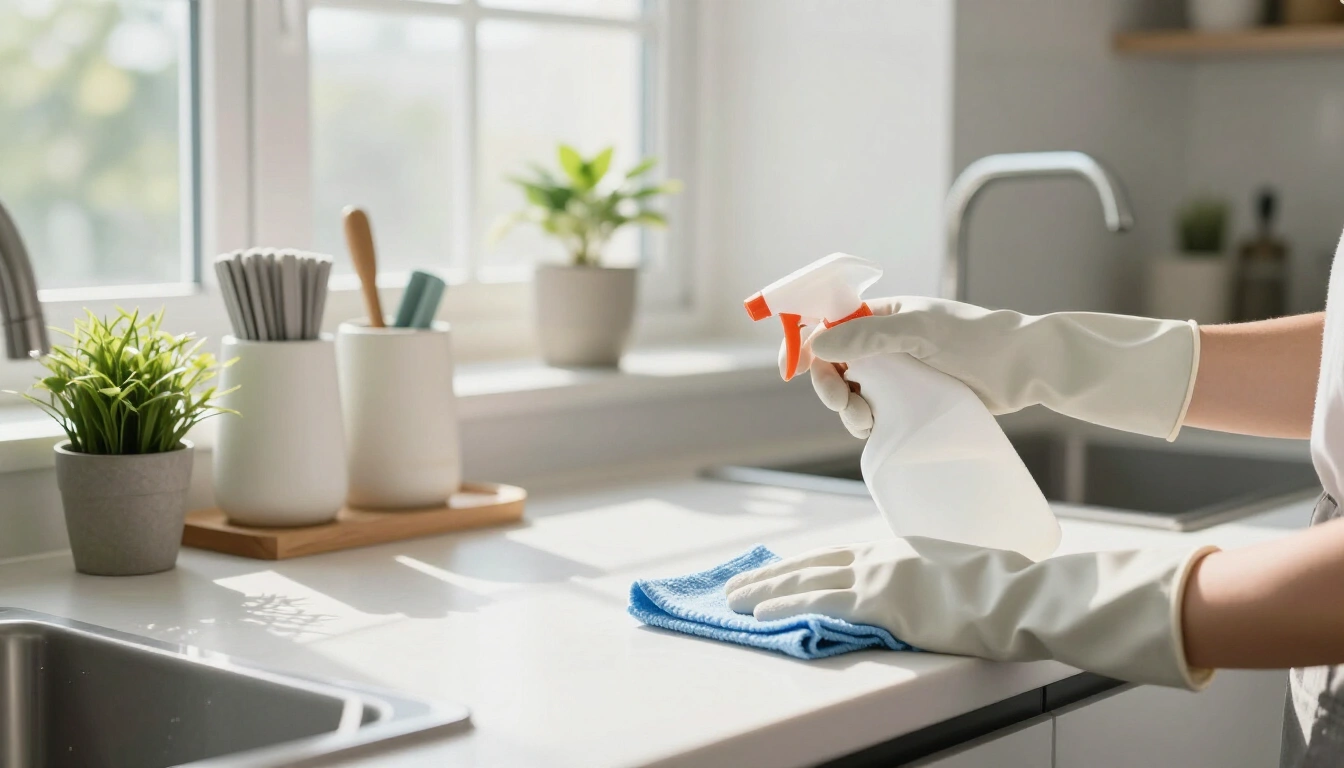
- Buy concentrated cleaning products or tablets that get mixed with water in a reusable spray bottle
- Choose dish soap bars instead of bottled liquid soap
- Use reusable cloths or old t shirts instead of paper towels or disposable wipes
- Make simple cleaning solutions at home using vinegar, baking soda, and water
Rethink Everyday Habits
Beyond specific rooms, there are broader habits that can make a real difference over time.
Practice Mindful Shopping
Buying less, and buying smarter, is one of the most effective ways to reduce plastic waste. Before making a purchase, it helps to ask whether the item is truly needed and whether a lower waste alternative exists.
Repair Before Replacing
Fixing broken items instead of replacing them keeps both plastic and other materials out of landfills. Many household items, from small appliances to furniture, can be repaired with basic tools or a quick search for tutorials online.
Get Comfortable With Secondhand
Thrift stores, online marketplaces, and swap groups are excellent places to find household items without generating new plastic packaging or production waste.
A Quick Comparison: Common Swaps
The table below highlights some of the easiest plastic swaps to start with, along with their everyday alternatives.
| Common Plastic Item | Eco Friendly Alternative |
|---|---|
| Plastic water bottles | Reusable stainless steel or glass bottle |
| Cling wrap | Beeswax wraps or silicone lids |
| Plastic shampoo bottles | Shampoo bars |
| Disposable razors | Reusable safety razor |
| Plastic sandwich bags | Reusable silicone bags |
| Liquid dish soap in plastic | Dish soap bars |
| Plastic cutlery | Reusable travel cutlery set |
| Paper towels | Reusable cloths |
Building Habits That Last
Reducing plastic waste is not about achieving a perfectly plastic free home overnight. It is about building habits that stick. A few strategies can help make the transition feel manageable rather than stressful.
Start With One Room at a Time
Trying to change every habit at once often leads to burnout. Instead, focusing on one room, such as the kitchen or bathroom, allows changes to feel more natural before moving on to the next space.
Use What Is Already Owned
Before buying new reusable items, it helps to use up what is already in the home. Finishing existing plastic bottles or containers before replacing them prevents unnecessary waste and unnecessary spending.
Involve the Whole Household
Reducing plastic waste is easier when everyone in the home is on board. Explaining the reasoning behind new habits, especially to children, can help turn small changes into lasting family routines.
Track Progress Without Judgment
Keeping a simple mental note, or even a written list, of new habits that have stuck can be motivating. Progress, not perfection, is the goal.
The Bigger Picture
While individual efforts to reduce plastic waste are valuable, they also add up across communities. When more households choose reusable products, buy in bulk, or support plastic free packaging, demand shifts. Businesses respond to consumer habits, and a growing preference for low waste products encourages more companies to offer sustainable alternatives.
Reducing plastic waste at home is also a gateway to broader sustainable living. Many people find that once they start paying attention to plastic, they naturally become more mindful of energy use, food waste, and overall consumption habits.
Final Thoughts
Cutting back on plastic waste at home does not require expensive products or a complicated system. It starts with small, thoughtful swaps in the kitchen, bathroom, and cleaning routine, paired with a shift toward mindful shopping and reusable habits. Over time, these changes become second nature, making it easier to maintain a lower waste lifestyle without feeling restrictive.
Every reusable bag, refillable bottle, and repaired item represents one less piece of plastic heading to a landfill. While no single household can solve the plastic problem alone, these everyday choices add up, creating a ripple effect that supports a cleaner, more sustainable future for everyone.