For anyone trying to live a little lighter on the planet, collecting rainwater is one of the simplest and most rewarding changes to make. It costs little to start, it cuts down on wasted water, and it gives plants exactly what they crave most: soft, chemical free water straight from the sky.
Whether someone lives on a large property with a big garden or tends a small balcony full of pots, there is a rainwater collection method that fits their space and budget.
This guide walks through why rainwater harvesting matters, the different ways to collect it, how to set up a system, and how to keep it running safely and efficiently for years to come.
Why Rainwater Is Good for the Garden
Tap water is often treated with chlorine and other chemicals to make it safe for drinking. While that is great for people, it is not always ideal for plants, especially delicate seedlings, ferns, and acid loving species like blueberries, azaleas, and camellias. Rainwater, on the other hand, is naturally soft and slightly acidic, which many plants prefer.
Here are some of the biggest benefits of using rainwater in the garden:
- It is free once the collection system is set up
- It does not contain chlorine, fluoride, or added salts
- It helps reduce demand on municipal water supplies during dry spells
- It can lower monthly water bills
- It reduces stormwater runoff, which helps prevent erosion and keeps pollutants out of local waterways
- It is naturally suited to the pH needs of most garden plants
Understanding How Rainwater Harvesting Works
At its core, rainwater harvesting is simply the practice of capturing rain before it disappears into the ground or storm drains, then storing it for later use. Most home systems rely on a roof, a gutter system, and some kind of storage container. From there, the water can be used to hand water containers, fill watering cans, or connect to a drip irrigation line.
The amount of water that can be collected depends on roof size and rainfall. As a general rule, about half a liter of water can be collected per square meter of roof for every millimeter of rain that falls. Even a modest roof can fill a storage barrel quickly during a single rainstorm.
Types of Rainwater Collection Systems
There is no single right way to collect rainwater. The best method depends on space, budget, and how much water someone actually needs.
Rain Barrels
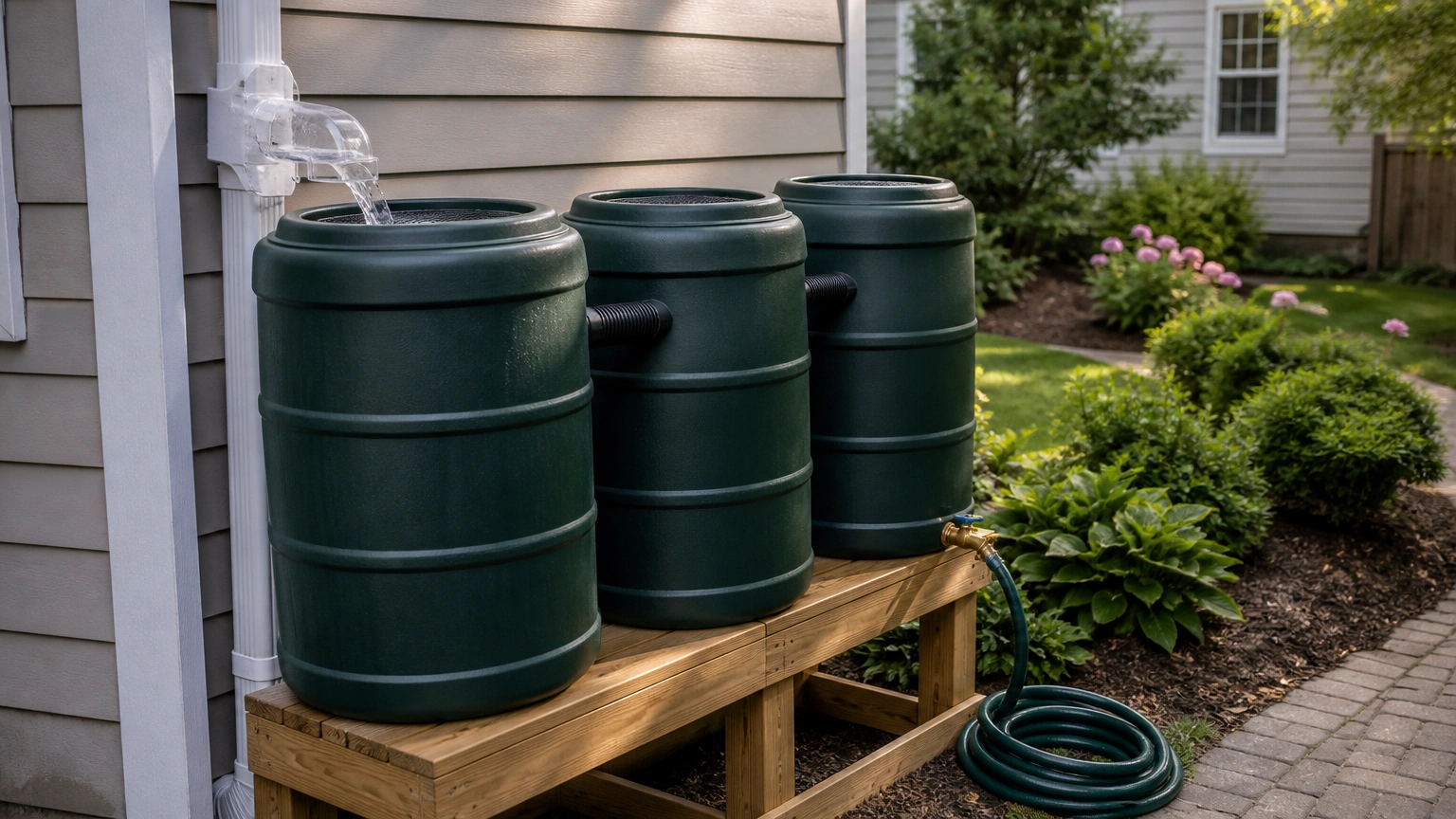
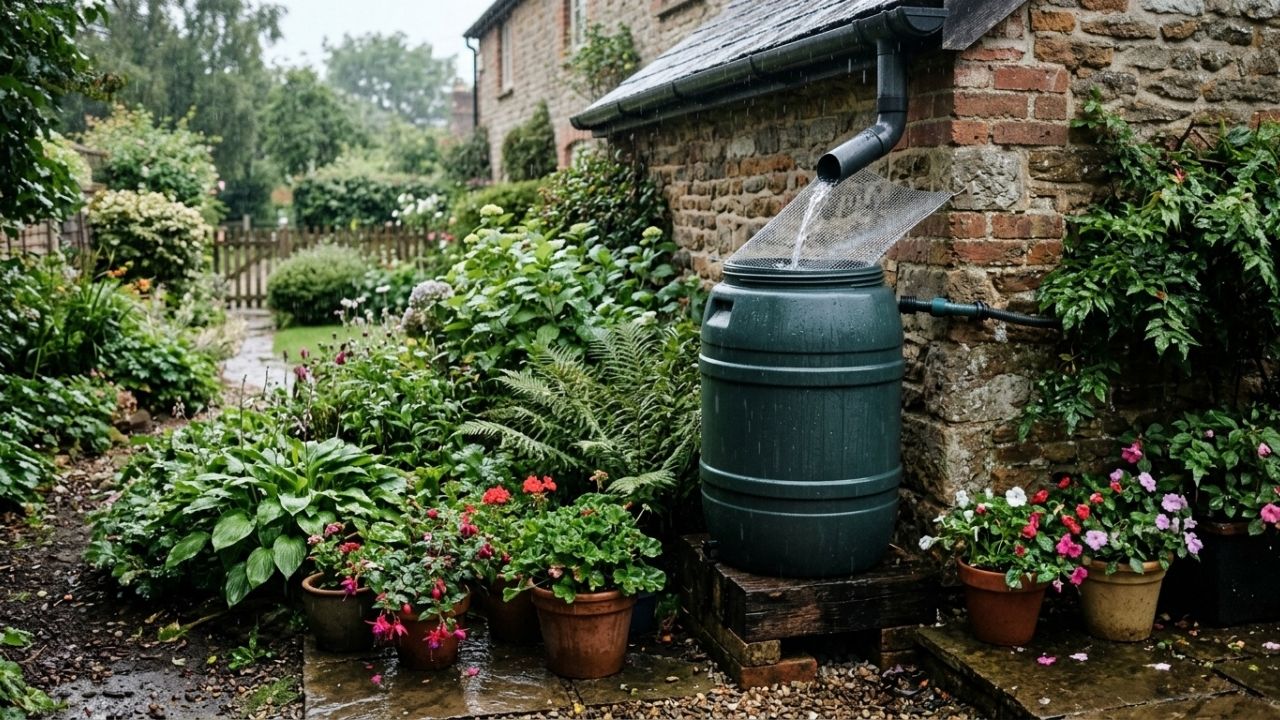
Rain barrels are the most common starting point for beginners. They are simple, affordable, and easy to install without any special tools. A rain barrel typically connects to a downspout and holds anywhere from 150 to 300 liters of water.
- Best for small to medium gardens
- Simple to install and maintain
- Widely available in different styles and colors
- Can be linked together for extra storage capacity
Rain Barrel Alternatives for Small Spaces
Not everyone has a downspout or a yard. Renters, apartment dwellers, and balcony gardeners can still collect rainwater using:
- Buckets or large open containers placed under eaves or balcony edges
- Collapsible water storage bags that pack away when not in use
- Small catchment trays attached to window boxes
Cisterns and Large Storage Tanks
For those who garden seriously or live somewhere with long dry seasons, a cistern offers much greater storage capacity. These tanks can hold anywhere from a few hundred liters to several thousand liters and are often placed underground or against the side of a house.
- Best for large gardens, orchards, or small farms
- Requires more upfront investment
- Can supply water for weeks without rain
- Often paired with a pump for irrigation
Rain Chains
Rain chains are a decorative alternative to traditional downspouts. Instead of water rushing down an enclosed pipe, it travels down a chain of linked cups or links, creating a gentle, visible flow. They are often used purely for their aesthetic charm, but they can also direct water into a barrel or basin below.
Green Roofs and Rain Gardens
These are less about storage and more about slowing water down and letting it soak into the landscape naturally. A rain garden is a shallow, planted depression that captures runoff and allows it to filter into the soil, feeding nearby plants while reducing flooding risk.
Comparing Rainwater Collection Options
| Method | Best For | Approximate Cost | Storage Capacity |
|---|---|---|---|
| Rain barrel | Small to medium gardens | Low | 150 to 300 liters |
| Collapsible bag or bucket | Balconies, renters | Very low | 20 to 100 liters |
| Cistern or large tank | Large gardens, farms | Moderate to high | 500 to several thousand liters |
| Rain chain with basin | Decorative collection | Low to moderate | Varies by basin size |
| Rain garden | Slowing and filtering runoff | Low to moderate | Not stored, absorbed into soil |
How to Set Up a Basic Rainwater Collection System
Getting started does not require any special skills. Here is a simple approach for a first time setup:
- Choose a downspout that drains a large section of roof
- Select a barrel or tank with a lid to keep out debris, insects, and sunlight
- Install a diverter kit on the downspout so rain flows into the barrel instead of the ground
- Raise the barrel slightly on blocks or a stand so a watering can or hose fits underneath the spigot
- Add a fine mesh screen over the inlet to filter leaves and stop mosquitoes from breeding
- Include an overflow hose that redirects excess water away from the house foundation once the barrel is full
Choosing the Right Container
Not all containers are created equal. When selecting a barrel or tank, it helps to look for:
- Food safe, UV resistant plastic or untreated wood
- A tightly fitting lid
- A spigot near the bottom for easy access
- An overflow outlet near the top
- Dark or opaque material to prevent algae growth from sunlight exposure
Keeping Collected Rainwater Clean and Safe
Rainwater used on plants generally does not need to be treated the way drinking water does, but a little maintenance keeps the system working well and prevents problems.
- Clean gutters regularly so leaves, twigs, and dirt do not wash into the storage container
- Use a mesh screen or filter on every inlet
- Empty and rinse barrels at least once a season to prevent sediment buildup
- Keep containers covered to block sunlight and reduce mosquito breeding
- Avoid collecting the first flush of rain after a long dry spell, since it often carries the most roof dust and debris
- Position barrels away from areas treated with pesticides or fertilizers that could wash into the water supply
A Note on Roofing Materials
The type of roof matters. Asphalt shingles, metal, and tile roofs are generally fine for garden use. Roofs treated with certain coatings or those with lead flashing may leach small amounts of chemicals into runoff, so it is worth checking the roofing material before assuming all collected water is equally safe for edible plants.
Using Collected Rainwater Efficiently in the Garden
Once water is collected, using it wisely stretches the supply even further.
- Water early in the morning or in the evening to reduce evaporation
- Direct water to the base of plants rather than overhead, which reduces waste and helps prevent fungal disease
- Pair rain barrels with drip irrigation or soaker hoses for slow, deep watering
- Mulch garden beds to help soil retain moisture longer between waterings
- Prioritize rainwater for potted plants, seedlings, and acid loving species that benefit most from its soft, chemical free composition
Seasonal Considerations
Rainwater harvesting looks a little different depending on the time of year.
- In spring, systems should be cleaned and checked for winter damage before the rainy season begins
- In summer, barrels may need to be refilled often during dry spells, and shading them can help slow evaporation
- In autumn, gutters need extra attention as falling leaves can clog inlets quickly
- In winter, containers in freezing climates should be drained and disconnected to prevent cracking from ice expansion
Common Mistakes to Avoid
Even a simple system can run into trouble if a few basics are overlooked.
- Forgetting an overflow outlet, which can lead to water pooling near the foundation
- Skipping the mesh filter, which invites mosquitoes and clogged spigots
- Placing barrels directly on the ground without a stand, making it hard to access the spigot
- Leaving barrels uncovered, which encourages algae growth and unwanted pests
- Assuming bigger is always better, when in reality the right size depends on actual garden needs and average rainfall
Getting Started Is Easier Than It Seems
Collecting rainwater for the garden is one of those small, practical habits that adds up over time. It saves money, supports healthier plants, and helps reduce the strain on local water systems, all while requiring very little daily effort once the setup is in place.
Whether it starts with a single bucket under a balcony rail or grows into a full cistern feeding an entire vegetable patch, every drop collected is a step toward a more self sufficient and sustainable way of gardening.
For anyone just beginning this journey, the best approach is to start small, learn how much water a space can realistically capture, and expand the system as confidence and rainfall patterns become clearer.