Living in a small apartment often feels like a lesson in limits. There is less space for storage, less room for big furniture, and sometimes less control over things like heating, cooling, or recycling systems that a landlord manages.
Yet small spaces can actually be some of the easiest places to live sustainably. Fewer square feet mean less energy needed to heat or cool the home, less material used in furnishing it, and less temptation to accumulate things that end up wasted. For anyone who cares about reducing their environmental footprint, a compact apartment is not a barrier. It is an opportunity.
This guide walks through practical, budget-friendly, and renter-friendly ways to turn a small apartment into a more eco-conscious home. None of these ideas require major renovations or landlord approval for structural changes, which makes them ideal for anyone renting or living in a shared building.
Why Small Apartments Are Naturally More Sustainable
Before diving into specific changes, it helps to understand why small living spaces already have an environmental advantage.
A smaller home uses less energy for temperature control because there is simply less air to heat or cool. It also requires fewer materials to furnish, decorate, and maintain. People living in smaller spaces tend to buy less because there is nowhere to put extra belongings, which naturally reduces consumption.
This is sometimes called the built-in efficiency of small space living, and it means that even without trying, apartment dwellers are often ahead of those in larger homes when it comes to their carbon footprint.
That said, there is still plenty of room for improvement. The following sections break down eco-friendly upgrades by category, starting with the easiest and most affordable changes.
Start With Energy Efficiency
Energy use is usually the biggest contributor to a household’s environmental impact, so it makes sense to start here.
Switch to Energy-Efficient Lighting
Traditional incandescent bulbs waste a large amount of energy as heat rather than light. Replacing them with LED bulbs is one of the simplest changes anyone can make, and it pays for itself over time through lower electricity bills.
- LED bulbs use significantly less energy than incandescent or halogen bulbs
- They last much longer, which means fewer replacements and less waste
- They come in a range of warm and cool tones to match any mood or décor
Unplug and Use Smart Power Strips
Many electronics continue to draw small amounts of electricity even when turned off, a phenomenon often called phantom power or vampire energy. In a small apartment where outlets and devices are often clustered together, a smart power strip can make a noticeable difference by cutting power to devices that are not in active use.
Make the Most of Natural Light and Airflow
Small apartments often have limited windows, but using them wisely can reduce reliance on artificial lighting and air conditioning.
- Keep windows unobstructed by heavy furniture to let in as much daylight as possible
- Use light, sheer curtains during the day and heavier ones at night to manage temperature
- Open windows during cooler parts of the day instead of running air conditioning
- Use a fan instead of AC when possible, since fans use far less electricity
Choose Energy-Efficient Appliances When Possible
Not everyone can replace a refrigerator or washing machine in a rental unit, but for smaller appliances like microwaves, kettles, or space heaters, choosing energy-efficient models makes a real difference.
Look for appliances with strong energy ratings, and when buying new electronics, choose sizes that actually fit the space rather than oversized options that use more power than necessary.
Reduce, Reuse, and Rethink Water Use
Water conservation is often overlooked in apartments, especially when water bills are included in rent. But saving water is still an important part of sustainable living.
- Install a low-flow showerhead, which is inexpensive and easy to attach without tools
- Fix leaky faucets promptly, since even a slow drip wastes a surprising amount of water over time
- Run the dishwasher or washing machine only with full loads
- Collect cold water that runs while waiting for the shower to warm up and use it to water plants
- Turn off the tap while brushing teeth or washing dishes instead of letting it run continuously
Smart Storage and Furniture Choices
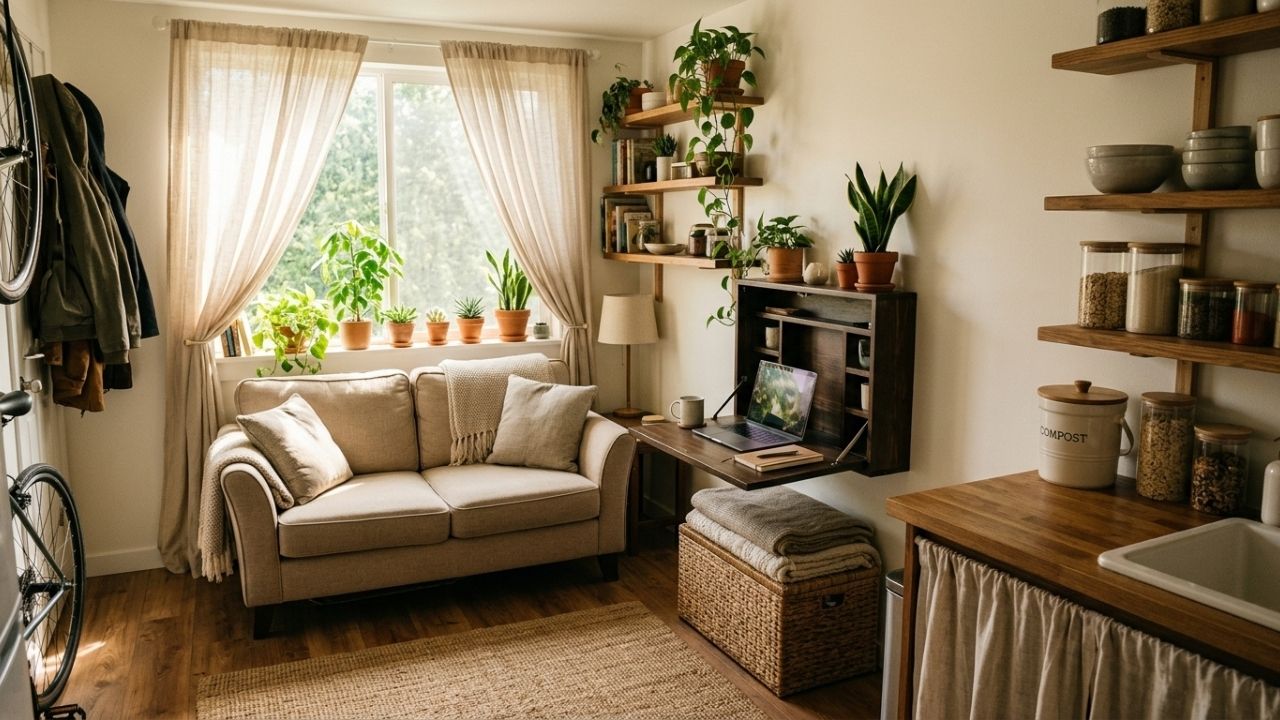
Limited space in a small apartment can actually encourage more sustainable furniture habits, since every item has to earn its place.
Choose Multi-Purpose Furniture
Furniture that serves more than one function reduces the total number of items needed, which means less manufacturing, less material waste, and less clutter.
- A storage ottoman that doubles as seating and hidden storage
- A fold-down desk that tucks away when not in use
- A sofa bed for guests instead of a separate guest room setup
- Nesting tables that stack together to save floor space
Buy Secondhand or Refurbished Furniture
Secondhand shops, online marketplaces, and local buy-nothing groups are excellent sources for furniture that still has plenty of life left in it. Buying used furniture keeps items out of landfills and reduces the demand for new manufacturing, which is one of the more resource-intensive parts of furniture production.
Repurpose Before Replacing
Before throwing out or buying new furniture, it is worth considering whether an existing piece can be refreshed instead. A coat of paint, new hardware, or reupholstering can extend the life of a piece significantly, saving both money and resources.
Reduce Waste in a Small Kitchen
Kitchens tend to generate the most household waste, but small kitchens can be managed efficiently with a few thoughtful habits.
Set Up a Compact Composting System
Composting in a small apartment might sound difficult, but there are compact solutions designed specifically for limited space.
- Countertop compost bins with charcoal filters control odor in small kitchens
- Bokashi composting systems ferment food waste in a sealed container, making them ideal for apartments
- Many cities offer community compost drop-off points for apartment dwellers without outdoor space
Reduce Single-Use Plastics
Small kitchens benefit from switching to reusable alternatives, since these items often take up less space than their disposable counterparts once consolidated.
- Reusable produce bags instead of plastic ones
- Glass or stainless steel containers instead of plastic wrap and disposable containers
- A reusable water bottle and coffee cup to cut down on single-use packaging
- Cloth napkins and towels instead of paper versions
Shop With Intention
Buying only what is needed reduces food waste, which is a major contributor to landfill emissions. Planning meals ahead of time, checking what is already in the fridge before shopping, and buying in appropriate portions all help minimize waste in a limited kitchen space.
Improve Indoor Air Quality Naturally
Small apartments can sometimes have limited airflow, making indoor air quality an important consideration for both health and sustainability.
Add Houseplants
Certain houseplants help filter indoor air and add a sense of life to a small space without taking up much room.
- Snake plants are low maintenance and tolerate low light well
- Pothos is easy to grow and can trail from shelves or hanging planters
- Spider plants are compact and adapt well to apartment conditions
Choose Natural Cleaning Products
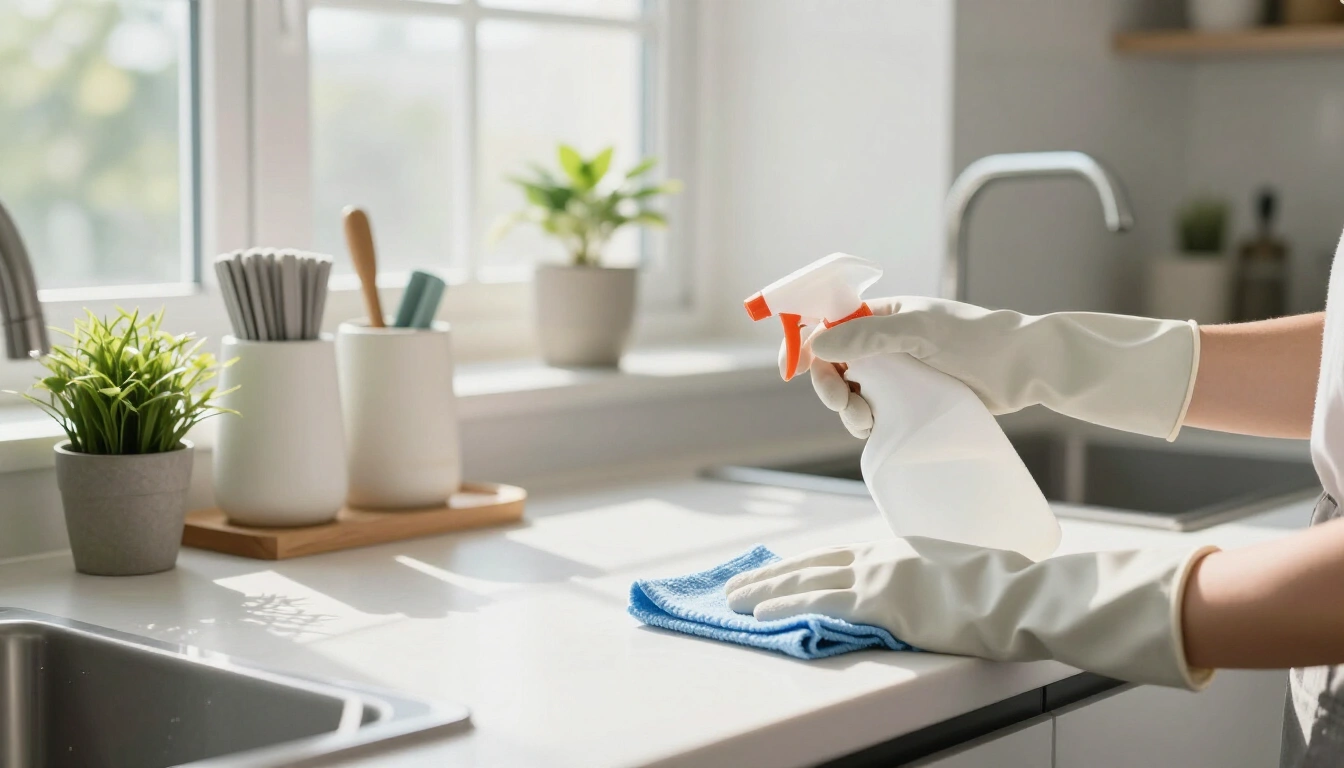
Many conventional cleaning products contain chemicals that affect both indoor air quality and wastewater systems. Switching to natural or homemade cleaning solutions, such as those made with vinegar, baking soda, and citrus, reduces exposure to harsh chemicals and cuts down on plastic packaging waste.
Recycling and Waste Management in Apartments
Recycling can be more complicated in apartment buildings, especially when space is shared or systems are inconsistent. Still, there are ways to stay organized.
- Keep a small, clearly labeled bin for recyclables even if space is tight
- Learn the specific recycling rules for the building or city, since requirements vary widely
- Break down cardboard boxes to save space before disposal
- Donate unwanted items instead of throwing them away, especially clothing, books, and small household goods
Quick Comparison: Eco-Friendly Upgrades by Cost and Effort
| Upgrade | Approximate Cost | Effort Level | Impact |
|---|---|---|---|
| LED light bulbs | Low | Low | Reduces energy use significantly |
| Low-flow showerhead | Low | Low | Saves water daily |
| Smart power strip | Low | Low | Cuts phantom energy drain |
| Secondhand furniture | Varies | Medium | Reduces manufacturing demand |
| Countertop compost bin | Medium | Medium | Diverts food waste from landfill |
| Houseplants for air quality | Low | Low | Improves indoor air and mood |
| Multi-purpose furniture | Medium to high | Medium | Reduces total furniture footprint |
Building Sustainable Habits, Not Just Buying Sustainable Products
It is worth remembering that eco-friendly living is not only about purchasing new items marketed as green. Some of the most effective changes are habits rather than products.
- Turning off lights and unplugging devices when leaving a room
- Air-drying clothes instead of using a dryer when possible
- Repairing items instead of replacing them at the first sign of wear
- Borrowing or renting items used infrequently, such as tools or party supplies, instead of buying them
- Choosing digital receipts, bills, and subscriptions over paper versions
These small daily choices often matter more over time than any single product purchase, and they tend to save money as well as resources.
Working With Landlords and Shared Spaces
Renters sometimes assume sustainability upgrades are off the table because they do not own their unit. In reality, many landlords are open to reasonable requests, especially ones that could lower utility costs or improve the building’s appeal.
- Ask about recycling and composting options already available in the building
- Request permission for small upgrades like showerhead replacements, since most are easy to reverse
- Suggest energy-efficient lighting in shared hallways or common areas
- Report leaks or inefficient appliances promptly, since these affect both sustainability and the landlord’s costs
Building a respectful relationship with property management can open the door to bigger sustainability wins over time, even in a rental.
Final Thoughts
Making a small apartment more eco-friendly does not require a complete lifestyle overhaul or an unlimited budget. It comes down to a series of small, intentional choices, from the light bulbs used to the furniture chosen to the habits practiced every day.
Because small apartments already use fewer resources by nature, even modest changes can have an outsized impact relative to the size of the space.
Anyone looking to live more sustainably in a compact home can start with just one or two changes from this list and build from there. Over time, these small shifts add up to a home that is not only kinder to the planet but often more comfortable, more organized, and more affordable to maintain.