
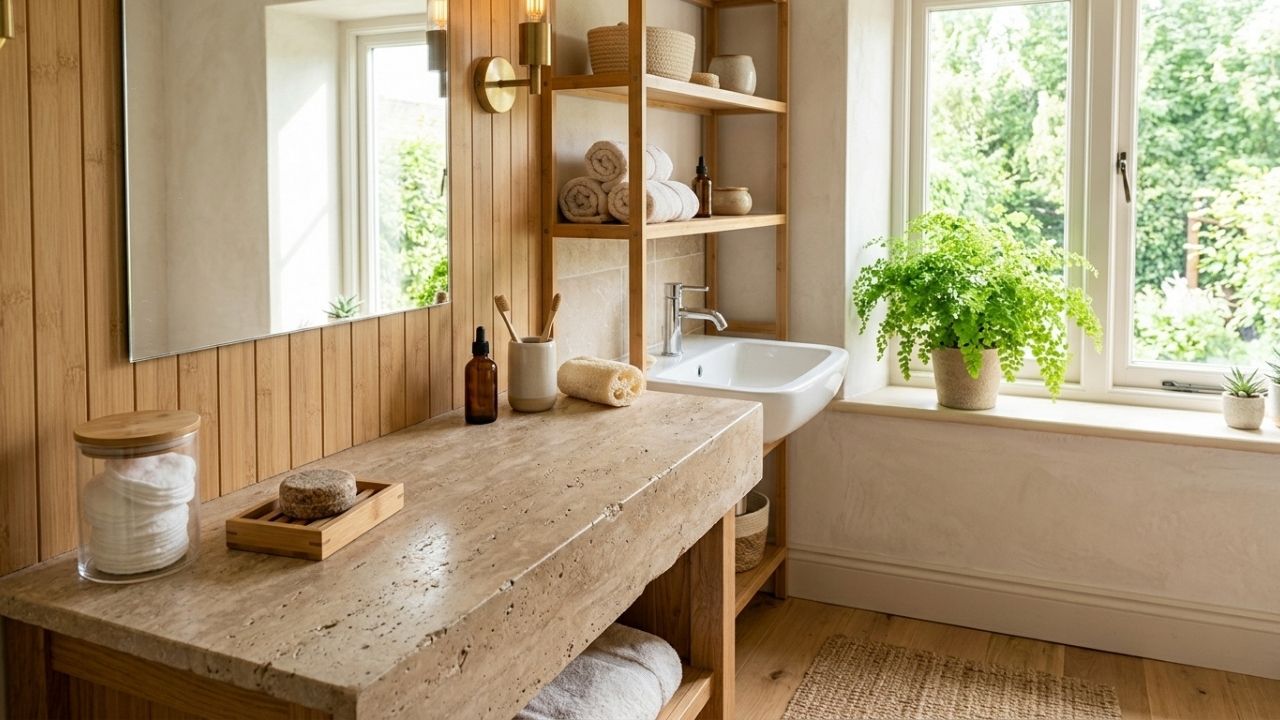
The bathroom is one of the most water and energy intensive rooms in any home, yet it is often the last place people think about when trying to live a greener life. Between long showers, running taps, and single use plastic bottles, this small space can quietly generate a large environmental footprint.
The good news is that turning a bathroom into an eco-friendly sanctuary does not require a full renovation or a huge budget. With a few thoughtful swaps and habit changes, anyone can transform their daily routine into one that is kinder to the planet.
This article walks through practical, budget friendly, and long term strategies for making a bathroom more sustainable, from water saving fixtures to plastic free products and energy efficient lighting.
Why the Bathroom Matters for Sustainability
Many people assume that sustainability efforts should focus on the kitchen or the car, but the bathroom deserves just as much attention. It is estimated that a large portion of a household’s total water use happens in the bathroom, largely through showers, baths, and toilet flushing. On top of that, bathrooms are filled with plastic packaging, from shampoo bottles to disposable razors, much of which ends up in landfills or oceans.
Making small changes in this space can lead to noticeable reductions in water bills, energy costs, and household waste. It also sets a tone for a more conscious lifestyle throughout the rest of the home.
Start With Water Conservation
Water is the biggest resource used in the bathroom, so it makes sense to start here.
Install Water-Saving Fixtures
Replacing old fixtures with water efficient alternatives is one of the most effective long term changes a household can make.
- Low-flow showerheads reduce water usage without sacrificing water pressure
- Dual-flush toilets allow a choice between a light flush and a full flush depending on need
- Aerator taps mix air into the water stream, cutting flow without reducing the feeling of pressure
- Water-efficient bathtubs use less water to fill while still offering a relaxing soak
These fixtures often pay for themselves within a year or two through lower water bills, making them both an environmental and financial win.
Fix Leaks Promptly
A dripping tap or a running toilet might seem like a minor annoyance, but over time these small leaks can waste thousands of litres of water. Checking taps, toilet flappers, and pipe joints regularly can catch problems early. A simple way to test for a toilet leak is to add a few drops of food colouring to the tank and see if it seeps into the bowl without flushing.
Shorten Shower Time
Long showers feel indulgent, but they use significant amounts of water and energy for heating. Setting a timer, playing a short playlist, or simply being mindful of shower length can cut water use dramatically. Some households find that switching to a “navy shower,” where the water is turned off while lathering up, saves even more.
Choose Sustainable Bathroom Products
The products used daily in the bathroom often come wrapped in plastic that is difficult to recycle. Choosing more sustainable alternatives can significantly reduce household waste.
Swap Plastic for Reusable or Biodegradable Options
- Bamboo toothbrushes instead of plastic ones, since bamboo is biodegradable and fast growing
- Solid shampoo and conditioner bars that eliminate the need for plastic bottles
- Reusable cotton rounds or cloth wipes instead of disposable cotton pads
- Safety razors with replaceable metal blades instead of disposable plastic razors
- Refillable soap dispensers using bulk or concentrate refills
Look for Eco-Certified Products
When shopping for cleaning sprays, body wash, or laundry detergent, checking for eco-certifications can help ensure the product is genuinely better for the environment rather than simply marketed that way. Ingredients that are biodegradable, free from harsh chemicals, and packaged in recyclable or compostable materials are generally a safer choice for both people and waterways.
Reduce Packaging Waste
Buying in bulk, choosing products with minimal packaging, or supporting brands that offer refill stations can significantly cut down on the amount of plastic entering the home. Some people also choose to make their own simple cleaning products using vinegar, baking soda, and essential oils, which reduces packaging waste even further.
Energy Efficiency in the Bathroom
Water is not the only resource to consider. Energy use, particularly for heating water and lighting, plays a big role in the bathroom’s environmental impact.
Switch to LED Lighting
LED bulbs use significantly less electricity than traditional incandescent bulbs and last much longer, which means fewer replacements and less waste over time. Installing dimmer switches can further reduce energy use by allowing lighting to be adjusted based on need.
Insulate Water Heating Systems
A well insulated hot water system loses less heat, meaning less energy is needed to keep water at the desired temperature. Wrapping an older water heater in an insulating jacket or upgrading to a more efficient model can make a noticeable difference in energy bills.
Consider a Heated Towel Rail Timer
For those who use heated towel rails, adding a timer so it only runs during specific hours can prevent unnecessary energy use throughout the day and night.
Sustainable Materials for Renovations
For anyone planning a bathroom renovation, choosing eco-friendly materials from the start can make a lasting difference.
| Material | Why It’s Eco-Friendly | Best Used For |
|---|---|---|
| Bamboo | Fast growing, renewable, naturally water resistant | Flooring, shelving, small furniture |
| Recycled glass tiles | Diverts glass waste from landfill, durable | Backsplashes, shower walls |
| Cork flooring | Renewable, biodegradable, naturally water resistant | Flooring |
| Reclaimed wood | Reduces demand for new timber, adds character | Vanities, shelving |
| Low-VOC paint | Releases fewer harmful chemicals into the air | Walls and ceilings |
| Recycled metal fixtures | Reduces mining demand, often fully recyclable | Taps, towel rails, handles |
Choosing these materials not only supports sustainability but often adds a natural, calming aesthetic to the bathroom as well.
Ventilation and Mould Prevention
A well ventilated bathroom is not only healthier but also more energy efficient. Poor ventilation can lead to mould growth, which in turn requires harsher cleaning chemicals to remove. Installing an energy efficient extractor fan, opening a window after showers, or using a dehumidifier can help keep moisture levels balanced without relying on chemical heavy solutions.
Natural Ways to Improve Air Quality
- Adding moisture loving plants such as ferns or peace lilies, which can absorb excess humidity
- Using natural fibre bath mats that dry quickly and resist mildew
- Choosing low-VOC paints and sealants during any renovation work
Building Sustainable Habits
Beyond fixtures and products, the daily habits practiced in the bathroom matter just as much.
Mindful Water Use
Turning off the tap while brushing teeth or shaving can save a surprising amount of water each year. Filling the sink for shaving rather than letting the tap run continuously is another simple habit that adds up over time.
Reduce, Reuse, Recycle in the Bathroom
- Repurpose empty glass jars as storage for cotton balls or bathroom essentials
- Recycle empty product containers where local recycling programs allow
- Donate unused toiletries rather than throwing them away
- Compost items like bamboo toothbrush handles where composting facilities accept them
Buy Only What Is Needed
Overbuying bathroom products often leads to waste, especially with items that expire such as sunscreen or certain skincare products. Keeping a simple inventory of what is already owned before restocking can prevent unnecessary purchases and reduce clutter.
Small Budget-Friendly Changes to Start Today
For those not ready to renovate or make big purchases, there are still plenty of low cost ways to begin greening the bathroom.
- Switch to a low-flow showerhead attachment, which is inexpensive and easy to install
- Replace disposable cotton pads with washable cloth alternatives
- Start using a shampoo bar instead of buying another plastic bottle
- Fix that dripping tap that has been ignored for months
- Swap in LED bulbs the next time a light needs replacing
- Add a small plant to help with humidity and air quality
These small steps require little investment but can make a meaningful difference when practiced consistently.
The Long-Term Benefits of an Eco-Friendly Bathroom
Making these changes is not just good for the environment. Many of these swaps also lead to lower utility bills, reduced clutter, and a bathroom that feels calmer and more intentional. Choosing natural materials and simple, multipurpose products often results in a cleaner, more spa-like atmosphere compared to a bathroom cluttered with dozens of plastic bottles.
Over time, these habits tend to spill over into other parts of the home, encouraging a broader shift toward mindful consumption and reduced waste throughout daily life.
Final Thoughts
Creating an eco-friendly bathroom does not happen overnight, and it does not require perfection. It is a gradual process of swapping out wasteful products, fixing small inefficiencies, and building habits that respect water and energy as valuable resources.
Whether someone starts with a simple shampoo bar or plans a full sustainable renovation, every small change contributes to a healthier home and a healthier planet. The bathroom, often overlooked in sustainability conversations, can become one of the most rewarding places to start a greener lifestyle.



