
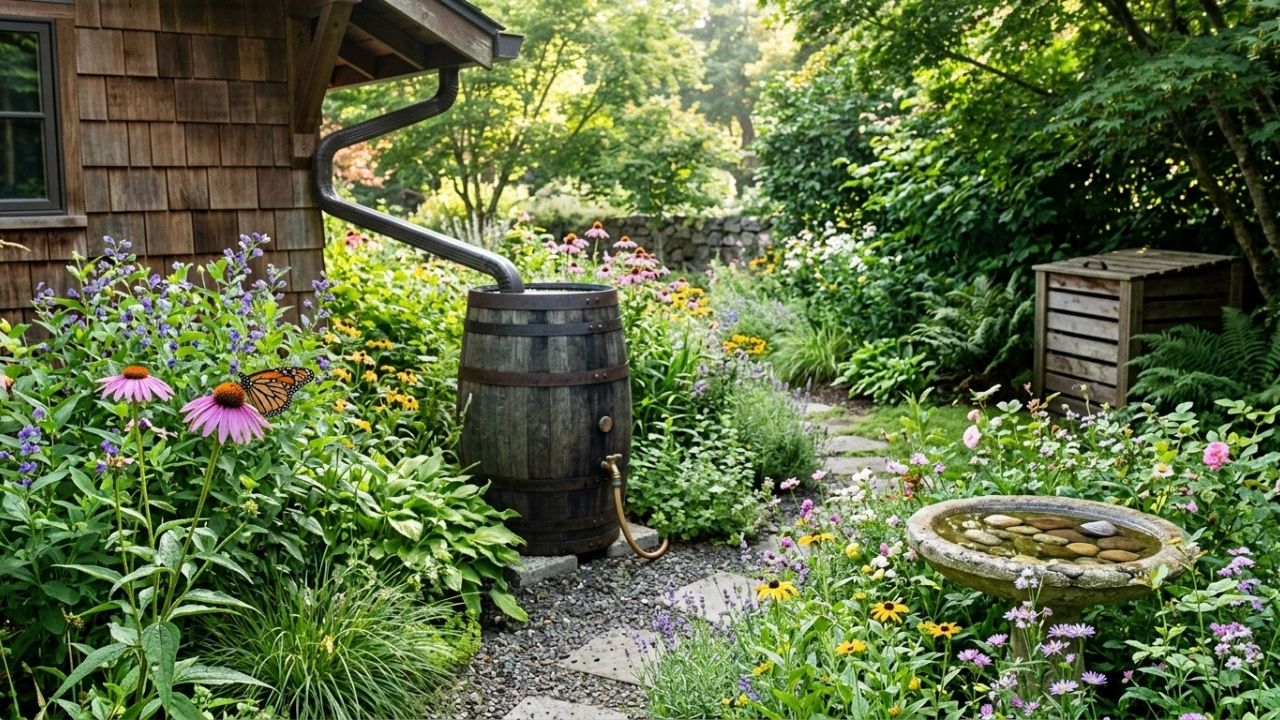
A garden can be more than just a patch of grass and a few flower beds. It can become a small, living system that supports local wildlife, conserves water, improves soil health, and reduces a household’s overall environmental footprint.
For anyone who cares about sustainability, the garden is often the easiest and most rewarding place to start making real change. It does not require a complete overhaul overnight. Small, consistent adjustments can transform an ordinary garden into an eco-friendly haven that benefits both people and the planet.
This article walks through practical, achievable ways to make a garden more sustainable, from soil care to water conservation, wildlife support, and smart plant choices.
Why Eco-Friendly Gardening Matters
Traditional gardening practices often rely on synthetic fertilizers, chemical pesticides, and excessive water use. These habits can harm local ecosystems, pollute waterways, and reduce biodiversity. An eco-friendly garden works with nature instead of against it. It focuses on building healthy soil, conserving resources, and creating habitats that support pollinators, birds, and beneficial insects.
Beyond the environmental benefits, sustainable gardening tends to save money over time. Less reliance on store-bought fertilizers and pesticides, along with reduced water bills, means the garden becomes both greener and more cost-effective.
Start With Healthy Soil
Soil is the foundation of any garden, and healthy soil is the foundation of sustainability. Soil that is rich in organic matter holds water better, supports stronger plant roots, and reduces the need for chemical inputs.
Composting at Home
Composting is one of the simplest ways to improve soil while reducing household waste. Kitchen scraps, fallen leaves, grass clippings, and coffee grounds can all be turned into nutrient-rich compost instead of ending up in a landfill.
- Keep a small compost bin or pile in a shaded corner of the garden
- Mix “green” materials like vegetable scraps with “brown” materials like dried leaves and cardboard
- Turn the pile regularly to speed up decomposition and prevent odor
- Avoid adding meat, dairy, or oily foods, which attract pests
Once the compost breaks down, it can be mixed into garden beds to naturally boost soil fertility without synthetic fertilizers.
Avoiding Synthetic Fertilizers and Pesticides
Chemical fertilizers can run off into local waterways, harming fish and other aquatic life. Pesticides, meanwhile, often kill beneficial insects along with the pests they are meant to target. Switching to organic alternatives protects the surrounding ecosystem.
- Use compost or well-rotted manure instead of synthetic fertilizer
- Try natural pest deterrents like neem oil or diluted soap sprays
- Encourage beneficial insects such as ladybugs, which naturally control aphids
- Rotate crops in vegetable beds to prevent soil depletion and pest buildup
Conserve Water Wisely
Water conservation is one of the most impactful changes a gardener can make, especially in regions where drought is becoming more common.
Smart Watering Techniques
- Water early in the morning or late in the evening to reduce evaporation
- Use drip irrigation or soaker hoses instead of sprinklers, which lose more water to the air
- Group plants with similar water needs together to avoid overwatering
- Add mulch around plants to retain soil moisture and reduce weed growth
Collecting Rainwater
Installing a rain barrel or collection system underneath a downspout is an easy way to gather free water for the garden. This reduces reliance on treated tap water and lowers utility bills.
- Place a rain barrel beneath a gutter downspout
- Use collected water for garden beds, potted plants, or lawns
- Cover barrels to prevent mosquito breeding
- Consider a simple filtration system if using the water for edible plants
Choose Native and Drought-Tolerant Plants
One of the most effective ways to build a sustainable garden is by choosing plants that are naturally suited to the local climate. Native plants have adapted over time to the region’s rainfall, soil, and temperature patterns, which means they typically require less water, fertilizer, and maintenance than non-native species.
Native plants also tend to support local pollinators and wildlife far better than exotic species, since they have co-evolved with local insects and birds over long periods of time.
Benefits of Native Planting
- Requires less watering once established
- Naturally resistant to local pests and diseases
- Supports local bees, butterflies, and birds
- Reduces the need for fertilizers since native soil is already suited to them
| Garden Feature | Traditional Approach | Eco-Friendly Approach |
|---|---|---|
| Plant selection | Exotic or ornamental species | Native and drought-tolerant plants |
| Watering | Daily sprinkler use | Drip irrigation and rainwater collection |
| Pest control | Chemical pesticides | Natural deterrents and beneficial insects |
| Soil fertility | Synthetic fertilizers | Compost and organic matter |
| Lawn care | Large grass lawns | Reduced lawn with groundcover or wildflowers |
| Waste | Yard waste sent to landfill | Composting and mulching |
Reduce the Lawn, Increase Biodiversity
Traditional grass lawns are often one of the least eco-friendly features of a garden. They require frequent mowing, regular watering, and often chemical treatments to stay green and weed-free. Reducing lawn size in favor of more diverse plantings can dramatically improve a garden’s sustainability.
Alternatives to Traditional Lawns
- Replace sections of grass with native groundcover plants
- Create a wildflower meadow patch to support pollinators
- Add a vegetable or herb garden in place of unused lawn space
- Use clover instead of grass, which requires less water and mowing
Even converting a small section of lawn can make a noticeable difference in water usage and biodiversity over time.
Support Local Wildlife
A truly eco-friendly garden is one that welcomes wildlife rather than excluding it. Birds, bees, butterflies, and even small mammals play important roles in pollination and pest control.
Creating a Wildlife-Friendly Space
- Plant a variety of flowering species that bloom at different times of the year
- Add a small water source, such as a shallow birdbath
- Leave a section of the garden a little wild with fallen leaves or logs for insects
- Avoid pesticides that harm bees and other pollinators
Building Habitats
- Install a birdhouse or nesting box in a quiet corner
- Create a small insect hotel using hollow stems and untreated wood
- Leave some seed heads on plants through winter to feed birds
- Plant shrubs that provide shelter and nesting spots
Use Sustainable Materials
The materials used to build and maintain a garden matter just as much as the plants themselves. Choosing eco-friendly materials reduces waste and avoids introducing harmful chemicals into the soil.
- Choose reclaimed wood or stone for raised beds and pathways instead of new materials
- Avoid treated wood that can leach chemicals into the soil
- Use biodegradable pots for seedlings instead of plastic
- Repurpose household items, such as old containers, as planters
Mulch for Multiple Benefits
Mulching is a simple practice that offers several environmental benefits at once. A layer of mulch around plants helps retain soil moisture, suppress weeds, regulate soil temperature, and slowly break down to enrich the soil.
- Use organic mulch such as wood chips, straw, or shredded leaves
- Apply a two to three inch layer around plants, avoiding direct contact with stems
- Replenish mulch as it breaks down over the growing season
- Avoid dyed or chemically treated mulch products
Grow Your Own Food
Growing even a small amount of food at home reduces reliance on store-bought produce, which often involves long transportation distances and packaging waste. A few pots of herbs on a balcony or a small vegetable bed in the yard can make a meaningful difference.
Getting Started With Edible Gardening
- Start with easy-to-grow herbs like basil, mint, or parsley
- Choose vegetables suited to the local climate and growing season
- Use companion planting to naturally deter pests, such as planting marigolds near tomatoes
- Save seeds from healthy plants to use in future seasons
Manage Garden Waste Responsibly
Instead of sending garden waste to a landfill, most of it can be reused directly within the garden itself.
- Compost fallen leaves and plant trimmings instead of bagging them for disposal
- Use fallen branches to create small habitat piles for insects and small animals
- Shred larger branches for use as mulch
- Avoid burning garden waste, which releases pollutants into the air
Embrace Natural Pest and Weed Control
Chemical herbicides and pesticides may offer a quick fix, but they often come with long-term costs to soil health, water quality, and local wildlife.
Natural Weed Control Methods
- Hand pull weeds regularly before they go to seed
- Use mulch to suppress weed growth
- Try vinegar-based sprays for stubborn weeds in non-planted areas
- Plant groundcover to crowd out unwanted weeds naturally
Natural Pest Control Methods
- Introduce companion plants that repel common pests
- Encourage natural predators like birds and ladybugs
- Use physical barriers such as netting for vulnerable plants
- Remove pests by hand when populations are small
Bringing It All Together
Turning a garden into an eco-friendly space does not require perfection or a complete transformation all at once. Even small changes, such as starting a compost bin, planting a few native species, or setting up a rain barrel, can add up to meaningful environmental benefits over time.
The goal is to create a garden that works in harmony with nature, supporting healthy soil, conserving water, and welcoming wildlife.
By making thoughtful choices about plants, materials, and maintenance practices, anyone can build a garden that reflects a genuine commitment to sustainability.
Over time, these changes tend to make gardening easier as well, since a well-balanced, natural garden often requires less watering, fewer chemical treatments, and less overall maintenance than a conventional one. The result is a garden that is not only better for the planet but also more enjoyable and rewarding to care for.



