Many people want to live a greener life but assume it requires a large budget, solar panels, or a full home renovation. The truth is that a more sustainable home does not have to be expensive.
With a little planning and a willingness to change small daily habits, anyone can reduce their environmental footprint while also saving money on utility bills. This article explores practical, affordable ways to make a home more eco-friendly, from simple swaps to smarter energy habits.
Why Going Green at Home Matters
Homes account for a significant portion of energy consumption, water use, and household waste. Every choice made inside a home, from the light bulbs used to the way food scraps are disposed of, adds up over time. Making eco-friendly changes is not just good for the planet. It also tends to lower monthly expenses, improve indoor air quality, and create healthier living spaces for families and pets.
The good news is that sustainability is not an all or nothing pursuit. Small, consistent changes often create the biggest long term impact, especially when they do not require a large upfront investment.
Start With an Energy Audit
Before spending any money, it helps to understand where energy and resources are being wasted. A home energy audit does not need to be a professional service, although many utility companies offer free or low cost audits. A basic self audit can be done by simply walking through the home and noting areas that need attention.
What to Look For During a Self Audit
- Drafty windows and doors that let heat or cool air escape
- Old incandescent light bulbs still in use
- Appliances that are left running when not in use
- Faucets or toilets that leak or run constantly
- Poor insulation in attics, basements, or crawl spaces
Once these problem areas are identified, it becomes much easier to prioritize which upgrades will have the biggest impact for the least amount of money.
Affordable Energy Saving Swaps
Energy efficiency is one of the easiest and most cost effective ways to green a home. Small changes to lighting, heating, and cooling habits can lead to noticeable savings without a major financial commitment.
Switch to LED Light Bulbs
Replacing old incandescent or halogen bulbs with LED bulbs is one of the simplest upgrades a homeowner can make. LED bulbs use significantly less electricity and last much longer, which means fewer replacements over time. While they may cost slightly more upfront than traditional bulbs, the long term savings on both energy bills and replacement costs make them worthwhile.
Use a Programmable or Smart Thermostat
Heating and cooling typically make up the largest portion of a home’s energy use. A programmable thermostat allows temperatures to adjust automatically based on the time of day, so energy is not wasted heating or cooling an empty house. Many affordable models are available, and some utility companies even offer rebates that lower the cost further.
Seal Drafts and Add Weatherstripping
Gaps around windows and doors can let out a surprising amount of conditioned air. Weatherstripping tape and door draft stoppers are inexpensive and easy to install without professional help. This simple fix can noticeably reduce heating and cooling costs, especially during extreme weather months.
Unplug Idle Electronics
Many electronics and appliances continue to draw power even when turned off, a phenomenon often called phantom energy use. Using a power strip to switch off multiple devices at once makes it easier to eliminate this hidden energy drain without changing daily habits too much.
Water Conservation on a Budget
Reducing water usage is another affordable way to make a home more sustainable. Small changes in the bathroom and kitchen can add up to significant savings over the course of a year.
Simple Water Saving Habits
- Fix leaky faucets and running toilets as soon as they are noticed
- Install low flow showerheads and faucet aerators
- Take shorter showers instead of baths when possible
- Run dishwashers and washing machines only with full loads
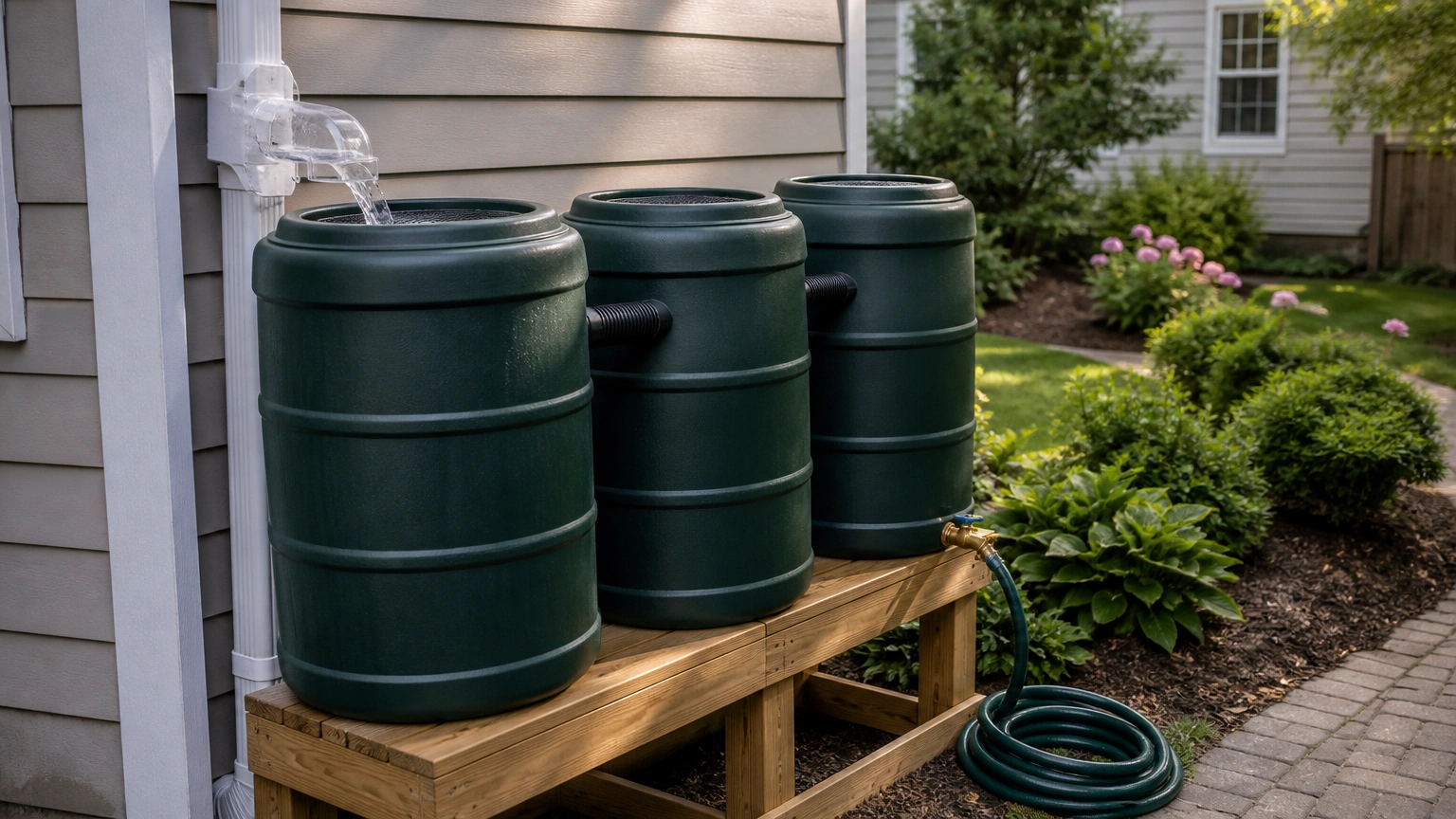
- Collect rainwater in a barrel for watering outdoor plants
These changes require little to no financial investment but can meaningfully reduce a household’s water footprint.
Reduce, Reuse, and Recycle Effectively
Waste reduction is often the most budget friendly aspect of sustainable living because it usually saves money rather than costing it. Being intentional about consumption habits can significantly cut down on household waste.
Practical Ways to Cut Down on Waste
- Choose reusable bags, containers, and water bottles instead of disposable ones
- Buy in bulk when possible to reduce packaging waste
- Repurpose glass jars and containers for storage instead of buying new organizers
- Donate or sell items instead of throwing them away
- Start a compost bin for food scraps and yard waste
Composting in particular is a low cost way to reduce landfill waste while creating nutrient rich soil for a garden. Even a small kitchen compost bin can make a noticeable difference over time.
Eco-Friendly Cleaning on a Budget
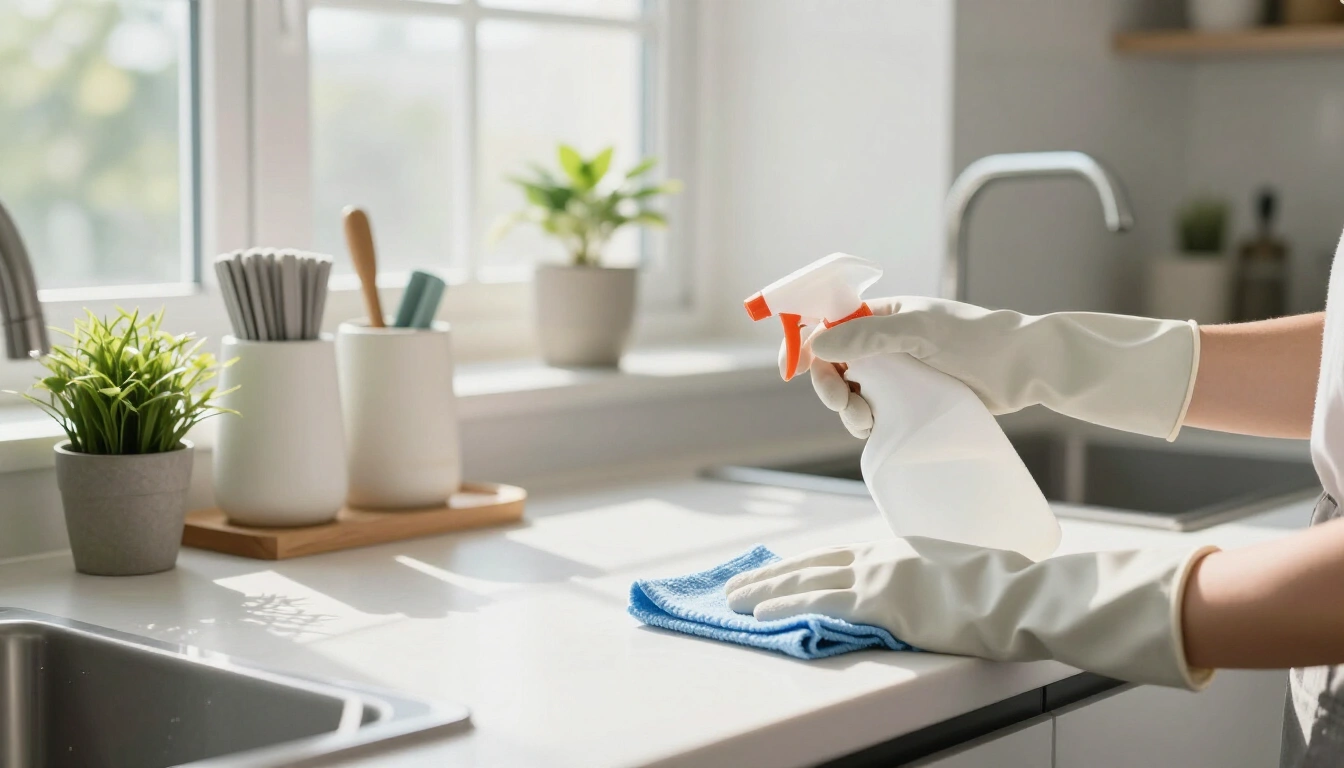
Store bought cleaning products often contain harsh chemicals and come in single use plastic packaging. Switching to homemade or natural cleaning alternatives is usually cheaper and better for both health and the environment.
Common Natural Cleaning Ingredients
- White vinegar for cutting grease and disinfecting surfaces
- Baking soda for scrubbing and deodorizing
- Lemon juice for a natural, fresh scented cleaner
- Castile soap for an all purpose, gentle cleaning solution
These ingredients are inexpensive, widely available, and can be combined to create effective cleaners for nearly every room in the house.
Sustainable Choices for Furniture and Decor
Furnishing a home sustainably does not mean everything needs to be replaced with expensive eco branded products. In fact, the most sustainable option is often to avoid buying new items altogether.
Budget Friendly Sustainable Decorating Tips
- Shop secondhand stores, thrift shops, and online marketplaces for furniture
- Refinish or repaint old furniture instead of replacing it
- Choose natural materials like wood, cotton, or wool when buying new items
- Repurpose old textiles into cushion covers, rugs, or curtains
- Borrow or rent items that are only needed temporarily
Buying secondhand not only reduces waste but is also typically far less expensive than purchasing new furniture, making it a win for both the wallet and the planet.
Comparing Budget Friendly Eco Upgrades
The table below offers a quick overview of some affordable eco-friendly changes, their approximate cost, and their potential impact.
| Upgrade | Approximate Cost | Potential Impact |
|---|---|---|
| LED light bulbs | Low | Reduced electricity use and fewer replacements |
| Weatherstripping and draft stoppers | Low | Lower heating and cooling costs |
| Low flow showerheads | Low | Reduced water usage |
| Power strips for electronics | Low | Eliminates phantom energy use |
| Compost bin | Low to none | Reduced landfill waste and better soil |
| Secondhand furniture | Low to moderate | Reduced waste and lower furnishing costs |
| Programmable thermostat | Moderate | Significant heating and cooling savings |
This table shows that many of the most impactful changes require only a small financial investment, proving that sustainability and affordability can go hand in hand.
Growing Food at Home
Growing even a small amount of food at home is another budget friendly way to live more sustainably. It reduces reliance on store bought produce, cuts down on packaging waste, and can be started with minimal investment.
Easy Ways to Start Growing Food
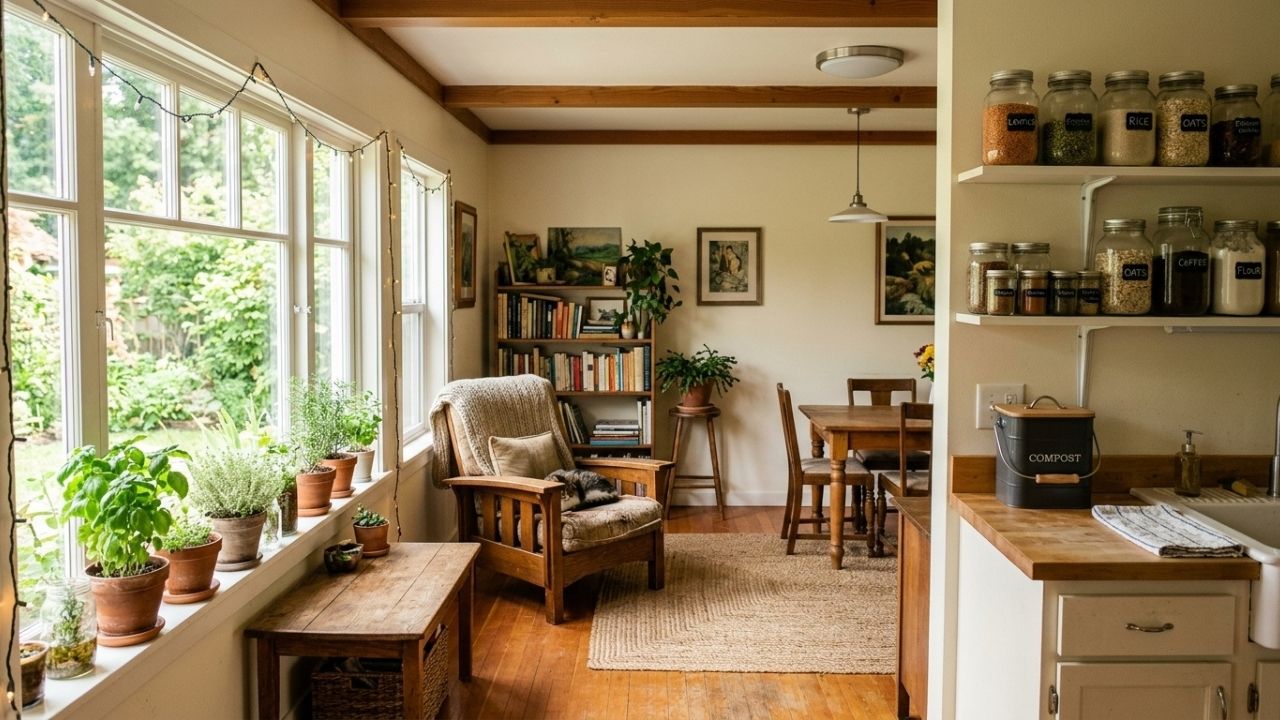
- Begin with a small windowsill herb garden
- Repurpose containers like buckets or old pots for planting
- Choose easy to grow vegetables such as tomatoes, lettuce, or peppers
- Save seeds from produce to plant in future seasons
- Use compost as a free, natural fertilizer
Even a few pots of herbs on a kitchen windowsill can reduce grocery costs and packaging waste over time.
Building Long Term Sustainable Habits
Making a home eco-friendly is not a one time project but an ongoing lifestyle shift. The most successful approach is to start small, focus on habits that fit naturally into daily routines, and gradually build from there.
Tips for Staying Consistent
- Set small, achievable goals rather than trying to change everything at once
- Track utility bills to see the financial impact of changes over time
- Involve the whole household so habits become shared responsibilities
- Celebrate progress, even small wins, to stay motivated
- Continue learning about new low cost sustainable practices
Over time, these small consistent efforts often lead to a home that uses fewer resources, produces less waste, and costs less to maintain.
Final Thoughts
Creating a more eco-friendly home does not require a large budget or a complete lifestyle overhaul. By focusing on simple swaps, mindful habits, and secondhand or repurposed items, anyone can reduce their environmental impact while saving money along the way.
Whether it starts with switching to LED bulbs, fixing a leaky faucet, or starting a small compost bin, every small step contributes to a more sustainable home and a healthier planet.