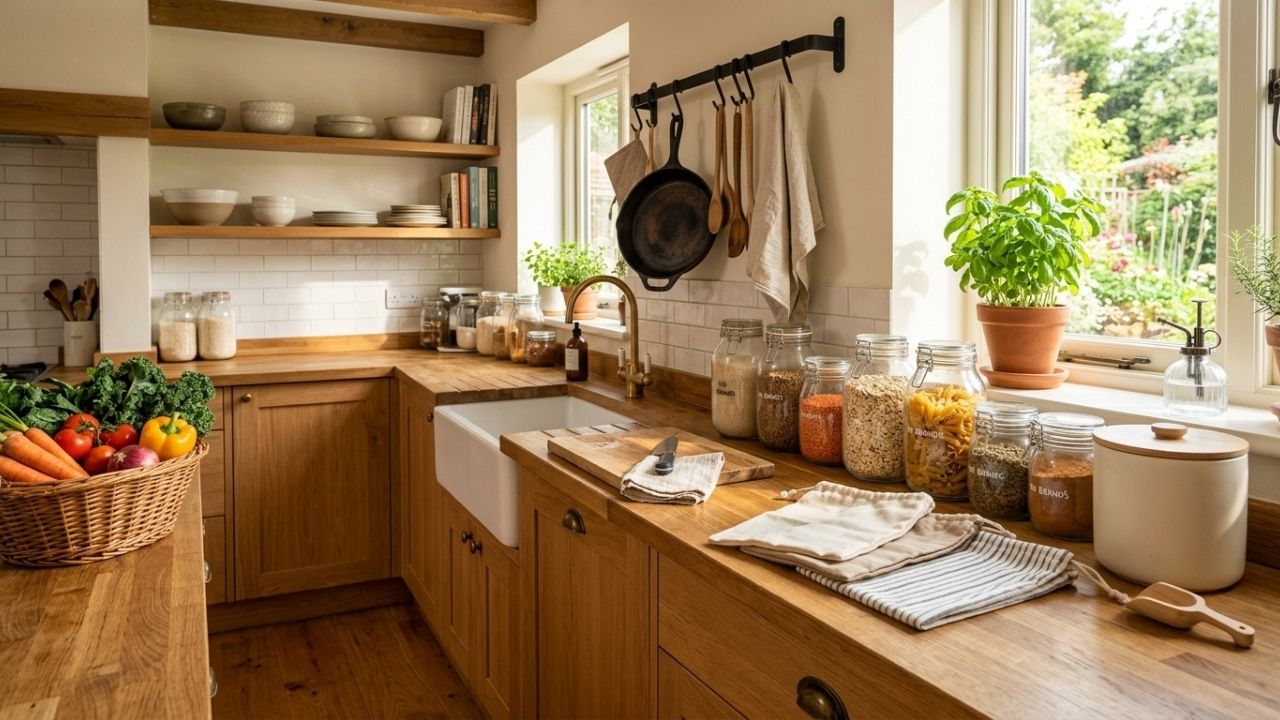
The kitchen is often called the heart of the home, and for good reason. It is where meals are prepared, memories are made, and, unfortunately, where a lot of waste tends to pile up.
From packaging to food scraps to energy-hungry appliances, the kitchen is one of the biggest contributors to a household’s environmental footprint. The good news is that small, thoughtful changes can add up to a significant difference over time.
Anyone interested in living a more sustainable lifestyle will find that the kitchen is a natural place to start. It does not require a complete renovation or a large budget. Many of the most effective changes are simple habits, smart swaps, and a bit of planning. This article walks through practical, achievable ways to make a kitchen more eco-friendly, covering everything from appliances and storage to shopping habits and waste reduction.
Why the Kitchen Matters for Sustainability
Before diving into specific tips, it helps to understand why the kitchen has such an outsized impact on a household’s environmental footprint.
Kitchens use a lot of energy and water. Refrigerators run continuously, ovens and stovetops consume significant power, and dishwashers along with sinks account for a large share of household water use. On top of that, kitchens generate a huge amount of waste, including food scraps, single use plastics, and packaging from groceries.
When someone makes their kitchen more sustainable, they are addressing several environmental issues at once: energy consumption, water usage, plastic pollution, and food waste. That is a lot of impact from one room in the house.
Start With Energy Efficient Appliances
Appliances are often the biggest energy users in the kitchen, so this is a great place to focus attention.
Choose Energy Efficient Models
When it is time to replace an old refrigerator, dishwasher, or oven, look for models with strong energy ratings. Energy efficient appliances use significantly less electricity over their lifespan, which reduces both utility bills and carbon emissions. It is worth comparing energy consumption labels before making a purchase, since the difference between models can be substantial.
Maintain What You Already Have
Not everyone is ready to buy new appliances, and that is perfectly fine. Keeping existing appliances well maintained can improve their efficiency considerably.
- Clean the refrigerator coils regularly so the compressor does not have to work harder than necessary
- Check door seals on the fridge and oven to prevent cool or hot air from escaping
- Defrost the freezer when ice buildup gets thick, since ice buildup forces the appliance to use more energy
- Run the dishwasher only with a full load to make the most of each cycle
Use Small Appliances When Possible
Large appliances like ovens use a lot of energy to heat up. For smaller meals, consider using a toaster oven, air fryer, or microwave instead of firing up a full sized oven. These smaller appliances heat faster and use less power for quick tasks like reheating leftovers or baking a small batch of food.
Reduce Food Waste
Food waste is one of the most overlooked environmental issues connected to the kitchen. When food ends up in a landfill, it breaks down and releases methane, a greenhouse gas that is even more potent than carbon dioxide in the short term.
Plan Meals Ahead of Time
Meal planning is one of the simplest ways to cut down on food waste. When someone knows exactly what they need for the week, they are less likely to overbuy or let ingredients go bad before being used.
- Write a shopping list based on planned meals rather than shopping impulsively
- Check the fridge and pantry before heading to the store to avoid duplicate purchases
- Plan meals that use overlapping ingredients so nothing goes unused
Store Food Properly
Proper storage extends the life of fruits, vegetables, and leftovers, which means less food ends up thrown away.
- Store leafy greens with a paper towel to absorb excess moisture
- Keep fruits and vegetables that release ethylene gas, such as bananas and apples, away from other produce
- Use airtight containers for leftovers to keep them fresh longer
- Label containers with dates so nothing gets forgotten at the back of the fridge
Compost What Cannot Be Used
Even with the best planning, some food scraps are unavoidable. Composting turns these scraps into nutrient rich soil instead of sending them to a landfill. A small countertop compost bin can hold scraps until they are ready to be moved to an outdoor compost pile or a community composting program. For those without outdoor space, many cities now offer curbside composting pickup or drop off locations at farmers markets.
Cut Down on Single Use Plastics
Plastic packaging and single use items are everywhere in a typical kitchen, but there are many ways to reduce reliance on them.
Swap Disposable Items for Reusable Ones
- Replace paper towels with washable cloth towels or rags
- Use beeswax wraps or silicone lids instead of plastic wrap
- Swap plastic sandwich bags for reusable silicone or fabric pouches
- Choose glass or stainless steel containers instead of disposable plastic ones
Rethink Grocery Shopping Habits
The way groceries are purchased has a big impact on the amount of plastic that enters the home.
- Bring reusable produce bags to the store instead of using the thin plastic ones provided
- Shop at bulk bins when available and bring reusable containers or bags
- Choose products packaged in glass, paper, or metal over plastic when possible
- Support local farmers markets, which often use less packaging than large grocery chains
Be Mindful of Water Use
Water conservation is another important piece of an eco-friendly kitchen.
- Fix leaky faucets promptly, since even a small drip wastes a surprising amount of water over time
- Install a low flow aerator on the kitchen faucet to reduce water use without sacrificing pressure
- Avoid running the tap continuously while washing dishes by hand
- Collect water used for rinsing produce and reuse it to water houseplants
Choose Sustainable Cookware and Tools
The materials used for cookware and kitchen tools matter for both health and the environment.
- Cast iron and stainless steel pans tend to last much longer than nonstick options, reducing the need for frequent replacement
- Wooden or bamboo utensils are biodegradable and often more durable than plastic versions
- Natural fiber sponges and brushes break down more easily than synthetic scrubbers
- Glass storage containers can be used for decades, unlike plastic containers that wear out and need replacing
Comparing Common Kitchen Swaps
The table below offers a quick look at some everyday kitchen items and more sustainable alternatives worth considering.
| Common Item | Eco-Friendly Alternative | Why It Helps |
|---|---|---|
| Plastic wrap | Beeswax wrap or silicone lids | Reusable, reduces plastic waste |
| Paper towels | Cloth towels or rags | Washable and reusable |
| Plastic sandwich bags | Silicone or fabric pouches | Reduces single use plastic |
| Nonstick pans | Cast iron or stainless steel | Longer lasting, fewer chemicals |
| Synthetic sponges | Natural fiber sponges or brushes | Biodegradable |
| Disposable coffee filters | Reusable metal or cloth filters | Cuts down on paper waste |
| Plastic produce bags | Reusable mesh or cloth bags | Reduces plastic at checkout |
Shop Smarter and Support Local
The choices made before food even reaches the kitchen play a major role in overall sustainability.
Buy Local and Seasonal
Local and seasonal produce typically travels a shorter distance to reach the table, which means fewer emissions from transportation. Seasonal fruits and vegetables also tend to be fresher and more flavorful, and they often cost less than out of season options that were shipped from far away.
Reduce Meat and Dairy Consumption
Animal products generally have a larger environmental footprint than plant based foods due to the resources required for farming. This does not mean eliminating meat and dairy entirely, but even small reductions, like introducing a few plant based meals each week, can make a difference over time.
Buy Only What Is Needed
Overbuying groceries is one of the leading causes of food waste. Sticking to a list, avoiding shopping while hungry, and being realistic about how much a household will actually eat in a given week all help reduce excess purchases.
Organize the Kitchen for Sustainability
An organized kitchen naturally supports eco-friendly habits.
- Keep a visible inventory of what is in the fridge and pantry so nothing gets forgotten and wasted
- Store older items toward the front so they get used before they expire
- Dedicate a specific spot for reusable bags, containers, and cloth towels so they are easy to grab
- Set up a small recycling and composting station near the trash to make sorting waste effortless
Simple Daily Habits That Add Up
Sustainability in the kitchen is not just about big purchases or renovations. Many of the most effective changes come from small daily habits.
- Turn off the oven a few minutes before food is finished cooking, since residual heat will continue cooking it
- Use lids on pots while cooking to reduce cooking time and energy use
- Match pot size to burner size to avoid wasting heat
- Air dry dishes instead of using the dishwasher’s heated drying cycle
- Keep the fridge at the recommended temperature rather than colder than necessary
Bringing It All Together
Making a kitchen more eco-friendly does not happen overnight, and it does not need to. It is a gradual process built on small, consistent choices. Someone might start by switching to reusable produce bags, then move on to composting food scraps, and eventually invest in more energy efficient appliances when the time is right. Each step reduces waste, saves resources, and often saves money too.
The kitchen touches nearly every part of daily life, which makes it a powerful place to build sustainable habits. Whether the goal is cutting down on plastic, reducing food waste, or simply being more mindful about energy and water use, every small change contributes to a bigger picture of living more lightly on the planet.
Over time, these habits tend to spread naturally into other parts of the home, making the kitchen not just a more sustainable space, but a starting point for a broader eco-friendly lifestyle.