Plastic has quietly worked its way into nearly every corner of modern life. It wraps food, holds cleaning supplies, forms toys, and even hides inside clothing fibers.
For anyone trying to live a more sustainable and eco-friendly lifestyle, cutting back on plastic at home is often one of the first and most rewarding steps to take.
It does not require a complete lifestyle overhaul overnight. Small, consistent changes can add up to a noticeably smaller plastic footprint within just a few months.
This article walks through practical, realistic ways to reduce plastic use at home, room by room and habit by habit, so that anyone can start making a difference right away.
Why Reducing Plastic at Home Matters
Plastic waste has become one of the most visible symbols of environmental strain. Most plastic items are used for a matter of minutes but can persist in the environment for centuries. Much of it never gets properly recycled, and a large portion ends up in landfills, waterways, and oceans, where it breaks down into microplastics that affect wildlife, soil health, and even human health.
Reducing plastic use at home is not just about the environment either. It often leads to:
- Lower household waste and smaller trash bills in areas with pay-as-you-throw systems
- Healthier food storage, since many plastics can leach chemicals into food over time
- A simpler, less cluttered home, since plastic packaging tends to pile up quickly
- Savings over time, as reusable products often replace the need to repurchase disposable ones
Understanding the “why” behind this effort can help make the changes feel meaningful rather than like another chore on a long list.
Start in the Kitchen
The kitchen is usually the biggest source of plastic in any home, from food packaging to storage containers and single-use items. It is also the easiest place to see fast results.
Rethink Food Storage
Plastic containers, sandwich bags, and cling wrap are kitchen staples for many households, but they are also easy to replace.
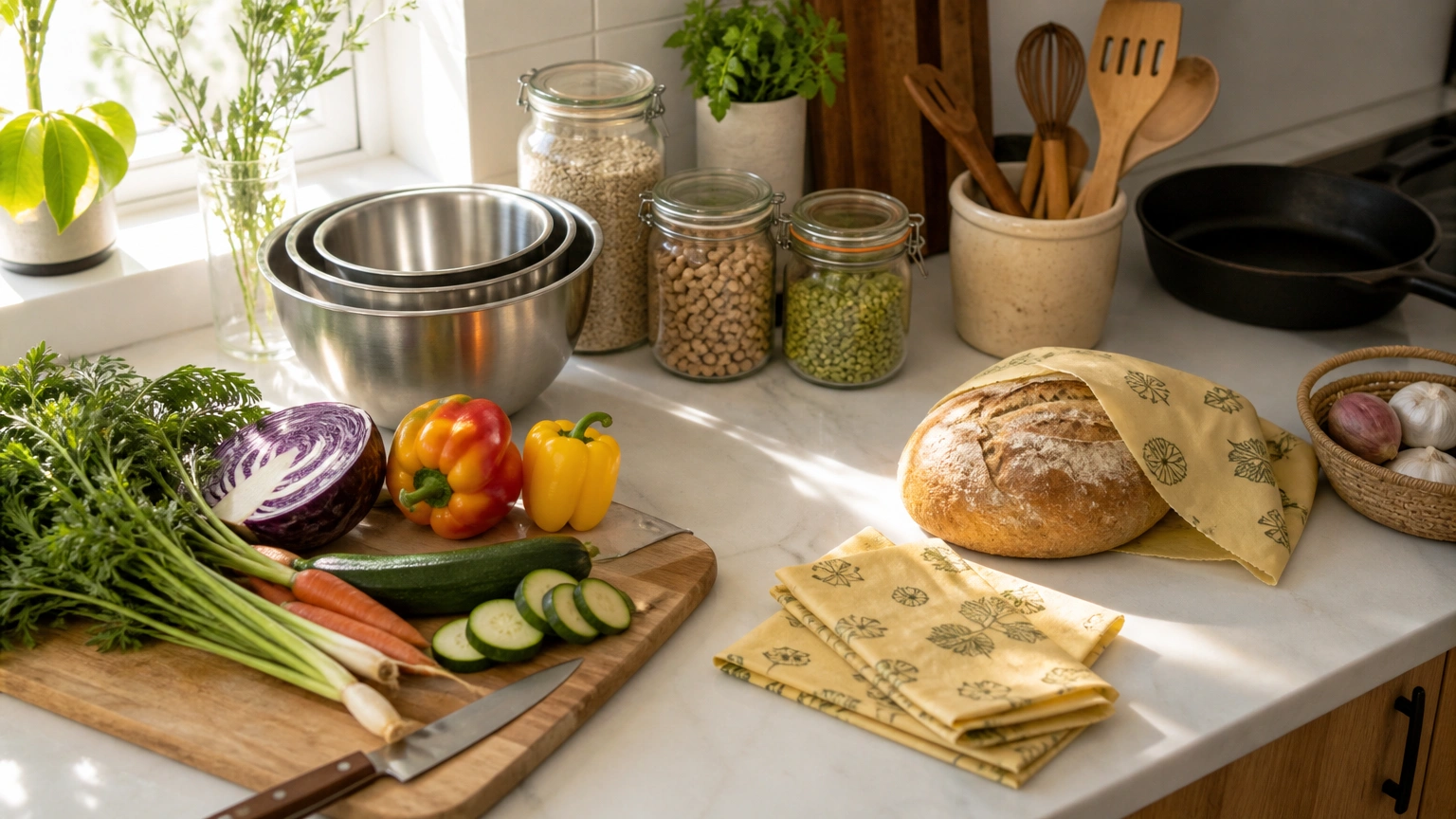
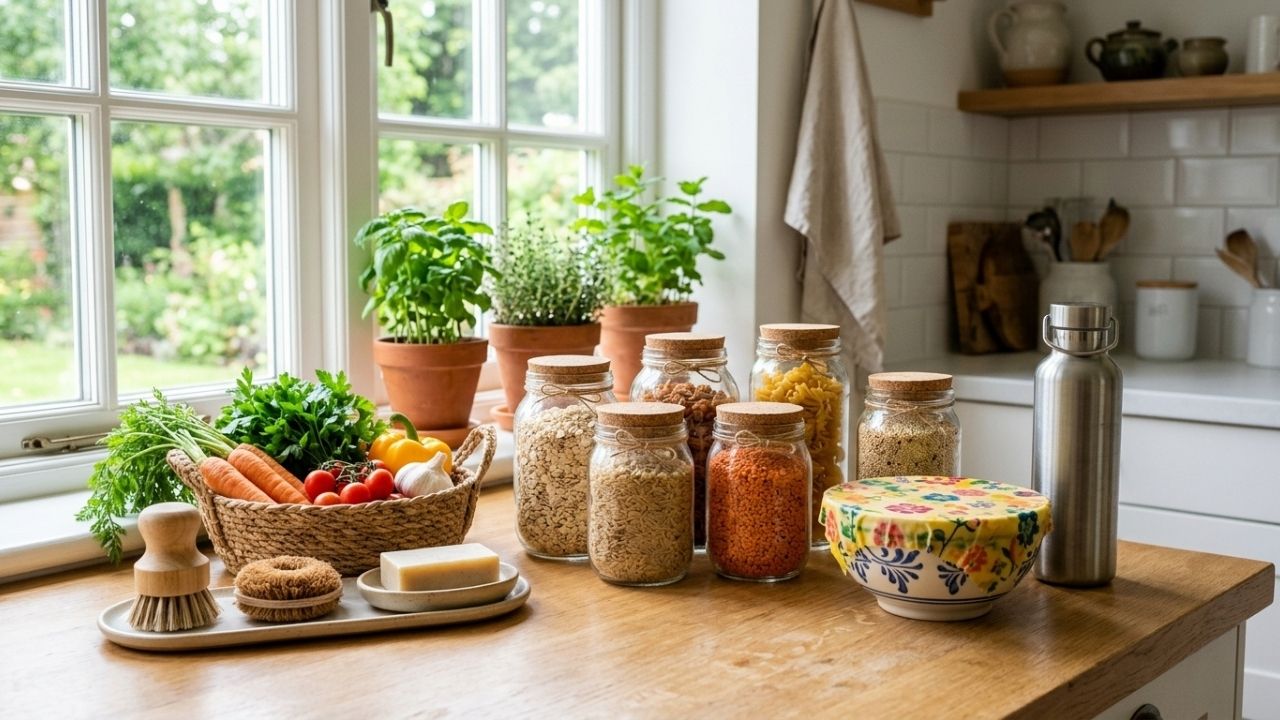
- Swap plastic wrap for beeswax wraps or silicone lids
- Use glass or stainless steel containers instead of plastic ones for leftovers
- Store dry goods like rice, pasta, and flour in glass jars instead of their original plastic packaging
- Replace single-use sandwich bags with reusable cloth or silicone pouches
These swaps do not need to happen all at once. Replacing items gradually, as old plastic containers wear out, is a practical approach that avoids unnecessary waste from discarding still-usable items.
Shop with Less Packaging in Mind
Grocery shopping is one of the biggest contributors to household plastic. A few adjustments at the store can make a real difference.
- Bring reusable produce bags instead of using the thin plastic ones provided
- Choose loose fruits and vegetables over pre-packaged options when possible
- Buy in bulk where available, using your own containers or bags
- Choose products in glass, metal, or paper packaging over plastic when the option exists
- Support local farmers markets, where packaging is often minimal or nonexistent
Cut Down on Single-Use Items
Many kitchens rely heavily on disposable plastic items that are used once and thrown away.
- Replace plastic straws with metal, bamboo, or silicone versions
- Use cloth napkins and towels instead of paper towels wrapped in plastic
- Swap plastic-bristled dish brushes for wooden or compostable alternatives
- Choose refillable soap and detergent dispensers instead of single-use bottles
Reducing Plastic in the Bathroom
Bathrooms are another hotspot for plastic packaging, from shampoo bottles to disposable razors. This room offers some of the most satisfying and visible swaps.
- Choose bar soap and shampoo bars instead of bottled versions
- Replace plastic toothbrushes with bamboo ones
- Use a safety razor with replaceable metal blades instead of disposable plastic razors
- Look for deodorant in cardboard tubes or reusable metal containers
- Choose cotton swabs and cotton rounds made from natural, biodegradable materials
Many personal care brands now offer refill stations or subscription refills, which can significantly cut down on the number of plastic bottles a household goes through each year.
Rethinking the Laundry Room
Laundry might not be the first place people think of when it comes to plastic reduction, but it holds real potential for change.
- Choose laundry detergent sheets or powder in cardboard boxes instead of liquid detergent in plastic jugs
- Use wool dryer balls instead of dryer sheets, which are often coated in synthetic materials
- Install a washing machine filter or use a laundry bag designed to catch microplastic fibers released from synthetic fabrics
- Repair clothing instead of replacing it, which reduces the demand for new synthetic textiles
Living Room and General Household Habits
Plastic is not limited to consumable products. It also shows up in furniture, electronics, and everyday household items.
Choose Durable Over Disposable
When purchasing new items for the home, favor durability over convenience.
- Choose wooden, metal, or glass furniture and decor instead of plastic alternatives
- Invest in quality items that last for years rather than cheaper plastic versions that need frequent replacing
- Repair broken items when possible instead of throwing them away
Rethink Storage and Organization
Storage bins and organizers are often made entirely of plastic, but there are more sustainable options available.
- Use woven baskets made from natural fibers for storage
- Choose metal or wooden shelving units
- Repurpose glass jars for organizing small items like office supplies or craft materials
A Simple Comparison of Common Plastic Swaps
The table below offers a quick reference for some of the easiest and most impactful plastic swaps to make at home.
| Common Plastic Item | Eco-Friendly Alternative | Where to Use It |
|---|---|---|
| Plastic wrap | Beeswax wrap or silicone lids | Kitchen, food storage |
| Plastic water bottles | Stainless steel or glass bottle | Kitchen, on the go |
| Plastic sandwich bags | Reusable silicone or cloth pouches | Kitchen, lunches |
| Plastic shampoo bottles | Shampoo bars | Bathroom |
| Plastic razors | Safety razor with metal blades | Bathroom |
| Plastic dryer sheets | Wool dryer balls | Laundry room |
| Plastic laundry jugs | Detergent sheets or powder in cardboard | Laundry room |
| Plastic storage bins | Woven baskets or metal containers | Living room, closets |
| Plastic toothbrush | Bamboo toothbrush | Bathroom |
| Plastic grocery bags | Reusable cloth or canvas bags | Shopping |
Building Long-Term Habits
Reducing plastic use at home works best as a gradual process rather than a single sweeping change. Trying to eliminate every piece of plastic overnight can feel overwhelming and often leads to burnout. Instead, focusing on sustainable habits tends to create lasting change.
Start Small and Build Momentum
Choosing one or two areas to focus on first, such as the kitchen or bathroom, makes the process feel manageable. Once those changes feel natural, it becomes easier to expand into other areas of the home.
Involve the Whole Household
Getting family members or roommates involved helps reduce plastic use more effectively than trying to manage it alone. Simple conversations about why these changes matter can turn a solo effort into a shared household habit.
Track Progress Without Obsessing Over Perfection
It can help to notice small wins along the way, such as a lighter trash bag each week or fewer plastic bottles in the recycling bin. Perfection is not the goal. Even modest, consistent reductions in plastic use make a meaningful difference over time.
What to Do with Plastic That Is Already in the Home
Reducing plastic use does not mean throwing away every plastic item currently in the house. In many cases, the most sustainable choice is to use existing plastic items until they wear out, rather than discarding something still functional simply because it is made of plastic.
- Continue using existing plastic containers for storage instead of buying new alternatives right away
- Repurpose plastic jars and containers for organizing, gardening, or crafts
- Donate plastic items that are still in good condition instead of throwing them away
- Recycle plastic responsibly by checking local guidelines, since not all plastics are accepted in every recycling program
Common Challenges and How to Handle Them
Many people run into a few common obstacles when trying to reduce plastic use at home. Recognizing these challenges ahead of time can make the transition smoother.
- Cost concerns: Some reusable products have a higher upfront cost. Focusing on items that will be used daily, like water bottles or shopping bags, helps ensure the investment pays off over time.
- Limited access to bulk or package-free stores: Not every area has these options nearby. In that case, prioritizing packaging materials, such as choosing glass or paper over plastic, is a practical alternative.
- Time constraints: Habits like meal prepping with reusable containers or shopping with a list can help make sustainable choices feel less time-consuming over time.
- Family resistance: Introducing changes gradually and explaining the benefits in simple terms often helps everyone adjust more comfortably.
Final Thoughts
Reducing plastic use at home is one of the most practical ways to live a more sustainable, eco-friendly lifestyle. It does not require perfection or an all-at-once transformation. Instead, it is built through small, intentional choices in the kitchen, bathroom, laundry room, and beyond.
Over time, these changes add up to less waste, healthier daily habits, and a home that reflects a genuine commitment to caring for the environment.
Every reusable bag, glass jar, or bar of soap chosen over a plastic bottle is a small step toward a bigger goal. With patience and consistency, reducing plastic use at home becomes less of an effort and more of a natural part of everyday living.