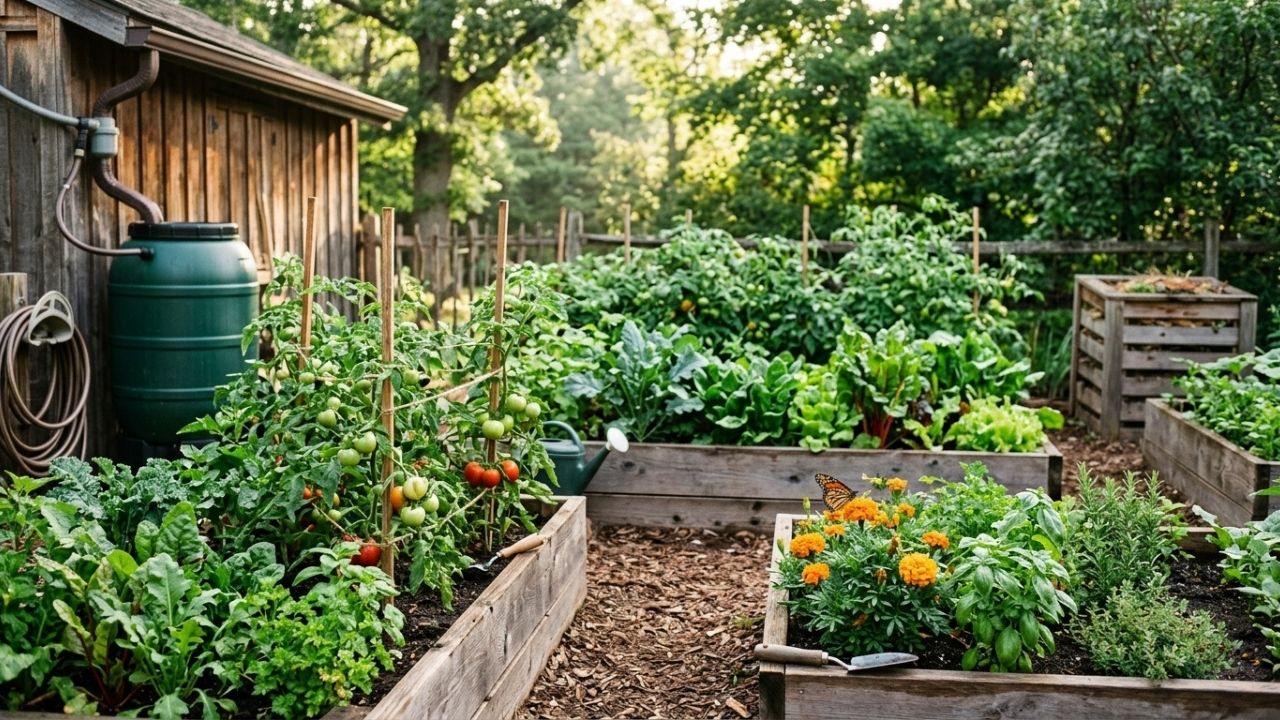
Growing a vegetable garden is one of the most rewarding ways to live a more sustainable life. It reduces reliance on store-bought produce, cuts down on plastic packaging, and gives people a direct connection to the food they eat.
For anyone who cares about the environment, an eco-friendly vegetable garden is more than a hobby. It is a small but meaningful step toward reducing waste, conserving water, and supporting local ecosystems.
Starting a garden that is both productive and environmentally responsible does not require expert knowledge or a large budget. With a bit of planning and the right habits, anyone can grow fresh vegetables while protecting the soil, wildlife, and natural resources around them. This guide walks through everything a beginner needs to know to start an eco-friendly vegetable garden from the ground up.
Why Choose an Eco-Friendly Approach to Gardening
Traditional gardening methods often rely on synthetic fertilizers, chemical pesticides, and wasteful water practices. These choices can harm soil health, pollute waterways, and reduce biodiversity. An eco-friendly approach flips that script by working with nature instead of against it.
Some of the biggest benefits of eco-friendly gardening include:
- Healthier soil that supports plant growth for years to come
- Reduced water waste through smart irrigation and mulching
- Fewer harmful chemicals entering the air, soil, and water supply
- A safer habitat for pollinators like bees and butterflies
- Lower grocery bills and less reliance on store-bought produce
- A smaller carbon footprint from reduced transportation of food
Choosing sustainable methods from the very beginning makes it easier to maintain a thriving garden without creating unnecessary environmental harm.
Step 1: Choose the Right Location
The first step in starting any vegetable garden is picking the right spot. Vegetables need plenty of sunlight, so a location that gets at least six to eight hours of direct sun each day is ideal.
What to Look For in a Garden Spot
- Good sunlight exposure throughout the day
- Access to a water source nearby to avoid long hose runs
- Soil that drains well and does not pool water after rain
- Protection from strong winds that can damage young plants
- Enough space to allow for future expansion
Small spaces should not discourage anyone from starting. Raised beds, containers, and vertical gardening structures can all be used effectively in tight yards, balconies, or patios.
Step 2: Test and Improve the Soil Naturally
Healthy soil is the foundation of any successful vegetable garden. Before planting, it helps to understand what type of soil is already present and what it needs.
Simple Ways to Test Soil at Home
- Squeeze a handful of moist soil. If it holds together but crumbles easily, the texture is likely balanced.
- Watch how quickly water drains after rain. Standing water may signal poor drainage.
- Look at the color. Darker soil often contains more organic matter.
Once the soil type is understood, it can be improved without synthetic products. Compost is one of the most effective and eco-friendly ways to enrich soil naturally. It adds nutrients, improves structure, and encourages beneficial microorganisms.
Natural Soil Boosters
- Homemade compost from kitchen scraps and yard waste
- Aged manure from herbivores such as cows, chickens, or rabbits
- Leaf mold made from decomposed fallen leaves
- Cover crops like clover or vetch that replenish nutrients when tilled back into the soil
Avoiding synthetic fertilizers helps protect nearby water sources from chemical runoff and keeps the soil ecosystem balanced over time.
Step 3: Start a Compost System
Composting is one of the easiest ways to reduce household waste while creating free, nutrient-rich material for the garden. Instead of sending vegetable peels, coffee grounds, and yard clippings to a landfill, they can be turned into valuable soil food.
What Can Be Composted
- Fruit and vegetable scraps
- Coffee grounds and tea leaves
- Eggshells
- Grass clippings and dry leaves
- Shredded cardboard and paper
What Should Be Avoided in a Compost Pile
- Meat, dairy, and oily foods
- Diseased plants
- Pet waste
- Glossy or coated paper products
A basic compost bin can be built from repurposed wood pallets or wire fencing, keeping the entire process low cost and sustainable.
Step 4: Choose Seeds and Plants Wisely
The type of seeds chosen can make a big difference in how eco-friendly a garden truly is. Organic, non-GMO seeds are generally the most sustainable choice because they support biodiversity and avoid the chemical-intensive processes often used in conventional seed production.
Tips for Choosing Garden Plants
- Select vegetables that are well suited to the local climate
- Choose heirloom varieties to preserve genetic diversity
- Start with easy crops like lettuce, beans, tomatoes, and zucchini for first-time gardeners
- Consider native or drought-tolerant companion plants to reduce water needs
Buying from local seed swaps or exchanges is another great way to reduce packaging waste and support community gardening efforts.
Step 5: Practice Water-Wise Gardening
Water conservation is a major part of sustainable gardening. Using water efficiently helps protect local water supplies while keeping plants healthy.
Ways to Conserve Water in the Garden
- Water early in the morning or late in the evening to reduce evaporation
- Use drip irrigation or soaker hoses instead of overhead sprinklers
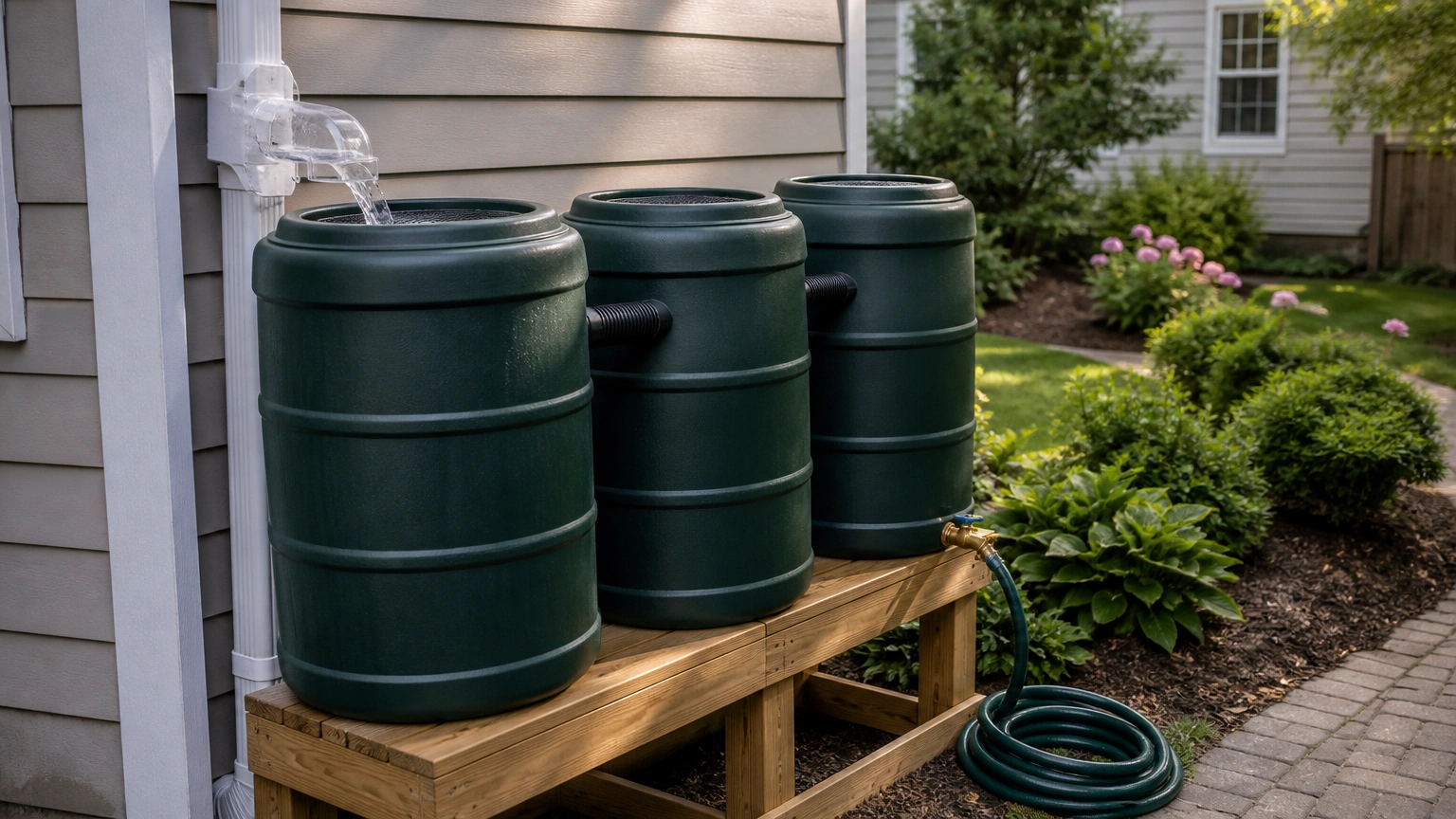
- Collect rainwater in barrels for later use
- Apply mulch around plants to retain soil moisture
- Group plants with similar water needs together
Mulching is especially effective. A few inches of organic mulch, such as straw or shredded leaves, can significantly reduce how often a garden needs watering while also suppressing weeds.
Step 6: Manage Pests the Natural Way
Chemical pesticides can harm beneficial insects, pollinators, and soil organisms. An eco-friendly garden relies on natural pest management strategies instead.
Natural Pest Control Methods
- Introduce beneficial insects like ladybugs and lacewings that eat harmful pests
- Use companion planting, such as marigolds near tomatoes, to repel unwanted insects
- Handpick larger pests like caterpillars or beetles
- Create homemade sprays using ingredients like soap and water for mild infestations
- Rotate crops each season to prevent pest buildup in the soil
Encouraging a diverse garden ecosystem often keeps pest problems in check naturally, without the need for harsh chemicals.
Step 7: Support Pollinators and Wildlife
Bees, butterflies, and other pollinators play a critical role in vegetable production. Supporting them is one of the most impactful things a gardener can do for the environment.
How to Attract Pollinators
- Plant a variety of flowering plants alongside vegetables
- Avoid pesticide use, especially during blooming periods
- Provide a shallow water source for insects and birds
- Leave a small section of the garden a bit wild to offer shelter
A pollinator-friendly garden not only benefits the environment but often leads to better vegetable yields as well.
Eco-Friendly Gardening Practices at a Glance
| Practice | Environmental Benefit | Simple Way to Start |
|---|---|---|
| Composting | Reduces landfill waste and enriches soil | Start a small bin with kitchen scraps |
| Rainwater collection | Conserves fresh water supplies | Place a barrel under a downspout |
| Companion planting | Naturally deters pests | Plant marigolds near vegetables |
| Mulching | Retains moisture and reduces weeds | Add straw or leaves around plants |
| Crop rotation | Prevents soil depletion | Change vegetable families each season |
| Native plant borders | Supports pollinators | Add wildflowers around the garden edge |
Step 8: Choose Sustainable Garden Materials
The materials used to build and maintain a garden also affect its overall environmental impact. Choosing sustainable options helps reduce waste and avoid unnecessary plastic use.
Eco-Friendly Material Choices
- Reclaimed wood for raised garden beds
- Biodegradable pots made from materials like coconut coir or paper
- Recycled containers repurposed as planters
- Natural fiber twine instead of plastic ties
- Hand tools built to last rather than cheap disposable versions
Choosing durable, long-lasting materials reduces the need for frequent replacements and keeps waste out of landfills.
Step 9: Practice Seasonal and Sustainable Harvesting
Harvesting vegetables at the right time not only improves flavor but also supports the plant’s long-term health and productivity.
Tips for Sustainable Harvesting
- Harvest regularly to encourage continued production
- Use clean, sharp tools to avoid damaging plants
- Save seeds from healthy plants for future planting
- Share extra produce with neighbors or local food banks to reduce waste
Seed saving is a particularly valuable habit. It reduces the need to buy new seeds every year and helps preserve plant varieties that are well adapted to local growing conditions.
Common Mistakes to Avoid
Even well-intentioned gardeners can make choices that reduce sustainability. Being aware of common pitfalls helps keep a garden truly eco-friendly.
- Overwatering, which wastes water and can drown plant roots
- Using synthetic fertilizers that harm soil organisms over time
- Ignoring soil health and focusing only on plant appearance
- Planting invasive species that outcompete native plants
- Throwing away compostable scraps instead of composting them
Avoiding these mistakes helps ensure that a garden remains both productive and environmentally responsible for years to come.
Building Long-Term Sustainable Habits
Starting an eco-friendly vegetable garden is just the beginning. Maintaining sustainable habits over time is what creates lasting environmental benefits.
Habits That Support Long-Term Success
- Keep a gardening journal to track what works each season
- Continue learning about local climate and soil conditions
- Expand composting efforts as confidence grows
- Involve family members or neighbors to build a shared sense of responsibility
- Reflect each season on what could be done more sustainably
Small, consistent efforts often lead to the biggest long-term impact. A garden that starts small can grow into a thriving, self-sustaining ecosystem over just a few seasons.
Final Thoughts
Starting an eco-friendly vegetable garden is a practical and fulfilling way to live more sustainably. By choosing the right location, improving soil naturally, conserving water, and supporting pollinators, anyone can grow fresh produce while protecting the environment. The process does not need to be perfect from day one. Every small change, from composting kitchen scraps to skipping chemical pesticides, adds up to a healthier planet and a more rewarding gardening experience.
With patience and consistency, an eco-friendly vegetable garden can become a source of fresh food, personal satisfaction, and a lasting positive impact on the environment.