
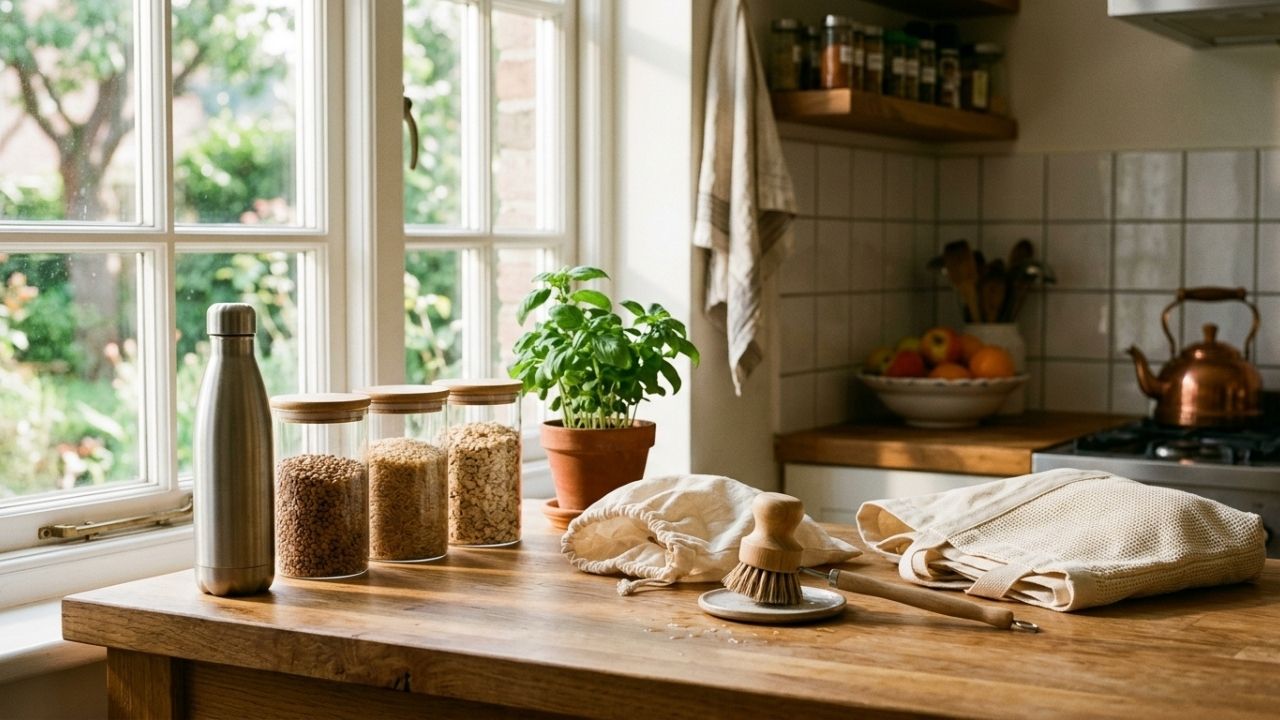
Many people want to live in a way that is kinder to the planet, but the idea of “going green” can feel overwhelming at first. The good news is that nobody needs to change everything overnight. Living a more sustainable life is really about making small, consistent choices that add up over time.
Whether someone is just beginning to think about their environmental impact or looking to deepen habits already in place, there are countless practical ways to start.
This article breaks down simple, realistic steps anyone can take to build a more eco-friendly lifestyle, from the kitchen to the closet to daily transportation choices.
Why Living Sustainably Matters
Every choice a person makes, from what they eat to how they get to work, has some kind of environmental footprint. Individually, these choices might seem small. Collectively, they shape demand for resources, energy, and manufacturing that affects the health of the planet.
Living more sustainably isn’t about achieving perfection. It’s about reducing waste, conserving resources, and making thoughtful decisions that support a healthier environment for future generations. People who adopt eco-friendly habits often find that the lifestyle also saves money, improves personal health, and creates a greater sense of purpose in daily routines.
Start With Small, Manageable Changes
One of the biggest mistakes people make when trying to live more sustainably is attempting to overhaul their entire lifestyle at once. This approach often leads to burnout and frustration. Instead, experts recommend starting small and building momentum.
Pick One Area to Focus On First
Rather than trying to fix everything at once, it helps to choose a single area of life to improve first. This could be:
- Reducing single-use plastics in the kitchen
- Cutting down on food waste
- Switching to reusable shopping bags
- Conserving water at home
- Choosing more sustainable transportation
Once a new habit feels natural, it becomes much easier to add another one. This gradual approach makes the transition sustainable in itself, both for the planet and for personal motivation.
Rethink Everyday Habits at Home
The home is often the easiest place to begin an eco-friendly journey because small adjustments can make a noticeable difference in energy use, water consumption, and waste.
Reduce Energy Consumption
Household energy use is one of the largest contributors to a person’s carbon footprint. Simple changes can lower both energy bills and environmental impact.
- Switch to energy-efficient LED light bulbs
- Unplug electronics and chargers when not in use
- Use natural light during the day instead of artificial lighting
- Wash clothes in cold water when possible
- Set the thermostat a few degrees lower in winter and higher in summer
Conserve Water
Water conservation is another simple but powerful habit. Taking shorter showers, fixing leaky faucets, and installing low-flow showerheads can significantly cut water usage without sacrificing comfort.
Reduce, Reuse, Recycle in That Order
Many people jump straight to recycling, but the most effective approach follows a specific order of priority. Reducing consumption in the first place has the biggest impact, followed by reusing items, and finally recycling what cannot be reduced or reused.
- Reduce what is bought and consumed
- Reuse containers, jars, and bags whenever possible
- Repurpose old items instead of throwing them away
- Recycle materials properly according to local guidelines
- Compost food scraps and yard waste when possible
Make Sustainable Choices in the Kitchen
Food choices play a major role in environmental impact, from how food is grown to how it’s packaged and transported.
Reduce Food Waste
Food waste is a significant contributor to greenhouse gas emissions when it ends up in landfills. Planning meals ahead of time, storing food properly, and using leftovers creatively can help reduce waste considerably.
- Plan weekly meals before grocery shopping
- Store fruits and vegetables properly to extend freshness
- Freeze extra portions instead of throwing them out
- Use vegetable scraps to make broth or compost
- Shop with a list to avoid impulse purchases
Choose More Plant-Based Meals
Eating more plant-based meals, even just a few times a week, can reduce the environmental footprint associated with meat and dairy production. This doesn’t mean giving up meat entirely. Simply incorporating more vegetables, legumes, and grains into weekly meals can make a difference.
Shop Local and Seasonal
Buying food that is grown locally and in season reduces the emissions associated with long-distance transportation. Farmers markets and community-supported agriculture programs are great ways to access fresh, local produce while supporting small farms.
Shift Toward Sustainable Shopping Habits
Consumer choices have a ripple effect on the environment, from the raw materials used in products to the packaging they arrive in.
Buy Less, Choose Well
A more sustainable approach to shopping often means buying fewer items but choosing ones that are higher quality and built to last. This reduces the demand for fast fashion and disposable goods that quickly end up in landfills.
Support Sustainable Brands and Practices
When shopping, it helps to look for products made with recycled materials, sustainable packaging, or ethical manufacturing practices. Secondhand shopping, thrift stores, and clothing swaps are also excellent ways to reduce waste while still updating a wardrobe or home.
Bring Reusable Items
Small reusable items can significantly cut down on single-use waste over time.
- Reusable shopping bags for groceries
- Reusable water bottles and coffee cups
- Cloth produce bags for fruits and vegetables
- Reusable food storage containers instead of plastic wrap
- Cloth napkins instead of paper ones
Rethink Transportation Choices
Transportation is one of the largest sources of individual carbon emissions, but there are many ways to reduce this impact without completely changing one’s lifestyle.
- Walk or bike for short trips when possible
- Use public transportation instead of driving alone
- Carpool with coworkers, friends, or neighbors
- Combine errands into a single trip to save fuel
- Consider a fuel-efficient or electric vehicle for future purchases
Even small shifts, like biking to a nearby store instead of driving, can add up to meaningful reductions in emissions over time.
Bring Sustainability Into the Workplace
Eco-friendly habits don’t have to stop at home. Many people spend a large portion of their day at work, making it another valuable place to practice sustainability.
- Bring a reusable water bottle and coffee mug
- Print only when necessary and use both sides of paper
- Encourage recycling bins in common areas
- Suggest energy-saving practices like turning off lights and equipment
- Support remote or hybrid work when possible to reduce commuting
Comparing Common Eco-Friendly Swaps
Making the switch from everyday disposable products to reusable alternatives is one of the simplest ways to reduce waste. The table below highlights a few common swaps and their benefits.
| Disposable Item | Eco-Friendly Alternative | Key Benefit |
|---|---|---|
| Plastic water bottles | Reusable stainless steel or glass bottle | Reduces plastic waste and saves money over time |
| Paper towels | Reusable cloth towels | Cuts down on paper waste |
| Plastic shopping bags | Reusable cloth or canvas bags | Reduces plastic pollution |
| Disposable razors | Safety razor with replaceable blades | Less plastic waste in landfills |
| Plastic food wrap | Beeswax wraps or reusable containers | Reduces single-use plastic |
| Single-use coffee cups | Reusable coffee cup or thermos | Reduces landfill waste and often saves money |
Building Sustainable Habits That Last
Creating lasting change requires patience and consistency. It helps to set realistic goals and celebrate progress along the way rather than aiming for perfection.
Track Progress Without Pressure
Keeping a simple habit tracker or journal can help someone notice how far they’ve come. Instead of focusing on what hasn’t been done yet, it’s helpful to recognize the positive changes already made, no matter how small they seem.
Involve Family and Friends
Sustainability often becomes easier and more enjoyable when shared with others. Encouraging family members to participate in recycling, meal planning, or reducing waste can turn eco-friendly living into a shared household value rather than a solo effort.
Stay Informed and Adaptable
Sustainable living is an ongoing learning process. New products, practices, and information are constantly emerging, so staying curious and open to adjusting habits over time can help someone continue improving their impact.
Common Mistakes to Avoid
While enthusiasm for sustainable living is a great starting point, there are a few common pitfalls worth being aware of.
- Trying to change everything at once and feeling overwhelmed
- Buying new “eco-friendly” products before using up what’s already owned
- Focusing only on recycling while ignoring reducing and reusing
- Comparing personal progress to others instead of focusing on steady improvement
- Giving up after a setback instead of simply starting again
Recognizing these mistakes ahead of time can help someone stay motivated and avoid unnecessary frustration on their sustainability journey.
Final Thoughts
Living a more eco-friendly lifestyle doesn’t require drastic changes overnight. It’s about making thoughtful choices, one habit at a time, that align with a greater respect for the environment. From small swaps in the kitchen to mindful transportation choices, every step counts toward a more sustainable future.
The most important part of this journey is simply getting started. Progress, not perfection, is what truly makes a difference over time. As more people adopt these habits, even in small ways, the collective impact grows, proving that everyday choices really can help protect the planet for generations to come.



