
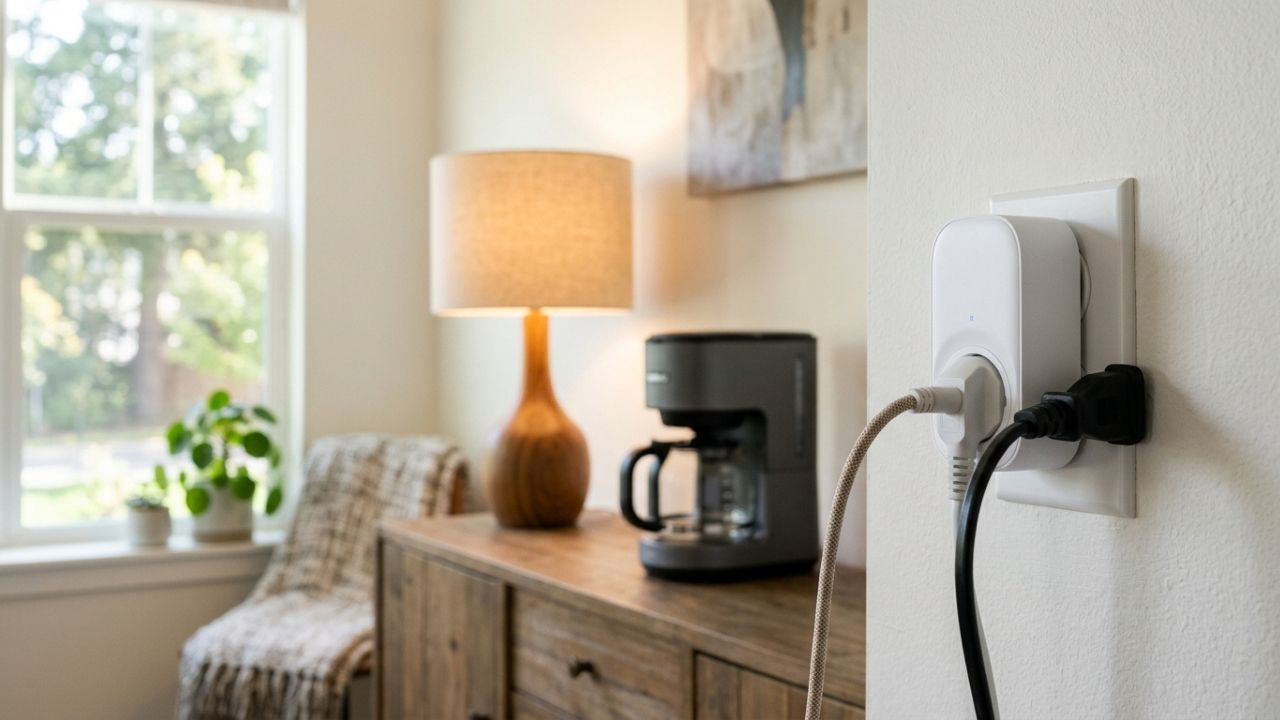
Anyone who has looked at a rising electricity bill and wondered where all that energy went has probably heard about smart plugs. These small, affordable devices have quietly become one of the easiest entry points into a more sustainable and eco-conscious home.
For someone who cares about lowering their carbon footprint without overhauling their entire house, smart plugs offer a simple, practical solution that fits into almost any budget or lifestyle.
Energy waste is a bigger problem than most people realize. Household appliances, chargers, and electronics often continue to draw power even when they are turned off or not in active use.
This hidden drain, sometimes called phantom load or vampire power, can account for a noticeable chunk of a monthly energy bill. Smart plugs directly address this issue by giving homeowners control and visibility over exactly how and when their devices use electricity.
What Exactly Is a Smart Plug
A smart plug is a small adapter that fits between a wall outlet and an electronic device. Once connected to a home Wi-Fi network, it allows the user to control that device remotely through a smartphone app or voice assistant. Instead of physically walking over to unplug a lamp, coffee maker, or space heater, a smart plug lets someone do it from their phone, whether they are in the next room or halfway across town.
Most smart plugs are compact, easy to install, and require no special wiring or electrician visit. They simply plug into an existing outlet, and the appliance or device plugs into the smart plug itself. From there, everything is managed through an app that connects to the home network.
Key Features Found in Most Smart Plugs
- Remote on and off control through a mobile app
- Scheduling features that automate when devices power on or off
- Energy monitoring tools that track how much electricity a device uses
- Voice assistant compatibility for hands-free control
- Timers that shut off devices after a set period
The Connection Between Smart Plugs and Energy Waste
Energy waste often happens without anyone noticing. A phone charger left plugged in overnight, a television that stays on standby all day, or a space heater that runs longer than necessary all contribute to unnecessary electricity consumption. Smart plugs help solve this problem by making it possible to automate and monitor these everyday habits.
Eliminating Phantom Power Draw
Many electronics continue to pull a small amount of electricity even when switched off, as long as they remain plugged into an outlet. This is especially common with devices that have standby modes, remote controls, or digital displays, such as televisions, gaming consoles, and microwaves. Over time, this phantom power draw adds up across an entire household.
A smart plug can completely cut power to a device when it is not in use, rather than leaving it in a low power standby state. This means the appliance uses zero electricity until it is intentionally turned back on, closing the gap that phantom power usually slips through.
Encouraging Better Daily Habits
It is easy to forget to turn off a curling iron, unplug a space heater, or shut down a home office setup at the end of the day. Smart plugs remove the burden of remembering by allowing schedules and automations to handle it instead. Someone can set their living room lamp to automatically turn off at midnight or have their coffee maker shut down thirty minutes after it turns on, reducing the chances of devices running longer than needed.
Making Energy Use Visible
One of the most powerful aspects of smart plugs is the ability to actually see how much energy a device consumes. Many models come with built in energy monitoring that tracks usage in real time and provides reports over days, weeks, or months. This visibility helps people understand which appliances are the biggest energy users in their home, allowing them to make more informed decisions about upgrades, usage habits, or replacements.
Everyday Devices That Benefit Most From Smart Plugs
While smart plugs can technically be used with almost any plugged in device, some appliances offer bigger energy savings than others. Focusing on high impact devices first can help someone get the most benefit from their investment.
- Space heaters and portable fans that are often left running unattended
- Televisions and entertainment systems that draw standby power
- Coffee makers and small kitchen appliances
- Home office equipment like printers, monitors, and desktop computers
- Holiday lighting and seasonal decorations
- Chargers for laptops, phones, and other electronics
- Aquarium or pet related equipment that runs on a schedule
Setting Up a Smart Plug for Maximum Efficiency
Getting started with a smart plug is fairly straightforward, but there are a few steps that can help someone use it more effectively for energy savings rather than just convenience.
Step-by-Step Setup Overview
- Choose a smart plug that is compatible with the home Wi-Fi network and preferred voice assistant, if applicable
- Plug the smart plug into a wall outlet and connect the desired appliance to it
- Download the manufacturer’s app and follow the pairing instructions
- Create a simple, descriptive name for each plug so it is easy to identify in the app
- Set up schedules based on actual daily routines rather than guesswork
- Review energy usage reports weekly to spot patterns or unusually high consumption
Taking a little extra time during setup to create realistic schedules, rather than just turning devices on and off manually, is what turns a smart plug from a novelty gadget into an actual energy saving tool.
Comparing Smart Plugs to Traditional Power Strips
Traditional power strips have long been used to manage multiple devices, but they lack the intelligence and automation that smart plugs provide. The table below highlights some of the key differences.
| Feature | Traditional Power Strip | Smart Plug |
|---|---|---|
| Remote control | Not available | Available through app or voice assistant |
| Scheduling | Not available | Fully customizable schedules |
| Energy monitoring | Not available | Often included, tracks real time usage |
| Phantom power elimination | Requires manual switch off | Can be automated |
| Voice assistant integration | Not available | Common feature |
| Setup difficulty | Very simple | Simple, requires app and Wi-Fi |
| Cost | Lower upfront cost | Slightly higher upfront cost |
While a basic power strip is cheaper initially, the long term energy savings and convenience offered by smart plugs often make up for the difference in cost, especially when used consistently across several devices in a home.
Smart Plugs and the Bigger Picture of Sustainable Living
For someone genuinely interested in reducing their environmental impact, small changes often add up to something meaningful. Smart plugs are not going to single handedly solve climate change, but they represent an accessible and low effort way to reduce unnecessary electricity consumption, which in turn can lower demand on power grids that often rely on fossil fuels.
Reducing Reliance on Fossil Fuel Powered Grids
In many regions, electricity is still generated using coal, natural gas, or other fossil fuels. Every bit of electricity that is not wasted on idle devices is electricity that does not need to be generated in the first place. While one household using smart plugs will not dramatically shift national energy demand, widespread adoption across many homes can contribute to a meaningful reduction in overall consumption.
Supporting a Mindful Relationship With Technology
Beyond the direct energy savings, smart plugs encourage people to become more aware of their consumption habits in general. Once someone starts seeing exactly how much energy their coffee maker or television uses, they often become more mindful of other areas of their life where waste might be occurring, whether that is water usage, food waste, or unnecessary purchases.
Potential Limitations to Keep in Mind
Smart plugs are a helpful tool, but they are not a perfect solution for everyone. Being aware of some of their limitations can help set realistic expectations.
- They require a stable Wi-Fi connection to function properly with remote features
- Some models are not compatible with high wattage appliances like large space heaters or air conditioners
- Initial setup can be mildly technical for those less comfortable with apps and smart home systems
- They add another electronic device to the home, which has its own manufacturing footprint
- Ongoing app updates or subscription requirements, in rare cases, can add friction to long term use
Choosing well reviewed, reliable smart plugs and using them for appliances that genuinely benefit from automation can help minimize these downsides while maximizing the environmental and financial benefits.
Tips for Choosing the Right Smart Plug
With so many options available, selecting the right smart plug can feel overwhelming. A few practical considerations can help narrow down the choices.
- Check the wattage rating to ensure it can safely handle the intended appliance
- Look for models with built in energy monitoring if tracking usage is a priority
- Confirm compatibility with existing smart home systems or voice assistants
- Read reviews focused on long term reliability rather than just initial impressions
- Consider indoor versus outdoor rated plugs depending on where they will be used
Final Thoughts on Smart Plugs and Energy Waste
Smart plugs offer a practical, low barrier way for people to take more control over their household energy use. By eliminating phantom power draw, automating schedules, and providing clear visibility into consumption patterns, these small devices help reduce unnecessary waste without requiring major lifestyle changes or expensive home renovations.
For anyone on a journey toward more sustainable living, adding a few smart plugs to frequently used appliances is a simple, effective step that pays off both environmentally and financially over time.



