
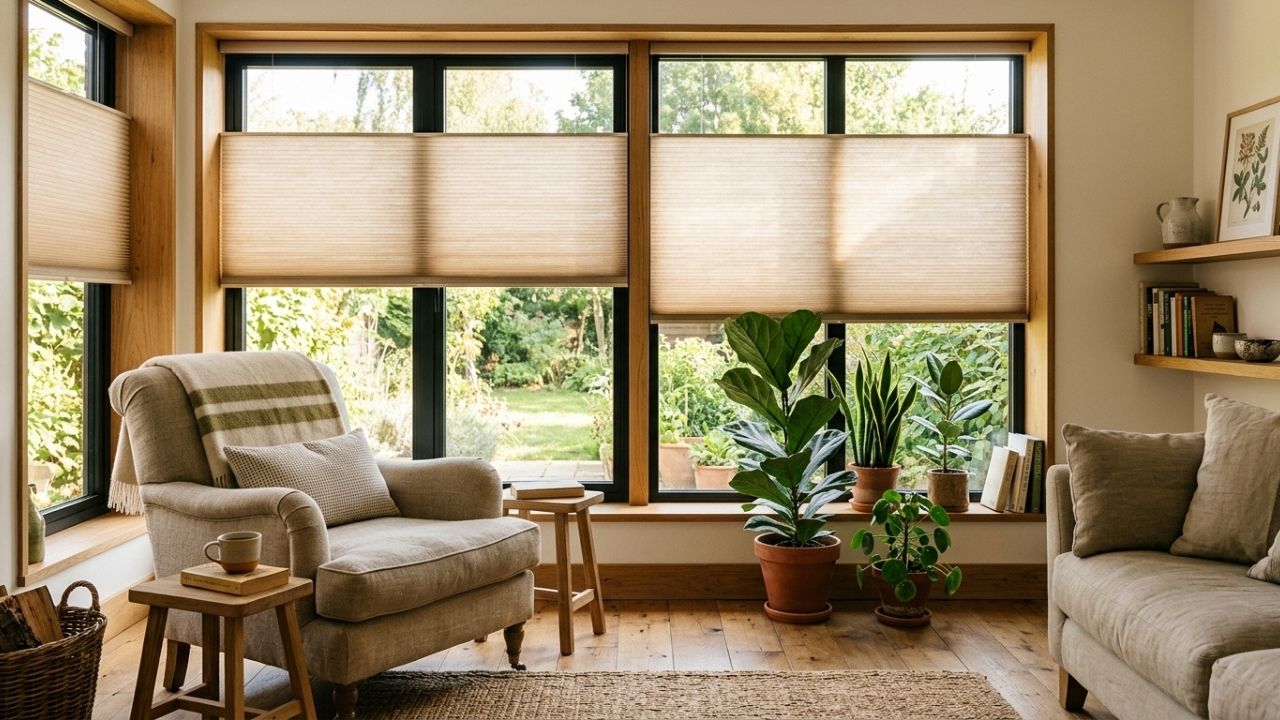
Windows are often the biggest source of hidden energy loss in a home. They let in beautiful natural light, but they also let heat escape in the winter and let unwanted heat pour in during the summer.
For anyone trying to live a more sustainable and eco-friendly lifestyle, this is one of the easiest problems to fix without a major renovation.
The right window coverings can make a real difference in how much energy a home uses, how comfortable it feels, and how much money leaves the household budget every month.
This article explores how window coverings work to reduce energy waste, which types perform best, and how small changes at home can add up to a meaningful environmental impact.
Why Windows Are a Major Source of Energy Loss
Before diving into solutions, it helps to understand the problem. Glass is a poor insulator compared to walls, roofs, and floors. Even double paned windows allow a significant amount of heat transfer.
- In cold weather, warm indoor air escapes through windows, forcing heating systems to work harder.
- In hot weather, sunlight streaming through glass heats up indoor spaces, forcing air conditioning systems to run longer.
- Poorly insulated windows can account for a large share of a home’s total heating and cooling energy loss.
- Older homes with single pane windows tend to lose even more energy than newer, more efficient builds.
This constant battle between indoor comfort and outdoor temperature is where window coverings step in. They act as a buffer, slowing down the transfer of heat and helping to stabilize indoor temperatures naturally.
How Window Coverings Reduce Energy Waste
Window coverings work through a few simple physical principles. They trap air, block or reflect sunlight, and create a barrier between the glass and the room. This barrier reduces the rate at which heat moves in or out of a space.
Insulation Through Trapped Air
Many window coverings, especially cellular or honeycomb style shades, are designed with pockets that trap air. This trapped air acts as an insulating layer, similar to how a thick sweater keeps a person warm. The more effectively a covering traps air near the window, the less heat transfer occurs.
Reflecting or Blocking Sunlight
During warmer months, the goal shifts from keeping heat in to keeping heat out. Light colored or reflective window coverings can bounce sunlight away before it turns into heat inside the home. This reduces the workload on cooling systems and helps keep rooms comfortable without excessive air conditioning.
Reducing Drafts
Gaps around windows and thin glass can create noticeable drafts. Heavier coverings, particularly those that extend beyond the window frame, help reduce these drafts by adding another physical layer that slows air movement near the glass.
Types of Window Coverings and Their Energy Efficiency
Not all window coverings offer the same level of energy savings. Some are designed purely for style, while others are specifically engineered for insulation and thermal performance.
Cellular or Honeycomb Shades
These are widely considered one of the most energy efficient window covering options available. Their unique honeycomb structure creates air pockets that trap air, providing excellent insulation in both hot and cold climates.
Thermal or Insulated Curtains
Thermal curtains are made with multiple layers of fabric, often including a foam or thermal lining. They are especially effective at blocking drafts and retaining indoor heat during colder months.
Roman Shades
Roman shades made from thicker fabrics can offer moderate insulation. While not as effective as cellular shades, they still provide a noticeable reduction in heat transfer compared to bare windows.
Roller Shades
Roller shades, particularly those made with dual layered or blackout fabric, can help block sunlight and reduce heat gain. Lighter colored roller shades are especially useful for reflecting sunlight in sunny climates.
Wooden or Faux Wood Blinds
Blinds allow for adjustable light control, which can help manage heat gain throughout the day. While they offer less insulation than fabric based coverings, angling the slats correctly can still reduce solar heat gain significantly.
Exterior Shades and Awnings
Sometimes the most effective solution is stopping heat before it even reaches the glass. Exterior shades, awnings, and shutters block sunlight before it enters the home, making them highly effective for reducing cooling costs in hot climates.
Comparing Window Covering Options
| Window Covering Type | Best For | Energy Efficiency Level |
|---|---|---|
| Cellular or Honeycomb Shades | Year round insulation | Very High |
| Thermal or Insulated Curtains | Cold climates and winter drafts | High |
| Roman Shades | Moderate insulation with style | Medium |
| Roller Shades | Sunlight and heat gain control | Medium |
| Wooden or Faux Wood Blinds | Adjustable light and heat control | Low to Medium |
| Exterior Shades or Awnings | Hot climates and direct sun exposure | High |
Seasonal Strategies for Maximum Efficiency
Window coverings are not a one size fits all solution throughout the year. Adjusting habits with the seasons can significantly boost their effectiveness.
Winter Tips
- Keep coverings closed at night to trap indoor heat and reduce drafts.
- Open coverings during sunny winter days to allow natural warmth in, then close them as the sun sets.
- Choose thicker, insulated fabrics for rooms that face colder directions.
Summer Tips
- Close coverings during the hottest parts of the day to block direct sunlight.
- Use light colored or reflective coverings to bounce heat away from the home.
- Consider exterior shading options for windows that receive intense afternoon sun.
Additional Benefits Beyond Energy Savings
While reducing energy waste is a major advantage, window coverings offer several other benefits that align with a sustainable lifestyle.
- They reduce reliance on artificial heating and cooling, lowering overall household energy consumption.
- They protect furniture, flooring, and artwork from sun damage and fading.
- They improve privacy and reduce outside noise.
- They contribute to a more comfortable, consistent indoor temperature throughout the day.
- Choosing coverings made from natural, sustainable, or recycled materials can further reduce environmental impact.
Choosing Sustainable Materials
For those who want to take their eco-friendly efforts even further, the materials used in window coverings matter. Natural fibers like bamboo, cotton, linen, and jute are biodegradable and often produced with fewer synthetic chemicals.
Recycled fabric blends are another option that reduces waste while still offering solid insulation performance. Looking for coverings made without harmful dyes or chemical treatments can also support a healthier indoor environment.
Simple Habits That Boost Efficiency
Even the best window coverings need to be used correctly to maximize their benefits. Small daily habits can make a noticeable difference over time.
- Close coverings promptly when leaving a room that receives direct sunlight.
- Check for gaps around window frames and consider adding weather stripping alongside coverings.
- Clean coverings regularly, since dust buildup can reduce their reflective properties.
- Combine window coverings with other energy saving practices like sealing drafts and using energy efficient lighting.
Final Thoughts
Window coverings are a practical, affordable, and often overlooked tool in the effort to reduce home energy waste. Whether it is insulated cellular shades keeping warmth inside during winter or reflective roller shades blocking summer heat, the right choice can lead to noticeable savings on energy bills while supporting a more sustainable lifestyle.
By understanding how different coverings perform and using them thoughtfully throughout the year, anyone can turn their windows from a source of energy loss into a smart, eco-friendly feature of their home.
Making small, intentional changes like this is often where sustainable living truly begins. It does not require a complete lifestyle overhaul, just thoughtful choices that add up over time to create a home that is both comfortable and kinder to the planet.



