Every year, households around the world throw away a shocking amount of food simply because it spoils before anyone gets the chance to eat it. For anyone trying to live a more sustainable and eco-friendly lifestyle, this is more than just a financial loss.
It represents wasted water, wasted energy, and wasted resources that went into growing, packaging, and transporting that food in the first place. Learning how to keep food fresh for longer is one of the simplest and most impactful ways to reduce a household’s environmental footprint while also saving money at the same time.
The good news is that keeping food fresh does not require expensive gadgets or complicated systems. With a few smart habits, proper storage techniques, and a better understanding of how different foods behave, anyone can significantly extend the shelf life of their groceries. This article breaks down practical, easy to follow methods for keeping fruits, vegetables, dairy, meats, and pantry staples fresher for longer.
Why Food Freshness Matters for Sustainability
Before diving into the practical tips, it helps to understand why this topic matters so much for eco-conscious living. Food waste is not just about tossing out a bruised apple or a wilted lettuce leaf.
When food rots in a landfill, it releases methane, a greenhouse gas that is significantly more potent than carbon dioxide in trapping heat in the atmosphere. Reducing food waste at home is one of the most direct actions an individual can take to lower their personal contribution to climate change.
There is also the matter of resource conservation. Every piece of food that spoils represents wasted:
- Water used during irrigation and processing
- Fuel used for transportation and distribution
- Labor and energy used in farming and packaging
- Money spent at the grocery store
By keeping food fresh longer, people naturally waste less, shop more efficiently, and reduce the overall demand on the food supply chain. This is a small but meaningful step toward a more sustainable lifestyle.
Understanding Why Food Spoils
Food spoilage happens because of a combination of factors including bacteria, mold, enzymes, oxygen exposure, moisture, and temperature. Different foods spoil in different ways, which is why a one size fits all approach to storage rarely works. Understanding the basic causes of spoilage makes it much easier to choose the right storage method for each type of food.
The Main Culprits Behind Spoilage
- Moisture buildup encourages mold and bacterial growth, especially in produce
- Oxygen exposure speeds up oxidation, which causes browning and rancidity
- Temperature fluctuations accelerate the breakdown of proteins and fats
- Ethylene gas released by certain fruits speeds up ripening and rotting in nearby produce
- Improper packaging allows air and bacteria to reach food more easily
Once these factors are understood, it becomes much easier to make small adjustments that dramatically extend freshness.
Smart Refrigerator Organization
One of the easiest ways to keep food fresh is to simply organize the refrigerator properly. Many people unknowingly store food in a way that speeds up spoilage rather than slowing it down.
Temperature Zones Matter
Refrigerators are not uniformly cold throughout. The door tends to be the warmest area since it is exposed to outside air every time it opens, while the back of the fridge is usually the coldest. Here is a simple breakdown of where different foods should be stored:
| Refrigerator Zone | Best Foods to Store | Why |
|---|---|---|
| Top shelves | Leftovers, drinks, ready to eat foods | Consistent temperature, easy to see and use first |
| Bottom shelves | Raw meat, poultry, seafood | Coldest area, prevents cross contamination |
| Crisper drawers | Fruits and vegetables | Controlled humidity levels |
| Door shelves | Condiments, juices | Warmest zone, less sensitive items |
Additional Refrigerator Tips
- Keep the fridge temperature between 34 and 40 degrees Fahrenheit
- Avoid overpacking the fridge, since airflow keeps everything evenly cool
- Store raw meat on the bottom shelf to prevent drips from contaminating other foods
- Use airtight containers instead of loosely wrapped foil or plastic wrap
Fruits and Vegetables: The Right Way to Store Them
Produce is often the biggest source of food waste in most households, largely because people are unaware that different fruits and vegetables require different storage conditions.
Ethylene Producers vs Ethylene Sensitive Foods
Some fruits release a natural gas called ethylene, which speeds up ripening. If these are stored next to ethylene sensitive produce, they can cause premature spoilage.
High ethylene producers:
- Bananas
- Apples
- Avocados
- Tomatoes
Ethylene sensitive foods:
- Leafy greens
- Broccoli
- Cucumbers
- Berries
Keeping these two groups separated can noticeably extend the life of more delicate produce.
Humidity Control for Vegetables
Most refrigerators come with adjustable humidity settings in the crisper drawers. As a general guideline:
- Leafy greens and herbs do best in high humidity drawers
- Fruits like apples and pears prefer low humidity drawers
- Root vegetables like carrots and potatoes last longer in cool, dark, and slightly humid conditions outside the fridge
Simple Produce Storage Hacks
- Store herbs like parsley or cilantro upright in a jar of water, similar to a bouquet of flowers
- Wrap lettuce and leafy greens in a slightly damp cloth or paper towel before refrigerating
- Keep onions and potatoes in separate, well ventilated areas, since storing them together speeds up sprouting
- Avoid washing produce until right before use, since moisture accelerates decay
Proper Storage for Meat, Poultry, and Seafood
Animal proteins are particularly sensitive to spoilage due to bacterial growth, so proper handling is essential both for food safety and for extending freshness.
Refrigeration Guidelines
- Raw poultry should be used within one to two days if refrigerated
- Raw beef, pork, and lamb can typically last three to five days
- Seafood is best used within one to two days of purchase
Freezing for Longer Storage
Freezing is one of the most effective ways to preserve meat and seafood for extended periods. To avoid freezer burn and maintain quality:
- Wrap meat tightly in freezer safe packaging or vacuum sealed bags
- Remove as much air as possible before sealing
- Label packages with the date to keep track of freshness
- Freeze meat in portion sized amounts to avoid unnecessary thawing and refreezing
Pantry Staples and Dry Goods
Not all food storage happens in the refrigerator. Many pantry staples can last significantly longer with the right approach.
Keys to Pantry Freshness
- Store dry goods like rice, pasta, and grains in airtight containers to prevent moisture and pest exposure
- Keep the pantry cool, dry, and away from direct sunlight
- Store flour and baking staples in the refrigerator or freezer for extended shelf life
- Check expiration dates regularly and practice a first in, first out rotation system
Preventing Pantry Pests
- Use glass or hard plastic containers rather than the original cardboard or paper packaging
- Store opened bags of grains and flour with as little air exposure as possible
- Keep pantry shelves clean and dry to avoid attracting insects
The Role of Reusable Storage Solutions
For anyone focused on sustainability, choosing the right storage materials matters just as much as the storage method itself. Single use plastic wrap and disposable bags contribute to landfill waste and are often less effective than reusable alternatives.
Eco-Friendly Storage Options
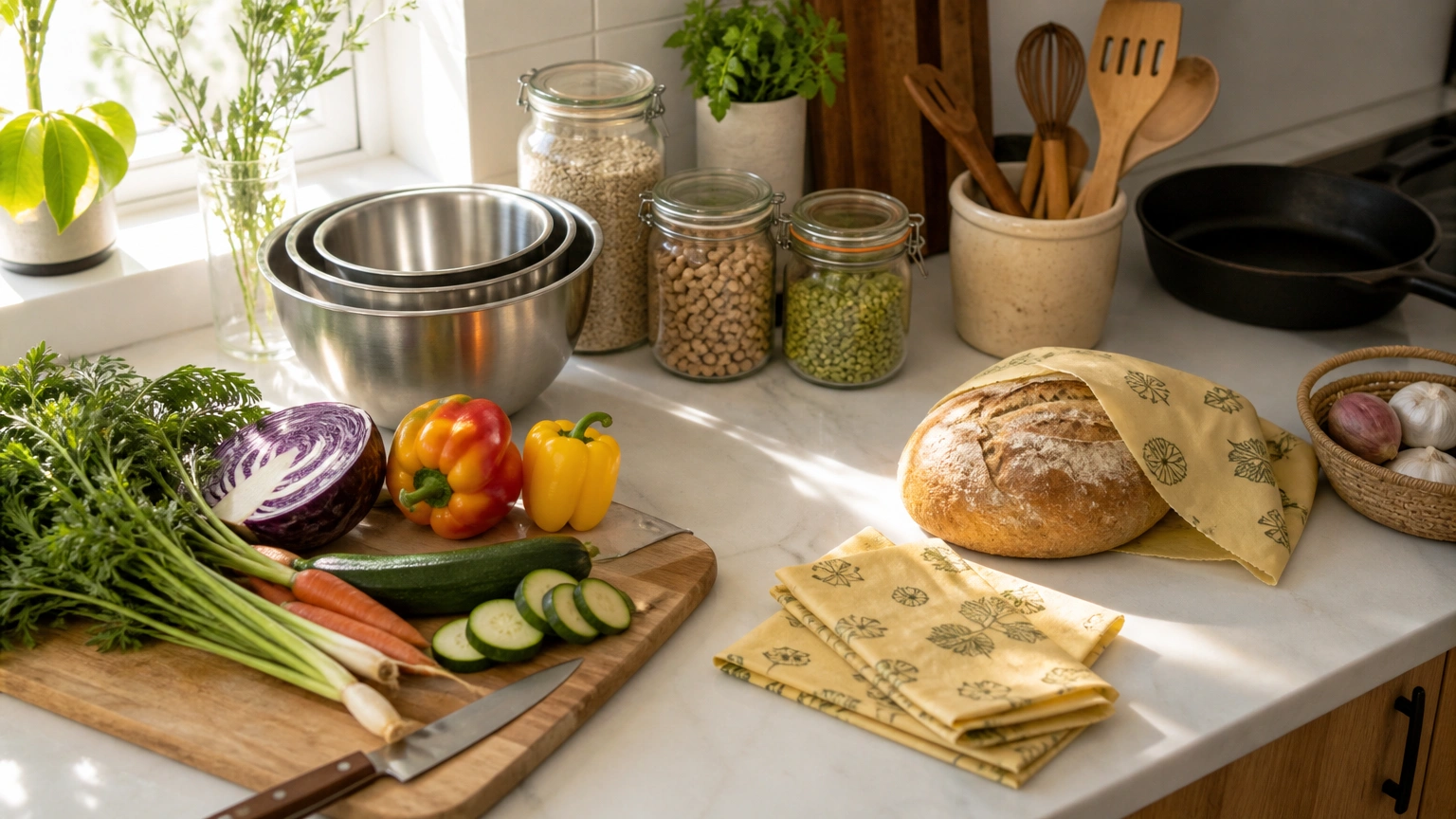
- Beeswax wraps for covering bowls or wrapping produce
- Glass containers with airtight lids for leftovers and pantry items
- Silicone stretch lids as a reusable alternative to plastic wrap
- Cloth produce bags for storing fruits and vegetables in the fridge
These options not only help keep food fresher for longer but also reduce reliance on single use plastics, aligning perfectly with an eco-conscious lifestyle.
Meal Planning as a Freshness Strategy
Sometimes the best way to keep food fresh is to buy and prepare food more intentionally in the first place.
Practical Meal Planning Tips
- Plan meals around perishable items first so they get used before spoiling
- Buy only what is needed for the week to avoid excess that leads to waste
- Prep and freeze portions of meals in advance to extend usability
- Repurpose leftovers into new meals rather than letting them sit forgotten in the fridge
Meal planning reduces impulse purchases and helps ensure that food is consumed before it has the chance to spoil, which directly supports both sustainability goals and grocery budgets.
Understanding Expiration Labels
Confusion around expiration labels is one of the leading causes of unnecessary food waste. Many people throw away perfectly good food simply because they misunderstand what the date on the package actually means.
- Sell by dates are intended for store inventory management, not for consumers
- Best by dates indicate peak quality, not safety
- Use by dates are the most relevant for food safety and should be taken more seriously
Learning to trust the senses, such as smell, texture, and appearance, alongside these labels can help reduce the amount of food that gets discarded prematurely.
Final Thoughts
Keeping food fresh for longer is a simple yet powerful habit that supports both a healthier household and a healthier planet. By understanding proper storage techniques, organizing the refrigerator wisely, choosing sustainable storage materials, and planning meals more intentionally, it becomes much easier to reduce food waste and make the most of every grocery trip.
These small daily choices add up over time, creating a meaningful impact on both personal well being and the environment. For anyone striving to live a more sustainable and eco-friendly life, mastering food freshness is a small step that leads to a much bigger difference.