Water is one of those resources that many people take for granted until a drought warning shows up on the news or a water bill arrives higher than expected. For anyone trying to live a more sustainable and eco-friendly life, cutting back on water use at home is one of the simplest and most rewarding places to start.
It does not require a total lifestyle overhaul or a big budget. Small, consistent changes in daily habits and a few smart upgrades around the house can add up to real savings, both for the planet and for the household budget.
This article walks through practical, easy to understand ways to reduce water use at home, room by room, along with a few bigger picture ideas for anyone who wants to go further.
Why Reducing Water Use Matters
Freshwater might seem endless when it flows so easily from a tap, but it is actually a limited resource. Only a small percentage of the water on Earth is fresh and accessible for daily use, and much of that is under increasing pressure from population growth, climate change, and pollution.
Here are a few reasons why cutting back on household water use makes a real difference:
- It helps protect local rivers, lakes, and groundwater supplies that ecosystems and communities depend on.
- It reduces the energy needed to treat and pump water, which lowers greenhouse gas emissions.
- It can lower utility bills, especially in areas where water and sewage costs are tied together.
- It builds resilience for times of drought or water restrictions, which are becoming more common in many regions.
- It sets a good example for neighbors, friends, and family who might not realize how easy it is to conserve.
Every drop saved at home is a small contribution to a much bigger effort, and when enough households make these changes, the collective impact becomes significant.
Understanding Where Household Water Goes
Before diving into solutions, it helps to know where most of the water in a typical home is actually used. According to general estimates from water conservation organizations, indoor water use tends to break down roughly like this:
| Household Area | Approximate Share of Water Use |
|---|---|
| Bathroom (toilet, shower, bath, sink) | 60 to 70 percent |
| Laundry | 15 to 20 percent |
| Kitchen (dishwashing, cooking, drinking) | 10 to 15 percent |
| Outdoor use (garden, car washing) | Varies widely by season and climate |
This breakdown shows that the bathroom is usually the biggest opportunity for savings, followed by laundry. Knowing this helps prioritize where to focus first.
Simple Bathroom Changes That Make a Big Difference
Since the bathroom uses the largest share of household water, it is the best place to start making changes.
Fix Leaks Right Away
A dripping faucet or a running toilet might seem like a minor annoyance, but leaks can waste an enormous amount of water over time. A toilet that runs constantly can waste hundreds of liters a day without anyone noticing. Checking for leaks regularly and fixing them quickly is one of the easiest ways to prevent waste.
To check for a hidden toilet leak, a few drops of food coloring can be added to the tank. If color appears in the bowl without flushing, there is a leak that needs attention.
Shorten Shower Time
Long showers feel relaxing, but they use a surprising amount of water. Cutting shower time by even a few minutes can lead to noticeable savings. Some people find it helpful to play a short song or set a timer as a gentle reminder to wrap up.
Install Water Saving Fixtures
Low flow showerheads and faucet aerators reduce water use without sacrificing water pressure. These are inexpensive, easy to install, and can cut bathroom water use significantly. Dual flush toilets, which offer a lighter flush for liquid waste and a stronger flush for solid waste, are another effective upgrade for anyone renovating or replacing an old toilet.
Turn Off the Tap While Brushing or Shaving
Letting the water run while brushing teeth or shaving is a common habit that wastes a lot of water for no reason. Turning off the tap until it is actually needed can save a surprising amount over the course of a year.
Smarter Laundry Habits
Laundry is the second biggest water user in most homes, but there are several easy ways to cut back.
- Only run the washing machine with a full load whenever possible, since partial loads waste water and energy.
- Choose a high efficiency washing machine when it is time to replace an old one, since newer models use significantly less water per cycle.
- Select the appropriate load size setting if the machine offers one, rather than always using the largest setting by default.
- Avoid unnecessary rewashing of clothes that are only lightly worn, since this cuts down on both water and energy use.
- Use the eco or water saving cycle option if available, since many machines now include settings specifically designed for conservation.
Over time, these small adjustments add up, especially in households that do laundry several times a week.
Kitchen Habits Worth Adopting
The kitchen may use less water than the bathroom or laundry room, but there are still plenty of opportunities to conserve.
Rethink Dishwashing
Washing dishes by hand with the tap running continuously uses far more water than most people realize. Filling one basin with soapy water for washing and another with clean water for rinsing is a more efficient approach. For households with a dishwasher, running it only when it is full, and using an efficient cycle, tends to use less water than hand washing.
Reuse Water Where Possible
Water used for rinsing fruits and vegetables can often be collected and reused for watering houseplants or garden beds. This simple habit reduces waste and gives plants a little extra hydration without needing to turn on the tap again.
Keep a Pitcher of Cold Water in the Fridge
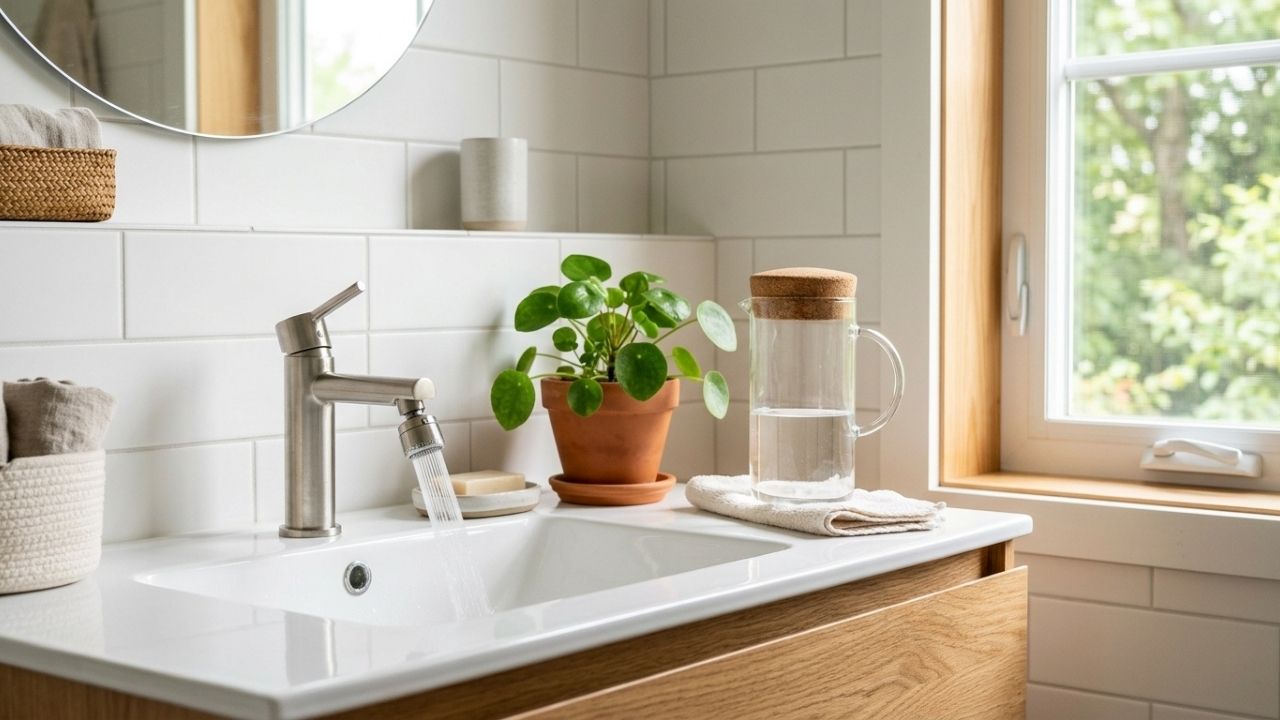
Instead of running the tap until the water turns cold every time a drink is needed, keeping a pitcher of water in the refrigerator saves both water and time.
Outdoor Water Conservation
For households with a garden, lawn, or outdoor space, outdoor water use can spike dramatically during warmer months. A few thoughtful changes outside can make a real impact.
Water Smarter, Not More Often
Watering early in the morning or late in the evening reduces evaporation, which means more water actually reaches plant roots instead of disappearing into the air. Deep, infrequent watering also encourages stronger root growth compared to frequent shallow watering.
Choose Drought Tolerant Plants
Native and drought tolerant plants are naturally adapted to local rainfall patterns, which means they need far less supplemental watering once established. Swapping out a thirsty lawn for native ground cover or drought resistant landscaping can dramatically cut outdoor water use.
Use Mulch
A layer of mulch around plants and garden beds helps the soil retain moisture, reduces evaporation, and suppresses weeds that compete for water. It is a low cost, low effort way to keep a garden healthier while using less water.
Collect Rainwater
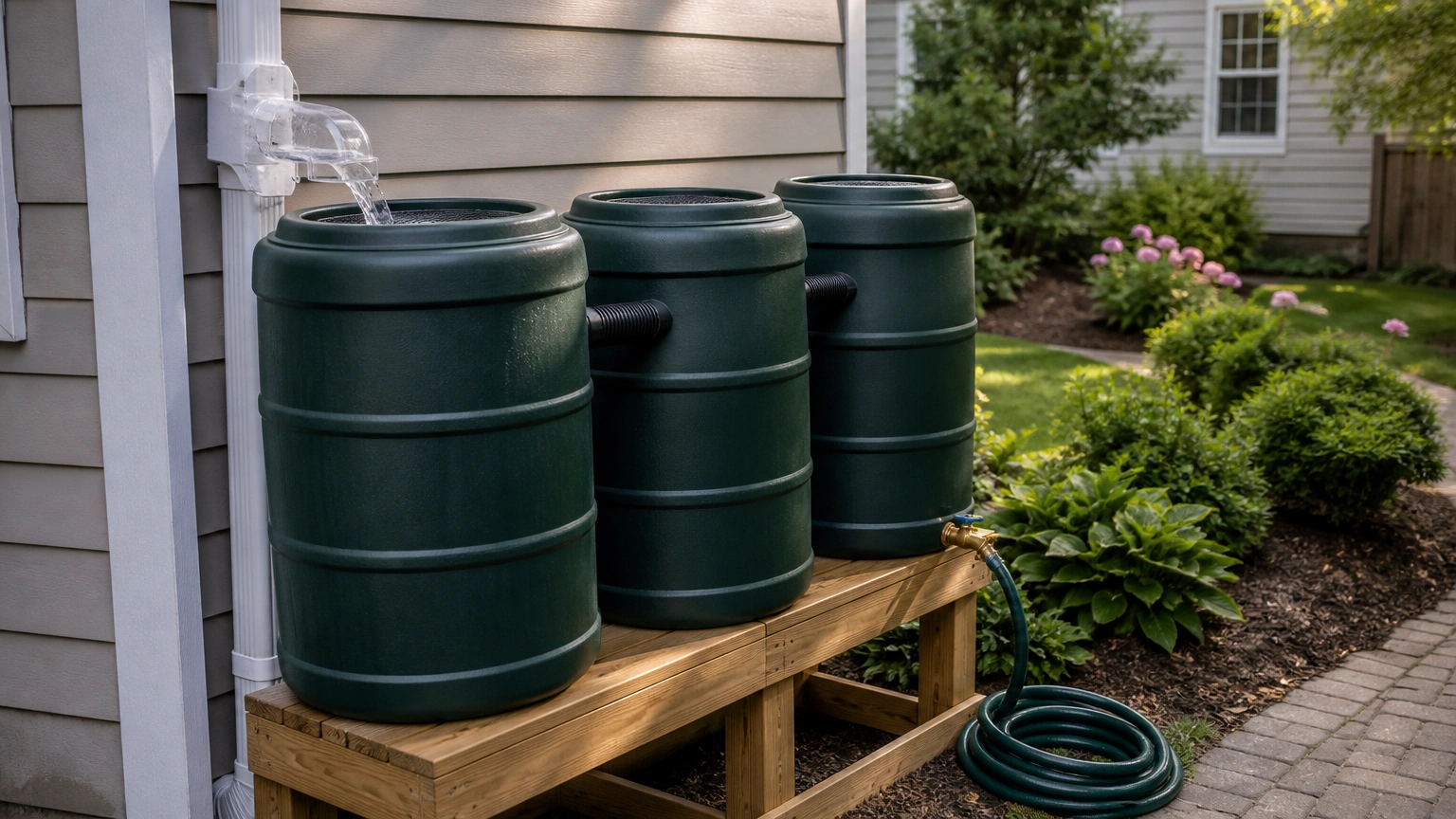
Setting up a rain barrel or other collection system allows households to capture rainwater for watering gardens, lawns, or potted plants. This reduces reliance on treated tap water for outdoor tasks that do not require it.
Wash Vehicles Thoughtfully
Washing a car with a bucket and sponge instead of a continuously running hose can save a significant amount of water. Using a hose with a shut off nozzle also helps prevent water from running unnecessarily between rinses.
Upgrading Appliances and Fixtures for Long Term Savings
For those ready to invest a bit more, upgrading to water efficient appliances and fixtures offers long term savings that pay off over time.
- Low flow showerheads and faucet aerators reduce water flow without reducing usability.
- High efficiency washing machines and dishwashers use significantly less water per cycle than older models.
- Dual flush or low flow toilets cut down on one of the largest sources of indoor water use.
- Smart irrigation systems adjust watering schedules based on weather and soil moisture, preventing overwatering.
- Water efficient garden hoses and drip irrigation systems deliver water directly to plant roots with minimal waste.
While some of these upgrades involve an upfront cost, many pay for themselves over time through lower water bills, and the environmental benefit begins immediately.
Building Better Daily Habits
Beyond fixtures and appliances, everyday habits play a huge role in how much water a household actually uses. Some habits worth building include:
- Turning off the tap whenever it is not actively being used for rinsing or filling.
- Reporting and fixing leaks as soon as they are noticed, rather than putting it off.
- Being mindful of shower length, especially during busy mornings when it is easy to lose track of time.
- Teaching children in the household why water conservation matters, so the habit becomes second nature.
- Keeping an eye on the water bill each month to spot unusual spikes that might indicate a hidden leak.
These habits do not require special equipment or spending money, just a bit of awareness and consistency.
A Simple Weekly Water Saving Checklist
For anyone who wants a straightforward way to stay on track, a short weekly checklist can help build lasting habits:
- Check faucets and toilets for leaks.
- Time showers and aim to keep them shorter.
- Run the washing machine and dishwasher only with full loads.
- Water outdoor plants early in the morning or late in the evening.
- Reuse water from cooking or rinsing where possible.
- Review the water bill for any unexpected changes.
Sticking to a simple routine like this makes water conservation feel manageable rather than overwhelming.
Final Thoughts
Reducing water use at home does not require perfection or drastic sacrifice. It is really about becoming a bit more mindful of daily habits and making small, practical changes that add up over time. From fixing a leaky faucet to choosing drought tolerant plants for the garden, every step contributes to a more sustainable household and a healthier planet.
For anyone on a journey toward a more eco-friendly lifestyle, water conservation is one of the most accessible places to start. The changes are affordable, achievable, and often become second nature within just a few weeks.
Over time, these habits not only lower utility bills but also help protect one of the planet’s most valuable and limited resources for future generations.