Bringing a new baby into the world often sparks a desire to think more carefully about the planet they will grow up on. Many new and expecting parents find themselves rethinking everyday choices, from the clothes their baby wears to the toys that fill the nursery.
Choosing more sustainable baby products is one of the most meaningful ways parents can reduce their household’s environmental footprint while also creating a healthier space for their little one.
This guide walks through practical, real world ways to make greener choices when shopping for a baby, without the overwhelm. It covers everything from clothing and diapers to feeding supplies and toys, along with tips for spotting genuine sustainability versus clever marketing.
Why Sustainable Baby Products Matter
Babies grow incredibly fast, which means baby gear tends to be used for a short period of time before it is outgrown, replaced, or discarded. This rapid turnover creates a lot of waste, especially when products are made from low quality materials that cannot be reused, recycled, or passed down.
There is also a health angle to consider. Babies have developing immune systems and are more sensitive to chemicals, dyes, and synthetic materials than adults. Choosing natural, non-toxic, and thoughtfully made products can reduce a baby’s exposure to potentially harmful substances while also being kinder to the environment.
Sustainable baby shopping is not about spending more money or buying everything brand new from eco-labeled stores. It is about making thoughtful decisions, buying less overall, and choosing quality over quantity whenever possible.
Start With a Simple Mindset Shift
Before diving into specific products, it helps to approach baby shopping with a few guiding principles in mind. These principles apply across every category, from clothing to furniture.
- Buy less and choose well made items that will last through multiple stages or even multiple children
- Prioritize natural, renewable, or recycled materials over synthetic ones
- Look for products that can be resold, donated, or recycled at the end of their life
- Borrow, rent, or buy secondhand whenever it makes sense
- Avoid single use items in favor of reusable alternatives
Keeping these ideas in mind makes it much easier to evaluate any product, whether it is a onesie, a stroller, or a teething toy.
Choosing Sustainable Baby Clothing
Baby clothing is one of the easiest places to start making greener choices, largely because babies outgrow clothes so quickly that barely worn items are constantly being passed around, resold, and donated.
Natural and Organic Fabrics
Look for clothing made from organic cotton, bamboo, hemp, or wool rather than synthetic materials like polyester or nylon. Natural fibers are biodegradable, tend to be gentler on sensitive skin, and are often grown with fewer pesticides and less water when certified organic.
Certifications to look for include organic certifications and fair trade labels, which indicate that the fabric was grown and processed under stricter environmental and labor standards.
Buy Secondhand First
Because babies grow out of clothes so fast, secondhand baby clothing is often in excellent condition. Consignment shops, online marketplaces, and clothing swaps with friends or family are great ways to fill a nursery closet without buying new. This single habit can dramatically cut down on textile waste and the resources needed to produce new garments.
Choose Versatile, Long Lasting Pieces
Look for clothing designed to grow with the baby, such as adjustable waistbands, roll up cuffs, or convertible designs. Fewer, more versatile pieces reduce overall consumption while still keeping a baby comfortable through different growth spurts.
Sustainable Diapering Options
Diapering is one of the biggest sources of waste in a baby’s early life, so it deserves special attention when thinking about sustainability.
Cloth Diapers
Cloth diapers are reusable and can be washed hundreds of times before needing replacement. While they require more upfront investment and regular laundering, they significantly cut down on landfill waste compared to disposables. Modern cloth diapers come in easy to use designs with snaps or velcro, making them far more convenient than older styles.
Eco-Friendly Disposable Diapers
For families who prefer or need disposable diapers, there are options made with plant based materials, reduced plastic content, and chlorine free processing. These are not perfectly biodegradable in most landfill conditions, but they generally use fewer harsh chemicals and rely less on petroleum based plastics than conventional diapers.
Hybrid Approaches
Many families find a middle ground by using cloth diapers at home and disposable ones while traveling or at daycare. This hybrid approach reduces waste without adding excessive laundry demands to already busy schedules.
| Diapering Option | Environmental Impact | Convenience | Upfront Cost |
|---|---|---|---|
| Cloth diapers | Low waste, reusable | Requires washing | Higher upfront |
| Eco-friendly disposables | Reduced plastics and chemicals | High convenience | Moderate ongoing |
| Conventional disposables | High landfill waste | High convenience | Lower ongoing |
| Hybrid approach | Balanced waste reduction | Flexible | Moderate overall |
Feeding Supplies and Sustainability
Feeding gear is used daily, sometimes multiple times a day, which makes it another important category to consider.
Bottles and Feeding Tools
Glass and stainless steel bottles are more durable and do not leach chemicals the way some plastics can over time. They can also be reused for years and are easier to recycle at the end of their life compared to plastic alternatives.
Silicone feeding tools, such as spoons, bibs, and suction plates, are another sustainable option since silicone is durable, heat resistant, and does not break down into microplastics as easily as many plastics.
Reusable Food Storage
Instead of single use pouches or plastic bags for baby food, reusable silicone pouches and glass storage containers cut down significantly on packaging waste. Making baby food at home using simple, whole ingredients is another way to reduce packaging waste while also giving parents more control over what their baby eats.
Breastfeeding and Pumping Considerations
For families who breastfeed, this is naturally one of the lowest waste feeding methods available. For those who pump or formula feed, choosing reusable storage bags, glass bottles, and minimally packaged formula options can help reduce overall waste.
Toys, Books, and Nursery Items
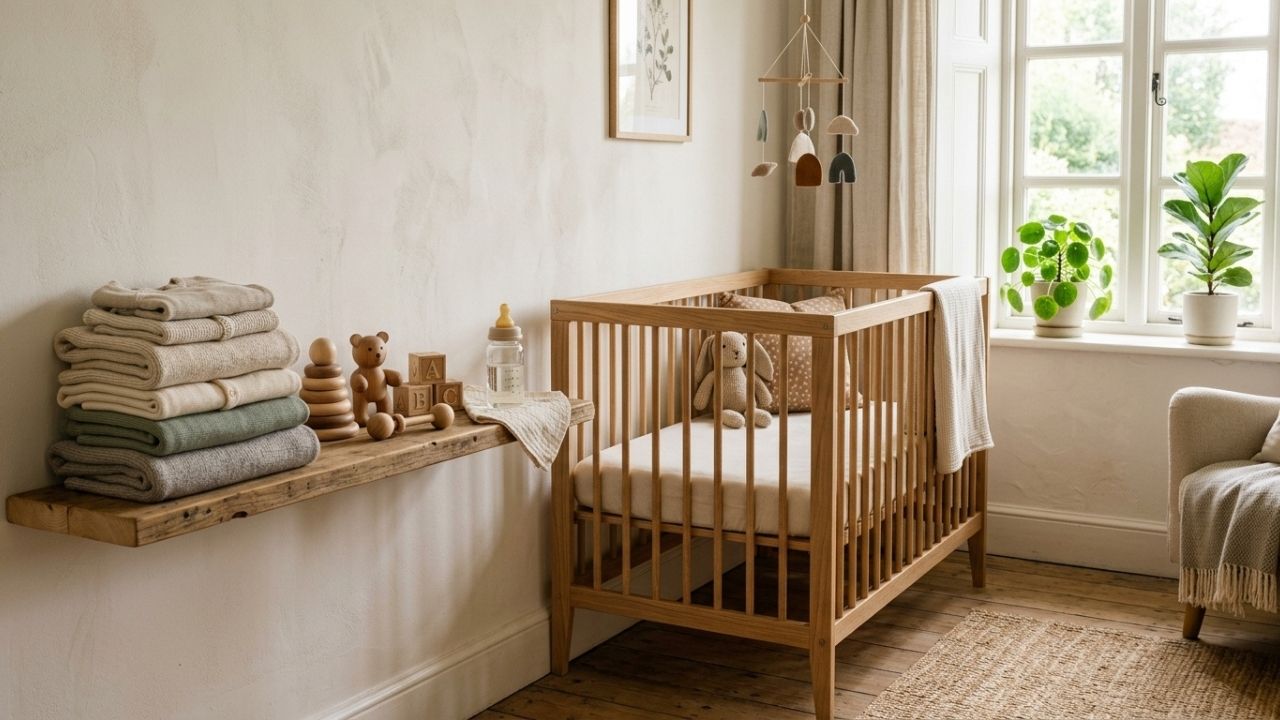
The nursery is often filled with the most products, which makes it a great place to apply sustainable thinking.
Wooden and Natural Material Toys
Wooden toys tend to be more durable than plastic ones, often lasting through multiple children or even generations. Look for toys made from sustainably sourced wood and finished with non-toxic paints or natural oils rather than synthetic coatings.
Secondhand Toys and Books
Toys and books are frequently in great condition when purchased secondhand, since babies often lose interest in specific items quickly. Thrift stores, library sales, and online marketplaces are excellent sources for gently used books and toys.
Multi-Use and Open-Ended Toys
Choosing toys that grow with a child, such as building blocks or simple stacking toys, reduces the need to constantly buy new items as a baby’s interests change. Open-ended toys also tend to be more durable and less reliant on batteries or electronics.
Furniture and Big Ticket Items
Larger items like cribs, changing tables, and strollers represent a significant investment, both financially and environmentally.
- Consider buying furniture secondhand or from consignment sales, as long as it meets current safety standards
- Choose solid wood furniture over particleboard, since it lasts longer and avoids certain adhesives and chemical off gassing
- Look for cribs and furniture with low or zero emission finishes
- Rent or borrow items that are only needed for a short window of time, such as bassinets
- Choose strollers and car seats built to last through multiple stages, such as convertible car seats
Buying quality furniture upfront, even secondhand, often means these items can be resold or passed down again once the family is finished using them.
How to Spot Greenwashing
As sustainability becomes more popular, some brands use vague or misleading language to appear eco-friendly without truly changing their practices. Learning to spot greenwashing helps parents make more informed decisions.
Watch for Vague Claims
Phrases like natural or eco-friendly without any supporting detail or certification should be viewed with some skepticism. Genuine sustainability claims are usually backed by specific certifications, transparent sourcing information, or clear explanations of materials used.
Look for Third Party Certifications
Independent certifications for organic materials, non-toxic products, and responsible sourcing tend to carry more weight than a brand’s own marketing claims. These certifications typically require third party audits and testing.
Consider the Full Lifecycle
A truly sustainable product considers its entire lifecycle, from how materials are sourced to how the product is packaged, shipped, used, and eventually disposed of. A product marketed as eco-friendly but wrapped in excessive plastic packaging is a sign of inconsistency worth questioning.
Practical Tips for Building a Sustainable Baby Registry
For expecting parents building a registry, small choices at this stage can make a noticeable difference over time.
- Prioritize a shorter list of high quality, durable items over a long list of disposable or trend based products
- Add secondhand friendly items, such as furniture or clothing, and let guests know secondhand gifts are welcome
- Choose experience based gifts, such as diaper service subscriptions, over excess physical items
- Ask for reusable essentials like cloth diapers, glass bottles, or wooden toys instead of plastic alternatives
- Include a few versatile items that can adapt as the baby grows, rather than single stage products
Making Sustainability Manageable as a New Parent
New parents already have a lot on their plate, so it is worth remembering that sustainable choices do not need to be perfect to be meaningful. Small, consistent changes, such as choosing secondhand clothing, switching to reusable feeding tools, or picking wooden toys over plastic ones, add up significantly over time.
It can help to focus on the categories that make the biggest impact first, such as diapering and clothing, before tackling smaller purchases. Progress, not perfection, is the most sustainable approach for busy families.
Final Thoughts
Choosing more sustainable baby products is less about following a strict set of rules and more about making thoughtful, informed decisions that fit a family’s lifestyle and budget.
From secondhand clothing and cloth diapers to wooden toys and durable furniture, small shifts in shopping habits can meaningfully reduce waste while creating a safer, healthier environment for a growing baby.
Over time, these choices not only benefit the planet but also model mindful consumption habits that can shape a child’s relationship with the environment for years to come.