
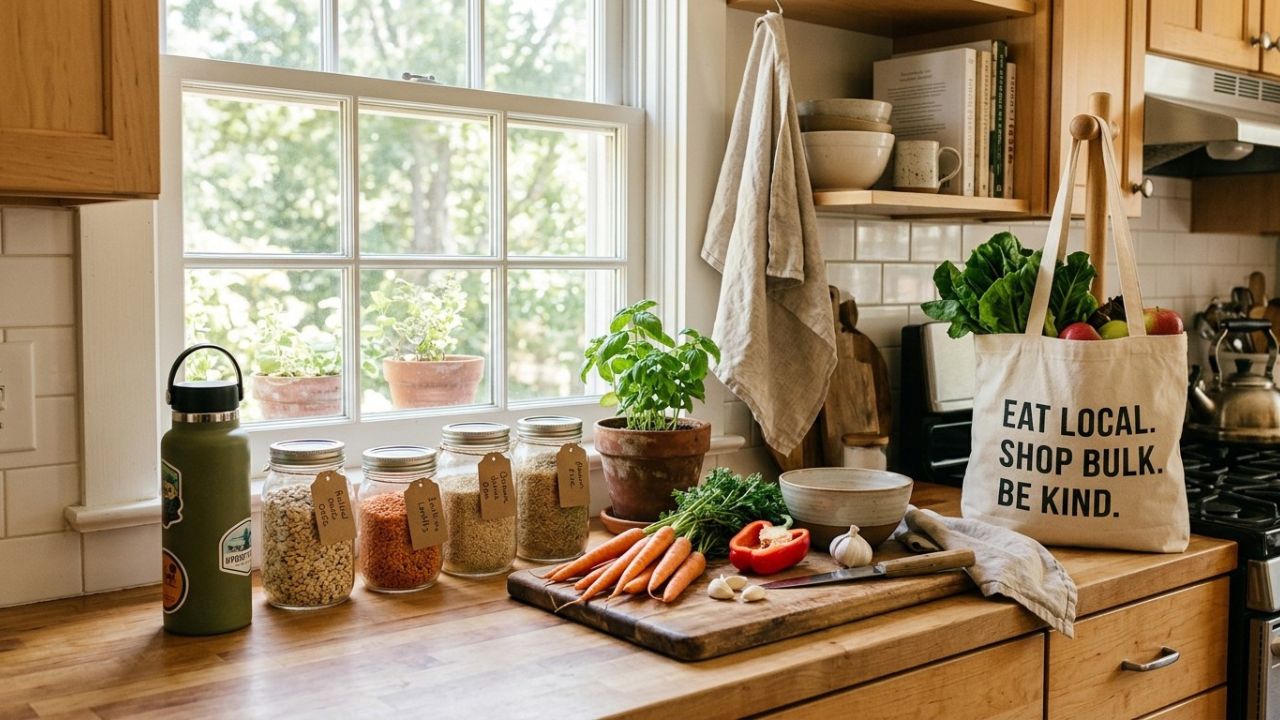
Living a more sustainable life often sounds like a huge project. Many people imagine solar panels, electric cars, or a total lifestyle overhaul before they can call themselves eco-friendly.
The truth is much simpler. Small, consistent habits can make a real difference for the planet, and anyone can start today without spending a lot of money or changing their entire routine.
This article looks at practical, easy-to-follow habits that fit into everyday life. Whether someone lives in a small apartment or a large house, these tips can be adjusted to match their space, budget, and schedule.
Why Small Habits Matter
It is easy to feel like individual actions do not matter when climate change and environmental damage are discussed on such a large scale. However, small habits add up over time, especially when practiced consistently and shared with others.
- A single reusable water bottle can replace hundreds of plastic bottles each year
- Turning off lights when leaving a room reduces electricity use every single day
- Choosing to walk or bike instead of driving cuts down on emissions with every trip
When these habits are multiplied across households, neighborhoods, and cities, the impact becomes significant. Sustainable living is not about being perfect. It is about making better choices more often.
Start in the Kitchen
The kitchen is one of the easiest places to begin building eco-friendly habits because it is used every day and involves food, water, and energy all at once.
Reduce Food Waste
Food waste is a major contributor to landfill methane, a powerful greenhouse gas. A few simple changes can help reduce how much food ends up in the trash.
- Plan meals for the week before grocery shopping
- Store fruits and vegetables properly so they last longer
- Use leftovers creatively instead of throwing them away
- Freeze food that will not be eaten in time
Cut Back on Single-Use Plastics
Plastic packaging is convenient, but it creates a lot of unnecessary waste. Small swaps can reduce plastic use without requiring a major lifestyle change.
- Bring reusable bags to the grocery store
- Choose products with minimal or recyclable packaging
- Use beeswax wraps or reusable containers instead of plastic wrap
- Buy in bulk when possible to cut down on packaging waste
Compost Kitchen Scraps
Composting turns food scraps into nutrient-rich soil instead of letting them rot in a landfill. Even people without a backyard can compost using small countertop bins or community composting programs available in many cities.
Rethink Water Use
Water is often taken for granted, but it takes energy to treat, heat, and deliver it to homes. Reducing water use is one of the simplest ways to lower both water bills and environmental impact.
- Take shorter showers instead of baths
- Turn off the tap while brushing teeth or washing dishes
- Fix leaky faucets as soon as they are noticed
- Install low-flow showerheads and faucet aerators
These changes are often invisible in daily life but add up to meaningful savings over months and years.
Save Energy at Home
Energy use at home is closely tied to carbon emissions, especially in areas where electricity comes from fossil fuels. Small adjustments to daily habits can lower energy bills and reduce environmental impact at the same time.
Unplug and Switch Off
Many electronics continue to draw power even when they are turned off, a phenomenon often called phantom energy use.
- Unplug chargers and small appliances when not in use
- Use a power strip to turn off multiple devices at once
- Switch to energy-efficient LED light bulbs
- Turn off lights and electronics when leaving a room
Adjust the Thermostat
Heating and cooling account for a large portion of household energy use. Small adjustments can lead to noticeable savings.
- Lower the thermostat a few degrees in winter and layer clothing instead
- Raise the thermostat slightly in summer and use fans to stay cool
- Use natural light and fresh air instead of relying on artificial lighting and air conditioning when possible
Rethink Transportation
Transportation is one of the biggest sources of personal carbon emissions, but there are many ways to reduce its impact without giving up mobility altogether.
- Walk or bike for short trips instead of driving
- Use public transportation when available
- Carpool with coworkers, friends, or neighbors
- Combine errands into a single trip to save fuel
- Keep vehicles well maintained, since proper tire pressure and regular maintenance improve fuel efficiency
For those who drive regularly, even small changes in habits, like smoother acceleration and braking, can improve fuel efficiency over time.
Shop with Intention
Consumer habits play a large role in environmental impact, from the resources used to make products to the waste created when they are thrown away.
Buy Less, Choose Well
Instead of buying items on impulse, taking time to consider whether something is truly needed can reduce waste and save money.
- Ask whether an item will be used regularly before buying it
- Choose quality over quantity so items last longer
- Repair items instead of replacing them when possible
Support Sustainable Brands
Many companies are working to reduce their environmental footprint through better materials, packaging, and production methods. Choosing to support these businesses, when possible, encourages more sustainable practices across industries.
Buy Secondhand
Thrift stores, online marketplaces, and consignment shops offer a way to find clothing, furniture, and household items without contributing to new production demand.
A Quick Look at Everyday Swaps
The table below highlights some common household items and their more sustainable alternatives. These swaps are easy to make gradually, without needing to replace everything at once.
| Everyday Item | Eco-Friendly Alternative |
|---|---|
| Plastic water bottles | Reusable stainless steel or glass bottle |
| Paper towels | Washable cloth towels |
| Plastic sandwich bags | Reusable silicone bags or containers |
| Disposable razors | Safety razor with replaceable blades |
| Plastic shopping bags | Reusable cloth tote bags |
| Single-use coffee cups | Reusable travel mug |
| Cling wrap | Beeswax wraps or reusable lids |
| Chemical cleaning products | DIY or natural cleaning solutions |
Making these swaps one at a time is often easier than trying to replace everything overnight. As items wear out, they can be replaced with more sustainable versions.
Build Habits That Last
Sustainability is not about achieving perfection. It is about creating habits that can be maintained over the long term. Trying to change everything at once often leads to burnout, while small, steady changes tend to stick.
Start with One Habit at a Time
Choosing one habit to focus on for a few weeks makes it easier to build consistency before adding another. For example, someone might start by reducing food waste before moving on to cutting back on single-use plastics.
Track Progress
Keeping track of changes, even informally, can help build motivation. Noticing a lower water bill or less trash at the end of the week can be a rewarding way to see progress.
Involve Family and Friends
Sustainable habits are often easier to maintain when shared with others. Involving family members, roommates, or friends can turn eco-friendly choices into a shared goal rather than an individual effort.
The Role of Mindset
A sustainable lifestyle is as much about mindset as it is about specific actions. Approaching daily choices with curiosity and awareness, rather than guilt or pressure, tends to lead to habits that last.
- Focus on progress rather than perfection
- Celebrate small wins along the way
- Stay curious about new ways to reduce waste and conserve resources
- Be patient, since habits take time to form
This mindset shift can make sustainable living feel less like a chore and more like a natural part of everyday life.
Final Thoughts
Living a more sustainable and eco-friendly lifestyle does not require drastic changes overnight. It starts with small, manageable habits that fit naturally into daily routines, from reducing food waste in the kitchen to choosing to walk instead of drive. Over time, these habits add up, creating a meaningful positive impact on the environment while often saving money along the way.
Anyone interested in living more sustainably can start today by choosing just one or two habits from this list. As those habits become second nature, more can be added, building a lifestyle that supports both personal wellbeing and the health of the planet.



