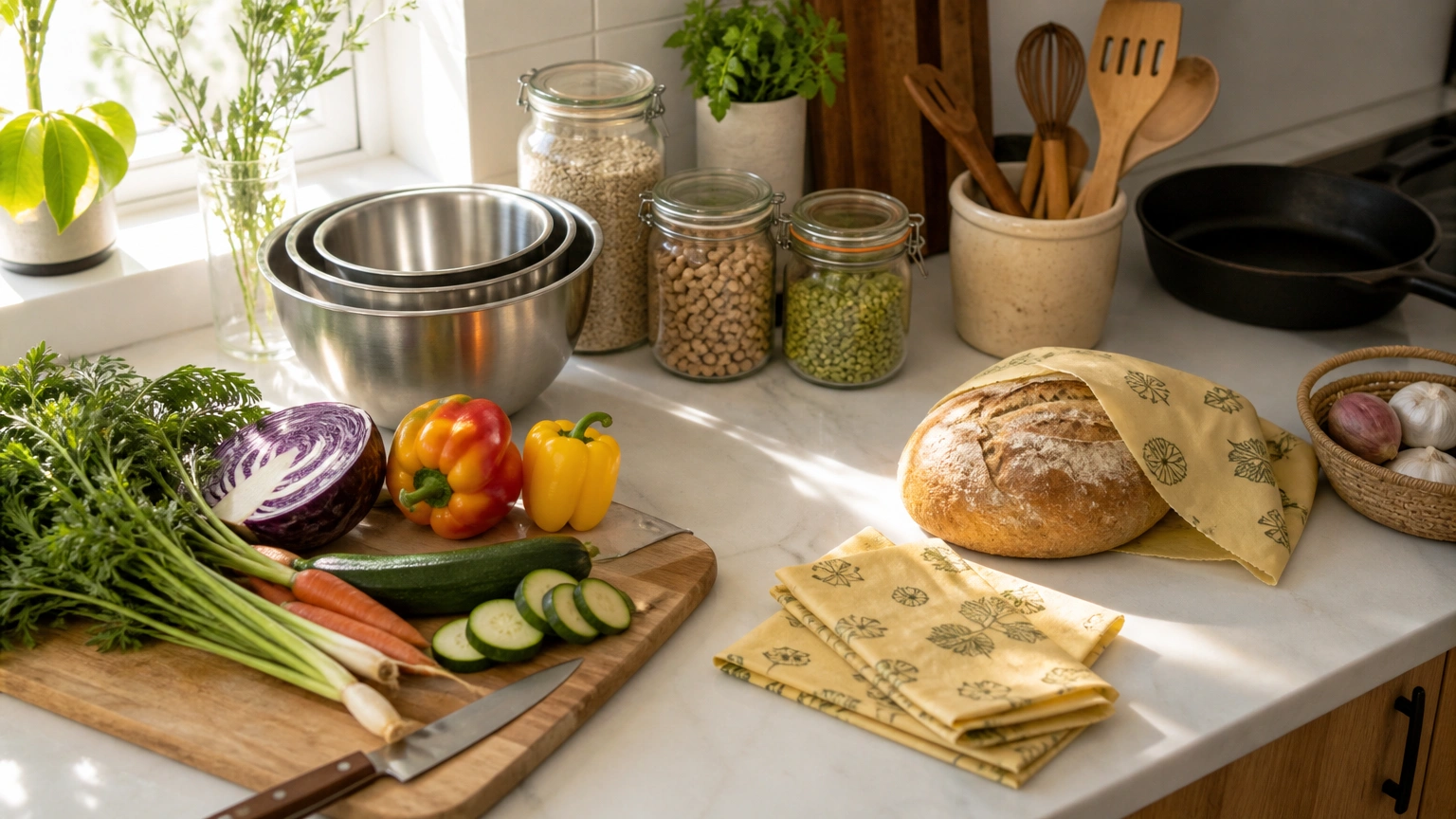
Cooking at home is one of the most rewarding parts of daily life. It brings families together, sparks creativity, and offers a chance to nourish the body with real food. But behind every meal there is often a hidden cost: waste.
From vegetable peels tossed in the bin to half used bags of herbs forgotten in the fridge, the average kitchen generates far more waste than most people realize. For anyone trying to live a more sustainable and eco-friendly lifestyle, the kitchen is one of the best places to start making a real difference.
Reducing waste while cooking is not about giving up convenience or spending hours planning every meal. It is about small, thoughtful shifts that add up over time. This article explores practical, easy to follow strategies that anyone can use to cook smarter, waste less, and feel good about the impact they are making on the planet.
Why Kitchen Waste Matters
Food waste is a bigger problem than most people think. Globally, a significant portion of all food produced is never eaten. It ends up in landfills, where it breaks down and releases methane, a greenhouse gas far more potent than carbon dioxide. On top of the environmental cost, wasted food represents wasted water, energy, and labor that went into growing, transporting, and preparing it.
Beyond food itself, kitchens also produce a lot of packaging waste, single use plastics, and unnecessary energy consumption. Every plastic wrap, disposable container, and unused ingredient adds up to a larger footprint. The good news is that these are all areas where individual choices can make a meaningful difference.
The Personal Benefits of Reducing Kitchen Waste
Living with less waste in the kitchen is not only good for the planet. It also tends to save money, simplify meal planning, and encourage healthier eating habits. When people become more intentional about what they buy and how they use it, they often find they eat more fresh produce, cook more creatively, and spend less on groceries overall.
Plan Meals Before Grocery Shopping
One of the simplest and most effective ways to cut down on waste is to plan meals ahead of time. Walking into a grocery store without a plan often leads to impulse buys, duplicate items, and food that eventually spoils before it gets used.
- Make a weekly meal plan based on what is already in the fridge and pantry
- Write a detailed grocery list and stick to it
- Choose recipes that share overlapping ingredients to avoid buying items that are only used once
- Check expiration dates on items already at home before adding more to the list
Meal planning does not need to be rigid. Even a loose outline of three or four meals for the week can prevent a surprising amount of waste.
Shop With Intention
Buying only what is needed sounds obvious, but supermarkets are designed to encourage extra purchases. Bulk discounts, tempting displays, and pre-packaged produce can lead to buying more than what will actually be eaten.
- Buy loose fruits and vegetables instead of pre-packaged bundles when possible
- Choose smaller quantities of perishable items unless there is a clear plan to use them
- Avoid shopping on an empty stomach, which often leads to overbuying
- Bring reusable bags and containers to cut down on plastic packaging
Store Food the Right Way
Improper storage is one of the biggest hidden causes of food waste. Many people throw away food simply because it spoiled faster than expected, when in reality, better storage could have extended its life significantly.
Understand Your Fridge and Pantry Zones
Different parts of the fridge maintain different temperatures. Placing food in the wrong zone can cause it to spoil faster.
| Storage Area | Best For | Tips |
|---|---|---|
| Top shelf | Ready to eat foods, leftovers | Keep airtight to avoid cross contamination |
| Middle shelf | Dairy products | Store away from the door for consistent temperature |
| Bottom shelf | Raw meat and fish | Keep separate to avoid drips onto other food |
| Crisper drawers | Fruits and vegetables | Separate fruits and vegetables, as some produce releases gases that speed up spoilage |
| Door | Condiments and drinks | Warmest part of the fridge, not ideal for perishables |
| Pantry | Grains, canned goods, dry staples | Store in a cool, dark place in airtight containers |
Learning these small details can dramatically extend the shelf life of everyday ingredients.
Use Proper Containers
Switching from disposable plastic wrap and bags to reusable containers is a simple change that reduces both food waste and plastic waste.
- Glass containers with airtight lids keep leftovers fresh longer
- Beeswax wraps are a reusable alternative to plastic wrap
- Mason jars work well for storing dry goods, sauces, and even soups
- Labeling containers with dates helps track freshness and avoid forgotten food
Get Creative With Leftovers
Leftovers are often the first thing to end up in the trash, simply because they get forgotten or people run out of ideas for using them. With a little creativity, leftovers can become the foundation for entirely new meals.
- Turn vegetable scraps into homemade broth
- Blend overripe fruit into smoothies or baked goods
- Use stale bread for croutons, breadcrumbs, or bread pudding
- Repurpose last night’s roasted vegetables into a frittata or grain bowl
- Freeze small portions of leftovers for quick future meals
Embrace Root to Stem and Nose to Tail Cooking
Many people throw away parts of food that are perfectly edible. Broccoli stems, carrot tops, and citrus peels can all be used in creative ways rather than tossed aside.
- Carrot tops can be blended into pesto
- Broccoli stems can be sliced thin and stir fried
- Citrus peels can be zested and used in baking or infused into oils
- Herb stems can be added to soups and stocks for extra flavor
This approach, often called root to stem cooking, is a favorite among those who want to reduce waste while also discovering new flavors and textures.
Compost What Cannot Be Used
Even with the best planning, some food scraps are simply not edible. Eggshells, coffee grounds, and certain vegetable peels are common examples. Instead of sending these straight to the landfill, composting turns them into valuable nutrients for soil.
- Start a small compost bin, even in an apartment, using a countertop composter
- Add a mix of “green” waste like vegetable scraps and “brown” waste like paper towels or dry leaves
- Avoid composting meat, dairy, or oily foods unless using a specialized system
- Use finished compost for houseplants, gardens, or community garden programs
Composting closes the loop on food waste, turning what would be trash into something genuinely useful.
Reduce Packaging Waste in the Kitchen
Packaging waste is another major contributor to a kitchen’s environmental footprint. Single use plastics, excessive wrapping, and disposable containers pile up quickly.
Choose Reusable Over Disposable
- Swap paper towels for washable cloths or rags
- Use silicone baking mats instead of parchment paper
- Choose refillable containers for staples like oats, rice, and pasta
- Bring your own containers to bulk food stores when available
Buy in Bulk When Possible
Buying staple ingredients in bulk reduces the amount of packaging used per unit of food. It also often saves money over time. Items like rice, oats, flour, nuts, and spices are commonly available in bulk bins at many grocery stores.
Cook With Efficiency in Mind
Reducing waste is not only about food and packaging. Energy and water use in the kitchen also play a role in overall sustainability.
- Use lids on pots to cook faster and use less energy
- Match pot size to burner size to avoid wasted heat
- Run the dishwasher only when full to conserve water
- Batch cook meals to save energy compared to cooking multiple times
- Use a toaster oven or air fryer for small meals instead of heating a full sized oven
Preserve Food for Later Use
Preserving food is a time honored way to reduce waste while also stocking up for future meals.
- Freeze extra portions of soups, stews, and sauces
- Pickle vegetables that are close to spoiling
- Dehydrate fruits and herbs for long term storage
- Can seasonal produce when it is abundant and inexpensive
These techniques not only reduce waste but also help people enjoy seasonal flavors throughout the year.
Building Long Term Habits
Reducing waste in the kitchen is not a one time change but an ongoing practice. Building sustainable habits takes patience, and it helps to start small rather than trying to overhaul everything at once.
- Pick one or two changes to focus on each month
- Keep a simple waste journal to notice patterns
- Involve the whole household so everyone shares responsibility
- Celebrate small wins, like a week with almost no food waste
Over time, these small habits become second nature, and the kitchen becomes a place of mindful creativity rather than mindless consumption.
Final Thoughts
Reducing waste when cooking is one of the most practical and rewarding steps toward a more sustainable lifestyle. It does not require perfection or drastic changes overnight. Instead, it is about making small, consistent choices, planning meals thoughtfully, storing food properly, getting creative with leftovers, composting scraps, and cutting back on unnecessary packaging.
Every effort made in the kitchen adds up, not just for the environment but for personal wellbeing and financial savings too. With a little planning and a willingness to experiment, anyone can transform their kitchen into a space that reflects their values, proving that sustainable living often starts with something as simple as a meal.