Anyone trying to shrink their environmental footprint eventually runs into the same aisle of frustration: the cleaning products aisle. Bulky plastic bottles, mostly filled with water, lined up in endless rows. It seems wasteful because it is wasteful.
This is exactly where cleaning product concentrates come in, and they are quickly becoming one of the simplest swaps a household can make on the path to a more sustainable lifestyle.
Cleaning product concentrates are exactly what they sound like. Instead of buying a ready-to-use spray bottle that is mostly water, a person buys a small, potent formula that they dilute themselves at home, usually by adding water to a reusable bottle. The result is the same clean surfaces and fresh scents, but with a fraction of the packaging, shipping weight, and plastic waste.
This article breaks down what cleaning concentrates actually are, how they work, why they matter for sustainability, and how someone can start using them without feeling overwhelmed.
Understanding the Basics of Cleaning Concentrates
A typical all-purpose cleaner sold in stores is usually somewhere between 90 and 95 percent water. That water is heavy, takes up space in shipping trucks, and adds to the carbon footprint of getting the product from a factory to a store shelf. Concentrates remove that water from the equation until the moment the product actually needs to be used.
Concentrated cleaners usually come in one of a few forms:
- Liquid concentrates that are added drop by drop or in small measured amounts to a spray bottle filled with water.
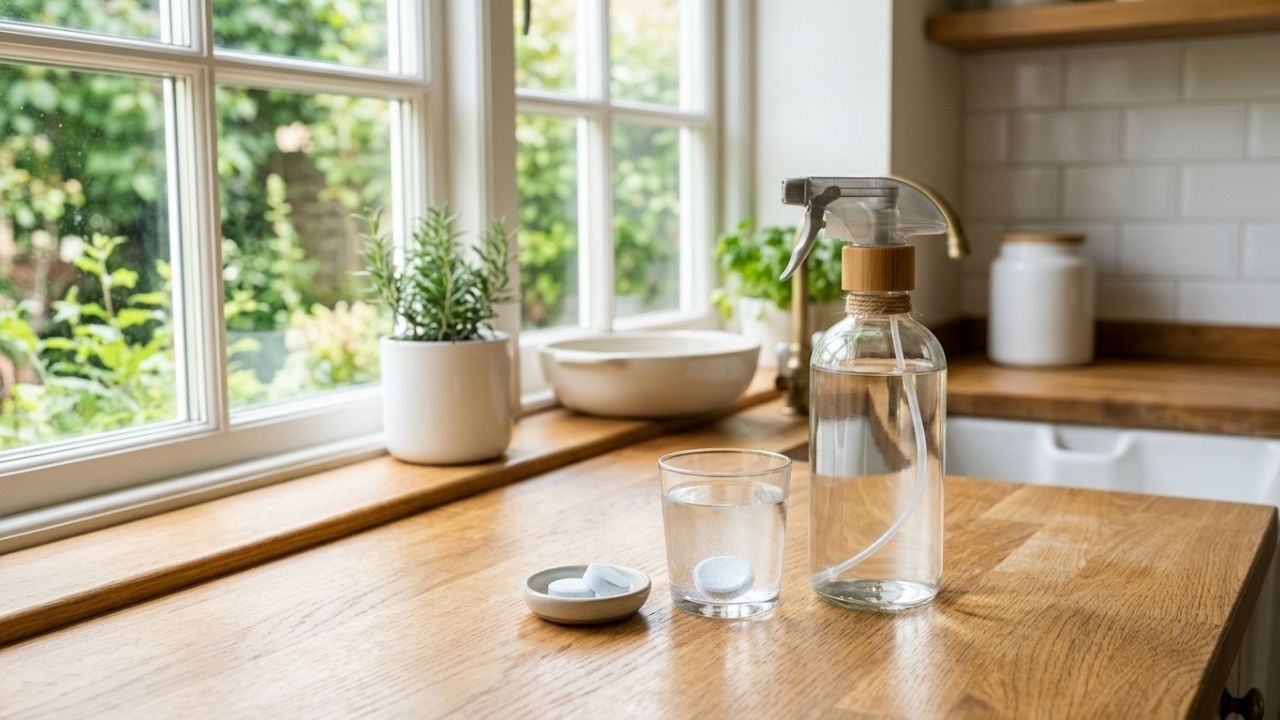
- Tablets that dissolve in water inside a reusable bottle to create a ready-to-use spray.
- Powders that are mixed with water for laundry, dish, or surface cleaning.
- Refill pouches that are far smaller and lighter than a full bottle, meant to be poured into an existing spray bottle.
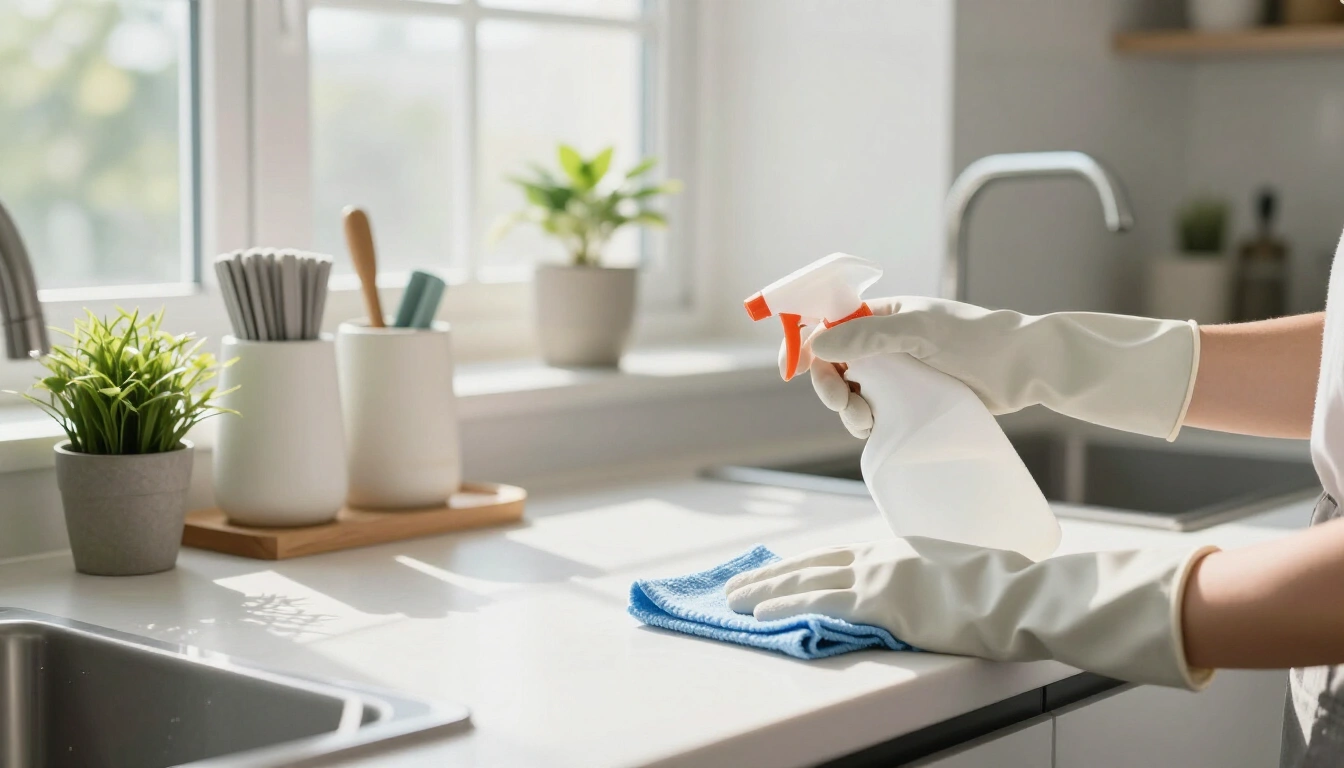
Once diluted, these products generally perform the same job as their traditional counterparts. They can tackle kitchen counters, bathroom tile, glass, floors, and even laundry, depending on the formula.
How Dilution Actually Works
Dilution ratios vary by brand and product type, but the general idea is consistent. A small amount of concentrated formula gets mixed with a much larger amount of water. For example, a single tablet might turn 16 ounces of tap water into a fully functional glass cleaner. A capful of liquid concentrate might do the same for a full bottle of all-purpose spray.
Most concentrates come with clear instructions on the label or packaging insert, so there is little guesswork involved. The main tools needed are a reusable spray bottle, tap water, and the concentrate itself.
Why Cleaning Concentrates Matter for Sustainability
For someone building a more eco-conscious home, cleaning concentrates hit several sustainability targets at once. They are not just a trendy alternative, they address real, measurable environmental costs tied to traditional cleaning products.
Less Plastic Waste
Every ready-to-use spray bottle purchased is another piece of plastic that eventually needs to be recycled or, more often, ends up in a landfill. Refillable concentrate systems mean a household can reuse the same spray bottle for years, only replacing the small refill pouch or tablet inside. Over time, this dramatically cuts down on single-use plastic waste.
Reduced Carbon Footprint from Shipping
Because concentrates remove most of the water weight before shipping, they are lighter and smaller. This means more units can be shipped in a single truck or container, which lowers the fuel used per product delivered. A pallet of concentrated refills might weigh a fraction of what the same number of ready-to-use bottles would weigh.
Lower Water Usage in Manufacturing
Traditional cleaners require water to be sourced, treated, and bottled at the factory. Concentrates shift that water use to the consumer’s tap at home, which is often more efficient and reduces the industrial water processing needed at scale.
Often Fewer Harsh Chemicals
Many companies making concentrates market themselves around plant-based or biodegradable ingredients, since the shift toward eco-friendly cleaning tends to attract brands already thinking about sustainability from the ingredient list to the packaging. This is not universal, but it is a common pattern worth checking for on labels.
Cleaning Concentrates vs Traditional Cleaners
It can help to see the differences laid out clearly. The table below compares typical traits of concentrated cleaners against standard ready-to-use products.
| Feature | Traditional Ready-to-Use Cleaner | Cleaning Concentrate |
|---|---|---|
| Packaging | Full plastic bottle each purchase | Small refill pouch, tablet, or bottle |
| Shipping weight | Heavy, mostly water | Light, minimal water |
| Plastic waste over time | High, new bottle each purchase | Low, reusable bottle stays in rotation |
| Cost per use | Often higher over time | Often lower over time |
| Storage space | Bulky | Compact |
| Preparation needed | None, ready to spray | Requires mixing with water |
This comparison shows why concentrates are gaining popularity among people who care about both their wallets and the planet. The only real tradeoff is the small extra step of mixing the product before use, which most people adjust to within a few tries.
Types of Cleaning Concentrates Available
Cleaning concentrates are not limited to one category of household cleaning. They span nearly every corner of a typical cleaning routine.
Multi-Surface and All-Purpose Cleaners
These are the most common concentrates on the market. A few drops or a tablet dissolved in water creates a spray suitable for countertops, appliances, and general surfaces around the home.
Glass and Window Cleaners
Streak-free glass cleaner concentrates work much the same way, often using a vinegar or alcohol-based formula that cuts through grime without leaving residue.
Bathroom and Tile Cleaners
Bathroom concentrates are typically formulated to be a bit stronger, designed to handle soap scum, hard water stains, and grime in showers and sinks.
Floor Cleaners
Floor cleaning concentrates are diluted into a bucket of water rather than a spray bottle, making them useful for mopping hardwood, tile, or laminate floors.
Laundry Concentrates
Laundry detergent has followed the same concentrated trend, with sheets, pods, or highly concentrated liquids replacing bulky jugs. A small sheet or pod can replace what used to require a heavy plastic container.
Dish Soap Concentrates
Dish soap concentrates, including tablets and small refill bottles, are becoming more common in kitchens looking to cut down on the number of plastic bottles under the sink.
How to Start Using Cleaning Concentrates at Home
Switching to concentrates does not require an overnight overhaul of the cleaning cabinet. It works best as a gradual transition, replacing products as they run out.
- Start with one category, such as an all-purpose spray, before switching everything at once.
- Keep a couple of durable, reusable spray bottles on hand since these will be reused for a long time.
- Read dilution instructions carefully the first time, since ratios differ between brands and product types.
- Label bottles clearly, especially if using more than one type of concentrate, to avoid mixing up products.
- Store concentrates in a cool, dry place away from direct sunlight to preserve their effectiveness.
- Watch for tablets or pouches that are compostable or made from recycled materials for an extra sustainability boost.
Common Concerns People Have
Some people hesitate to switch because of a few recurring worries. It helps to address these directly.
- Will it clean as well as regular products? Most concentrates are formulated to match or exceed the cleaning power of traditional products once properly diluted.
- Is mixing a hassle? After the first attempt, mixing usually takes less than a minute and becomes part of the routine.
- Are they more expensive? The upfront cost of a refill pouch might look similar to a bottle, but because it replaces multiple bottles worth of product, the cost per use tends to be lower.
- Are they safe to store at home? Concentrates should be kept out of reach of children and pets, just like any cleaning product, since they are more potent in their undiluted form.
The Bigger Picture: Why Small Swaps Add Up
A single household switching from bottled sprays to concentrates might not seem like a huge environmental win on its own. But sustainability rarely comes from one dramatic change. It comes from a series of small, consistent swaps that add up over months and years. Fewer plastic bottles purchased, less water shipped across the country, and a smaller box of cleaning supplies under the sink all contribute to a lighter environmental footprint.
For someone already composting, reducing single-use plastics, or trying to shop more consciously, cleaning concentrates fit naturally into that lifestyle. They are one of the easier sustainability swaps to make because they do not require sacrificing cleanliness, convenience, or budget in any major way.
Final Thoughts
Cleaning product concentrates offer a practical, low-effort way to reduce plastic waste, shrink shipping-related emissions, and often avoid unnecessary chemicals, all while keeping a home just as clean as before. The switch involves a small learning curve of measuring and mixing, but most people find it becomes second nature within a week or two.
For anyone looking to build a more sustainable home one step at a time, starting with an all-purpose concentrate or a set of laundry sheets is a simple, approachable place to begin. It is a small shift with a ripple effect that reaches far beyond the kitchen counter.