
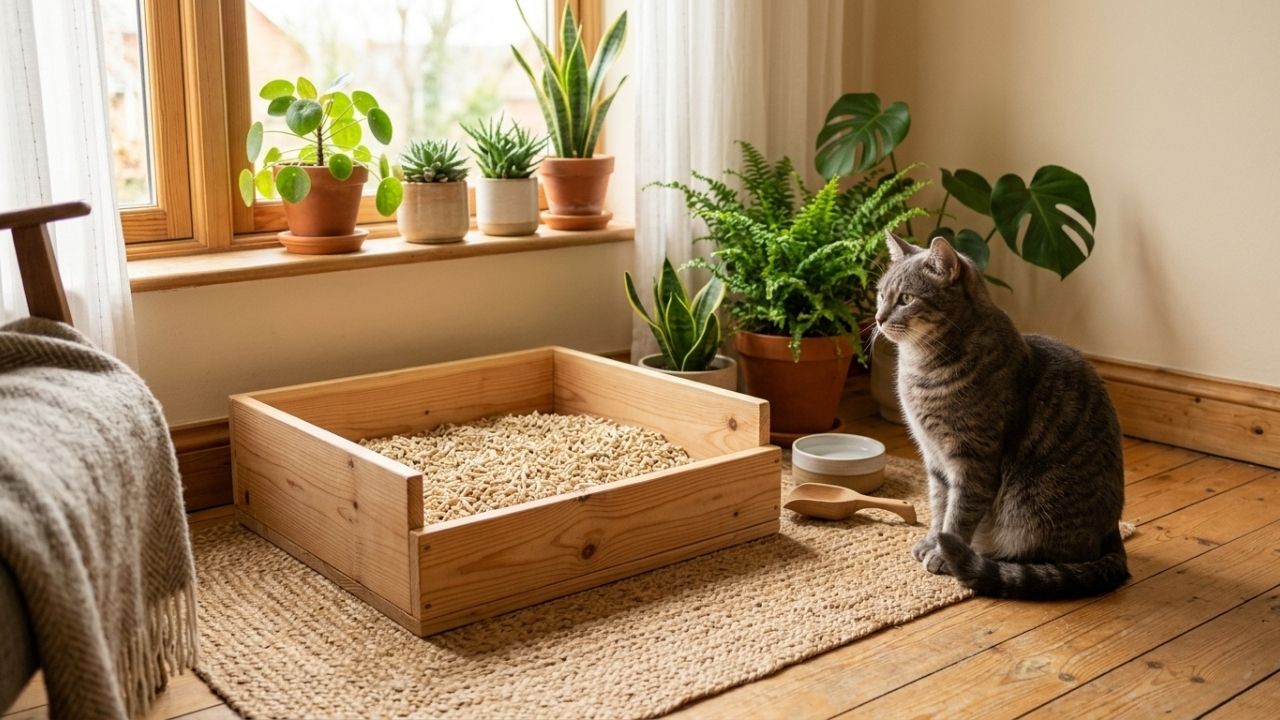
For anyone trying to live a greener life, it can feel like every corner of the home holds a small opportunity to do better for the planet. The kitchen, the bathroom, the laundry room, all of them offer chances to swap out wasteful products for something kinder to the earth.
One area that often gets overlooked, though, is the litter box. Traditional clay based cat litter has been the default choice for decades, but it comes with a surprising environmental cost. The good news is that pet owners today have more sustainable options than ever before, and switching doesn’t mean sacrificing cleanliness or convenience.
This article walks through why traditional litter is a problem, what sustainable alternatives exist, and how to make the switch smoothly for both the household and the cat.
Why Traditional Cat Litter Is Not So Eco-Friendly
Most conventional cat litter is made from bentonite clay, which is mined from the earth using strip mining techniques. This process disturbs large areas of land, removes topsoil, and can damage local ecosystems. Clay is also a non-renewable resource, meaning that once it is dug up and used, it cannot be replaced within a human lifetime.
There are a few other issues worth knowing about:
- Clumping clay litter often contains sodium bentonite, which expands significantly when wet and can be harmful if a cat ingests it while grooming.
- Clay litter is heavy, which increases the fuel and emissions needed to transport it from mines to stores to homes.
- Most clay litter ends up in landfills, where it does not break down and can sit for generations.
- Some clay litters contain added fragrances and dust suppressants made from synthetic chemicals that are not great for air quality indoors.
None of this means clay litter is dangerous in the short term, but for someone thinking about long term sustainability, these factors add up. The mining, the waste, and the lack of biodegradability all point toward looking for something better.
What Makes a Cat Litter Sustainable
Before diving into specific products, it helps to understand what actually makes a litter more eco-friendly. A sustainable litter usually checks several of these boxes:
- It is made from a renewable or recycled material rather than a mined resource.
- It is biodegradable or compostable, meaning it breaks down naturally over time.
- It requires less energy and fewer emissions to produce and transport.
- It avoids harsh chemicals, synthetic fragrances, or dust that can affect air quality.
- Its packaging is minimal or recyclable.
Not every alternative litter hits all of these marks, but the closer a product gets, the smaller its overall footprint tends to be.
Popular Sustainable Cat Litter Alternatives
There are quite a few plant based and recycled materials now used to make cat litter. Each one has its own strengths, so the right choice often depends on a cat’s preferences and a household’s priorities.
Recycled Paper Litter
Recycled paper litter is made from shredded newspaper or other paper waste that has been processed into pellets or a soft crumbly texture. It is one of the most widely available alternatives and tends to be gentle on paws, which makes it a good option for kittens or cats recovering from surgery.
Paper litter is generally low dust, biodegradable, and often flushable in small amounts, though it is always worth checking local plumbing guidelines first. On the downside, it does not clump as tightly as clay, so odor control can be less effective unless it is changed more frequently.
Wood Shaving and Sawdust Litter
Made from reclaimed wood shavings or sawdust, this type of litter is often a byproduct of the lumber industry, which means it puts material to use that might otherwise be discarded. Wood litter naturally absorbs moisture and has a pleasant, mild scent without needing added fragrance.
It usually comes in pellet form and breaks down into a sawdust like texture once wet, which some cats take a little time to adjust to. It is compostable and biodegradable, making it a strong choice for anyone who already composts pet waste separately from food waste.
Corn Based Litter
Corn litter is made from ground corn cob or corn starch. It clumps well, controls odor naturally, and is soft on paws. Because corn is a renewable crop, this litter has a smaller environmental footprint than mined clay.
One thing to watch for is that corn based litter can occasionally attract pests like small bugs if it is not stored properly, so keeping it in a sealed container is a good habit.
Wheat Based Litter
Similar to corn litter, wheat litter uses the natural starches in wheat to create clumps when wet. It tends to have a neutral, slightly sweet smell on its own and is fully biodegradable. Many wheat litters are flushable, though again, checking with a septic system provider is wise before flushing regularly.
Walnut Shell Litter
Made from crushed walnut shells, this litter is highly absorbent and naturally dark in color, which some owners find helps mask staining. It has strong odor control and is biodegradable. The texture is a bit coarser than other options, so it may take some cats longer to get used to it.
Grass Seed Litter
A newer entrant to the market, grass based litter is made from fast growing grass that requires very little water or pesticide to cultivate. It clumps tightly, has minimal dust, and is often praised for having almost no natural odor of its own.
Coconut Husk and Coconut Coir Litter
Coconut coir is the fibrous material found between the outer shell and inner flesh of a coconut. It is a byproduct of the coconut industry, so using it for litter helps reduce agricultural waste. It has excellent moisture absorption and natural odor neutralizing properties, though it tends to be pricier than other plant based options.
Comparing Sustainable Litter Options
| Litter Type | Renewable Source | Clumping Ability | Odor Control | Best For |
|---|---|---|---|---|
| Recycled Paper | Yes | Low | Fair | Kittens, post surgery cats |
| Wood Shavings | Byproduct | Moderate | Good | Composting households |
| Corn Based | Yes | Strong | Good | Multi cat homes |
| Wheat Based | Yes | Strong | Good | Cats sensitive to dust |
| Walnut Shell | Byproduct | Moderate | Very Good | Strong odor control needs |
| Grass Seed | Yes | Strong | Very Good | Cats sensitive to smell |
| Coconut Coir | Byproduct | Moderate | Very Good | Eco focused households with budget flexibility |
Tips for Switching a Cat to a New Litter
Cats can be creatures of habit, and a sudden change in litter texture or smell sometimes leads to litter box avoidance. A gradual transition tends to work best.
- Start by mixing a small amount of the new litter into the existing box, roughly one quarter new to three quarters old.
- Over the course of one to two weeks, slowly increase the ratio of new litter while decreasing the old.
- Keep the litter box in the same location throughout the transition to avoid adding extra stress.
- Scoop daily regardless of litter type, since cats are more likely to avoid a dirty box no matter what it is made of.
- If a cat seems resistant, try offering two boxes side by side, one with the old litter and one with the new, to see which is preferred.
- Watch for signs of discomfort, such as avoiding the box entirely or accidents outside of it, and slow the transition down if needed.
Patience is key here. Some cats adjust within a few days, while others may take several weeks to fully accept a new texture.
Composting Cat Litter Safely
For households that are serious about reducing waste, composting used litter might sound appealing, but it requires caution. Cat feces can carry a parasite called Toxoplasma gondii, which is not eliminated through typical home composting temperatures and can be harmful to humans, especially pregnant women, and to wildlife if the compost is used on food crops or washes into waterways.
Because of this, most experts recommend that composted cat waste only be used on ornamental plants, never on vegetable gardens or anywhere near food production. Some sustainable litters are specifically labeled as safe for composting, and following the manufacturer’s instructions closely is important. When in doubt, disposing of used litter in the regular trash rather than composting it is the safer choice.
Additional Ways to Reduce Environmental Impact
Choosing a sustainable litter is a great first step, but there are a few other habits that can shrink a litter box’s footprint even further.
- Buy in bulk when possible to reduce packaging waste and the number of delivery trips required.
- Look for brands that use recyclable or compostable packaging rather than plastic bags.
- Consider a litter box liner made from biodegradable material instead of plastic liners.
- Use a scoop made from bamboo or recycled materials rather than new plastic.
- Store litter in a reusable bin at home rather than keeping it in its original packaging.
Addressing Common Concerns
Many pet owners hesitate to switch litters because of worries about cost, odor, or whether their cat will accept the change. It is true that some plant based litters cost more per bag than clay, though because many of them are lighter and more absorbent, a bag can sometimes last just as long or longer.
Odor control has also improved significantly in recent years as manufacturers have refined their formulas, so the gap between clay and plant based options has narrowed. As for cat acceptance, every cat is different, but a slow transition combined with consistent scooping usually leads to a smooth switch.
Final Thoughts
Making the switch to a sustainable cat litter is one small but meaningful way to reduce a household’s environmental footprint without changing daily routines dramatically.
From recycled paper to walnut shells to grass based options, there is likely a plant based or recycled litter that fits both a cat’s preferences and a family’s values. Taking the time to research, transition gradually, and dispose of used litter responsibly means pet owners can care for their cats and the planet at the same time.



