There is something quietly powerful about stepping into a backyard, a balcony, or even a sunny windowsill and picking food that was grown by one’s own hands.
For anyone drawn to a more sustainable and eco-friendly way of living, growing food at home is one of the most rewarding places to start. It connects daily habits to the earth in a way that few other activities can, and it offers benefits that stretch far beyond the dinner plate.
This article explores the many benefits of growing your own food, from environmental impact to personal wellbeing, and offers practical guidance for anyone curious about getting started.
Why Home Food Growing Matters for Sustainability
Modern food systems rely heavily on long supply chains, packaging, and transportation. A tomato bought at the average grocery store may have traveled hundreds or even thousands of miles before reaching a plate. Growing food at home shortens that distance to just a few steps, and that shift carries real environmental weight.
When someone grows their own vegetables, herbs, or fruit, they are directly reducing the demand for commercially farmed produce that depends on fossil fuels for transport, refrigeration, and processing. This is one of the simplest ways an individual can lower their personal carbon footprint without making drastic lifestyle changes.
Reducing Carbon Footprint
Home gardens skip most of the steps that add emissions to store-bought food, including:
- Long-distance shipping by truck, ship, or plane
- Refrigerated storage in warehouses
- Plastic packaging production and disposal
- Fuel used for repeated trips to and from large-scale farms
Even a small container garden on a patio reduces reliance on this system, one meal at a time.
Supporting Biodiversity
Home gardens, especially those grown organically, can become small habitats for pollinators like bees, butterflies, and beneficial insects. Planting a variety of vegetables, herbs, and flowers together encourages a healthier micro-ecosystem than the monoculture rows typical of industrial farming. Over time, this can help support the broader decline in pollinator populations that many regions are facing.
Health Benefits of Growing Your Own Food
Beyond the planet, growing food at home has a direct and measurable impact on personal health.
Fresher, More Nutrient-Dense Produce
Fruits and vegetables begin losing nutrients the moment they are harvested. Produce that travels long distances and sits in storage for days or weeks often has lower vitamin content than food picked and eaten within hours. Homegrown produce goes straight from soil to table, preserving more of its natural nutritional value.
Fewer Chemicals and Pesticides
Growing food at home gives full control over what goes into the soil and onto the plants. This means:
- No reliance on synthetic pesticides unless specifically chosen
- The ability to use organic and natural pest control methods
- Full knowledge of exactly what was used during the growing process
For anyone concerned about chemical residue on store-bought produce, this level of control is hard to match.
Encouraging Physical Activity
Gardening is a gentle but effective form of physical activity. Digging, planting, weeding, and harvesting all involve movement that supports flexibility, strength, and cardiovascular health. It is low-impact enough for most fitness levels, making it accessible to a wide range of people, including older adults.
Supporting Mental Wellbeing
Spending time outdoors and working with soil has been linked to reduced stress and improved mood. There is also a psychological benefit to nurturing something from seed to harvest. Watching a plant grow, seeing it through challenges like pests or weather, and finally eating the food it produces creates a sense of accomplishment that is hard to replicate elsewhere.
Financial Benefits of Growing Food at Home
Sustainability and savings often go hand in hand, and home food growing is no exception.
Lower Grocery Bills Over Time
While there is an upfront cost to seeds, soil, and tools, these expenses are typically much lower than the ongoing cost of buying fresh produce, especially organic produce, from a store. Herbs in particular offer excellent savings, since a small packet of seeds can produce far more than the cost of buying fresh herbs repeatedly.
Reduced Food Waste
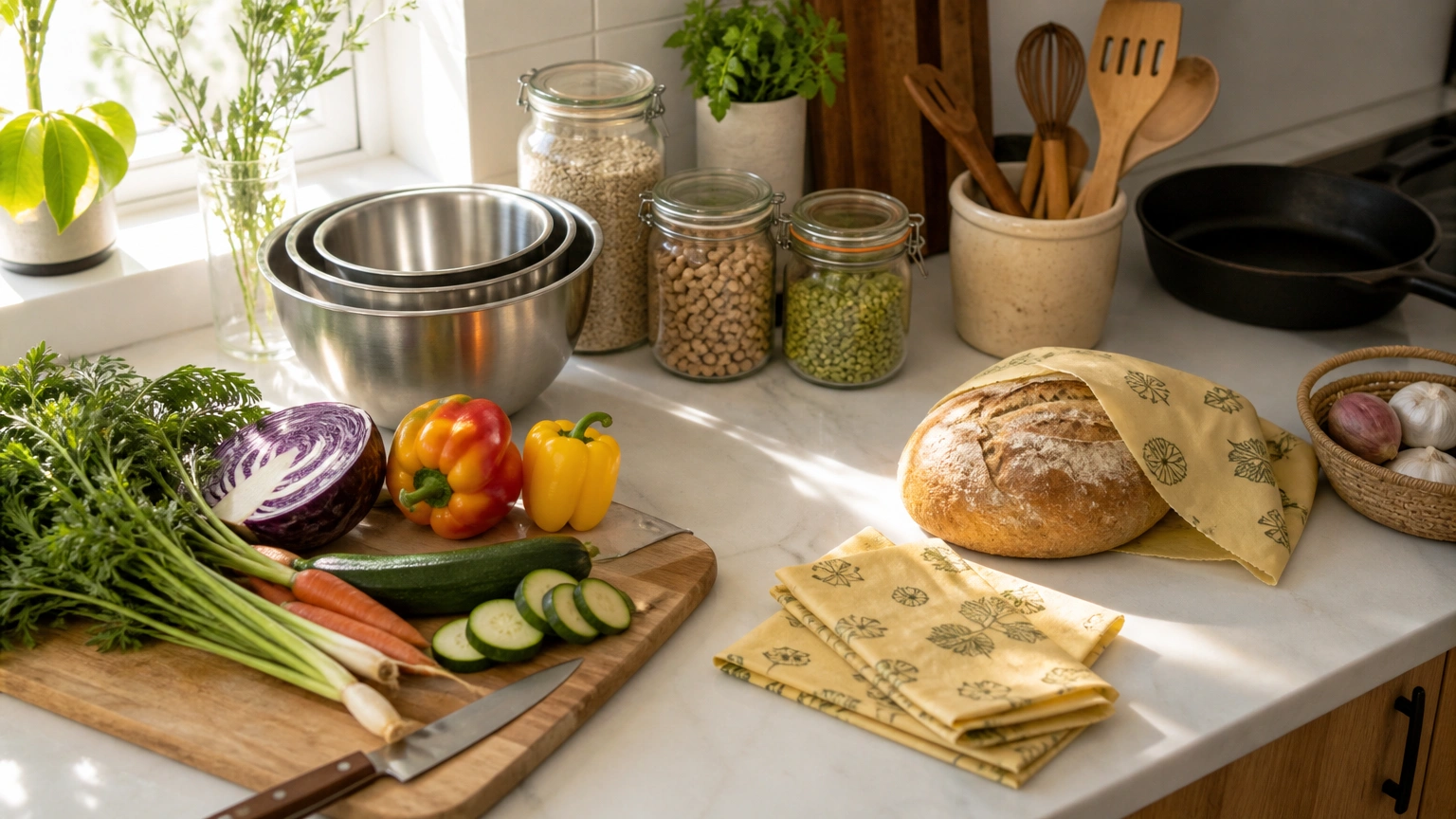
When people grow their own food, they tend to become more mindful of how much they use and waste. Harvesting only what is needed, learning to preserve extra produce through freezing or canning, and composting scraps all contribute to a lower overall waste footprint.
| Benefit Area | Store-Bought Produce | Homegrown Produce |
|---|---|---|
| Freshness | Days to weeks old | Harvested same day |
| Transportation emissions | High | Minimal to none |
| Packaging waste | Common | Rare or none |
| Pesticide control | Limited | Full control |
| Cost over time | Ongoing and rising | Lower after initial setup |
| Food waste awareness | Lower | Higher |
Environmental Benefits Beyond Carbon Emissions
The advantages of home food growing extend into several other areas of environmental impact that are often overlooked.
Improved Soil Health
Home gardeners who use compost and organic methods actively improve the health of their soil rather than depleting it. Healthy soil holds more water, supports more plant life, and stores carbon more effectively than degraded soil found in many industrial farming operations.
Water Conservation Opportunities
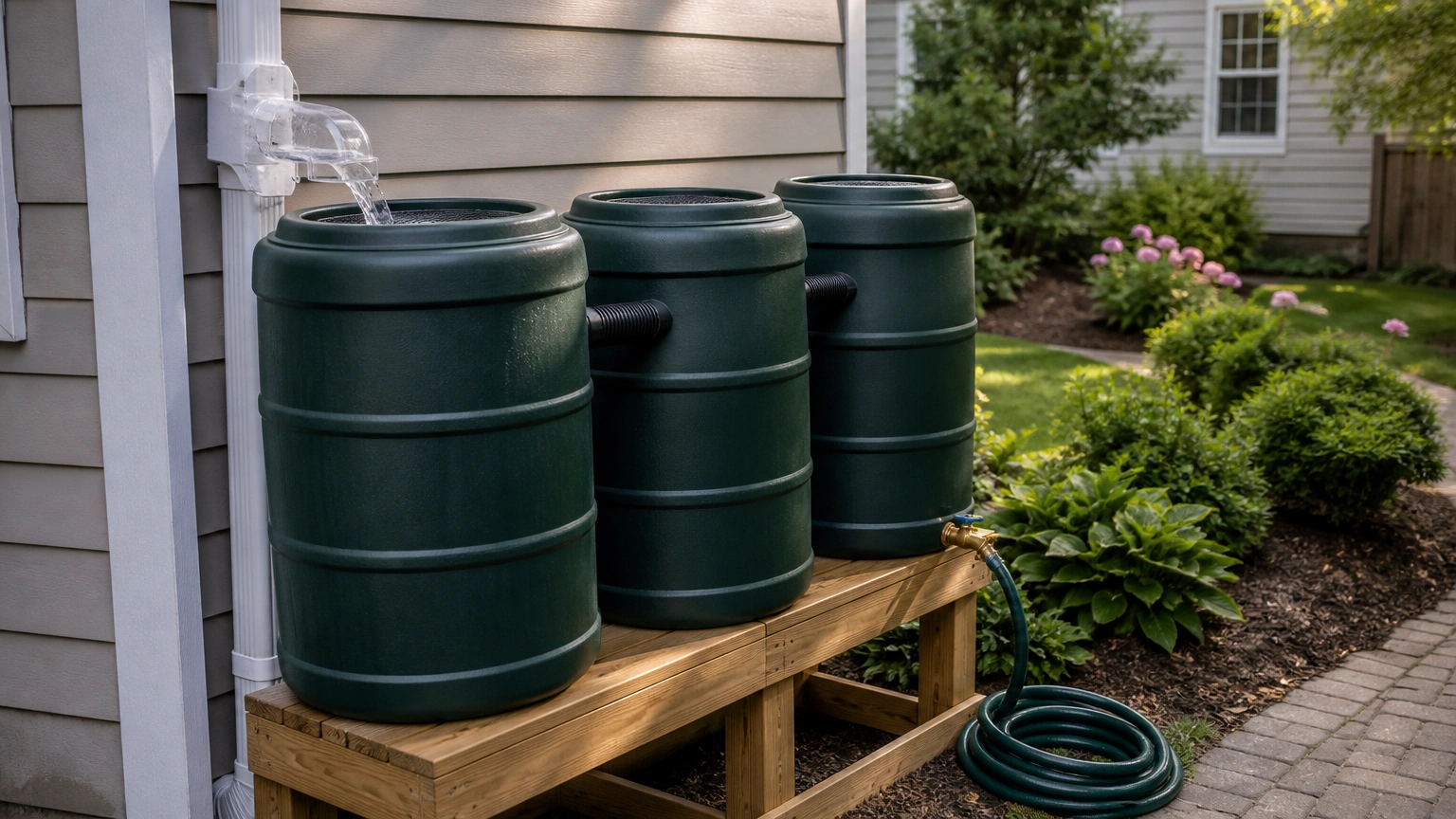
Growing food at home allows for more thoughtful water use compared to large-scale agriculture. Techniques such as drip irrigation, rainwater collection, and mulching can significantly reduce water waste in a home garden setting.
Less Plastic Packaging
Store-bought produce is frequently wrapped in plastic, placed in plastic clamshells, or bagged for transport. Homegrown food eliminates most of this packaging entirely, cutting down on single-use plastic that often ends up in landfills or waterways.
Getting Started with Growing Your Own Food
For those new to the idea, starting a home garden can feel intimidating, but it does not need to be complicated. A few thoughtful steps can set anyone up for success.
Choosing What to Grow
Beginners often find the most success by starting with low-maintenance plants that offer a high reward for relatively little effort. Good options include:
- Herbs like basil, mint, and parsley
- Leafy greens such as lettuce and spinach
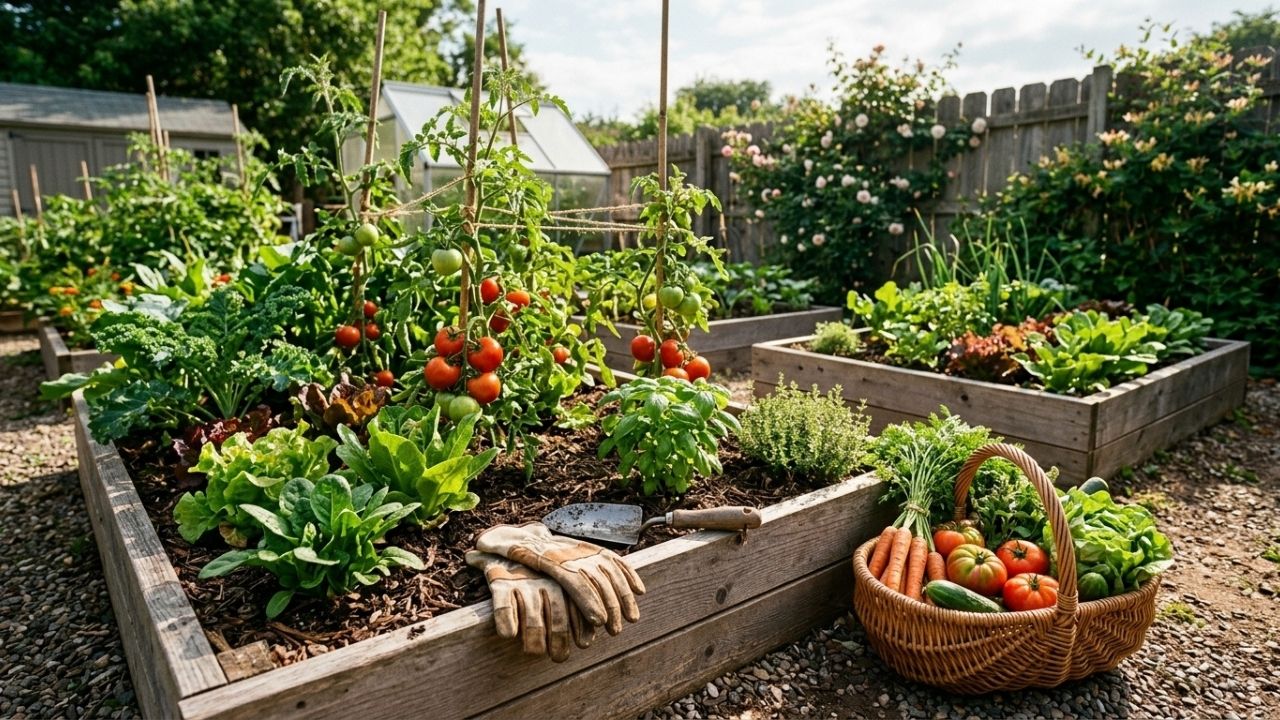
- Tomatoes, which grow well in containers or garden beds
- Peppers, which thrive in warm, sunny conditions
- Radishes, which grow quickly and are ideal for beginners
Assessing Available Space
Not everyone has access to a large backyard, and that is perfectly fine. Growing food can happen in a variety of spaces, including:
- A traditional backyard garden bed
- Raised garden beds for better soil control
- Containers or pots on a balcony or patio
- A sunny windowsill for small herbs
- Community garden plots for those without outdoor space at home
Building Healthy Soil
Good soil is the foundation of a successful garden. Adding compost, either homemade or store-bought, helps improve soil structure and provides essential nutrients for plants to thrive. Composting kitchen scraps is also a natural extension of a sustainable lifestyle, turning food waste into something useful rather than sending it to a landfill.
Watering Wisely
Overwatering and underwatering are two of the most common mistakes new gardeners make. A general rule of thumb is to water deeply but less frequently, encouraging roots to grow downward in search of moisture. Mulching around plants helps retain soil moisture and reduces the need for frequent watering.
Common Challenges and How to Overcome Them
Growing food at home is rewarding, but it does come with its share of challenges. Understanding these in advance can help set realistic expectations.
Pests and Diseases
Insects and plant diseases are a natural part of gardening. Rather than reaching for harsh chemicals, many home gardeners turn to natural solutions such as:
- Companion planting to naturally deter pests
- Introducing beneficial insects like ladybugs
- Using organic sprays made from ingredients like neem oil
- Rotating crops each season to reduce disease buildup
Limited Time
Busy schedules can make consistent garden care difficult. Choosing low-maintenance plants, setting up a simple watering system, and starting small are all effective ways to keep a garden manageable without becoming overwhelming.
Unpredictable Weather
Weather changes can affect plant growth, especially for those in regions with unpredictable seasons. Using raised beds, row covers, or container gardens that can be moved indoors during extreme weather helps protect plants from sudden temperature shifts.
The Bigger Picture: Growing Food as Part of a Sustainable Lifestyle
Growing food at home is rarely just about the vegetables themselves. For many people, it becomes a gateway into a broader interest in sustainability. It naturally encourages composting, reduces reliance on plastic packaging, and builds a deeper appreciation for where food actually comes from.
It also fosters a stronger connection to the seasons. Instead of expecting strawberries in December or tomatoes year round, home gardeners begin to understand and appreciate what grows naturally at different times of the year. This seasonal awareness often extends into other areas of life, encouraging more mindful and sustainable choices at the grocery store as well.
There is also a community element that often develops. Gardeners frequently exchange seeds, tips, and even surplus produce with neighbors, friends, and local community groups. This kind of sharing builds stronger local food networks and reduces overall dependence on large-scale commercial agriculture.
Final Thoughts
Growing your own food offers a rare combination of benefits that touch on health, finances, and the environment all at once. It reduces carbon emissions tied to transportation and packaging, supports biodiversity, improves personal health through fresher produce and physical activity, and often leads to real savings over time.
For anyone interested in living a more sustainable and eco-friendly lifestyle, a home garden, no matter how small, is one of the most tangible and satisfying places to begin. It turns abstract environmental goals into something that can be touched, tasted, and shared, one homegrown meal at a time.