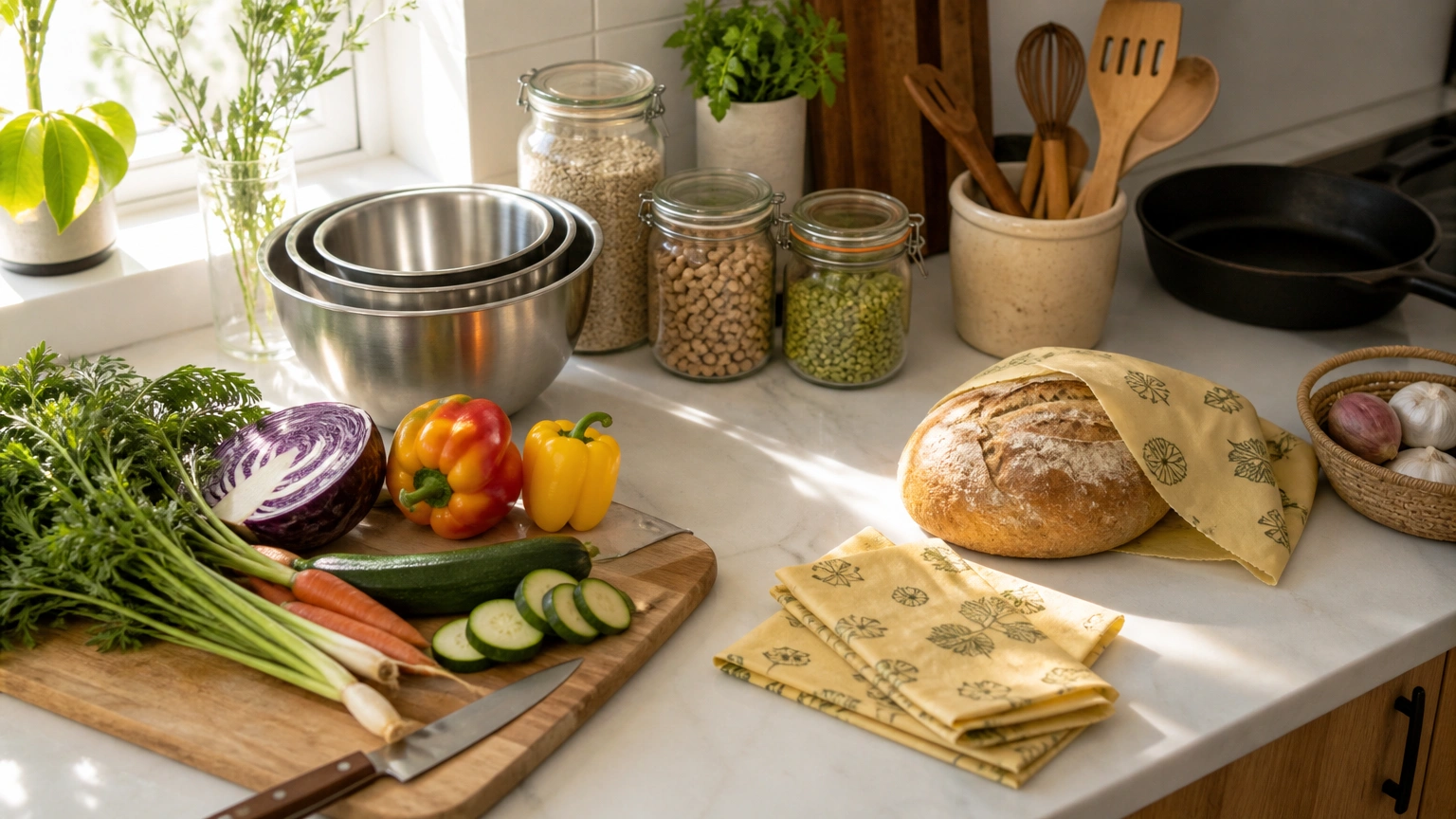
Food waste is one of the quiet problems of modern life. It happens in small moments, a forgotten bag of spinach in the back of the fridge, a loaf of bread that goes stale before anyone finishes it, leftovers that get pushed to the back of a shelf and forgotten.
On their own these moments seem harmless. Added together across millions of households, they become a massive drain on resources, money, and the environment.
For anyone trying to live a more sustainable and eco-friendly life, reducing food waste is one of the most powerful and accessible changes to make. It does not require special equipment, a big budget, or a complete lifestyle overhaul.
It simply requires a bit of awareness and a few new habits. This article walks through the easiest, most practical ways to cut down on food waste at home, along with why it matters so much for the planet.
Why Reducing Food Waste Matters
Before diving into the practical tips, it helps to understand why this issue deserves attention.
When food is thrown away, it is not just the food itself that is lost. Every item that ends up in the trash also represents the water used to grow it, the fuel used to transport it, the packaging created for it, and the labor that went into producing it. All of that effort and all of those resources go to waste along with the food.
There is also the issue of landfills. When food waste decomposes in a landfill, it does not break down the way it would in a compost pile. Instead, it releases methane, a greenhouse gas that is significantly more potent than carbon dioxide in the short term. This means that food waste is not just a symbol of inefficiency, it is an active contributor to climate change.
On a personal level, food waste also means wasted money. Groceries are expensive, and every item that gets thrown out is money spent for nothing. For a household trying to save on bills while also reducing its environmental footprint, cutting food waste is one of the rare changes that helps both goals at once.
Start With a Simple Kitchen Audit
Many people are surprised by how much food they actually throw away once they start paying attention. A kitchen audit is a simple, low effort way to figure out where the biggest waste is happening.
How to Do a Kitchen Audit
- Keep a small notebook or use a notes app on a phone
- For one week, write down every item of food that gets thrown away
- Note whether it went bad, was forgotten, or was simply too much to finish
- At the end of the week, look for patterns
This exercise often reveals surprising truths. Maybe a household buys too much lettuce because it looks appealing at the store but never gets used before wilting. Maybe leftovers are cooked but rarely eaten because they get pushed to the back of the fridge. Once the pattern is clear, it becomes much easier to fix.
Plan Meals Before Grocery Shopping
One of the single most effective habits for reducing food waste is meal planning. Buying food without a plan often leads to overbuying, duplicate purchases, and ingredients that never get used.
Simple Meal Planning Tips
- Choose meals for the week before heading to the store
- Check the fridge and pantry first to see what already needs to be used
- Build a shopping list based only on what is actually needed
- Avoid shopping on an empty stomach, since hunger tends to lead to impulse buying
- Leave a little flexibility in the plan for one or two meals using leftovers
Meal planning does not need to be rigid. Even loosely planning three or four dinners for the week can dramatically cut down on waste, since it reduces the number of random ingredients bought just in case.
Store Food the Right Way
A surprising amount of food waste happens simply because food is not stored properly. Many fruits and vegetables spoil faster than they need to because they are kept in the wrong spot in the kitchen or fridge.
Storage Tips That Extend Freshness
- Store leafy greens with a paper towel in a sealed container to absorb extra moisture
- Keep herbs in a small glass of water on the counter, similar to a bouquet of flowers
- Store potatoes and onions in a cool, dark place, but keep them separate from each other
- Freeze bread if it will not be eaten within a few days
- Use airtight containers for opened pantry items like flour, rice, and grains
Learning which foods belong in the fridge and which belong outside of it can make a noticeable difference. Tomatoes, for example, often lose flavor and texture when refrigerated, while items like berries last longer when kept cold.
Understand Expiration Dates
One of the biggest sources of unnecessary food waste is confusion around expiration labels. Many people assume that a date on a package means the food is unsafe to eat after that point, when in reality most labels are about quality, not safety.
Common Types of Date Labels
| Label Type | What It Actually Means |
|---|---|
| Best By | Indicates peak quality, not safety. Food is often fine to eat after this date. |
| Sell By | Meant for store inventory, not a signal that food is unsafe at home. |
| Use By | The most safety-related label, especially for items like dairy or deli meat. |
| Freeze By | Suggests when to freeze an item to preserve its best quality. |
Learning to trust the senses, sight, smell, and texture, is often more reliable than relying solely on a printed date. If food looks and smells normal, it is often still safe to eat even after a best by date has passed.
Get Creative With Leftovers
Leftovers are one of the most commonly wasted categories of food. They often get pushed to the back of the fridge and forgotten, or people simply get bored of eating the same meal twice.
Ways to Use Up Leftovers
- Turn last night’s vegetables into a soup or stir fry
- Use leftover rice for fried rice the next day
- Blend overripe fruit into a smoothie
- Repurpose roasted vegetables into a grain bowl or wrap
- Freeze small portions of leftovers for future quick meals
A helpful habit is to designate one day a week as a leftovers night, where the goal is simply to clear out the fridge before starting a new round of groceries. This small ritual prevents food from lingering too long and going bad.
Learn to Love the Whole Vegetable
Many households throw away perfectly edible parts of vegetables simply out of habit. Carrot tops, broccoli stems, potato skins, and beet greens are often nutritious and flavorful, yet they end up in the trash instead of on the plate.
Parts of Food Often Thrown Away Unnecessarily
- Broccoli stems, which can be sliced thin and roasted or added to stir fries
- Carrot tops, which can be turned into a pesto
- Herb stems, which can flavor soups and broths
- Citrus peels, which can be zested for baking or homemade cleaning products
- Vegetable scraps in general, which can be simmered into a homemade broth
This approach, sometimes called root to stem cooking, reduces waste while also stretching a grocery budget further.
Compost What Cannot Be Eaten
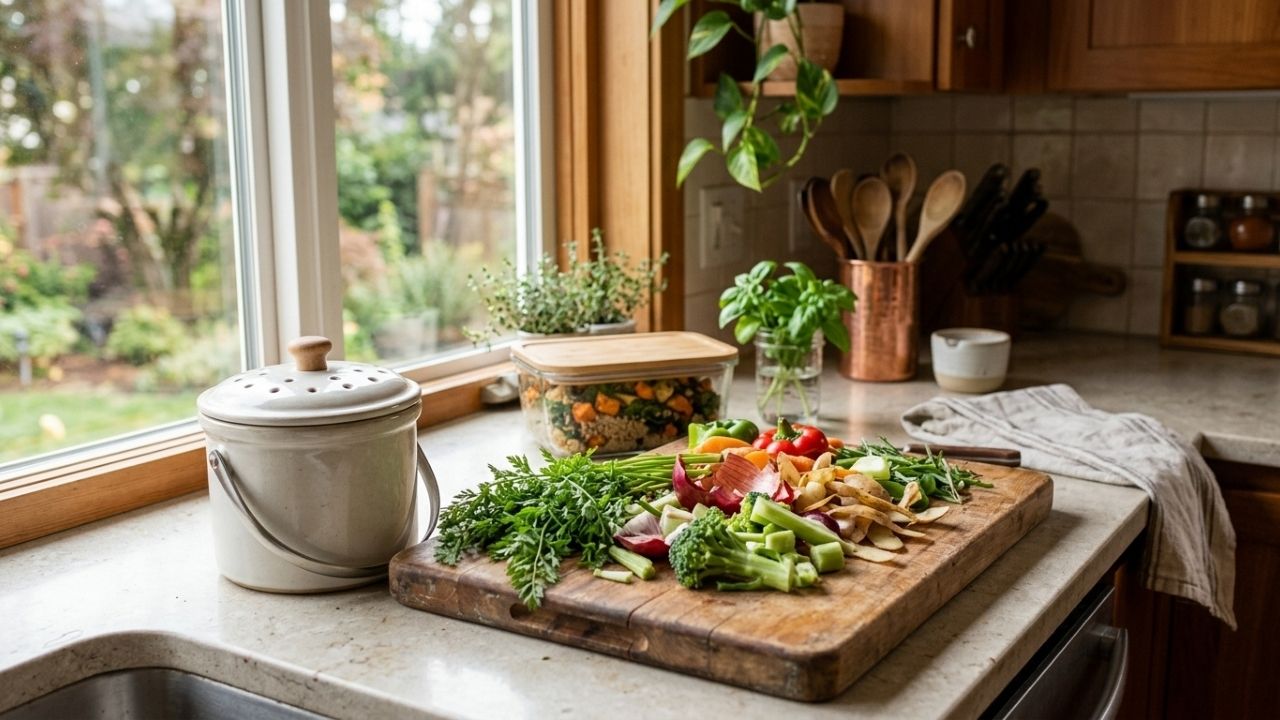
Even with the best planning, some food scraps are unavoidable. Eggshells, coffee grounds, fruit peels, and vegetable ends are a normal part of cooking. Instead of sending these to the landfill, composting turns them into something useful.
Getting Started With Composting
- A small countertop compost bin can hold scraps until they are ready to be moved outside
- Backyard composting works well for households with outdoor space
- Community compost programs are available in many cities for those without a yard
- Composting worm bins, sometimes called vermicomposting, work well for small apartments
Composting keeps organic material out of landfills, reduces methane emissions, and eventually creates nutrient rich soil that can be used for gardening.
Shop Smarter at the Grocery Store
The way food is purchased has a direct impact on how much of it ends up wasted. A few adjustments at the store can make a noticeable difference over time.
Smarter Shopping Habits
- Buy smaller quantities of perishable items more frequently instead of bulk buying items that spoil quickly
- Choose imperfect produce when available, since it is often discounted and just as nutritious
- Avoid buying pre bundled produce if only part of it will be used
- Stick closely to the prepared shopping list
Shopping with intention rather than impulse naturally reduces the amount of food that ends up unused.
Freeze More Than Expected
The freezer is one of the most underused tools in the fight against food waste. Many foods freeze far better than people expect, and freezing can extend the life of ingredients that would otherwise spoil.
Foods That Freeze Well
- Bread, muffins, and baked goods
- Cooked grains like rice and quinoa
- Soups, stews, and sauces
- Fresh herbs, chopped and frozen in oil or water
- Overripe bananas for future smoothies or baking
A habit of freezing food before it turns is far more effective than trying to use it up at the last minute.
Involve the Whole Household
Reducing food waste works best as a shared habit rather than a solo effort. When everyone in a household understands the goal, it becomes much easier to stick to.
Ways to Get Everyone on Board
- Keep a visible list on the fridge of items that need to be used soon
- Assign one person to check the fridge before grocery trips
- Make leftovers night a shared tradition rather than a chore
- Involve children in meal planning and cooking to build awareness early
Small shifts in household culture often have a bigger impact than any single tip on its own.
The Bigger Picture
Reducing food waste is one of those rare habits that benefits nearly every part of life. It saves money, it reduces the strain on landfills, it lowers greenhouse gas emissions, and it encourages a deeper appreciation for the food being eaten. None of the steps above require drastic changes. They are small, manageable habits that build up over time into a meaningful difference.
For anyone working toward a more sustainable and eco-friendly lifestyle, food waste reduction is one of the easiest places to start. It does not require new products or expensive investments, just a bit more attention and intention in the kitchen. Over time, these small habits add up to less waste, more savings, and a lighter footprint on the planet.