More people are rethinking what they buy and why. Whether it is a reaction to rising landfill waste, concerns about plastic pollution, or simply wanting to feel better about daily choices, the shift toward eco-friendly products has become one of the biggest trends in modern shopping.
For anyone trying to live a greener life, understanding what these products actually are, and how they differ from conventional items, is a great place to start.
This guide breaks down the most common categories of eco-friendly products, explains what makes them sustainable, and offers practical tips for anyone looking to swap out everyday items for greener alternatives.
What Makes a Product “Eco-Friendly”
Before diving into categories, it helps to understand what the term actually means. An eco-friendly product is generally one that has a reduced negative impact on the environment compared to a standard alternative. This can apply to how the item is made, what it is made from, how long it lasts, or what happens to it once it is thrown away.
Some common traits of eco-friendly products include:
- Made from renewable, recycled, or biodegradable materials
- Produced using less energy or water during manufacturing
- Free from harmful chemicals, toxins, or synthetic additives
- Designed to be reused, refilled, or repaired rather than thrown away
- Packaged in minimal or plastic-free materials
- Sourced from ethical or sustainable supply chains
Not every product will check every box, and that is completely normal. Sustainability exists on a spectrum, and even small improvements can add up over time.
Household Cleaning Products
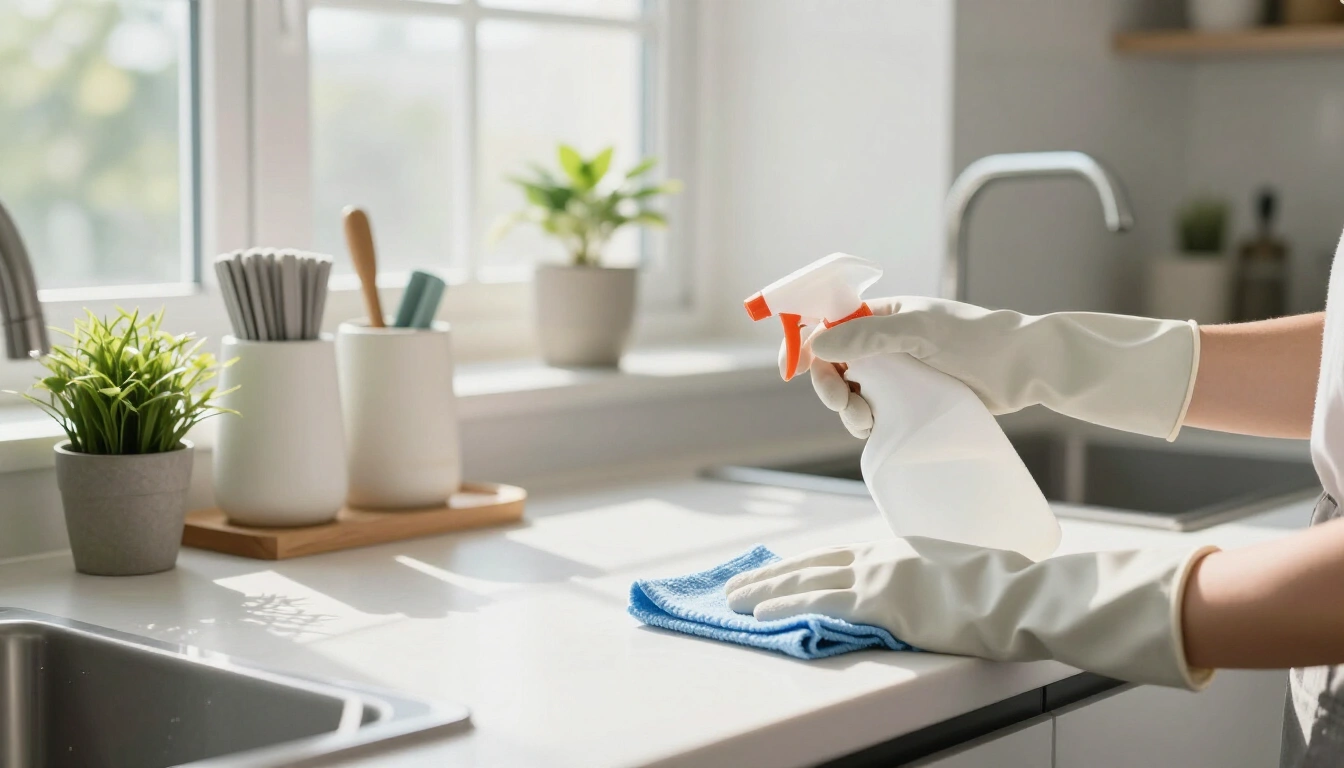
Cleaning supplies are one of the easiest places to start when switching to a greener lifestyle. Traditional cleaners often contain harsh chemicals that can pollute waterways and irritate skin and lungs. Eco-friendly versions swap these out for plant-based ingredients that break down safely in the environment.
Common Types
- Plant-based multi-surface sprays
- Concentrated cleaning tablets that dissolve in reusable bottles
- Laundry detergent sheets or powders instead of plastic jugs
- Dish soap bars instead of liquid soap in plastic bottles
- Reusable cleaning cloths instead of disposable paper towels
Many brands now offer refill stations or concentrate pouches, which cut down significantly on plastic packaging waste.
Personal Care and Beauty Products
The beauty and personal care industry has seen a major shift toward sustainability, driven largely by consumer demand for cleaner ingredients and less waste. This category covers everything from skincare to hair care to oral hygiene.
Common Types
- Shampoo and conditioner bars that eliminate plastic bottles
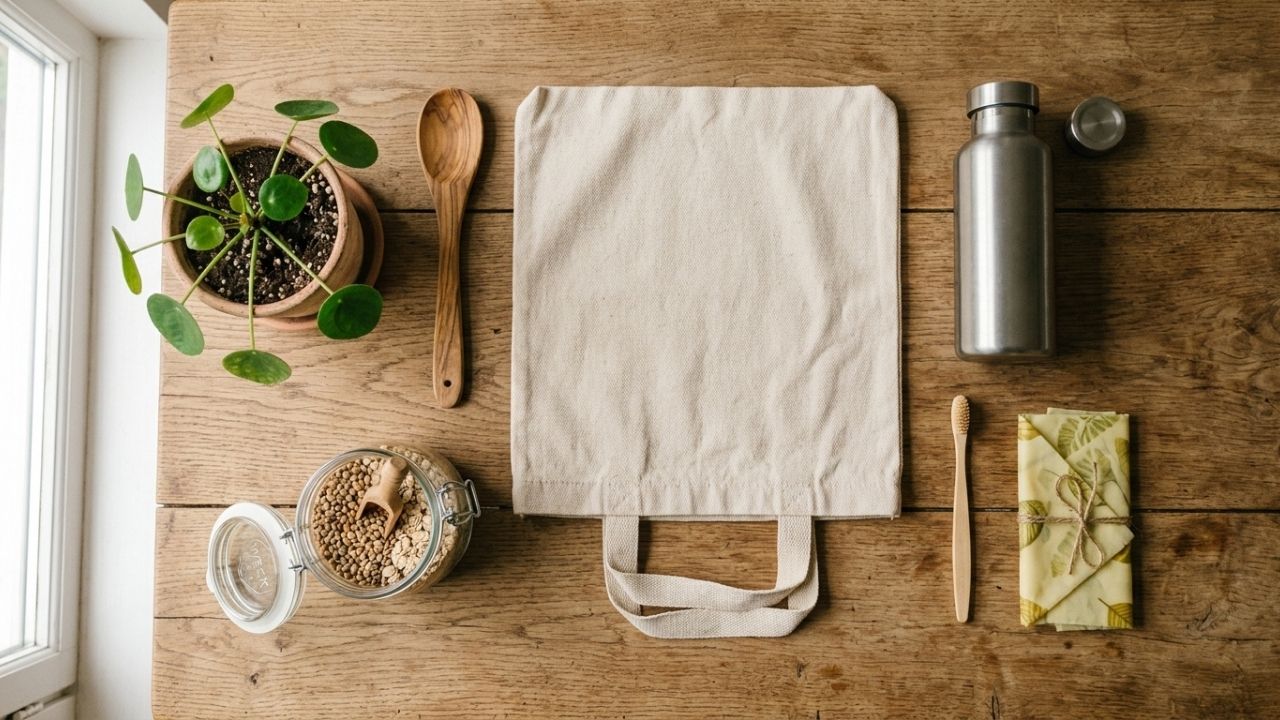
- Bamboo toothbrushes as an alternative to plastic ones
- Reusable makeup remover pads instead of disposable cotton rounds
- Solid deodorant in cardboard or metal packaging
- Refillable makeup containers
- Biodegradable dental floss made from silk or bamboo fiber
These products often last just as long as conventional versions, and many people find that solid or concentrated formulas actually go further than their liquid counterparts.
Clothing and Textiles
Fast fashion has become one of the largest contributors to environmental waste, from water-intensive cotton farming to synthetic fabrics that shed microplastics. Sustainable clothing addresses these problems through better materials and production practices.
Common Types
- Clothing made from organic cotton, hemp, or linen
- Garments made from recycled polyester or reclaimed fabric
- Secondhand or thrifted clothing
- Clothing rental services for special occasions
- Shoes made from natural or recycled rubber
- Accessories made from cork, recycled leather, or plant-based materials
Buying fewer, higher-quality pieces that are built to last is often more sustainable than frequently purchasing cheap, trend-based clothing.
Kitchen and Food Storage Products
The kitchen is another area where plastic waste tends to pile up quickly. Eco-friendly kitchen products aim to reduce single-use plastic and encourage reusable alternatives.
Common Types
- Beeswax wraps instead of plastic cling film
- Silicone food storage bags that can be washed and reused
- Glass or stainless steel containers instead of plastic ones
- Compostable trash bags
- Reusable produce bags for grocery shopping
- Bamboo or wooden kitchen utensils
Switching to these products not only reduces plastic use but often improves food storage quality, since materials like glass and stainless steel do not absorb odors or stains the way plastic can.
Reusable Bags and Containers
Single-use plastic bags remain one of the most visible forms of environmental waste, which is why reusable bags have become a staple of eco-friendly living.
Common Types
- Canvas or cotton tote bags for grocery shopping
- Insulated lunch bags made from recycled materials
- Mesh produce bags
- Collapsible silicone containers for travel or takeout
- Reusable water bottles made from stainless steel or glass
Many grocery stores and retailers now offer discounts for customers who bring their own bags, making this one of the simplest and most cost-effective swaps to make.
Energy-Efficient Products
Sustainability is not just about materials, it also includes how much energy a product consumes during its lifetime. Energy-efficient products help reduce electricity use and lower utility bills at the same time.
Common Types
- LED light bulbs instead of incandescent bulbs
- Smart thermostats that reduce unnecessary heating and cooling
- Solar-powered chargers and outdoor lighting
- Energy-efficient appliances with high efficiency ratings
- Low-flow showerheads and faucets that reduce water use
These products tend to have a higher upfront cost but pay for themselves over time through lower energy bills, making them both environmentally and financially smart choices.
Paper and Office Products
Offices and home workspaces generate a surprising amount of waste, from printer paper to disposable pens. Eco-friendly office products aim to minimize this footprint.
Common Types
- Recycled printer paper
- Refillable ink pens instead of disposable ones
- Notebooks made from recycled or tree-free materials
- Compostable sticky notes
- Reusable whiteboards instead of paper notepads
For remote workers and students alike, these small changes can meaningfully reduce paper waste over the course of a year.
Garden and Outdoor Products
For those with outdoor space, eco-friendly gardening products help reduce chemical runoff and support healthier ecosystems.
Common Types
- Organic fertilizers and pest control products
- Compost bins for turning food scraps into soil nutrients
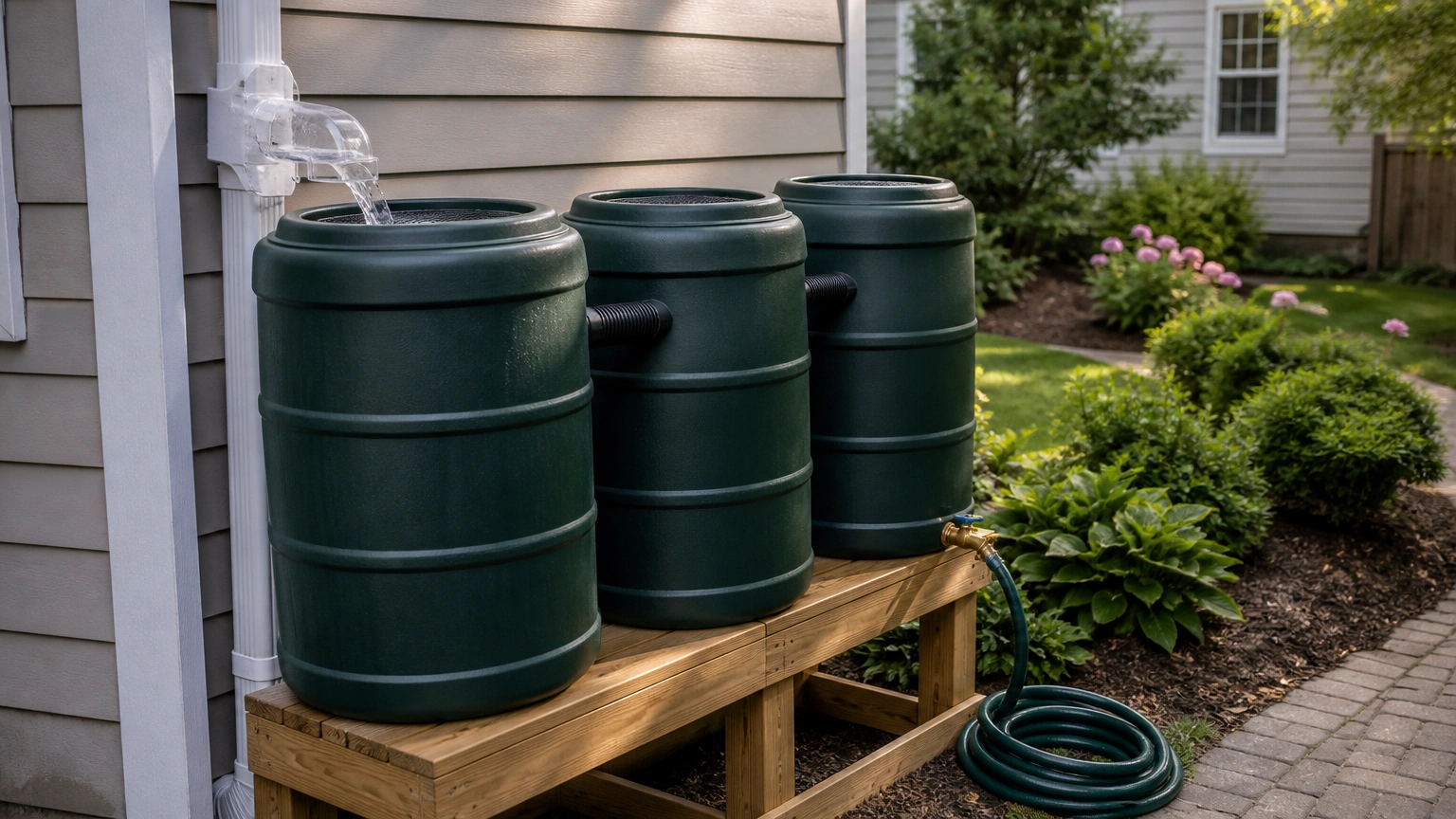
- Rain barrels for collecting water for irrigation
- Solar-powered garden lighting
- Biodegradable plant pots
Gardening sustainably not only benefits the environment but can also improve soil health and support local pollinators like bees and butterflies.
Comparing Common Eco-Friendly Product Categories
The table below offers a quick overview of common eco-friendly product categories, what they typically replace, and their main environmental benefit.
| Product Category | Common Replacement For | Main Environmental Benefit |
|---|---|---|
| Cleaning products | Chemical-based sprays and detergents | Reduces water pollution and toxic runoff |
| Personal care items | Bottled shampoos, plastic toothbrushes | Cuts plastic waste and packaging |
| Clothing and textiles | Fast fashion garments | Reduces water use and textile waste |
| Kitchen products | Single-use plastic wrap and bags | Minimizes landfill plastic |
| Reusable bags | Disposable plastic shopping bags | Reduces ocean and landfill plastic |
| Energy-efficient products | Standard bulbs and appliances | Lowers electricity consumption |
| Office products | Disposable paper and pens | Reduces paper waste and deforestation |
| Garden products | Synthetic fertilizers and pesticides | Supports soil and pollinator health |
Tips for Choosing Eco-Friendly Products
With so many products now marketed as “green” or “sustainable,” it can be difficult to know which ones actually deliver on that promise. A few simple habits can help avoid greenwashing and make smarter choices.
- Look for third-party certifications such as USDA Organic, Fair Trade, or Energy Star
- Check the ingredient or material list rather than relying on packaging claims
- Consider the product’s full lifecycle, not just how it looks on the shelf
- Choose quality over quantity to reduce how often items need replacing
- Support local or small businesses that prioritize sustainable practices
It also helps to remember that switching to eco-friendly products does not need to happen all at once. Replacing items gradually, as older products run out or wear down, is often more practical and budget-friendly than replacing everything overnight.
Why These Swaps Matter
Every eco-friendly product swap, no matter how small, contributes to a larger shift in consumer demand. When more people choose sustainable options, companies are encouraged to produce more of them, which in turn makes these products more accessible and affordable for everyone. Over time, this creates a ripple effect that extends far beyond a single household.
Living sustainably does not require perfection. It simply means making thoughtful choices where possible and understanding that small, consistent changes can add up to a meaningful difference. From the cleaning supplies under the sink to the clothes in the closet, eco-friendly products offer an accessible starting point for anyone ready to build a greener lifestyle.
Final Thoughts
Eco-friendly products span nearly every part of daily life, from the kitchen to the closet to the garden shed.
Understanding the most common categories, cleaning supplies, personal care items, clothing, kitchenware, reusable bags, energy-efficient devices, office supplies, and garden products, makes it easier to identify where changes can have the biggest impact.
By starting small and staying consistent, anyone can build habits that support a healthier planet without feeling overwhelmed by the process.