
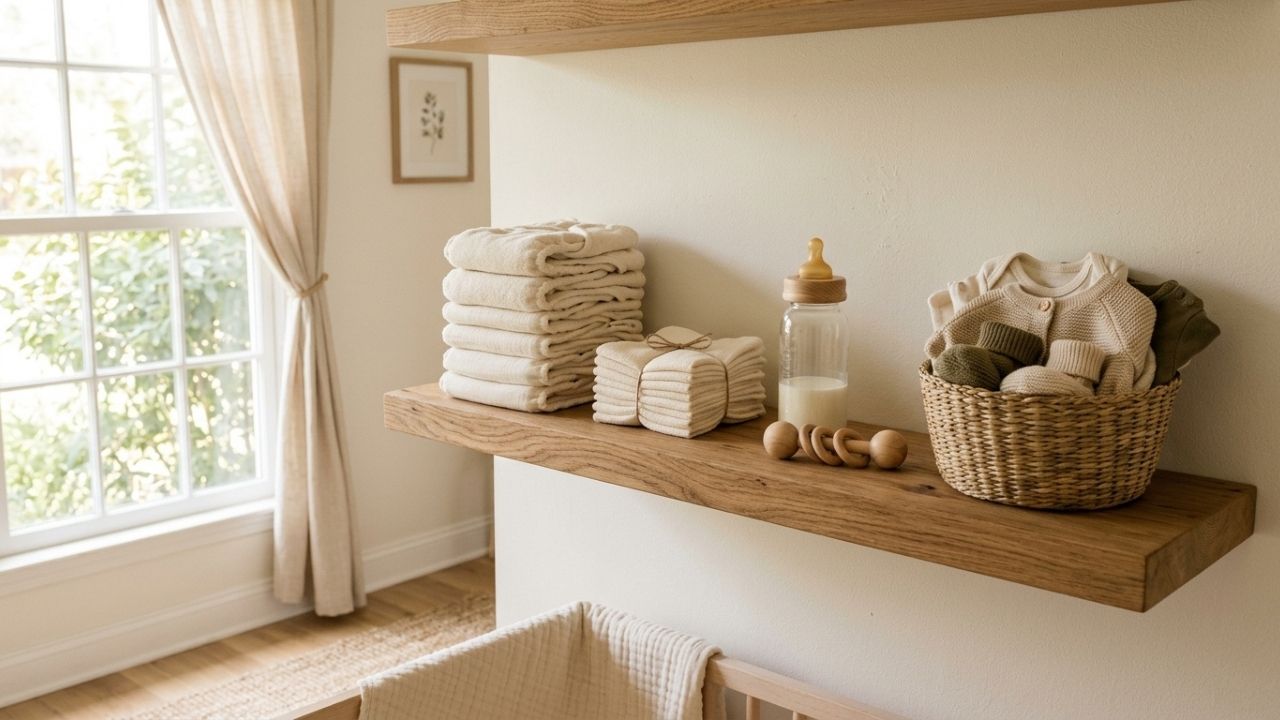
Raising a baby comes with an overwhelming number of decisions, and one of the biggest is how to handle the sheer volume of products that babies go through in their first few years. Diapers, wipes, bottles, clothing, and toys all add up quickly, and much of it is designed to be used once and thrown away.
For parents who care about reducing their environmental footprint, this can feel like a constant struggle. The good news is that there are now more sustainable options available than ever before, and switching to them does not have to mean sacrificing convenience or comfort for the baby.
This article explores the most practical and effective eco-friendly alternatives to disposable baby products, helping parents make informed choices that are better for the planet and often better for their budget too.
Why Disposable Baby Products Are a Sustainability Concern
Disposable baby products are convenient, but that convenience comes at a cost. A single baby can go through thousands of diapers before being potty trained, and most of these end up sitting in landfills for hundreds of years since they are made with plastic components that do not break down easily. Wipes, formula containers, food pouches, and packaging from baby gear all add to this waste stream as well.
Beyond landfill waste, the production of disposable products requires significant amounts of water, energy, and raw materials. Manufacturing plastic components also relies on fossil fuels, contributing to greenhouse gas emissions. When these factors are combined across millions of families, the environmental impact becomes substantial.
Choosing reusable or biodegradable alternatives does not eliminate a family’s environmental footprint entirely, but it can meaningfully reduce it while also cutting down on long term costs.
Eco-Friendly Alternatives to Disposable Diapers
Diapers are usually the first thing parents think about when considering a greener approach to baby care, since they are used so frequently and in such large quantities.
Cloth Diapers
Cloth diapers have come a long way from the pins and plastic pants of previous generations. Modern cloth diapers are designed with adjustable snaps or velcro, absorbent inserts, and waterproof outer layers that make them nearly as convenient as disposables.
Some benefits of cloth diapers include:
- They can be washed and reused hundreds of times, drastically reducing landfill waste
- Many are adjustable to fit a growing baby, which saves money over time
- They come in a wide range of fabrics, including organic cotton and bamboo
- They avoid many of the synthetic chemicals found in some disposable diapers
The main tradeoff is the added laundry, since cloth diapers need to be washed every two to three days. Some families choose to use a diaper service that picks up soiled diapers and delivers clean ones, which removes the laundry burden while keeping the environmental benefits.
Biodegradable and Compostable Diapers
For parents who want the convenience of a disposable diaper without the long term waste, biodegradable and compostable options have become widely available. These diapers are typically made with plant based materials such as bamboo, cornstarch, or wood pulp instead of plastic.
It is worth noting that most biodegradable diapers still require industrial composting facilities to break down properly, since backyard composting is not usually hot enough to break down the materials safely, especially with human waste involved. Parents interested in this option should check whether their area has access to a composting service that accepts diapers.
Hybrid Diapers
Hybrid diapers offer a middle ground between cloth and disposable options. These systems use a reusable outer cover paired with disposable, flushable, or compostable inserts. This allows families to reduce waste without committing fully to the washing routine that comes with traditional cloth diapering.
Alternatives to Disposable Baby Wipes
Wipes are another product that gets used constantly and thrown away just as quickly. Fortunately, there are several ways to cut down on wipe waste.
Reusable Cloth Wipes
Reusable cloth wipes are simply soft squares of fabric, often made from flannel, bamboo, or cotton, that can be dampened with water or a gentle solution and used just like disposable wipes. After use, they get tossed into the laundry along with cloth diapers or washed separately.
A simple homemade wipe solution can be made using:
- Filtered water
- A small amount of gentle, fragrance free baby wash
- A few drops of a skin safe oil, such as fractionated coconut oil, for added moisture
Biodegradable Wipes
For families who prefer not to wash reusable wipes, biodegradable wipes made from plant fibers like bamboo are a solid alternative. These break down far faster than traditional wipes made with synthetic materials such as polyester, which can take decades to decompose.
Sustainable Feeding Products
Feeding a baby generates a surprising amount of waste, from formula containers to disposable food pouches, but there are greener paths available at every stage.
Reusable Bottles and Feeding Gear
Instead of single use bottle liners, parents can choose bottles made from glass, stainless steel, or durable silicone that can be sterilized and reused for years. Many of these materials are also free from the chemicals sometimes found in lower quality plastics.
Reusable Food Pouches
Store bought baby food pouches are convenient but generate a lot of packaging waste, and they are rarely recyclable due to their mixed material construction. Reusable silicone pouches allow parents to fill them with homemade purees, wash them after use, and refill them again and again.
Cloth Bibs and Burp Cloths
Disposable bibs exist, but cloth versions made from absorbent, wipeable fabric last far longer and can handle the mess of daily feedings without ending up in the trash.
Eco-Friendly Clothing Choices
Baby clothing is worn for such a short window of time before it is outgrown, which makes sustainability especially important in this category.
- Choosing clothing made from organic cotton, bamboo, or hemp reduces exposure to pesticides and synthetic dyes
- Buying secondhand baby clothes through consignment shops, swap groups, or online marketplaces extends the life of garments that are often barely worn
- Passing clothing along to other families or donating it once a baby has outgrown it keeps textiles out of landfills
- Choosing higher quality, durable pieces that can be handed down between siblings reduces the need for frequent replacement
Sustainable Bath and Skincare Products
Baby skincare and bath time also come with plenty of opportunities to reduce waste.
- Bar soaps and shampoos with minimal or plastic free packaging are a simple swap for bottled products
- Refillable containers for lotion and wash reduce single use plastic
- Natural fiber washcloths and towels made from organic cotton or bamboo are gentle on a baby’s skin and last for years
- Silicone bath toys are more durable and less likely to develop mold compared to some plastic alternatives
Toys and Nursery Items
Nurseries can be filled with plastic items that are used for a short time before being outgrown. Choosing wooden, fabric, or secondhand toys reduces plastic consumption significantly. Wooden toys in particular tend to be more durable and can often be passed down to younger siblings or donated once a child has moved on to something else.
Furniture is another area where sustainability matters. Buying secondhand cribs, changing tables, and dressers, as long as they meet current safety standards, reduces demand for new manufacturing and keeps usable furniture out of landfills.
Comparing Diaper Options at a Glance
| Diaper Type | Waste Impact | Upfront Cost | Ongoing Effort |
|---|---|---|---|
| Disposable | High, takes centuries to break down | Low | Low |
| Cloth | Low, reusable for years | Moderate to high | Moderate, regular washing required |
| Biodegradable/Compostable | Moderate, needs proper composting access | Moderate | Low |
| Hybrid | Low to moderate | Moderate | Low to moderate |
Tips for Transitioning to Eco-Friendly Baby Products
Switching over does not have to happen all at once. Many families find it easier to phase in sustainable products gradually.
- Start with one category, such as wipes or clothing, before tackling diapers
- Try a small starter pack of cloth diapers before committing to a full stash
- Look into local resources such as diaper services, composting facilities, or baby item swap groups
- Ask other parents in the community what has worked well for them
- Be patient with the learning curve, since new routines take a few weeks to feel normal
Final Thoughts
Choosing eco-friendly alternatives to disposable baby products is one of the more meaningful ways a family can reduce their environmental footprint during the early years of a child’s life. From cloth diapers and reusable wipes to secondhand clothing and durable wooden toys, there are options available for nearly every budget and lifestyle.
No family needs to switch everything overnight, and even small changes made consistently can add up to a significant reduction in waste over time. What matters most is finding a balance that works for the household while keeping sustainability in mind wherever possible.



