Raising a baby comes with a mountain of gear, and most of it gets used for only a short window of time before it is outgrown, out of season, or simply no longer needed. For anyone trying to live a more sustainable and eco-friendly lifestyle, this fast turnover can feel wasteful.
The good news is that a surprising number of baby products can be reused, repurposed, passed along, or given a second life instead of ending up in a landfill. Understanding what can be reused, how to prepare it safely, and where it can go next makes it much easier to reduce household waste while still meeting a growing baby’s needs.
This article walks through the baby items that are most commonly thrown away but really do not need to be, along with practical ways to reuse them, safety considerations to keep in mind, and simple habits that make an eco-conscious nursery easier to maintain.
Why Baby Products Are Often Thrown Away Too Soon
Babies grow quickly, and their needs change almost monthly during the first year alone. A onesie that fits perfectly in month two might be too small by month four. A bottle style that worked during the newborn stage might be swapped out once a baby starts teething. Because of this constant change, parents often assume that once an item is “done” with one stage, it is done altogether.
In reality, most baby gear is built to withstand heavy use and can go through several life cycles before it is truly worn out. The habit of throwing things away usually comes from convenience rather than necessity. Recognizing this is the first step toward building a more sustainable approach to baby gear.
Clothing and Fabric Items
Baby clothing is one of the biggest categories of reusable items simply because babies outgrow clothes so fast that most pieces barely show wear.
Onesies, Sleepers, and Everyday Outfits
Clothing that is stained, torn, or heavily worn can still be useful. Items in good condition can be:
- Handed down to younger siblings, cousins, or friends with babies
- Donated to shelters, community closets, or nonprofit organizations
- Sold through consignment shops or online resale groups
- Repurposed into cloth wipes, quilt squares, or stuffed toy filling once truly worn out
Swaddles, Blankets, and Burp Cloths
These items are usually made from soft, durable fabric that holds up well over time. Even after a baby has outgrown swaddling, the fabric can be repurposed as:
- Burp cloths or bibs
- Cleaning rags for household use
- Fabric scraps for craft projects
- Padding inside a homemade pet bed
Bibs and Feeding Smocks
Bibs made from silicone or wipeable fabric are especially easy to reuse. They can be sanitized and passed down or donated without much extra effort, since they are designed to handle spills and stains.
Feeding Equipment
Feeding gear tends to be some of the most frequently replaced baby equipment, yet much of it can be reused with proper cleaning.
Bottles and Nipples
Bottles themselves are often reusable across multiple children as long as they are not cracked, cloudy beyond repair, or made from a material that has been recalled. Nipples wear out faster and should generally be replaced for hygiene and safety reasons, but the bottles, caps, and stands can usually be reused for years.
High Chairs and Booster Seats
A high chair is a large investment, and most models are built to last well beyond one child. Wiping down trays, washing removable fabric covers, and checking straps for wear can make a high chair ready for a second or third child, or for donation.
Breast Pumps and Accessories
Some components of a breast pump, such as tubing and certain flanges, are personal-use items that should not be shared between users due to hygiene concerns. However, the motor unit itself can sometimes be reused if it is thoroughly cleaned and the parts that touch milk are replaced. It is worth checking manufacturer guidelines before reusing this type of equipment.
Nursery Furniture and Gear
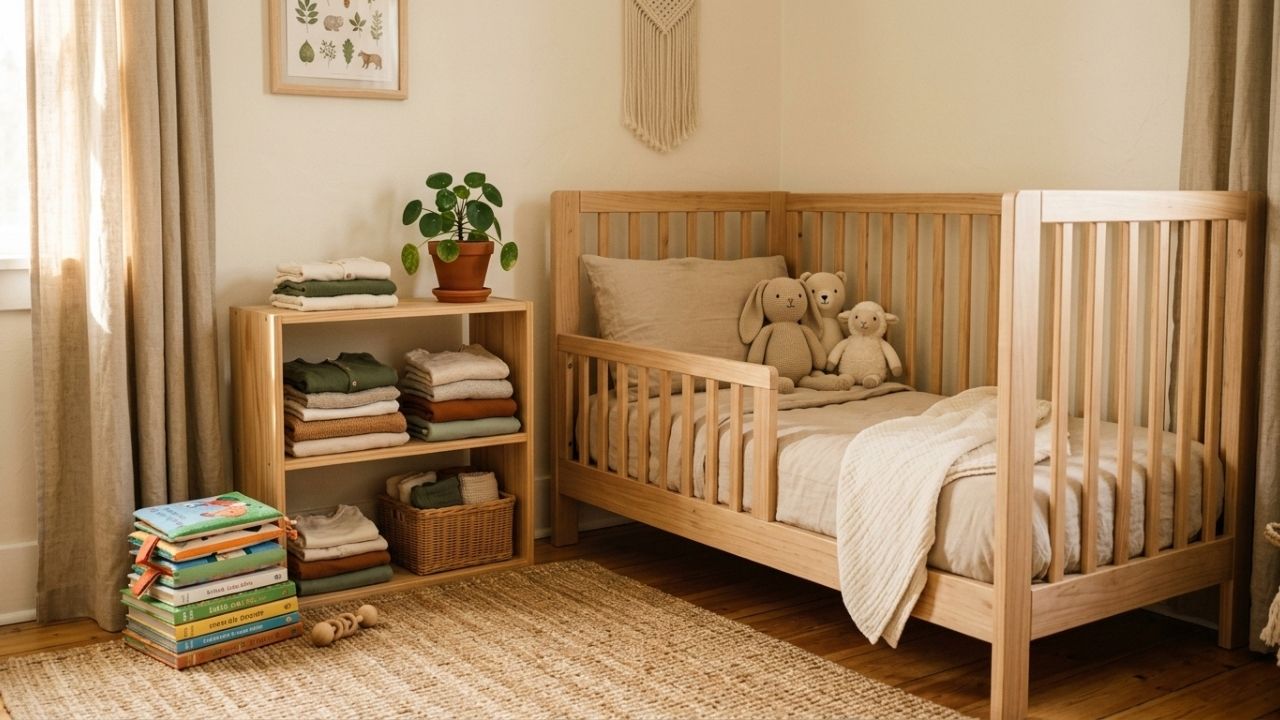
Furniture is one of the easiest categories to reuse because it is expensive, durable, and not tied to a specific developmental stage the way clothing is.
Cribs and Bassinets
Cribs can often be reused for multiple children as long as they meet current safety standards. Older cribs, particularly those made before certain safety regulations were introduced, should be checked carefully or replaced if they do not meet modern guidelines. If a crib is safe, cleaning the mattress, sanitizing the frame, and replacing any worn hardware can make it ready for reuse.
Changing Tables and Dressers
These pieces of furniture are rarely tied to a specific age or stage, which makes them ideal for reuse. A changing table can be used across siblings or eventually converted into a regular dresser once diapering days are over.
Strollers and Car Seats
Strollers are generally safe to reuse as long as the frame is sturdy, the wheels function properly, and the fabric is clean. Car seats are a bit more sensitive, since they have expiration dates and should never be reused if they have been in a crash, even a minor one. Checking the manufacture date and inspecting for cracks or wear is essential before passing a car seat along.
Toys and Developmental Items
Toys are another area where reuse makes a big difference, both for the environment and for household budgets.
Soft Toys and Teethers
Soft toys can usually be machine washed and reused. Teethers made from silicone or rubber can be sanitized in boiling water or a dishwasher, depending on the manufacturer’s instructions, and passed on safely.
Play Mats and Activity Gyms
These items are often made from durable foam or fabric that holds up well. Wiping down foam mats and washing fabric covers can extend their life across multiple children.
Books
Board books are especially durable and can survive years of handling. Wiping covers and checking for torn pages is usually all that is needed before passing them along.
Table: Common Baby Items and Their Reuse Potential
| Baby Item | Typically Reusable? | Notes |
|---|---|---|
| Onesies and sleepers | Yes | Great for hand-me-downs or repurposing into cloth scraps |
| Bottles and bottle parts | Yes | Replace nipples regularly for hygiene |
| Car seats | Conditional | Never reuse after a crash or past expiration date |
| Cribs | Conditional | Must meet current safety standards |
| Strollers | Yes | Inspect wheels, frame, and fabric before reuse |
| Breast pump tubing and flanges | No | Personal-use items due to hygiene concerns |
| Soft toys | Yes | Wash thoroughly before passing along |
| Board books | Yes | Extremely durable, easy to sanitize |
| Bibs | Yes | Wipeable materials make cleaning simple |
| Diaper pails | Yes | Clean and deodorize before reuse |
Safety Considerations Before Reusing Baby Items
Reusing baby products is a great way to reduce waste, but safety should always come first. A few guidelines can help parents decide what is safe to pass along and what should be retired.
- Always check for recalls before reusing car seats, cribs, or feeding equipment
- Inspect fabric items for mold, mildew, or strong odors that washing cannot remove
- Avoid reusing car seats that are expired or have been in an accident
- Replace items with small parts that may have loosened over time, since they can become choking hazards
- Sanitize anything that comes into contact with a baby’s mouth, such as teethers, pacifiers, and bottle parts
- Confirm that older furniture meets current safety standards, since regulations do change over time
Creative Ways to Repurpose Baby Items That Are No Longer Usable
Not every item will be safe or practical to pass along, but that does not mean it has to go straight into the trash. Many worn-out baby products can be transformed into something new.
- Old onesies can become quilt squares, cleaning rags, or stuffing for handmade toys
- Muslin swaddles can be turned into reusable produce bags or cloth napkins
- Wooden crib parts, once disassembled, can sometimes be used for small DIY furniture or shelving projects
- Plastic bath toys that no longer float properly can be cleaned and used as sensory bin fillers for older children
- Diaper boxes and packaging can be reused for storage bins or craft projects
Where to Donate or Pass Along Baby Items
For families who do not plan to have more children, donating is one of the most effective ways to keep baby items out of landfills. Some helpful options include:
- Local shelters and family resource centers
- Hospitals that support new parents in need
- Community buy-nothing groups or local swap pages
- Consignment stores that specialize in baby and children’s items
- Friends, relatives, or coworkers who are expecting
Donating not only reduces waste but also eases the financial burden on other families who may not be able to afford new items.
Building a More Sustainable Nursery From the Start
Beyond reusing existing items, parents interested in sustainability can also make choices early on that support reuse later. Choosing neutral colors and simple designs for clothing and furniture makes it easier to hand items down regardless of gender.
Selecting well-made, durable products, even if they cost more upfront, often means they last through multiple children instead of needing replacement. Buying secondhand from the start also closes the loop, since items that have already been reused once are more likely to be reused again.
Final Thoughts
Reusing baby products is one of the simplest and most impactful ways to reduce household waste during the early years of parenting. From clothing and toys to furniture and feeding gear, most items are built to last far longer than a single stage of a baby’s development.
By checking for safety, cleaning thoroughly, and thinking creatively about repurposing, families can significantly cut down on what gets thrown away while also saving money and supporting other parents in their community.
A little extra effort in sorting, cleaning, and passing along baby items goes a long way toward building a more sustainable lifestyle for the whole family.