
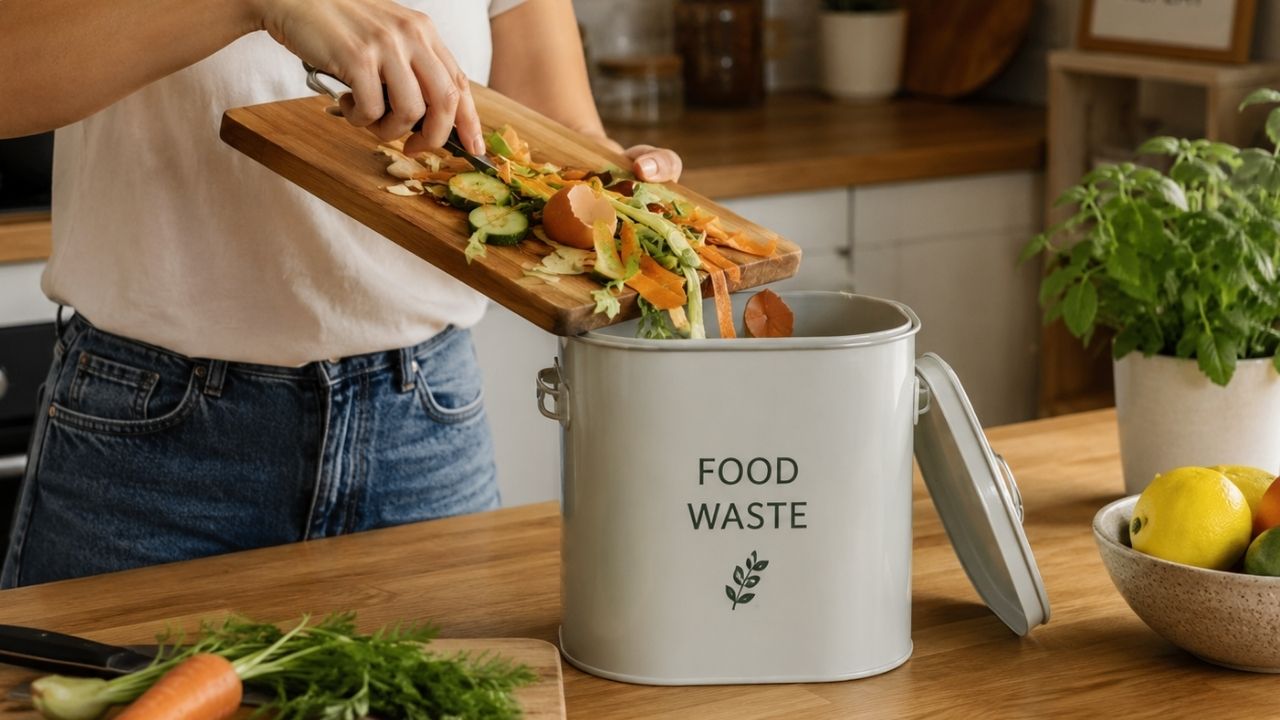
Starting a home compost bin is one of the simplest ways a person can reduce household waste while giving back to the earth. Instead of sending banana peels, coffee grounds, and yard clippings to a landfill, composting turns those everyday scraps into rich, dark soil that gardens love.
For anyone trying to live a more sustainable lifestyle, understanding exactly what belongs in a compost bin is the first step toward doing it right.
Many people hesitate to start composting because they are unsure what is actually allowed in the bin. Some items break down quickly and safely, while others can attract pests, create odors, or slow down the entire process. This guide breaks it all down in simple terms so anyone can start composting with confidence.
Why Home Composting Matters
Composting is more than just a trendy eco habit. When organic waste ends up in a landfill, it gets buried under other trash and breaks down without oxygen. This process releases methane, a greenhouse gas that is far more potent than carbon dioxide. By composting at home, food scraps and yard waste break down aerobically, which means with oxygen, releasing far less methane and turning into something genuinely useful.
Beyond the environmental benefits, composting also:
- Reduces the amount of garbage sent to the curb each week
- Creates free, nutrient rich soil for gardens, potted plants, and lawns
- Cuts down on the need for chemical fertilizers
- Helps retain moisture in soil, reducing water usage
- Supports healthier plant growth and reduces plant disease
For someone who cares about sustainability, a compost bin is one of the easiest and most rewarding habits to build into daily life.
The Two Main Categories of Compost Material
Every successful compost pile relies on a balance between two types of material, often referred to as “greens” and “browns.” Understanding this balance is key to keeping a compost bin healthy and odor free.
Green Materials (Nitrogen Rich)
Green materials are typically moist and provide nitrogen, which fuels the microorganisms that break everything down. These are usually kitchen scraps and fresh plant matter.
Brown Materials (Carbon Rich)
Brown materials are dry and provide carbon, which gives the pile structure and helps absorb excess moisture. These are typically dried leaves, paper products, and woody material.
A good rule of thumb is to aim for roughly two to three parts brown material for every one part green material. Too many greens can make the pile wet and smelly, while too many browns can slow down decomposition.
What Can Go in a Home Compost Bin
Below is a breakdown of the most common items that are safe and beneficial to add to a home compost bin.
Fruit and Vegetable Scraps
This is the most obvious and common category. Almost any fruit or vegetable scrap can go into the compost bin, including:
- Apple cores and peels
- Banana peels
- Carrot tops and peelings
- Potato skins
- Onion and garlic skins
- Corn cobs and husks
- Melon rinds
- Wilted lettuce or spinach
These items are high in moisture and nitrogen, making them excellent green material.
Coffee Grounds and Tea Leaves
Coffee grounds are a compost favorite. They are rich in nitrogen and considered a green material, even though they are brown in color. Used coffee filters can also be composted since they are made of paper. Tea leaves and paper tea bags without plastic linings can be added as well.
Eggshells
Eggshells add calcium to compost and break down slowly, so it helps to crush them before adding them to the bin. They are considered a neutral material and are safe in any home compost setup.
Yard Waste
Grass clippings, plant trimmings, and small twigs are all great additions. Grass clippings count as green material, while dried leaves and small branches count as brown material.
- Grass clippings
- Dead leaves
- Small twigs and branches
- Spent flowers
- Weeds that have not gone to seed
Paper and Cardboard
Uncoated paper products are excellent brown material because they add carbon and help balance out wetter green scraps.
- Shredded newspaper
- Plain cardboard, torn into small pieces
- Paper towels and napkins (without chemical cleaners on them)
- Brown paper bags
- Egg cartons made of paper pulp
Nut Shells
Most nut shells, aside from walnut shells, can be composted. They take a while to break down but are safe to include in small amounts.
Houseplant Trimmings and Dead Flowers
Old flowers, dead houseplant leaves, and trimmings from indoor plants can go straight into the bin as long as they were not treated with pesticides.
Wood Ash (In Small Amounts)
Wood ash from an untreated fireplace can be added in small quantities. It is alkaline, so too much can throw off the pH balance of the compost, so moderation is key.
A Quick Reference Table
| Category | Examples | Green or Brown |
|---|---|---|
| Fruit and vegetable scraps | Peels, cores, rinds | Green |
| Coffee grounds and filters | Used grounds, paper filters | Green |
| Eggshells | Crushed shells | Neutral |
| Grass clippings | Fresh cut grass | Green |
| Dry leaves | Fallen autumn leaves | Brown |
| Cardboard and paper | Shredded paper, plain cardboard | Brown |
| Nut shells | Peanut, almond shells | Brown |
| Wood ash | Fireplace ash, untreated wood | Brown (use sparingly) |
What Should Never Go in a Home Compost Bin
Just as important as knowing what to include is knowing what to leave out. Adding the wrong items can attract pests, create foul smells, or introduce harmful bacteria into the finished compost.
Meat, Fish, and Bones
These items decompose slowly and tend to produce strong odors that attract rodents and other pests. Most home compost bins are not designed to handle animal products safely.
Dairy Products
Milk, cheese, and yogurt can quickly turn rancid and create unpleasant smells while also drawing unwanted pests to the bin.
Oily or Greasy Foods
Cooking oil, salad dressing, and greasy leftovers can coat other materials in the bin, slowing down the composting process and making the pile smell.
Pet Waste
Waste from dogs and cats can contain harmful pathogens that are not eliminated during typical home composting temperatures. It is best kept out of bins that will be used for food gardens.
Diseased Plants
Adding plants that were affected by disease or fungus can spread that same problem to the garden once the compost is used.
Weeds That Have Gone to Seed
Composting at home usually does not reach temperatures high enough to kill weed seeds, so adding them can mean spreading unwanted weeds throughout the garden later.
Coal Ash
Unlike wood ash, coal ash contains substances that can be harmful to plants and should be avoided entirely.
Synthetic Materials
Plastic, styrofoam, and synthetic fabrics do not break down and have no place in a compost bin, even if they are labeled biodegradable, since many require industrial composting facilities to break down properly.
Chemically Treated Wood or Sawdust
Wood that has been treated with chemicals or paint can introduce toxins into the compost pile.
Tips for a Healthy, Balanced Compost Bin
Keeping a compost bin running smoothly does not require much effort, but a few habits make a big difference.
- Chop larger scraps into smaller pieces to help them break down faster
- Turn the pile every week or two to add oxygen and speed up decomposition
- Keep the pile as moist as a wrung out sponge, not soggy and not bone dry
- Layer green and brown materials rather than dumping everything in one pile
- Keep the bin in a spot with good drainage and some airflow
- Cover food scraps with a layer of brown material to reduce odor and pests
Signs the Compost Is Working Well
A healthy compost pile should feel warm in the center, especially a few days after adding fresh material. It should also smell earthy, almost like fresh soil, rather than sour or rotten. If the pile looks dry, adding water or more green material can help. If it looks soggy or smells bad, mixing in more brown material like shredded paper or dry leaves usually solves the problem.
How Long Does Composting Take
The time it takes for scraps to turn into usable compost depends on several factors, including the size of the pieces added, how often the pile is turned, and the balance of greens and browns. On average, a well maintained compost bin can produce finished compost in about two to six months. Cooler climates or piles that are rarely turned may take longer, sometimes up to a year.
Using the Finished Compost
Once the compost turns dark, crumbly, and smells like rich earth rather than rotting food, it is ready to use. It can be mixed into garden beds, used as a top dressing for lawns, or blended into potting soil for container plants. This finished product is essentially free fertilizer, made entirely from what would have otherwise been thrown away.
Final Thoughts
Starting a home compost bin is a small change that creates a meaningful ripple effect. It reduces landfill waste, cuts down on methane emissions, and provides a steady supply of nutrient rich soil for gardening.
By knowing exactly what belongs in the bin, from fruit scraps and coffee grounds to shredded paper and dry leaves, and what to avoid, like meat, dairy, and oily foods, anyone can build a compost system that works smoothly with minimal effort.
For those working toward a more sustainable and eco-friendly lifestyle, composting is a simple, rewarding habit that turns everyday waste into something genuinely valuable.



