
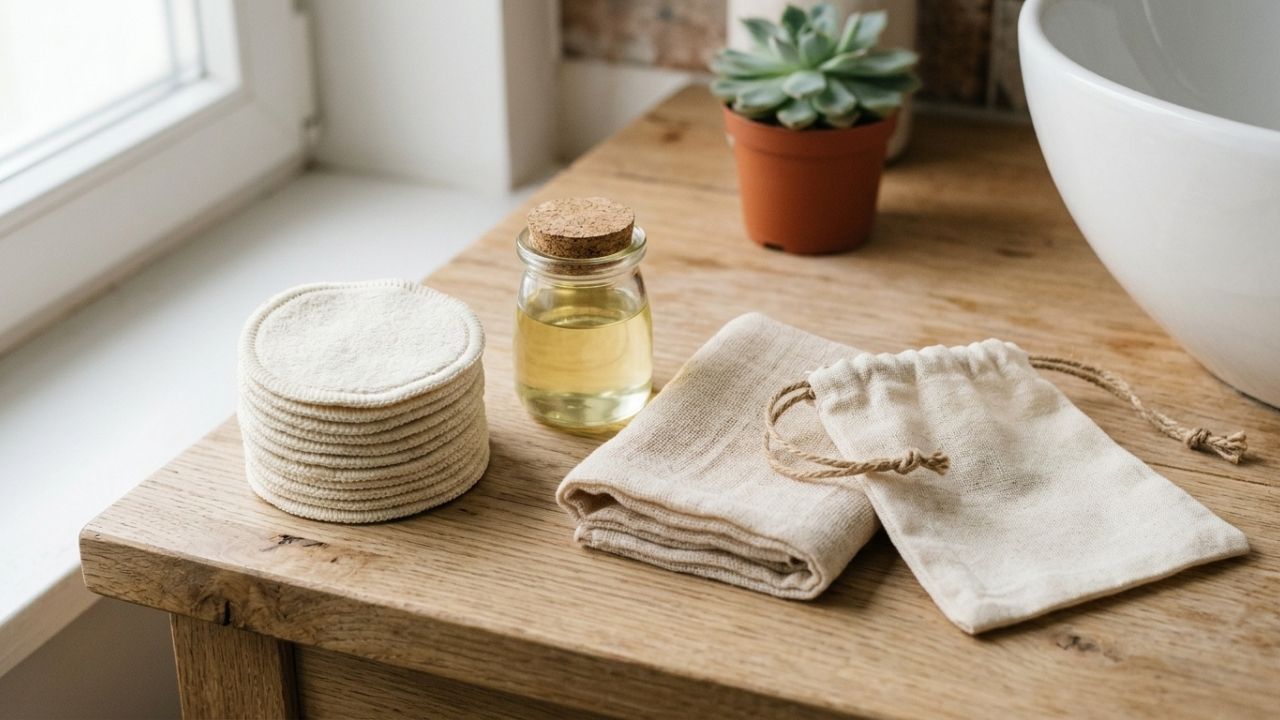
Disposable makeup remover pads are one of those small bathroom habits that rarely get a second thought. They sit quietly in a drawer, get used once, and then get tossed without much thought about where they end up.
For anyone trying to build a more sustainable daily routine, this is one of the easiest swaps to make, and it comes with more benefits than most people expect. This article looks at why disposable pads are worth reconsidering and walks through the many reusable and natural alternatives that can replace them.
Why People Are Rethinking Disposable Makeup Remover Pads
A single disposable cotton pad might seem harmless on its own, but the numbers add up quickly. Someone who uses two pads a day is going through more than seven hundred pads a year. Multiply that across households and the scale becomes hard to ignore. These pads are usually made from cotton that has been processed, bleached, and pressed into a soft, single use shape, then wrapped in plastic packaging that adds even more waste.
There is also the matter of what happens after they are thrown away. Most disposable pads are not compostable once they have makeup, oils, and skincare residue on them, so they end up in landfill. They take time to break down, and in the meantime they contribute to the growing pile of everyday waste that could easily be avoided with a small change in habit.
Beyond the environmental angle, many people find that switching away from disposable pads is simply more practical. Reusable options tend to be softer, more absorbent, and gentler on the skin, which matters for anyone dealing with sensitive skin or frequent breakouts.
The Environmental Cost of Disposable Cotton Pads
Cotton farming itself is resource intensive. It requires a significant amount of water, along with pesticides and fertilizers in many conventional farming operations. When that cotton is turned into a product designed to be used once and discarded, the environmental investment behind it is wasted almost instantly.
Packaging adds another layer to the problem. Many disposable pads come wrapped in plastic bags or packed inside plastic tubs, which means every purchase brings home extra material that will also need to be thrown away. Over months and years, this becomes a steady stream of unnecessary plastic entering the waste system.
None of this means disposable pads are an unforgivable product. It simply means there are better options available that reduce waste without sacrificing the effectiveness people expect from their skincare routine.
Reusable Makeup Remover Pads
The most direct swap for disposable pads is a reusable version. These are designed to be washed and used again and again, often for a year or more before they need replacing.
Cotton Rounds
Reusable cotton rounds look similar to their disposable counterparts but are made from tightly woven organic cotton designed to hold up through repeated washing. They tend to come in sets, often with a mesh laundry bag included so they can be tossed straight into the washing machine.
Bamboo Fiber Pads
Bamboo based pads have become popular because bamboo grows quickly and requires far less water than cotton. Pads made from bamboo fiber are usually soft, absorbent, and gentle enough for sensitive skin, making them a favorite among people who deal with irritation from rougher materials.
Microfiber Pads
Microfiber pads are designed to remove makeup with just water, no cleanser required in many cases. The tight weave of the fibers helps lift away foundation, mascara, and other products more effectively than plain cotton, which can be a nice bonus for anyone looking to cut down on the number of products they use each day.
Cloth and Fabric Alternatives Around the House
Not everyone wants to buy a specific product to solve this problem, and that is completely reasonable. There are plenty of items already sitting around most homes that work just as well.
- Soft cotton washcloths cut into smaller squares
- Old t-shirts or soft cotton scraps that are no longer wearable
- Flannel fabric offcuts, which are gentle and absorbent
- Muslin cloths, often already used for skincare or baby care
- Cloth diaper inserts, which are naturally soft and washable
These options cost nothing beyond what is already owned, and they can be washed alongside regular laundry. For anyone who sews or has spare fabric at home, cutting a few squares takes only a few minutes and instantly creates a stack of reusable pads.
Natural Oils as Makeup Removers
Oil based cleansing is one of the oldest and most effective ways to remove makeup, and it pairs well with reusable pads or cloths. Oils break down waterproof makeup and sunscreen far more effectively than water alone, which means less scrubbing and less irritation for the skin.
Some of the most commonly used natural oils include:
- Coconut oil, which is solid at room temperature and melts on contact with skin
- Jojoba oil, which closely resembles the skin’s natural oils
- Sweet almond oil, known for being gentle and lightweight
- Sunflower oil, a budget friendly option that works well for most skin types
- Castor oil, often mixed with a lighter oil since it can feel heavy on its own
Using oil as a makeup remover is simple. A small amount is massaged into dry skin to loosen makeup, then wiped away with a damp reusable pad or cloth. A gentle cleanser can follow afterward to remove any remaining residue.
DIY Makeup Remover Recipes
For anyone who wants full control over what touches their skin, making a homemade makeup remover is straightforward and requires very few ingredients.
A simple oil based remover can be made by combining a carrier oil, such as sweet almond or jojoba, with a small amount of aloe vera gel for a lighter, less greasy finish. This mixture can be stored in a small glass jar and applied with fingertips or a reusable pad.
Another popular option is a micellar style water, made by mixing distilled water with a small amount of mild, unscented liquid soap and a few drops of a chosen oil. This creates a gentle solution that lifts makeup without leaving skin feeling stripped.
For those who prefer something even simpler, plain water combined with a reusable microfiber pad is often enough to remove light makeup and daily grime, especially when used as part of a double cleansing routine.
Comparing the Alternatives
| Alternative | Best For | Reusable | Approximate Lifespan |
|---|---|---|---|
| Cotton rounds | Everyday makeup removal | Yes | 1 to 2 years |
| Bamboo fiber pads | Sensitive skin | Yes | 1 to 2 years |
| Microfiber pads | Waterproof makeup, water only cleansing | Yes | 2 to 3 years |
| Cloth or fabric scraps | Budget conscious households | Yes | Varies, often several years |
| Natural oils | Dissolving heavy or waterproof makeup | N/A | Used per application |
| DIY remover solutions | Custom skincare needs | N/A | Used per application |
How to Care for Reusable Pads
Getting the most out of reusable pads comes down to a simple washing routine. Most pads can be tossed into a mesh laundry bag and washed with a regular load, though hand washing is also an option for anyone who wants to extend their lifespan even further.
- Rinse pads under warm water right after use to prevent product buildup
- Store used pads in a small container or bag until laundry day
- Wash with a gentle, unscented detergent to avoid skin irritation
- Avoid fabric softener, since it can reduce absorbency
- Air dry when possible to help the fibers last longer
A small stack of ten to twenty pads is usually enough for one person to always have clean ones on hand while others are in the wash.
Tips for Making the Switch Easier
Transitioning away from disposable pads does not need to happen overnight. Many people find it easier to phase in reusable options gradually rather than replacing everything at once.
- Start with one reusable pad set and see how it fits into the existing routine
- Keep a small basket near the sink for used pads so laundry day feels effortless
- Pair reusable pads with a favorite oil or cleanser to make the switch feel like an upgrade rather than a sacrifice
- Involve the whole household so towels, cloths, and pads are shared and washed together
- Keep a few disposable pads on hand for travel if reusable options feel inconvenient at first
Small adjustments like these make the change feel natural rather than like a strict rule to follow.
Final Thoughts
Swapping disposable makeup remover pads for reusable cloths, natural oils, or simple household fabric is one of the easiest ways to cut down on everyday waste without changing much about a daily routine.
The alternatives are gentle on skin, kind to the planet, and often more affordable over time once the initial purchase or DIY setup is done. For anyone looking for a low effort place to start building a more sustainable lifestyle, this small bathroom swap is a great first step.



