Paper towels feel like a small, harmless part of daily life. A quick wipe of the counter, a spill on the floor, a greasy pan set to dry. Yet those small moments add up fast.
The average household goes through dozens of rolls a year, and each one represents trees cut down, water used in production, and packaging that eventually ends up in a landfill. For anyone trying to live a little lighter on the planet, cutting back on paper towels is one of the easiest and most satisfying swaps to make.
The good news is that giving up paper towels does not mean giving up convenience. There are plenty of reusable, affordable, and often better performing alternatives already sitting in most homes, or easy to pick up secondhand. This article walks through the most practical options, how to use them, and how to make the switch stick without feeling like a chore.
Why Ditch Paper Towels in the First Place
Before diving into alternatives, it helps to understand why so many people are moving away from single use paper products.
- Paper towels are made from wood pulp, and manufacturing them requires cutting down trees, most of which are grown specifically for this purpose in managed forests, but still uses land, water, and energy.
- Bleaching and processing paper towels often involves chemicals that pollute waterways near manufacturing plants.
- Once used, a paper towel cannot be recycled because it is usually contaminated with food, grease, or cleaning products, so it goes straight to the landfill.
- The cost adds up. A family that spends even ten dollars a month on paper towels is spending well over a hundred dollars a year on something that gets thrown away within seconds of use.
None of this means paper towels are evil. It simply means there is room to reduce how much a household relies on them, and that reduction can happen gradually.
Cloth Towels and Rags
The most obvious replacement for a paper towel is a cloth one. Old t-shirts, worn out towels, and flannel sheets that are no longer usable as bedding can all be cut into squares and used as wipes.
- Cotton and flannel are soft and absorbent, making them good for wiping counters and cleaning glass.
- Terry cloth, the material used in regular bath towels, holds a lot of liquid and works well for spills.
- Microfiber cloths pick up dust and grease more effectively than cotton and are useful for cleaning mirrors, screens, and stainless steel.
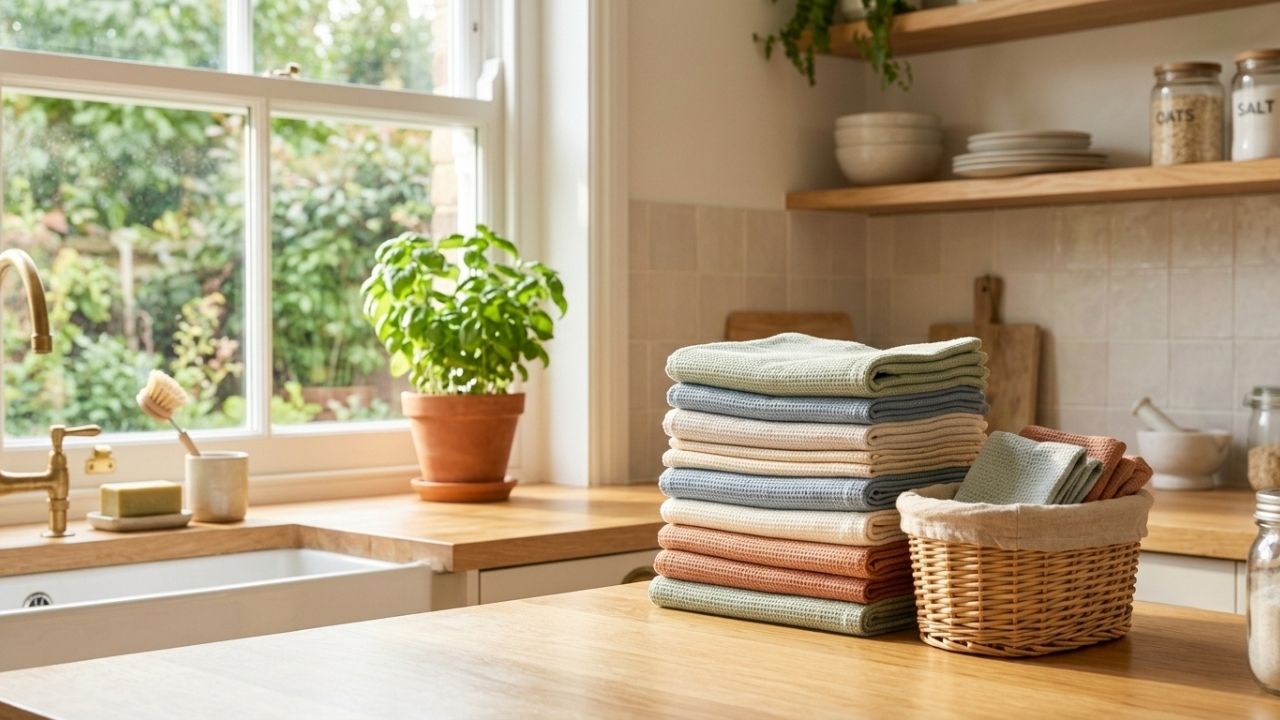
A simple system makes this easier to maintain. Many households keep a small bin or drawer near the kitchen sink specifically for clean cloths, and a separate bin nearby for used ones waiting to be washed. This removes the guesswork of where things go and makes the habit feel automatic rather than effortful.
Caring for Cloth Towels
Washing reusable towels does not need to be complicated.
- Toss them in with a regular load of laundry rather than running a separate wash just for rags.
- Wash greasy or heavily soiled cloths separately from clothing to avoid transferring stains or odors.
- Skip fabric softener on cloths meant for cleaning, since it can reduce their absorbency over time.
- Air dry when possible to extend the life of the fabric.
Unpaper Towels
For those who like the format of a paper towel roll but want something reusable, unpaper towels are a popular middle ground. These are cloth squares, often made from flannel or cotton terry, that snap or roll together the way paper towels do.
They can be bought online from small makers, sewn at home from spare fabric, or even made using flannel pajama pants or old baby blankets. Snaps allow the wipes to be folded together into a roll and stored on a regular paper towel holder, which makes the transition feel familiar for anyone used to grabbing a sheet off the counter.
Sponges and Scrub Cloths
For dishwashing and countertop cleaning specifically, a good sponge or scrub cloth often outperforms a paper towel anyway.
- Natural sponges, made from plant fibers, break down at the end of their life instead of sitting in a landfill for decades.
- Swedish dishcloths, made from a blend of cellulose and cotton, are highly absorbent, compostable, and can be tossed in the dishwasher or washing machine to sanitize.
- Silicone scrub brushes last for years, resist bacteria buildup, and can be rinsed clean easily.
Bar Mops and Kitchen Towels
Restaurants have relied on thick cotton bar mops for decades because they are durable and absorbent. The same towels work just as well in a home kitchen. They are inexpensive, widely available, and can handle heavy spills, grease, and general cleanup without falling apart the way a paper towel does when it gets too wet.
Keeping a stack of five or six bar mops within reach of the stove and sink covers most kitchen tasks that would otherwise call for paper towels.
Reusable Wipes for Cleaning Products
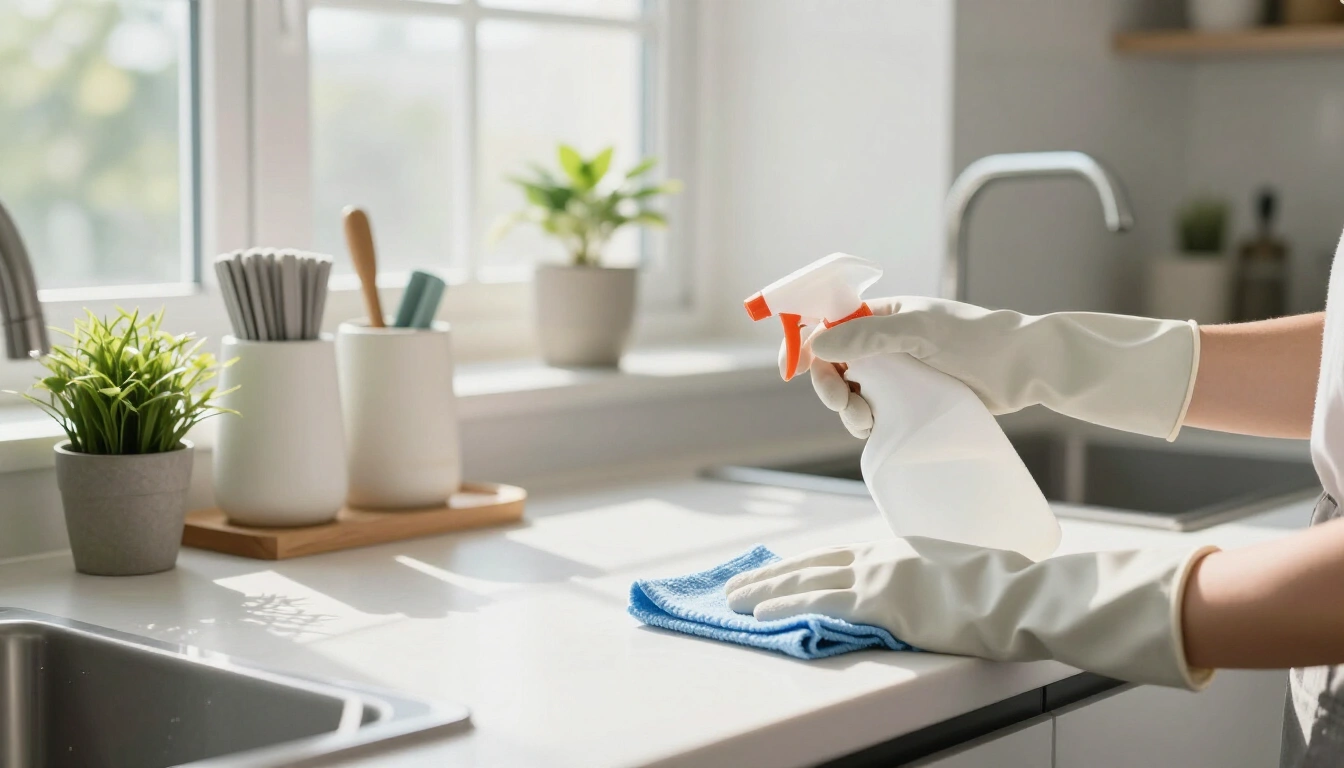
Many people use paper towels specifically for spraying cleaner and wiping down surfaces. This use case is easy to replace with a dedicated cleaning cloth.
- Keep a small stack of microfiber cloths near cleaning supplies.
- Use one color for kitchen and counter surfaces and a different color for bathrooms, which helps avoid cross contamination.
- Wash cleaning cloths separately from cloths used for food prep.
Comparing Common Alternatives
The table below offers a quick side by side look at some of the most popular paper towel replacements, based on general cost, durability, and best use.
| Alternative | Best For | Durability | Approximate Cost |
|---|---|---|---|
| Cotton rags (repurposed) | General wiping, spills | Several years | Free, made from old clothing or towels |
| Unpaper towels | Everyday counter and kitchen use | 1 to 3 years | Low to moderate |
| Microfiber cloths | Glass, dusting, cleaning products | 2 to 5 years | Low |
| Swedish dishcloths | Dishwashing, countertops | Several months per cloth | Low |
| Bar mop towels | Heavy spills, grease, stovetop | Several years | Low |
| Natural sponges | Dishwashing | A few months | Low |
Tips for Making the Switch Stick
Swapping out paper towels is easy in theory, but the habit of reaching for one is deeply ingrained for most people. A few small strategies can help the transition feel natural rather than forced.
- Start in one room first, usually the kitchen, rather than trying to overhaul the entire house at once.
- Keep the paper towel roll somewhere less convenient, like a cabinet instead of the counter, while placing cloth alternatives in the most accessible spot.
- Assign a specific bin or basket for dirty cloths so laundry day feels automatic.
- Involve the whole household, including kids, by explaining the reasoning and letting everyone pick out their own set of cloths or colors.
- Keep a small roll of paper towels on hand for rare situations, such as cleaning up something toxic or handling raw meat juices, rather than aiming for complete elimination right away.
What About Messes That Feel Too Gross for Reusable Towels
Some messes, like raw meat juice or something involving illness, understandably make people hesitant to use a cloth that will need to be washed and reused. In these situations, it is completely reasonable to keep a small stock of paper towels for backup, or to use a cloth that gets thrown directly into a hot wash rather than reused for anything else.
The goal of switching away from paper towels is not perfection, but overall reduction. Even cutting paper towel use by half still makes a meaningful difference over the course of a year.
The Bigger Picture
Reducing paper towel use is a small change, but it fits into a much larger pattern of thinking more carefully about what gets used once and thrown away. Once the habit of reaching for a cloth instead of a paper towel becomes automatic, it tends to spill over into other areas of life, from reusable produce bags at the grocery store to cloth napkins at the dinner table.
None of these changes require a total lifestyle overhaul. They simply require noticing the moments where a disposable item has been the default, and choosing something that can be washed and used again instead.
Making the switch away from paper towels does not have to be expensive or complicated. Most households already have everything they need somewhere in a closet or drawer, whether that is an old t-shirt ready to be cut into rags or a stack of kitchen towels that rarely gets used.
With a small amount of planning and a system that makes reusable options easy to grab, paper towels can go from a daily habit to an occasional backup, saving money, reducing waste, and making everyday cleaning just a little more sustainable.