Disposable razors have long been a bathroom staple, but they come with a hidden cost. Billions of plastic razors are thrown away every year, most of them ending up in landfills or oceans where they take centuries to break down.
For anyone trying to live a more sustainable lifestyle, swapping out disposable razors is one of the easiest and most impactful changes to make. The good news is that there are plenty of eco-friendly alternatives that work just as well, if not better, and many of them save money over time too.
This article looks at the most popular alternatives to disposable razors, how they work, and how to choose the right one for individual needs and skin type.
Why Ditch Disposable Razors in the First Place
Before diving into the alternatives, it helps to understand why so many people are moving away from disposable razors.
- They are made almost entirely of plastic, including the handle, cartridge, and packaging.
- Most disposable razors cannot be recycled because they combine several materials, like metal blades and plastic bodies, that are difficult to separate.
- The manufacturing process for disposable razors uses significant water, energy, and raw materials for a product meant to be used only a handful of times.
- Over a lifetime, the average person may throw away hundreds of razors, adding up to a surprising amount of waste.
Switching to a more sustainable shaving tool does not mean giving up a close shave. In fact, many people find that eco-friendly razors give a smoother result with less irritation.
Safety Razors
The safety razor is one of the most popular swaps for disposable razors, and for good reason. This style of razor was the standard before disposable plastic versions took over the market in the mid-1900s.
How Safety Razors Work
A safety razor has a metal handle and head that holds a single replaceable blade. Unlike disposable razors with several blades stacked together, a safety razor uses just one blade at a time, which reduces irritation and ingrown hairs for many users.
Benefits of Safety Razors
- The handle is often made of stainless steel, brass, or zinc alloy and can last a lifetime with proper care.
- Replacement blades are usually made of steel and can be recycled at most metal recycling centers.
- Blades are inexpensive, often costing just a few cents each when bought in bulk.
- Many people report a closer, smoother shave with fewer nicks once they get used to the technique.
A Few Things to Know
Safety razors do require a small learning curve. The angle and pressure used with a safety razor is different from a disposable razor, so it may take a few shaves to get comfortable. It also helps to go slowly at first and let the weight of the razor do the work instead of pressing down.
Straight Razors
For those who want to go all in on sustainability, a straight razor is about as reusable as it gets.
How Straight Razors Work
A straight razor has a single long blade that folds into a handle, similar to a pocket knife. Instead of replacing the blade, the same blade is sharpened and stropped over time to keep it in good shape.
Benefits of Straight Razors
- There is no blade waste at all since the same blade can last for years or even decades with proper maintenance.
- Many straight razors are made with materials like carbon steel and wood or bone handles that are built to last.
- Once mastered, a straight razor gives an extremely close shave.
A Few Things to Know
Straight razors take more practice than safety razors and require ongoing maintenance like honing and stropping. This option tends to suit people who enjoy the ritual of shaving and want a long-term investment rather than a quick fix.
Electric Razors
For those who want a low-waste option without the learning curve of a blade razor, an electric razor is worth considering.
How Electric Razors Work
Electric razors use a rechargeable battery to power spinning or oscillating blades that trim hair close to the skin. They do not require shaving cream or water, which makes them convenient for quick shaves.
Benefits of Electric Razors
- No disposable blades or cartridges to throw away.
- Long lifespan when properly cared for, often lasting several years.
- No need for shaving cream, which cuts down on plastic packaging waste too.
- Convenient for travel and quick touch ups.
A Few Things to Know
Electric razors usually do not shave as close as a blade, and the upfront cost is higher than other options. They also contain electronic components and a battery, so it is worth researching brands that offer repairable parts or battery replacement instead of a fully sealed unit that has to be thrown away when the battery dies.
Reusable Cartridge Razors
Some brands now offer razors with a reusable metal or bamboo handle paired with replaceable blade cartridges. This can be a good middle ground for people who are not ready to switch to a traditional safety razor but still want to cut down on plastic waste.
Benefits of Reusable Cartridge Razors
- Familiar shaving experience for those used to multi-blade cartridge razors.
- Handles are designed to be kept for years while only the blade heads are replaced.
- Some companies offer refill subscriptions with minimal or plastic-free packaging.
A Few Things to Know
It is worth checking whether the replacement cartridges themselves are recyclable, since some still combine plastic and metal in a way that makes recycling difficult.
Comparing the Options
The table below offers a quick side-by-side look at the most common alternatives to disposable razors.
| Razor Type | Waste Produced | Upfront Cost | Learning Curve | Best For |
|---|---|---|---|---|
| Safety Razor | Very low, blades are recyclable | Low to moderate | Moderate | Most people wanting an easy eco swap |
| Straight Razor | Almost none | Moderate to high | High | Shaving enthusiasts and long-term users |
| Electric Razor | Low, no blade waste | Moderate to high | Low | Quick, convenient shaving |
| Reusable Cartridge Razor | Moderate, depends on cartridge material | Low to moderate | Low | Those easing into sustainable shaving |
Other Ways to Make Shaving More Sustainable
Switching the razor itself is a great first step, but there are other small changes that can make the whole shaving routine more eco-friendly.
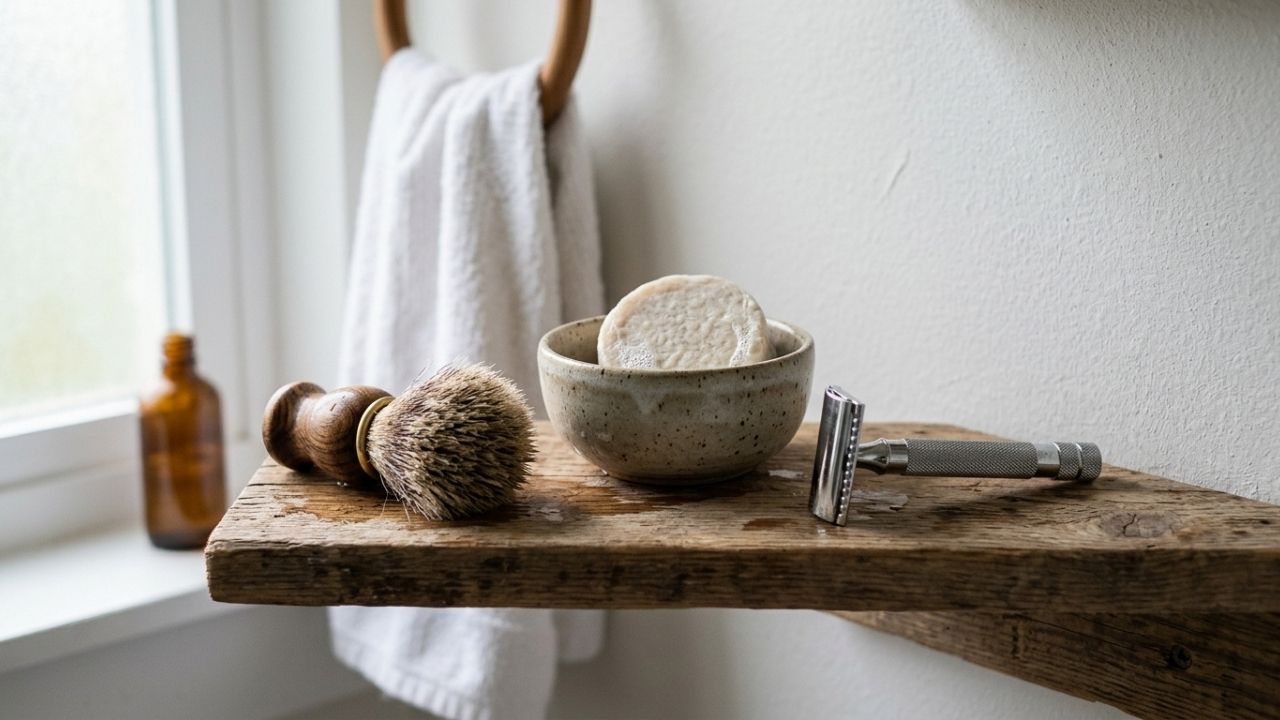
- Choose shaving soap or bar-based shaving cream instead of aerosol cans, since bars often come in cardboard or plastic-free packaging.
- Look for a natural bristle shaving brush to work up a lather, which helps the product go further and reduces waste.
- Store razors in a dry holder or stand to extend the life of the blade and prevent rust.
- Buy blades in bulk to reduce packaging waste and lower the cost per shave.
- Consider secondhand or vintage safety razors, which are often well made and built to last even longer.
How to Choose the Right Alternative
Everyone’s shaving needs are different, so the best alternative really depends on personal preference, budget, and lifestyle.
For Beginners
Anyone new to sustainable shaving may want to start with a safety razor. It strikes a good balance between an easy switch, a manageable cost, and a noticeably reduced environmental footprint.
For Frequent Travelers
An electric razor might be the most practical option, since it does not require water, shaving cream, or blade changes on the go.
For the Committed Minimalist
A straight razor is ideal for someone who wants to reduce waste as much as possible and does not mind investing time into learning proper technique and maintenance.
For Those Not Ready to Fully Switch
A reusable cartridge razor with a durable handle offers a gentle introduction to sustainable shaving without changing too much about the shaving experience itself.
Final Thoughts
Moving away from disposable razors is a simple but meaningful step toward a more sustainable lifestyle. Whether someone chooses a classic safety razor, a long lasting straight razor, a convenient electric razor, or a reusable cartridge system, each option helps cut down on plastic waste and unnecessary packaging.
Over time, these swaps often save money as well, since the ongoing cost of replacement blades is much lower than constantly buying new disposable razors.
Small changes like this add up. By rethinking something as routine as shaving, it becomes easier to build sustainable habits that extend into other parts of daily life.