Plastic sandwich bags have been a lunchbox staple for decades. They are cheap, convenient, and easy to grab without much thought. But that convenience comes at a cost.
Most plastic sandwich bags are used once and thrown away, and because they are thin and flimsy, they rarely get recycled even when tossed into a recycling bin. Over time, this adds up to a huge amount of waste sitting in landfills or drifting into waterways.
For anyone trying to live a little greener, swapping out plastic sandwich bags is one of the easiest and most affordable changes to make. It does not require a total lifestyle overhaul, just a bit of intention and a willingness to try new tools. This article walks through the best alternatives, how they compare, and some practical tips for making the switch stick.
Why It Is Worth Ditching Plastic Sandwich Bags
Before diving into alternatives, it helps to understand why this small swap actually matters.
- Plastic sandwich bags are typically made from low-density polyethylene, a plastic that takes hundreds of years to break down.
- Because they are lightweight and often contaminated with food residue, they are rarely accepted by curbside recycling programs.
- A household that packs lunches daily can go through hundreds of bags a year, which adds up across a lifetime.
- Discarded plastic bags often end up as litter, where they can be mistaken for food by animals or break down into microplastics that contaminate soil and water.
None of this means plastic bags are evil or that anyone should feel guilty for using them in the past. It simply means there are better options available now, and most of them save money in the long run.
Reusable Fabric and Silicone Bags
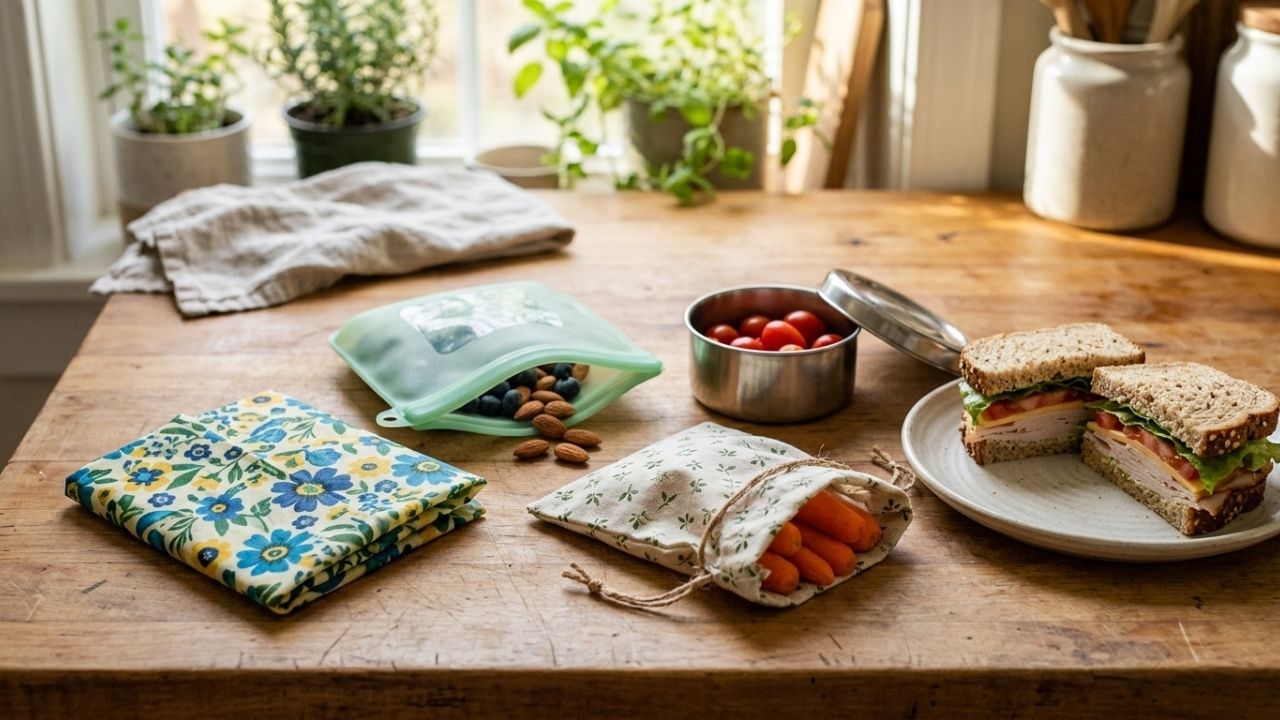
One of the most popular swaps is a reusable bag made from either food-grade silicone or coated fabric. These are designed to look and function like a traditional sandwich bag but can be washed and used hundreds of times.
Silicone Sandwich Bags
Silicone bags are flexible, durable, and often dishwasher safe. They usually have a seal similar to a zip-top bag, so the experience of using them feels familiar. Silicone is naturally resistant to staining and odor, which makes it a good choice for items like sandwiches, cut fruit, or snacks.
Fabric and Waxed Cotton Bags
Fabric bags, often lined with a food-safe coating, are another option. They tend to be lighter and easier to fold flat than silicone, which makes them convenient for packing into a lunch bag or backpack. Many are made with a hook and loop closure or a snap button rather than a zip seal.
Both styles are washable by hand or in the top rack of a dishwasher, depending on the material, so it is worth checking the care instructions before buying.
Beeswax Wraps and Vegan Wax Wraps
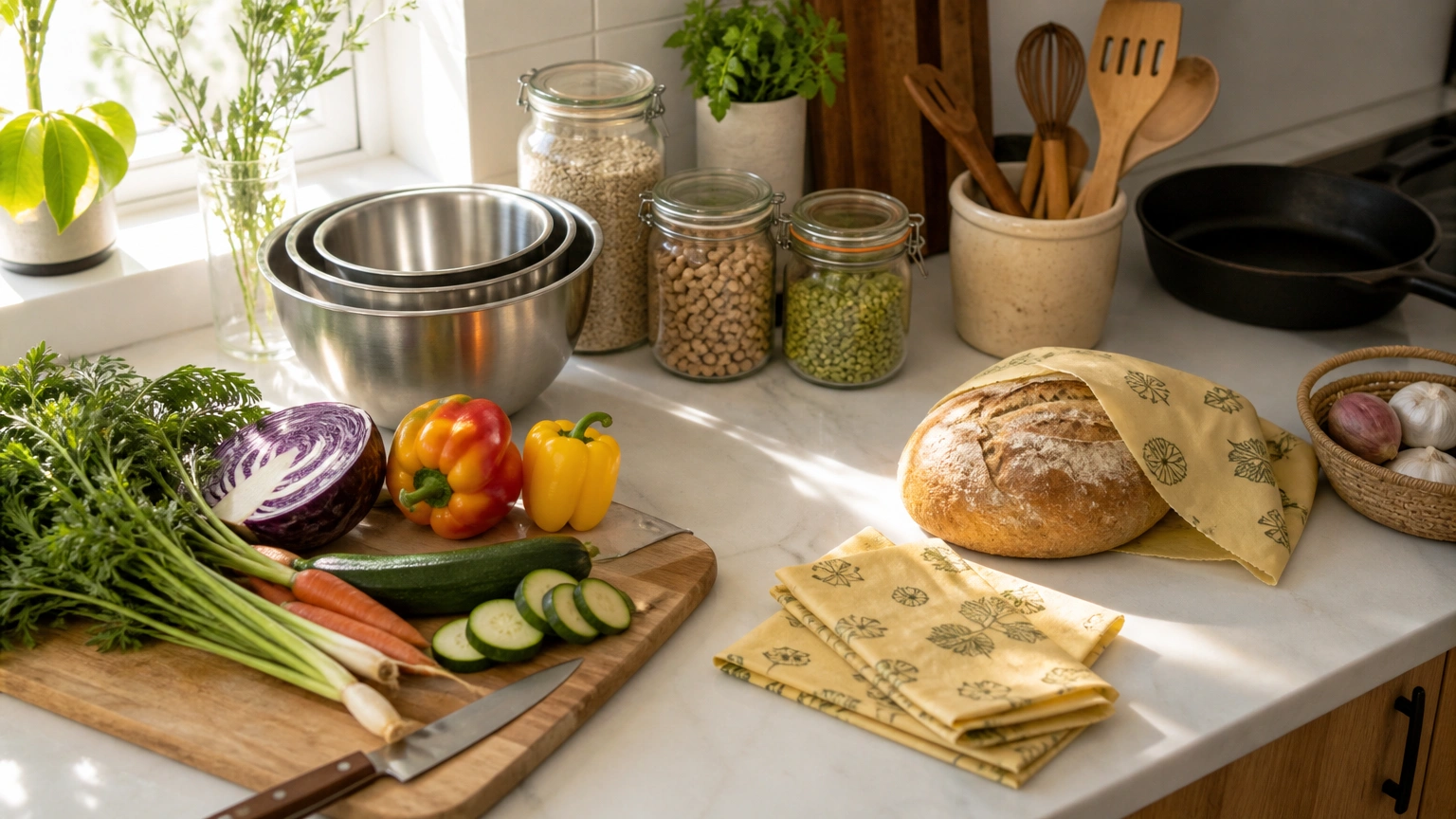
Beeswax wraps have become a favorite among people looking to reduce kitchen waste. These are pieces of cotton fabric coated in a blend of beeswax, tree resin, and oil. The warmth of your hands softens the wax slightly, allowing the wrap to mold around a sandwich, a piece of fruit, or the top of a bowl.
For those who prefer a plant-based option, vegan wax wraps use candelilla wax or soy wax instead of beeswax, offering the same functionality without animal-derived ingredients.
Wax wraps are simple to clean with cool water and a mild soap, and they typically last around a year with regular use before needing to be re-waxed or replaced. They are compostable at the end of their life, which is a nice bonus for anyone trying to cut down on landfill waste entirely.
Reusable Containers
Sometimes the simplest solution is the one people already have at home. Reusable containers made of glass, stainless steel, or BPA-free plastic can hold a sandwich just as well as a bag, often with the benefit of keeping it from getting squished.
- Small stackable containers are great for portioning snacks like crackers, nuts, or cut vegetables.
- Stainless steel bento-style boxes with compartments work well for packing a full lunch without needing separate bags for each item.
- Glass containers with locking lids are ideal for reheating leftovers, since glass can go straight from the fridge to the microwave.
Containers do take up more space than a flat bag, but they are virtually indestructible and can be used for decades with basic care.
Paper and Compostable Bags
For anyone who wants the convenience of a disposable bag without the plastic, unbleached parchment paper or compostable paper bags are a solid middle ground. These are not reusable in the same way as silicone or fabric, but they break down far more easily than plastic and are often made from renewable materials.
Wax paper is another option worth mentioning, though it is worth checking whether it is coated in a plant-based wax or a petroleum-based one, since this affects how well it composts.
Cloth Napkins and Bread Bags
For sandwiches that are eaten shortly after being packed, a simple cloth napkin or a cotton bread bag can do the job. Wrapping a sandwich snugly in cloth keeps it from drying out for a few hours and can be tossed in the laundry afterward. This option works especially well for adults packing their own lunch for a short commute, though it may not keep food as fresh over a longer school or work day.
Comparing the Alternatives
Choosing the right option often comes down to lifestyle, budget, and what kind of food is being packed. The table below offers a quick side by side comparison.
| Alternative | Reusable | Best For | Care |
|---|---|---|---|
| Silicone bags | Yes | Sandwiches, snacks, freezer storage | Dishwasher or hand wash |
| Fabric bags | Yes | Dry snacks, sandwiches | Hand wash or gentle machine wash |
| Beeswax wraps | Yes | Sandwiches, fruit, covering bowls | Cool water and mild soap |
| Reusable containers | Yes | Full meals, wet or messy foods | Dishwasher safe in most cases |
| Compostable paper bags | No | Quick trips, events, backup option | None, compost after use |
| Cloth napkins | Yes | Short trips, dry sandwiches | Machine wash |
Tips for Making the Switch Easier
Changing a habit that has been in place for years can feel awkward at first. A few small strategies can make the transition smoother.
- Start with just one or two items rather than replacing an entire kitchen drawer at once.
- Keep reusable bags or wraps near where lunches are packed so they are easy to grab out of habit.
- Label reusable containers with names or initials if they are shared among family members, so nothing gets lost.
- Wash reusable items right after use so they are ready to go the next day without extra effort.
- Keep a couple of compostable paper bags on hand for busy mornings when there is no time to wash a reusable option.
What to Look For When Buying
Not all reusable products are created equal, so it helps to know what to check before buying.
- Look for food-grade silicone that is free of fillers, since lower quality silicone can sometimes have an odd smell or texture.
- Check that fabric bags are lined with a food-safe material, especially if they will be in direct contact with food.
- For beeswax wraps, confirm the fabric is organic cotton if that matters to you, since some cheaper wraps use synthetic blends.
- For containers, look for options that are dishwasher and freezer safe, since this adds flexibility for meal prepping.
Common Questions About Ditching Plastic Bags
Are reusable bags actually more affordable over time?
Yes. While the upfront cost of silicone or fabric bags is higher than a box of disposable plastic bags, they are reused hundreds of times. Over a year or two, most people find they spend far less than they would on a steady supply of single-use bags.
Can beeswax wraps be used with raw meat?
It is generally recommended to avoid using wax wraps with raw meat, since they cannot be sanitized the way a container or silicone bag can. They work best with produce, bread, cheese, and prepared sandwiches.
How long do silicone bags typically last?
With regular care, silicone bags can last several years. They resist cracking and fading better than many other materials, which makes them a durable long-term investment.
What is the most budget-friendly option?
Reusable containers people already own are often the cheapest starting point, since no new purchase is required. From there, cloth napkins and homemade fabric bags are typically the most affordable new items to buy.
Final Thoughts
Swapping out plastic sandwich bags is a small change, but it is one that adds up quickly. Whether the choice is a silicone pouch, a beeswax wrap, a sturdy container, or simply a cloth napkin, each option keeps a little more plastic out of landfills and waterways.
The best approach is usually to try a couple of alternatives, see what fits naturally into a daily routine, and build from there. Sustainable living does not have to be perfect to be meaningful, and every lunch packed without a disposable bag is a step in the right direction.