
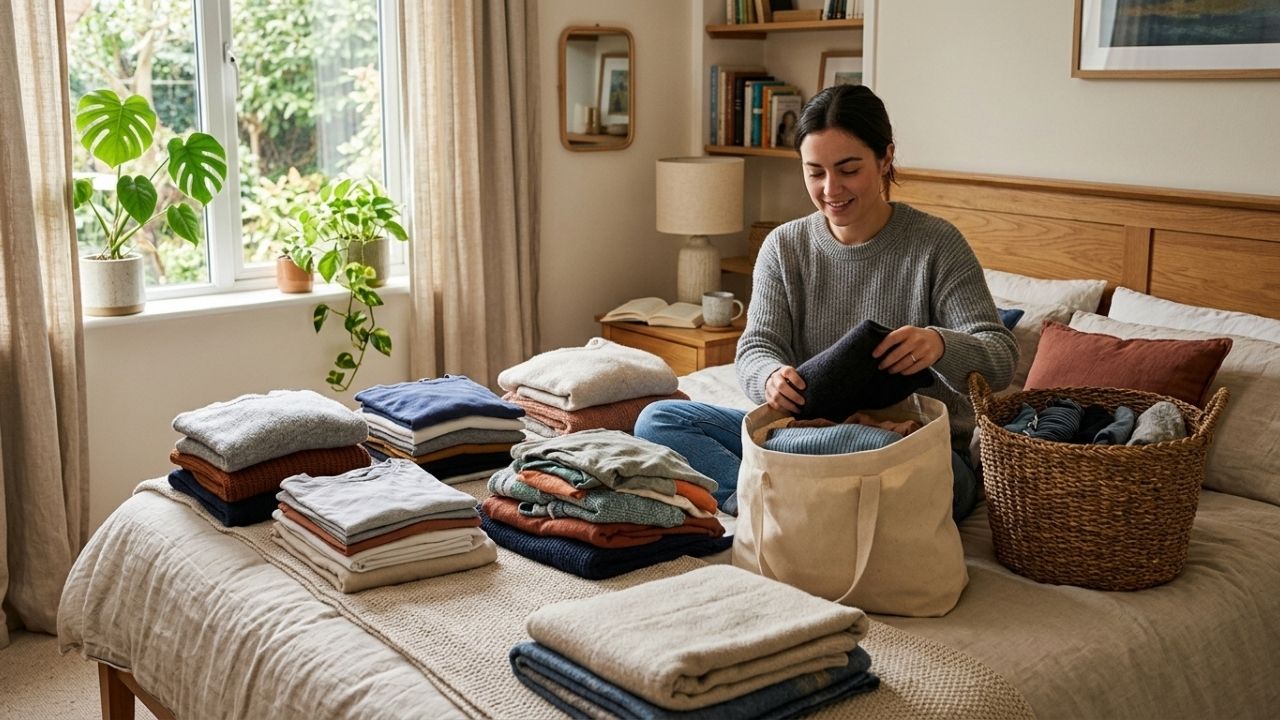
Almost everyone has a closet, drawer, or storage bin filled with clothes that no longer get worn. Maybe the fit has changed, the style feels outdated, or the item was simply an impulse buy that never quite worked out. Instead of letting these garments sit unused or tossing them in the trash, there are many practical and eco-friendly ways to give them a second life.
Choosing to reuse, repurpose, or responsibly dispose of old clothing is one of the simplest ways a person can reduce their environmental footprint while also decluttering their home.
The fashion industry is one of the largest contributors to landfill waste and water pollution worldwide. Every piece of clothing that gets diverted from a landfill, even a single t shirt or pair of jeans, makes a small but meaningful difference. This article walks through the many options available for unwanted clothing, from donation and resale to upcycling and textile recycling, so anyone looking to live a more sustainable lifestyle can make thoughtful choices about their wardrobe.
Why It Matters to Rethink Old Clothes
Before diving into specific options, it helps to understand why this topic deserves attention in the first place. Clothing that ends up in a landfill does not simply disappear. Many fabrics, especially synthetic ones like polyester, can take decades or even centuries to break down. As they decompose, they can release methane and microplastics into the environment.
On top of that, producing new clothing requires significant resources. Growing cotton uses large amounts of water and pesticides, while manufacturing synthetic fabrics relies on fossil fuels. When people extend the life of the clothes they already own, or make sure old garments are reused rather than discarded, they help reduce the demand for new production and the environmental strain that comes with it.
A person who is mindful about their unwanted clothing is also supporting a more circular approach to fashion, where materials stay in use for as long as possible instead of following a straight path from store shelf to landfill.
Sorting Clothes Before Deciding What to Do
A good first step is sorting through clothing and separating items into categories. This makes it much easier to decide the best path forward for each piece. A simple sorting system might include:
- Clothes that are still in good condition and could be worn by someone else
- Clothes that are damaged, stained, or worn out beyond repair
- Clothes that could be altered, mended, or transformed into something new
- Clothes with sentimental value worth keeping in some form
Taking the time to sort thoughtfully, rather than throwing everything into one bag, helps ensure that wearable clothes get reused instead of ending up as waste.
Donating Clothes to Those Who Need Them
Donation is one of the most well known and accessible options for unwanted clothing. Many local charities, shelters, and community organizations happily accept gently used clothing, especially items like coats, professional attire, and children’s clothing.
Where to Donate
- Local thrift stores and charity shops
- Homeless shelters and community centers
- Religious organizations that run clothing drives
- School or workplace clothing donation bins
- Organizations that specifically collect professional attire for job seekers
When donating, it helps to make sure the clothing is clean and in wearable condition. Torn, heavily stained, or damaged items are often not suitable for direct donation and may end up being discarded by the organization instead, which defeats the purpose of donating in the first place.
Tips for Meaningful Donations
- Wash and fold items neatly before dropping them off
- Check with the organization about what they currently need most
- Consider donating seasonal items ahead of the season, such as coats before winter
- Look for smaller, local organizations that may have more direct impact than large chains
Selling Clothes for Extra Value
For clothing that is in excellent condition, especially higher quality or barely worn pieces, selling can be a great option. This not only keeps clothing out of landfills but also puts a little money back in the seller’s pocket.
There are several ways to sell unwanted clothing:
- Online resale marketplaces where individuals list items directly
- Local consignment shops that sell items in person and share profits
- Buy, sell, and trade groups within local communities
- In person clothing swap events, where people trade items instead of using money
Selling clothing works especially well for items like designer pieces, formal wear, or clothing that was barely worn before someone realized it did not suit their style. It takes a bit more effort than donating, since photos and descriptions are usually required, but the payoff can be worth it for higher value items.
Repurposing and Upcycling Old Clothes
Not every piece of clothing needs to leave the house. Some items can be transformed into something entirely new through upcycling. This is a creative and hands-on way to reduce waste while making something useful or decorative.
Ideas for Upcycling
- Turning old t shirts into reusable tote bags
- Cutting worn towels or soft cotton shirts into cleaning rags
- Transforming denim jeans into shorts, patches, or bags
- Using fabric scraps to make quilts, pillow covers, or patchwork blankets
- Repurposing buttons, zippers, and trims for craft projects
- Turning a favorite old shirt into a keepsake pillow or memory quilt
Upcycling is particularly appealing for clothes with sentimental value, such as a parent’s old flannel shirt or a child’s outgrown baby clothes. Rather than letting these items sit in storage, transforming them into something usable keeps the memory alive in a practical form.
Simple Repair and Alteration
Sometimes clothes are not truly beyond use, they just need a small fix. Learning basic sewing skills, such as replacing a button, patching a small hole, or hemming a pair of pants, can extend the life of a garment significantly. Local tailors and seamstresses can also help with alterations that make an ill-fitting item wearable again, such as taking in a waistline or shortening sleeves.
Recycling Textiles That Cannot Be Reused
Some clothing is simply too worn, stained, or damaged to be donated or sold. In these cases, textile recycling is a better option than throwing the items in the trash.
Textile recycling programs break down old fabric into raw materials that can be used for things like insulation, industrial rags, or new textile fibers. Many communities now have designated textile recycling bins, and some clothing retailers offer in-store recycling programs for old garments, regardless of the brand.
What Can Typically Be Recycled
- Worn out t shirts and everyday clothing
- Single socks or mismatched pairs
- Old bedsheets and towels
- Shoes and belts in poor condition
- Fabric scraps from sewing or craft projects
It is worth checking with local recycling programs to understand exactly what they accept, since guidelines can vary from one location to another.
Comparing Your Options at a Glance
Deciding what to do with a specific item often comes down to its condition and personal circumstances. The table below offers a general guide to help match clothing condition with the most suitable option.
| Clothing Condition | Best Option | Why It Works |
|---|---|---|
| Like new, rarely worn | Selling or donating | Keeps quality clothing in use for someone else |
| Gently used, good condition | Donating or swapping | Easy to pass along without much preparation |
| Sentimental but unworn | Upcycling into keepsakes | Preserves memories in a practical form |
| Worn but repairable | Mending or altering | Extends the life of the garment |
| Damaged beyond repair | Textile recycling | Prevents landfill waste through material recovery |
Hosting or Joining a Clothing Swap
Clothing swaps have become increasingly popular among people who want to refresh their wardrobe without buying anything new. A swap event allows a group of friends, neighbors, or coworkers to bring clothes they no longer want and trade them for items brought by others.
This approach is not only sustainable but also social and often quite fun. It gives clothing a new home directly within a community, reduces the temptation to buy new items, and can introduce someone to styles they might not have picked out for themselves in a store.
How to Organize a Simple Swap
- Choose a date and invite a group of participants
- Ask everyone to bring clean, gently used clothing
- Set up items by category, such as tops, bottoms, and accessories
- Allow time for people to browse and try things on
- Donate any leftover clothing that nobody claims
Thinking Long Term About Clothing Habits
While knowing what to do with clothes that are no longer worn is valuable, it is equally worth thinking about how to prevent excess clothing from piling up in the first place. Building more mindful habits around clothing can reduce waste before it even starts.
- Choosing well made, durable pieces over trend driven fast fashion
- Buying only what will genuinely be worn and enjoyed
- Caring for clothing properly to extend its lifespan
- Trying to buy secondhand when possible before purchasing new items
- Pausing before a purchase to consider how often an item will actually be worn
These small shifts in mindset can gradually lead to a wardrobe that feels more intentional, with fewer items ending up unused or forgotten.
Final Thoughts
Clothes that are no longer worn do not have to end up as waste. Whether through donating, selling, upcycling, repairing, recycling, or swapping, there are many meaningful ways to give unwanted clothing a second purpose. Each of these choices supports a more sustainable approach to fashion and helps reduce the environmental impact associated with textile waste.
By taking a little time to sort through a closet with intention, anyone can turn a pile of unwanted clothes into a positive contribution, whether that means helping someone in need, earning a bit of extra money, creating something new, or simply keeping usable materials out of a landfill.
Small actions like these add up, and they are an accessible starting point for anyone interested in living a more eco-conscious lifestyle.



