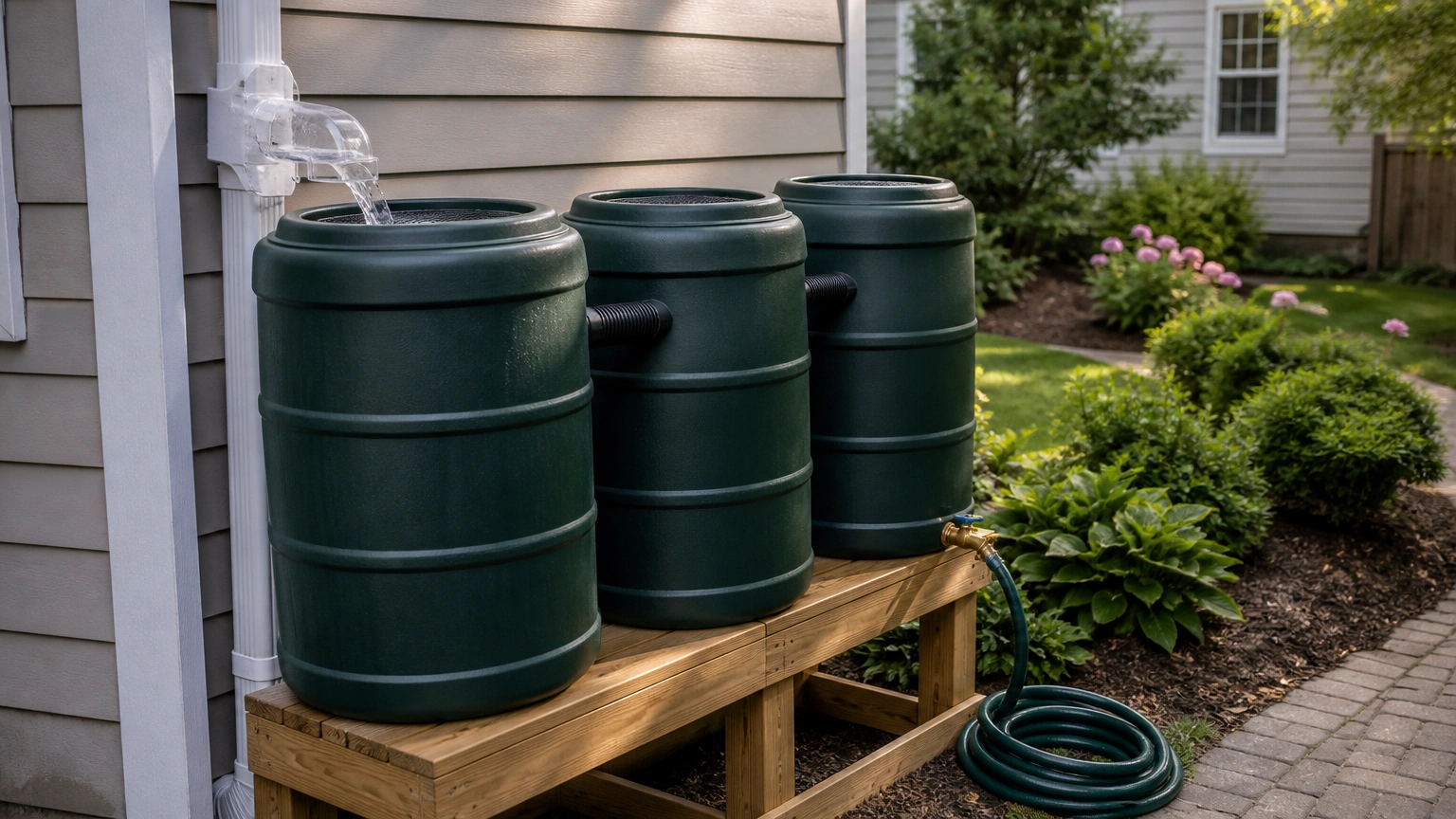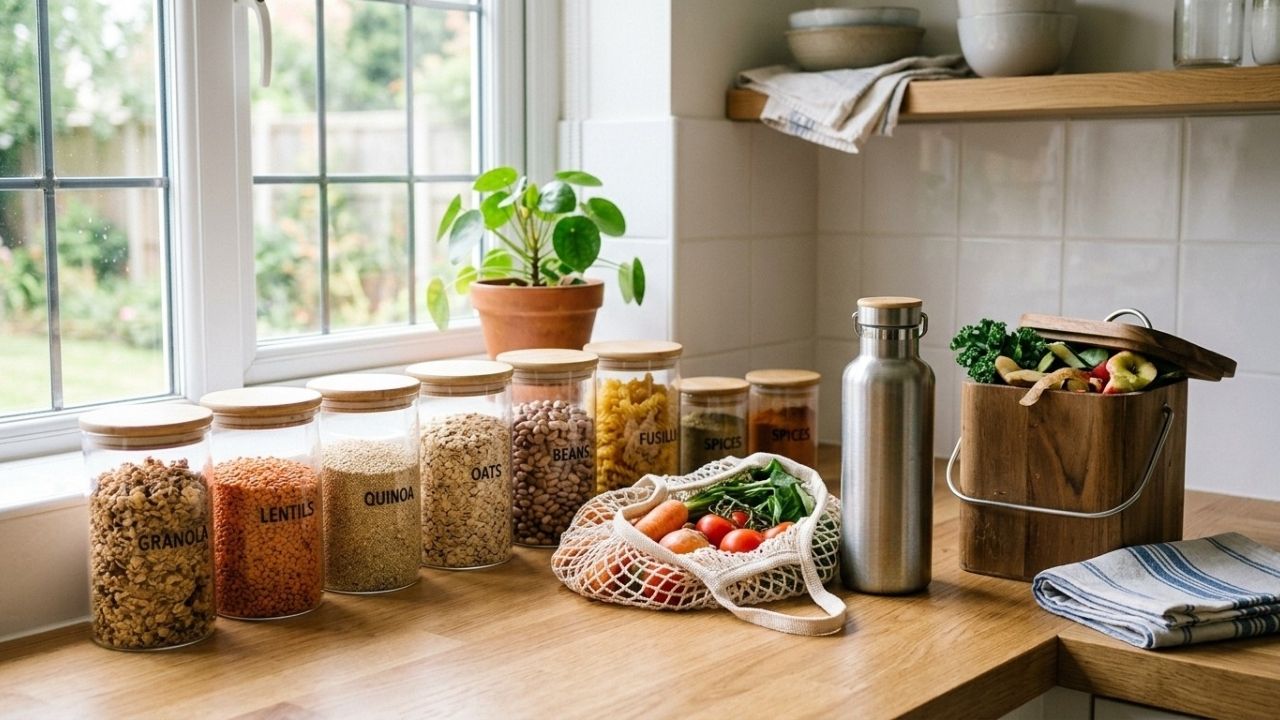
Zero-waste living has become one of the most talked about ideas in the sustainability world, yet many people still picture it as an extreme lifestyle involving mason jars full of trash and a home with no plastic in sight. The truth is far more approachable.
Zero-waste living is a philosophy and a set of daily habits aimed at reducing the amount of waste a person sends to landfills, incinerators, and oceans. It is not about achieving absolute perfection. It is about making thoughtful choices that keep resources in use for as long as possible and prevent unnecessary waste from being created in the first place.
For anyone curious about living a more sustainable life, understanding what zero-waste really means is the first step toward making changes that feel manageable rather than overwhelming. This article breaks down the concept, the principles behind it, and practical ways to begin the journey.
The Core Idea Behind Zero-Waste Living
At its heart, zero-waste living is about rethinking the traditional “take, make, dispose” model that defines most modern consumption. Instead of buying, using, and throwing away, the zero-waste approach encourages people to think in cycles. Products and materials should be reused, repaired, or recycled instead of ending up in a landfill after a single use.
The term itself can be misleading. Very few people, even dedicated zero-waste advocates, produce literally zero waste. Instead, the goal is to get as close to zero as realistically possible while living a normal, fulfilling life. It is a direction to move toward, not a strict destination that must be reached perfectly.
Where the Movement Came From
The zero-waste concept originally started in manufacturing and industrial design, where companies looked for ways to eliminate waste from production lines to save money and resources. Over time, the idea expanded into households, inspiring individuals to apply the same thinking to their everyday lives. Today it has grown into a broader lifestyle movement that touches everything from grocery shopping to home organization to personal care routines.
The Five Guiding Principles
Many zero-waste educators reference a simple framework often summarized as the five R’s. These principles help guide decisions in a logical order, starting with prevention and ending with the last resort options.
- Refuse what is not needed, such as single-use plastics, promotional freebies, or unnecessary packaging
- Reduce what is truly needed by buying less and choosing quality over quantity
- Reuse items whenever possible instead of replacing them with new ones
- Recycle materials that cannot be refused, reduced, or reused
- Rot, meaning compost organic waste so it returns to the earth instead of sitting in a landfill
Following this order matters. Recycling is often seen as the main solution to waste, but it actually sits near the bottom of the list because it requires energy and resources to process, and not everything placed in a recycling bin actually gets recycled. Refusing and reducing prevent waste from being created in the first place, which is far more effective.
Why People Choose Zero-Waste Living
There are many reasons someone might be drawn to this lifestyle, and the motivations often overlap.
- Concern about the environmental impact of landfills and ocean plastic pollution
- A desire to save money by buying less and choosing reusable products
- Interest in living more intentionally and reducing clutter at home
- Wanting to model sustainable habits for children or a community
- A general shift toward mindful consumption and away from a throwaway culture
Whatever the motivation, the common thread is a recognition that everyday choices add up. A single reusable bag or refillable bottle will not change the world on its own, but millions of people making similar choices can shift entire industries.
Common Misconceptions About Zero-Waste Living
Before diving into practical steps, it helps to clear up a few misunderstandings that often discourage people from even trying.
It Does Not Mean Producing Absolutely No Trash
Even the most experienced zero-waste households still produce some waste. Medical needs, certain packaging that cannot be avoided, and unexpected circumstances all play a role. The goal is significant reduction, not an impossible standard of perfection.
It Is Not Only About Buying Trendy Products
A common myth is that going zero-waste requires buying an entirely new set of matching glass jars, bamboo utensils, and specialty products. In reality, the most sustainable option is almost always to use what a person already owns. Buying new “eco” products before using up existing items can actually create more waste, not less.
It Is Not Reserved for People With Extra Time or Money
While some zero-waste habits, like making homemade cleaning products, take extra effort, many core practices are simple and even save money over time. Buying less, cooking at home more often, and repairing items instead of replacing them are budget friendly habits available to almost anyone.
How Zero-Waste Living Looks in Daily Life
Understanding the philosophy is one thing, but seeing how it plays out in everyday routines makes the concept easier to grasp. Below is a simple comparison of common daily habits and how they might shift with a zero-waste mindset.
| Everyday Activity | Typical Approach | Zero-Waste Approach |
|---|---|---|
| Grocery shopping | Pre-packaged items in plastic | Bulk bins with reusable containers or bags |
| Drinking water or coffee | Disposable bottles and cups | Reusable bottle or travel mug |
| Food scraps | Thrown in the trash | Composted at home or through a local service |
| Clothing | Bought new and discarded when worn out | Thrifted, repaired, or swapped with others |
| Cleaning supplies | Single-use wipes and bottled sprays | Refillable bottles and washable cloths |
| Gifts | Wrapped in paper that is thrown away | Reusable fabric wrap or a secondhand item |
This table shows that zero-waste living is less about dramatic lifestyle overhauls and more about swapping disposable habits for reusable, thoughtful alternatives.
Practical Ways to Start a Zero-Waste Journey
For someone new to the concept, the idea of overhauling an entire lifestyle can feel intimidating. The good news is that zero-waste living is meant to be approached gradually.
Start in the Kitchen
The kitchen is often the biggest source of household waste, making it a logical place to begin.
- Keep reusable produce bags on hand for grocery trips
- Store leftovers in glass containers instead of single-use plastic wrap
- Start a small compost bin for fruit and vegetable scraps
- Buy pantry staples from bulk bins when available
- Plan meals to reduce food waste before it happens
Rethink Personal Care
Bathrooms are another common source of plastic waste, from shampoo bottles to disposable razors.
- Switch to bar soap and shampoo bars instead of bottled versions
- Try a safety razor with replaceable blades instead of disposable razors
- Use reusable cotton rounds instead of disposable cotton balls
- Choose products with minimal or recyclable packaging
Shift Shopping Habits
Consumption habits play a huge role in how much waste a household generates.
- Ask whether a purchase is truly necessary before buying
- Choose secondhand or refurbished items when possible
- Invest in higher quality items that last longer instead of cheap, disposable versions
- Borrow or rent items that are only needed occasionally, such as tools or party supplies
Build New Habits Slowly
Trying to change everything overnight often leads to burnout. Focusing on one area at a time, such as the kitchen first and then personal care, makes the transition feel sustainable rather than stressful. Small, consistent changes tend to last much longer than a sudden, dramatic shift.
The Benefits Beyond the Environment
While reducing landfill waste is the most obvious benefit, zero-waste living tends to bring other advantages as well.
- Financial savings from buying less and reusing more
- A simpler, less cluttered home environment
- Greater awareness of personal consumption habits
- A stronger sense of connection to the local community through thrift stores, bulk stores, and swap events
- Reduced exposure to certain chemicals found in disposable plastic products
Many people who adopt zero-waste habits report that the lifestyle changes how they think about purchases in general, leading to more intentional decisions in other areas of life as well.
Challenges to Expect
It would not be honest to present zero-waste living as effortless. There are real challenges that come with the lifestyle, especially at the beginning.
- Bulk stores and package free options are not available everywhere
- Some zero-waste alternatives can have a higher upfront cost
- It takes time to build new habits and unlearn convenient, disposable routines
- Family members or roommates may not be equally interested in changing habits
- Certain products, like medications or specific food items, simply do not have waste free alternatives
Acknowledging these challenges is important because it sets realistic expectations. Progress, not perfection, is the standard that keeps the lifestyle sustainable in the long run.
Making Zero-Waste Living Realistic
The most successful approach to zero-waste living treats it as a flexible framework rather than a rigid rulebook. Someone living in a rural area without access to bulk stores will approach the lifestyle differently than someone living in a city with several package free shops nearby. A parent managing a busy household will make different choices than a single person with more flexible time. What matters most is the intention behind the choices and the willingness to keep improving over time.
Rather than aiming for a waste free lifestyle immediately, it can help to set small, specific goals, such as eliminating single-use coffee cups for a month or starting a compost bin at home. Celebrating these small wins keeps motivation high and makes the overall journey feel achievable.
Final Thoughts
Zero-waste living is less about achieving a perfect, trash free existence and more about shifting daily habits toward mindful, intentional choices. It asks individuals to refuse what is unnecessary, reduce consumption, reuse what they already have, recycle responsibly, and compost organic waste whenever possible.
The lifestyle looks different for everyone, shaped by location, budget, and personal circumstances, but the underlying goal remains the same: reducing the amount of waste sent to landfills and living in a way that respects the planet’s limited resources.
For anyone interested in starting this journey, the best advice is to begin small. Pick one habit, build consistency, and expand from there. Over time, these small changes add up to a meaningful reduction in waste and a more intentional, sustainable way of living.