
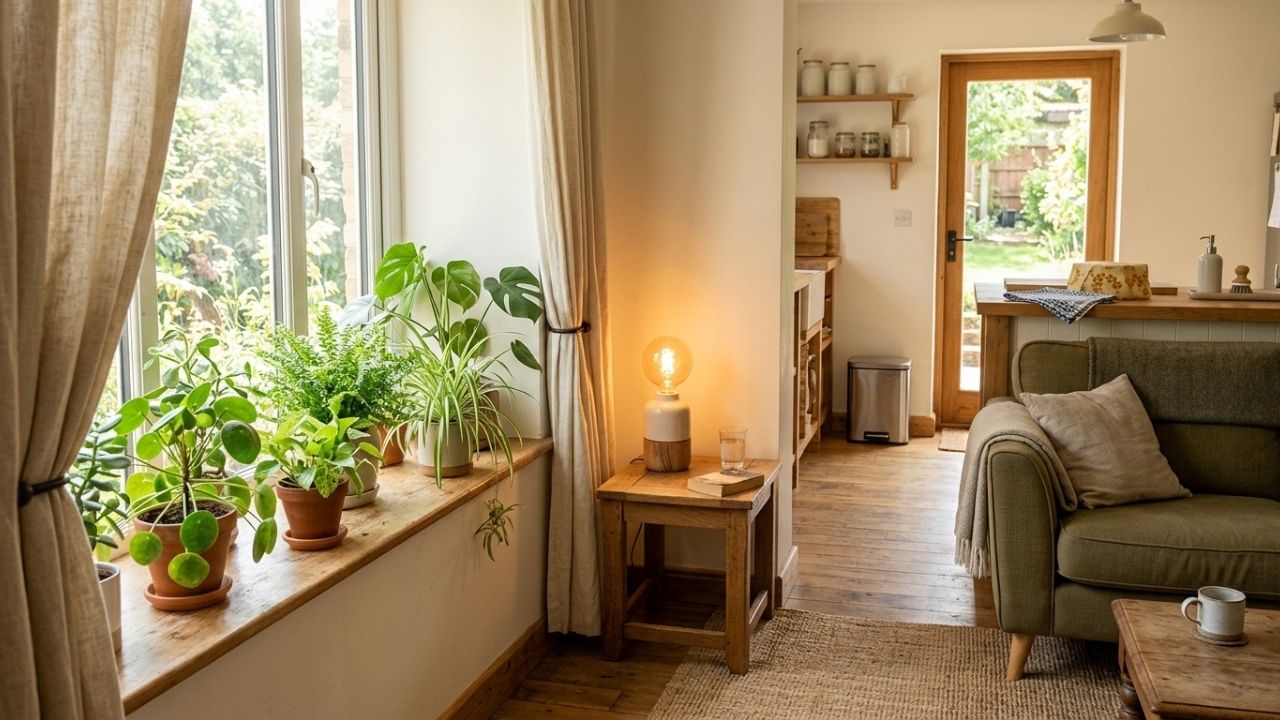
Living a more sustainable lifestyle does not always mean tearing down walls or spending a fortune on solar panels. Many homeowners and renters assume that going green requires a major renovation, but that simply is not true.
In reality, there are dozens of small, budget-friendly changes that can lower a household’s carbon footprint, reduce utility bills, and create a healthier living space, all without picking up a hammer or hiring a contractor.
This guide walks through practical, renter-friendly, and homeowner-friendly ways to make a home more eco-conscious. From swapping lighting to rethinking daily habits, these changes are simple enough for anyone to start today.
Why Non-Renovation Changes Matter
Renovations can be expensive, time-consuming, and disruptive. Not everyone has the budget, time, or even the legal right (in the case of renters) to knock down walls or install new systems. Fortunately, sustainability experts agree that small, consistent changes often add up to a bigger environmental impact than one large project.
Making eco-friendly swaps without renovating also has other benefits:
- It is budget-friendly, since most changes cost little or nothing upfront.
- It is reversible, which is ideal for renters or people who move often.
- It allows for gradual change, making sustainable living feel achievable rather than overwhelming.
- It reduces both energy bills and water bills almost immediately.
Lighting and Electronics Upgrades
Lighting is one of the easiest places to start because the changes require no construction, only a few minutes of effort.
Switch to Energy-Efficient Bulbs
Replacing old incandescent bulbs with LED bulbs is one of the simplest upgrades a household can make. LED bulbs use significantly less electricity and last much longer, which means fewer replacements and less waste over time.
Use Smart Power Strips
Many electronics continue to draw power even when turned off, a phenomenon often called phantom energy use. Smart power strips cut power to devices that are not in use, helping to reduce this hidden energy drain without any wiring changes.
Unplug Chargers and Small Appliances
Simply unplugging chargers, coffee makers, and other small appliances when they are not being used can noticeably reduce electricity consumption over the course of a month.
Water Conservation Without Plumbing Work
Reducing water waste does not require replacing pipes or installing a new plumbing system. A few small swaps can make a big difference.
Install Low-Flow Fixtures
Low-flow showerheads and faucet aerators can be screwed on in minutes and typically cut water usage by a significant percentage without reducing water pressure noticeably.
Fix Leaks Promptly
A dripping faucet or running toilet can waste gallons of water every day. Most minor leaks can be fixed with basic tools and a quick trip to a hardware store, no renovation required.
Collect and Reuse Water
Placing a bucket in the shower while waiting for hot water, or using a watering can filled with leftover kitchen water, are easy ways to reuse water for houseplants or outdoor gardens.
Improving Insulation Without Structural Work
Insulation upgrades are often associated with major renovations, but there are several ways to improve a home’s energy efficiency without touching the walls.
Use Draft Stoppers and Weatherstripping
Cold air often sneaks in through gaps under doors and around windows. Draft stoppers and adhesive weatherstripping are inexpensive, easy to install, and can noticeably reduce heating and cooling costs.
Hang Thermal Curtains
Thermal or blackout curtains help regulate indoor temperature by blocking heat in the summer and retaining warmth in the winter. They are simple to hang using an existing curtain rod.
Use Door Snakes and Window Film
Door snakes (fabric tubes placed at the base of a door) and removable window insulation film are temporary solutions that require no permanent changes but still improve energy efficiency.
Sustainable Habits in the Kitchen
The kitchen is often the heart of the home, and it is also a place where small habit changes can lead to meaningful sustainability gains.
Reduce Food Waste
Planning meals, storing food properly, and composting scraps can significantly cut down on household waste. Composting can even be done indoors using a small countertop bin for those without outdoor space.
Switch to Reusable Items
Swapping paper towels for reusable cloths, plastic wrap for beeswax wraps, and single-use bags for reusable ones are all changes that require no installation and immediately reduce household waste.
Run Full Loads
Running the dishwasher and washing machine only when full maximizes water and energy efficiency without any equipment changes.
Eco-Friendly Cleaning and Air Quality
Improving indoor air quality and reducing chemical use in the home is another area where no renovation is needed.
Choose Natural Cleaning Products
Many household cleaners contain harsh chemicals that can affect both indoor air quality and the environment. Simple alternatives like vinegar, baking soda, and castile soap can handle most cleaning tasks effectively.
Add Houseplants
Certain houseplants can help improve indoor air quality by absorbing pollutants and releasing oxygen. They also add a natural, calming element to any living space.
Improve Ventilation
Opening windows regularly, even for short periods, helps circulate fresh air and reduce indoor pollutants without any structural changes.
A Quick Comparison of Easy Eco-Friendly Swaps
| Area of the Home | Simple Swap | Approximate Cost | Renter-Friendly |
|---|---|---|---|
| Lighting | LED bulbs | Low | Yes |
| Electronics | Smart power strip | Low to moderate | Yes |
| Bathroom | Low-flow showerhead | Low | Yes |
| Windows and doors | Weatherstripping | Low | Yes |
| Kitchen | Reusable wraps and cloths | Low | Yes |
| Cleaning | Natural cleaning products | Low | Yes |
| Air quality | Houseplants | Low to moderate | Yes |
Outdoor Changes That Skip the Renovation
Even outdoor spaces can become more sustainable without construction work.
- Use a rain barrel to collect water for gardening instead of relying solely on a hose.
- Choose native plants that require less water and maintenance than non-native species.
- Set up a small compost bin to turn yard and kitchen waste into nutrient-rich soil.
- Switch to a manual or electric push mower instead of a gas-powered one for smaller lawns.
Everyday Habits That Support Sustainability
Beyond physical changes, daily habits play a major role in living a greener lifestyle.
- Turn off lights and electronics when leaving a room.
- Adjust the thermostat a few degrees when away from home.
- Wash clothes in cold water whenever possible.
- Air-dry laundry instead of always using a dryer.
- Buy secondhand furniture and decor instead of new items.
These habits cost nothing and can be adopted immediately, making them some of the most accessible sustainability practices available.
Getting Started Without Feeling Overwhelmed
It is easy to feel overwhelmed when thinking about sustainability, especially with so much information available. The key is to start small. Choosing just one or two changes from this list and building on them over time is far more sustainable, both for the environment and for personal motivation, than trying to overhaul an entire home overnight.
A helpful approach is to focus on one room at a time. For example, starting in the kitchen with reusable items and food waste reduction, then moving to the bathroom for water-saving fixtures, and finally addressing lighting and electronics throughout the home.
Final Thoughts
Creating a more eco-friendly home does not have to involve costly renovations or major construction projects.
From swapping light bulbs and using natural cleaning products to fixing leaks and adding houseplants, there are countless ways to reduce environmental impact using simple, affordable, and often reversible changes.
Whether living in a rented apartment or a long-term family home, anyone can take meaningful steps toward sustainability, one small change at a time.



