
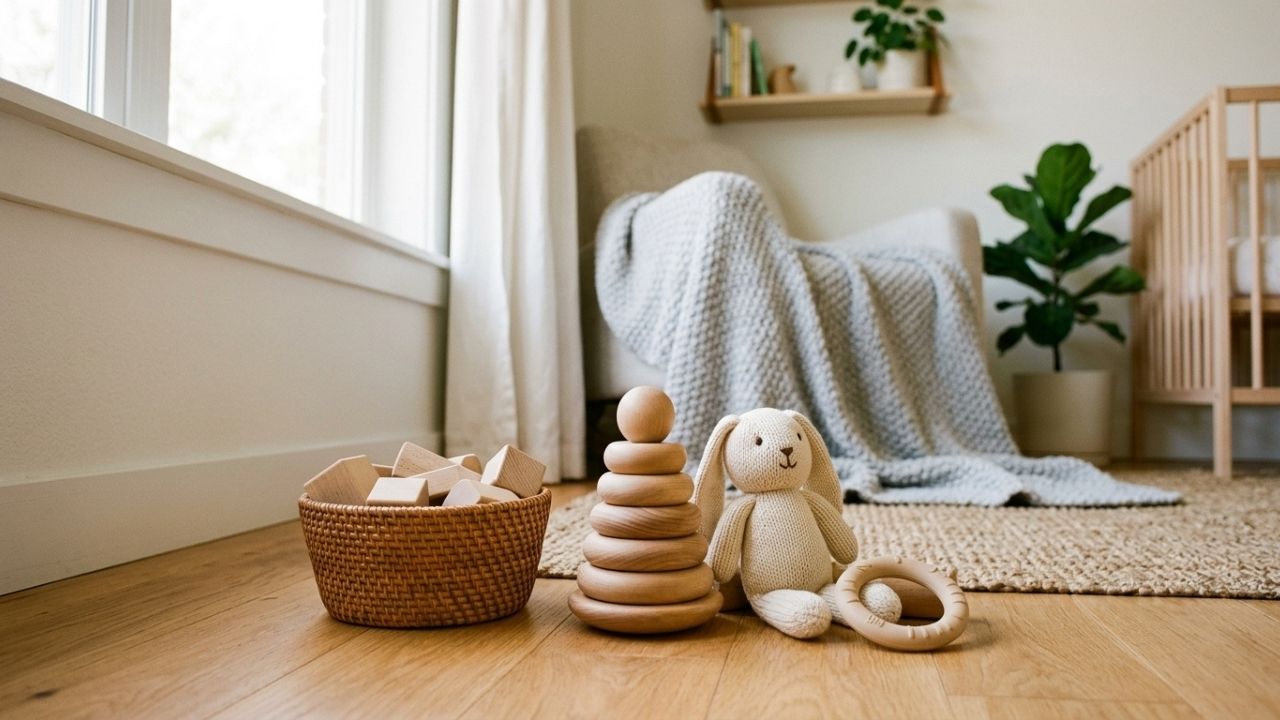
Parents today are thinking more carefully about the products they bring into their homes, and baby toys are no exception.
As awareness grows around plastic waste, chemical exposure, and the environmental cost of mass manufacturing, many families are asking a simple but important question: what actually makes a baby toy eco-friendly?
The answer involves more than just a green label on the packaging. It touches on the materials used, how the toy is made, where it comes from, and what happens to it once a child outgrows it.
This article breaks down the key factors that define an eco-friendly baby toy, why they matter, and how parents can make more sustainable choices without sacrificing safety or fun.
Understanding the Basics of Eco-Friendly Toys
An eco-friendly baby toy is generally one that has a reduced impact on the environment throughout its entire life cycle. This includes the sourcing of raw materials, the manufacturing process, the packaging, the toy’s durability, and its end-of-life disposal or recyclability. It also often considers the health and safety of the child using it, since many conventional toys contain synthetic chemicals that can affect both people and the planet.
Rather than being defined by a single feature, an eco-friendly toy is usually the sum of several thoughtful choices made by the manufacturer. A toy that ticks several of these boxes is considered more sustainable than one made from conventional plastic with no attention paid to its environmental footprint.
Why This Matters for Babies Specifically
Babies and toddlers explore the world through their mouths, hands, and constant contact with objects. This makes toy safety especially important, since infants are exposed to whatever materials and finishes are used on their toys far more directly than older children or adults. Choosing eco-friendly options often overlaps with choosing safer, non-toxic products, which is a major reason this topic matters so much to new parents.
Key Materials That Define Eco-Friendly Toys
The material a toy is made from is usually the first thing parents notice, and it plays the biggest role in determining how sustainable a toy really is.
Natural and Sustainably Sourced Wood
Wooden toys are one of the most popular choices for environmentally conscious families. Wood is biodegradable, renewable when harvested responsibly, and tends to be far more durable than plastic. Look for wood that comes from sustainably managed forests, often indicated by a forest certification label, and finished with natural oils or water-based, non-toxic paints rather than synthetic lacquers.
Organic Cotton and Natural Fibers
Soft toys, teething cloths, and plush items made from organic cotton, wool, or bamboo fiber avoid the pesticides and synthetic dyes commonly used in conventional textile production. These fibers are also gentler on a baby’s sensitive skin and tend to be biodegradable at the end of their life.
Natural Rubber
Natural rubber, tapped from rubber trees rather than synthesized from petroleum, is a popular material for teethers and bath toys. It is naturally antimicrobial, biodegradable, and free from the phthalates and PVC found in many plastic alternatives.
Recycled and Bio-Based Plastics
Not all plastic toys are automatically unsustainable. Some brands now use recycled ocean plastic, post-consumer recycled materials, or plant-based bioplastics made from corn starch or sugarcane. These options reduce reliance on virgin fossil fuels and can still offer the durability and washability that plastic toys are known for.
Materials to Avoid
- PVC (polyvinyl chloride), which often contains phthalates
- BPA (bisphenol A), commonly found in hard plastics
- Synthetic dyes and heavy metal-based paints
- Petroleum-based foam padding
- Non-biodegradable glitter or plastic coatings
Manufacturing Practices That Support Sustainability
Beyond raw materials, the way a toy is produced has a significant effect on its overall environmental footprint.
Low-Impact Production Methods
Eco-friendly toy manufacturers often prioritize energy-efficient production facilities, reduced water usage, and minimal chemical processing. Some companies use solar power or other renewable energy sources to run their factories, which lowers the carbon footprint of every toy produced.
Fair Labor and Ethical Sourcing
Sustainability is not only about the environment. Many parents also look for toys made under fair labor conditions, where workers are paid fairly and operate in safe environments. Ethical sourcing of raw materials, such as wood harvested without contributing to deforestation, is another important piece of the puzzle.
Local and Small-Batch Production
Toys made closer to where they are sold tend to have a smaller transportation footprint than those shipped across oceans. Small-batch or handmade toys also often use less energy-intensive production methods compared to large-scale industrial manufacturing.
Packaging Matters Too
It is easy to focus only on the toy itself, but packaging is a major contributor to household waste. Eco-friendly baby toys are often packaged using:
- Recycled cardboard instead of plastic clamshells
- Soy-based or water-based inks for printing
- Minimal packaging materials overall
- Compostable or biodegradable wrapping instead of plastic film
- Reusable pouches or cloth bags in place of single-use plastic bags
Reducing packaging waste is a simple but meaningful way manufacturers can lower the overall environmental impact of a toy, and it is something parents can easily notice when shopping.
Durability and Longevity
A toy that breaks after a few weeks of use is rarely eco-friendly, no matter what it is made from. One of the most overlooked aspects of sustainability is simply how long a toy lasts.
Built to Last
High-quality wooden toys, solid rubber teethers, and well-made textile toys are designed to withstand years of use, being passed down from one child to another or even across generations. This longevity reduces the overall demand for new toys and the resources required to produce them.
Timeless Design Over Trends
Toys designed with simple, timeless aesthetics rather than tied to a passing trend or character license tend to stay relevant longer. This means they are more likely to be reused, resold, or handed down rather than discarded once a child loses interest.
End-of-Life Considerations
What happens to a toy once a child has outgrown it is just as important as how it was made.
Biodegradability
Toys made from natural materials like untreated wood, organic cotton, or natural rubber will eventually break down without leaving behind microplastics or toxic residue. This is a significant advantage over conventional plastic toys, which can persist in landfills for hundreds of years.
Recyclability
Some eco-friendly toys are designed with recyclability in mind, using single materials rather than mixed composites that are difficult to separate and process. A toy made entirely of one type of recyclable plastic, for example, is easier to recycle than one combining several materials.
Resale and Donation Potential
Because eco-friendly toys are often built to last, they tend to hold up well for resale or donation. Wooden toys in particular are frequently found in good condition in secondhand markets, extending their useful life well beyond the first owner.
Comparing Toy Materials at a Glance
| Material | Renewable | Biodegradable | Common Concerns |
|---|---|---|---|
| Sustainably sourced wood | Yes | Yes | Finish and paint quality matters |
| Organic cotton or wool | Yes | Yes | Dye and treatment processes |
| Natural rubber | Yes | Yes | Possible latex allergy |
| Recycled plastic | Partially | No | Still sheds microplastics over time |
| Conventional plastic | No | No | Chemical additives, long landfill life |
| Bioplastic (plant-based) | Yes | Sometimes | Requires industrial composting in some cases |
How Parents Can Identify Truly Eco-Friendly Toys
With so much marketing language surrounding sustainability, it can be difficult to separate genuinely eco-friendly products from those simply using green branding without real substance. Here are some practical steps for evaluating a toy.
Read the Materials List Carefully
A genuinely sustainable toy will usually be transparent about what it is made from. Vague terms like “eco-friendly materials” without specifics can be a sign of greenwashing.
Look for Trusted Certifications
- Forest certification labels for wood products
- Organic textile certifications for fabric toys
- Non-toxic or low-emission product safety certifications
- Fair trade or ethical manufacturing certifications
Consider the Toy’s Lifespan
Ask whether the toy is likely to survive rough play, teething, and repeated washing. A toy that needs to be replaced frequently is rarely the more sustainable choice, even if its individual materials sound appealing.
Think About Packaging and Shipping
Checking how a toy is packaged and how far it likely traveled to reach the shelf can offer additional insight into its overall footprint.
Simple Ways to Build a More Sustainable Toy Collection
Beyond choosing individual eco-friendly products, parents can take a broader approach to reducing the environmental impact of their child’s toy collection.
- Choose fewer, higher-quality toys rather than large quantities of cheap ones
- Prioritize open-ended toys that support imaginative play over single-use novelty items
- Buy secondhand wooden or fabric toys when possible
- Rotate toys instead of buying new ones to keep playtime fresh
- Pass toys down to younger siblings, relatives, or donate them when no longer needed
- Repair rather than replace when a toy can be fixed
The Value of Toy Rotation
Toy rotation, where only a small selection of toys is available to a child at any given time while the rest are stored away, is a practical strategy that reduces the perceived need for constant new purchases. It also keeps a baby more engaged, since familiar toys feel new again after being out of sight for a while.
Balancing Sustainability with Practicality
While eco-friendly toys often come with a higher upfront cost, their durability frequently makes them a better long-term value. A well-made wooden toy that survives years of use and gets passed down to future children can end up costing less over time than replacing several cheaper plastic toys.
That said, sustainability does not need to be all or nothing. Parents working with tighter budgets can still make meaningful choices, such as buying secondhand, prioritizing natural materials for toys babies are most likely to mouth, or simply keeping toy collections smaller and more intentional.
Final Thoughts
An eco-friendly baby toy is defined by much more than a single feature. It reflects thoughtful choices around materials, manufacturing, packaging, durability, and what happens to the toy once it is no longer needed.
Wood, organic textiles, and natural rubber tend to offer the strongest combination of safety and sustainability, while durability and thoughtful design help ensure a toy stays useful for as long as possible.
For parents who want to raise their children with a lighter environmental footprint, understanding these factors makes it easier to shop with confidence.
Small, consistent choices, from selecting well-made natural toys to embracing secondhand options and toy rotation, add up to a meaningful difference over time, both for the planet and for the next generation who will inherit it.



