
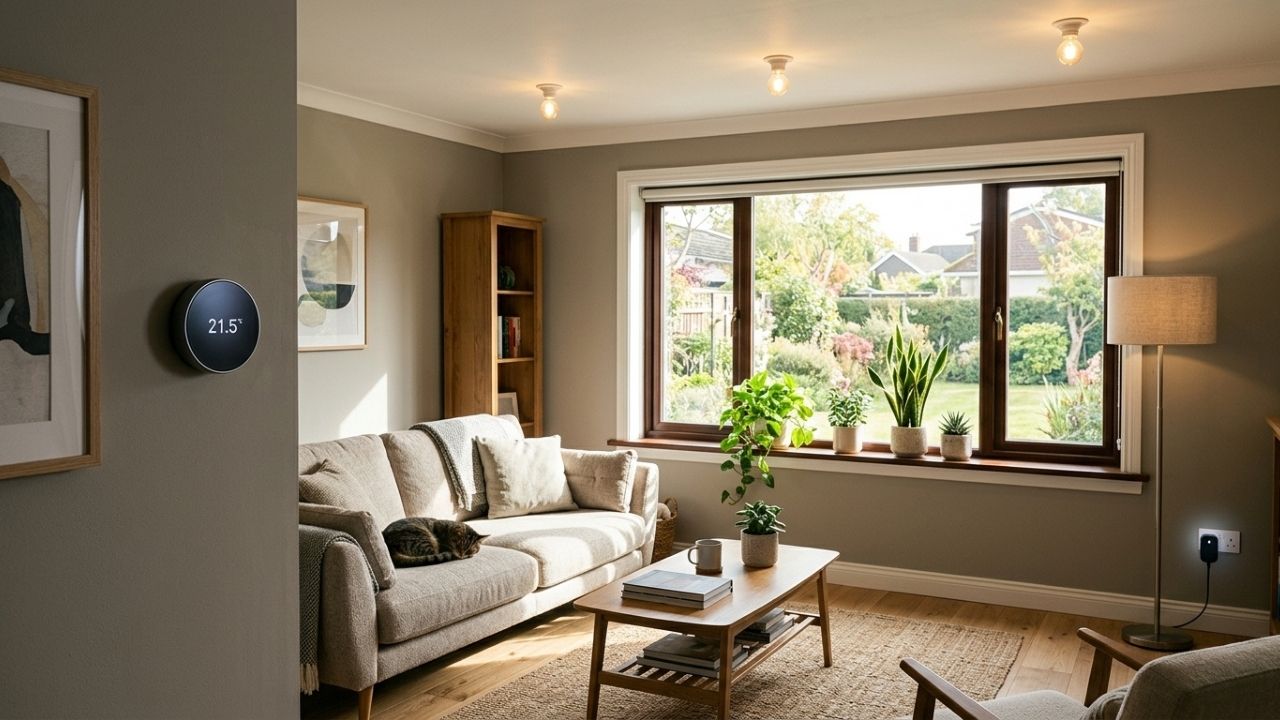
Every home uses energy in ways that often go unnoticed. Lights stay on in empty rooms, appliances run longer than needed, and heating or cooling systems work overtime just to keep up with drafty windows or outdated equipment.
For anyone interested in living a more sustainable and eco-friendly lifestyle, reducing household energy use is one of the most practical and rewarding places to start. It lowers utility bills, shrinks a household’s carbon footprint, and often makes daily life more comfortable in the process.
The good news is that cutting energy waste does not require a complete home overhaul. A wide range of products, from small gadgets to larger upgrades, can make a real difference. This article walks through the most effective categories of energy-saving products, how they work, and what to consider before buying them.
Why Household Energy Use Matters
Homes account for a significant portion of global energy consumption, largely through heating, cooling, lighting, and running appliances. Much of that energy comes from sources that release greenhouse gases, which means every kilowatt saved at home has a ripple effect beyond the electricity bill. Reducing energy use is not just about saving money, though that is a welcome benefit. It is also about easing the demand on power grids, conserving natural resources, and supporting a broader shift toward cleaner living.
For people who care about sustainability, the home is often the easiest and most immediate place to take action. Unlike larger systemic changes, swapping a few products or adjusting daily habits can be done this week, not years from now.
Smart Thermostats
Heating and cooling typically make up the largest share of a home’s energy bill. A smart thermostat is one of the most impactful products a household can invest in because it learns patterns and adjusts temperatures automatically instead of running on a fixed schedule regardless of whether anyone is home.
How Smart Thermostats Save Energy
- They automatically lower heating or cooling when no one is detected in the house
- They allow remote control through a smartphone app, so settings can be adjusted from anywhere
- Many models track energy usage over time, helping homeowners spot patterns and waste
- Some integrate with weather forecasts to pre-cool or pre-heat a home efficiently
Choosing a smart thermostat that is compatible with an existing heating and cooling system is important, as is checking whether professional installation is needed. For most modern systems, installation is straightforward enough for a confident do-it-yourselfer.
Energy-Efficient Lighting
Lighting might seem like a small piece of the puzzle, but it adds up quickly across a household, especially in homes with many rooms or outdoor lighting that runs for hours each night.
LED Bulbs
LED bulbs use a fraction of the energy that traditional incandescent bulbs require and last significantly longer. While they can cost a bit more upfront, the long-term savings on both electricity and bulb replacement make them one of the easiest sustainability upgrades available.
Smart Lighting Systems
Smart bulbs and switches take efficiency a step further by allowing scheduling, dimming, and remote control. Lights can be set to turn off automatically when a room is empty or dim during daylight hours when full brightness is not necessary.
Motion Sensor Lighting
For spaces like hallways, closets, garages, and outdoor areas, motion sensor lighting ensures lights are only on when someone is actually present. This is a low-cost, high-impact product for reducing unnecessary energy use.
Power Strips and Smart Plugs
Many household devices continue to draw small amounts of electricity even when turned off, a phenomenon often called phantom or standby power. Over time, this hidden energy use can account for a noticeable chunk of a monthly bill.
- Smart power strips cut power completely to devices that are not in active use
- Smart plugs allow individual appliances to be scheduled or controlled remotely
- Some smart plugs provide real-time energy usage data, helping identify which devices are the biggest culprits
These products are especially useful for entertainment centers, home office setups, and kitchen appliances that are often left plugged in around the clock.
Energy-Efficient Appliances
When it is time to replace major appliances, choosing energy-efficient models can lead to some of the largest long-term savings a household can achieve. Refrigerators, washing machines, dishwashers, and water heaters are among the biggest energy consumers in a typical home.
What to Look For
- Products with recognized energy efficiency certifications, which indicate they meet strict performance standards
- Appliances sized appropriately for household needs, since oversized units often waste energy
- Features like eco modes, which adjust cycles to use less water and electricity
Table: Common Appliances and Energy-Saving Considerations
| Appliance | Energy-Saving Feature to Look For | Typical Benefit |
|---|---|---|
| Refrigerator | High efficiency rating, proper sizing | Lower daily electricity draw |
| Washing Machine | Cold water and eco cycle options | Reduced water heating costs |
| Dishwasher | Eco mode, efficient water use | Lower water and energy use |
| Water Heater | Tankless or heat pump models | Less standby energy loss |
| Dryer | Moisture sensors, eco settings | Shorter cycles, less energy |
Insulation and Weatherproofing Products
Even the most efficient heating and cooling system will struggle if a home is losing air through gaps, cracks, or poor insulation. Weatherproofing products are often overlooked but can dramatically reduce the workload placed on heating and cooling systems.
Common Products to Consider
- Weatherstripping for doors and windows to seal drafts
- Draft stoppers placed along the base of doors
- Window insulation film, which adds an extra layer of protection during colder months
- Outlet and switch plate insulators, which block small but consistent air leaks
- Attic and wall insulation upgrades for homes with older or insufficient insulation
These products tend to be inexpensive relative to the energy savings they provide, making them a smart starting point for households on a budget.
Solar-Powered Products
Solar energy has become increasingly accessible, and it is no longer limited to full rooftop installations. Smaller solar products allow households to dip into renewable energy without a major financial commitment.
Options to Explore
- Solar-powered outdoor lighting, which eliminates the need for wired electrical connections
- Portable solar chargers for small electronics
- Solar attic fans, which help regulate attic temperature without drawing from the main power grid
- Full solar panel systems for households ready to invest in larger-scale renewable energy
Solar products are a natural fit for anyone looking to reduce reliance on grid electricity while embracing cleaner energy sources.
Water-Saving Products That Reduce Energy Use
Water heating uses a significant amount of household energy, so products that reduce hot water consumption indirectly reduce energy use as well.
- Low-flow showerheads reduce hot water usage without sacrificing water pressure
- Faucet aerators mix air into water flow, reducing the amount of hot water needed
- Insulated water heater blankets help retain heat, reducing how often the heater needs to run
These small changes are easy to implement and often go unnoticed in daily life, aside from lower utility bills.
Home Energy Monitors
For households that want a clearer picture of exactly where energy is being used, home energy monitors offer detailed insights. These devices connect to a home’s electrical system and track usage in real time, often broken down by individual circuits or appliances.
Benefits of Energy Monitors
- Identifies which appliances or systems use the most energy
- Helps track progress after making efficiency upgrades
- Encourages more mindful daily habits by making energy use visible
While these products require a bit more investment and sometimes professional installation, they are especially useful for households serious about long-term energy reduction.
Ceiling Fans and Ventilation Products
Fans use significantly less energy than air conditioning systems and can help reduce reliance on cooling during warmer months.
- Ceiling fans help circulate air, allowing thermostats to be set a few degrees higher without sacrificing comfort
- Whole-house fans pull cooler evening air through a home, reducing the need for air conditioning overnight
- Bathroom and kitchen exhaust fans with efficient motors help manage humidity without excessive energy draw
Pairing fans with a smart thermostat can further optimize comfort while minimizing energy use.
Building a Simple Energy-Saving Plan
With so many products available, it can help to approach household energy reduction in stages rather than trying to change everything at once.
A Practical Starting Point
- Begin with low-cost products like LED bulbs, weatherstripping, and smart plugs
- Move on to mid-range investments such as a smart thermostat or low-flow fixtures
- Consider larger upgrades like energy-efficient appliances or solar products when budget allows
- Use an energy monitor to track progress and identify the next area to improve
This step-by-step approach makes sustainable living feel achievable rather than overwhelming, and it allows households to see measurable results along the way.
Final Thoughts
Reducing household energy use does not require perfection or an unlimited budget. It simply requires a willingness to make thoughtful choices, one product and one habit at a time. From simple swaps like LED bulbs to bigger investments like solar panels or energy-efficient appliances, each change contributes to a more sustainable home and a lighter environmental footprint.
For anyone committed to eco-friendly living, the products highlighted here offer a practical roadmap. They prove that sustainability is not just an abstract goal but something that can be built into everyday life, one small decision at a time.



