
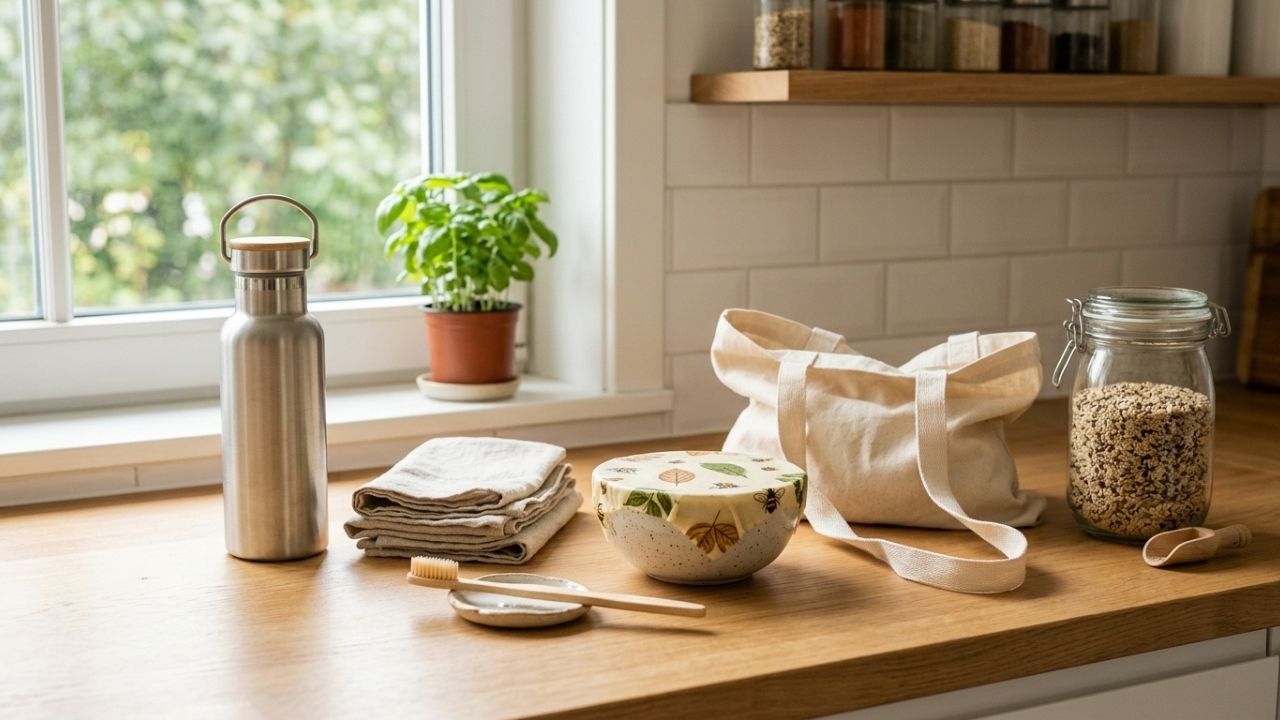
Reducing waste does not always mean buying more eco-friendly products. Sometimes the biggest impact comes from simply buying less, or cutting certain items out of a shopping routine altogether.
Many households are filled with products that get used once and thrown away, or items that seem convenient but quietly pile up in landfills.
Anyone interested in living a more sustainable lifestyle can make a real difference by identifying which purchases create the most unnecessary waste and finding better alternatives.
This article breaks down the everyday products worth giving up, why they cause problems, and what practical swaps can replace them without making daily life harder.
Why Rethinking Purchases Matters
Every product bought carries a hidden cost beyond its price tag. Manufacturing, packaging, shipping, and eventual disposal all add up to a larger environmental footprint than most people realize. Single-use items are especially problematic because they are designed to be discarded almost immediately after use, meaning the resources and energy used to make them provide only a few minutes of value before ending up in a landfill or, worse, in oceans and waterways.
Cutting back on unnecessary purchases is not about giving up comfort or convenience. It is about becoming more intentional with spending and recognizing which items truly serve a purpose versus which ones exist mostly out of habit. A more mindful approach to shopping can lower household waste significantly while also saving money over time.
Single-Use Plastics to Avoid
Plastic waste is one of the most visible and damaging forms of pollution. Much of it comes from products meant to be used once and tossed. Cutting these out of a regular shopping list is one of the fastest ways to reduce a household’s waste footprint.
Plastic Water Bottles
Bottled water is convenient, but it generates an enormous amount of plastic waste, much of which never gets recycled. A reusable water bottle paired with a good filter at home can eliminate this waste entirely while also saving money over time.
Plastic Shopping Bags
Thin plastic bags are used for minutes but can take centuries to break down. Reusable cloth or canvas bags are sturdier, hold more weight, and can be used thousands of times before wearing out.
Plastic Straws and Cutlery
Disposable straws and cutlery are handed out by default at many restaurants and food delivery services. Keeping a small reusable set of utensils and a metal or bamboo straw on hand makes it easy to decline these extras.
Plastic Wrap and Cling Film
Plastic wrap cannot be recycled in most curbside programs and often ends up in landfills after a single use. Beeswax wraps, silicone lids, or simply storing food in reusable containers can replace it in almost every situation.
Fast Fashion and Disposable Clothing
Clothing waste has grown dramatically in recent decades as fast fashion brands push out new styles at low prices designed to be worn a handful of times before being discarded. This cycle creates enormous textile waste and relies on resource-intensive manufacturing processes.
Reducing clothing waste does not mean giving up personal style. It means shifting toward quality over quantity.
- Buying fewer, better-made pieces that last longer instead of frequent cheap purchases
- Choosing natural fibers like cotton, wool, or linen over synthetic materials that shed microplastics when washed
- Shopping secondhand or thrifted clothing before buying new
- Repairing torn or worn items instead of replacing them
- Donating or swapping clothes instead of throwing them away
Paper Products That Pile Up Fast
Paper towels, napkins, and disposable tissues seem harmless individually, but their cumulative impact is significant. These products require ongoing production of new paper, water, and energy, and they generate constant waste since they cannot be reused.
Switching to reusable cloth napkins, rags, and handkerchiefs can dramatically cut down on this category of waste. A stack of cloth towels can be washed and reused for years, replacing thousands of paper towels over that same period.
Excess Packaging and Individually Wrapped Products
Grocery stores are full of products wrapped in layers of unnecessary packaging. Pre-cut fruit in plastic containers, individually wrapped snacks, and items packaged in both plastic and cardboard all add up to significant waste.
Choosing products with minimal packaging, buying from bulk bins when available, and selecting loose produce over pre-packaged options can noticeably reduce the amount of trash a household produces each week.
Disposable Beauty and Personal Care Items
Personal care routines often rely on products designed for one-time use, and this category is easy to overlook when thinking about waste reduction.
- Disposable razors that get thrown away after a few uses
- Cotton pads and swabs made from non-biodegradable materials
- Plastic toothbrushes that cannot be recycled through most programs
- Travel-size toiletries bought instead of refilling existing containers
- Makeup wipes that generate constant landfill waste
Reusable alternatives exist for nearly every one of these items, including safety razors with replaceable blades, washable cotton rounds, bamboo toothbrushes, and refillable travel bottles.
Cheap, Low-Quality Household Goods
It can be tempting to buy the least expensive version of a household item, but cheaply made goods often break quickly and end up replaced far sooner than higher-quality alternatives. This creates a repeating cycle of waste.
Common Culprits
- Inexpensive kitchen gadgets that break within months
- Low-quality furniture that cannot be repaired
- Cheap electronics with short lifespans
- Fast, trend-driven home decor items
Investing in fewer, better-made items usually costs less over the long run and produces far less waste than repeatedly replacing broken or worn-out products.
Comparison Table: Wasteful Purchases and Sustainable Swaps
| Wasteful Purchase | Why It Creates Waste | Sustainable Swap |
|---|---|---|
| Bottled water | Plastic rarely gets recycled | Reusable bottle with filter |
| Plastic shopping bags | Used briefly, takes centuries to break down | Reusable cloth or canvas bags |
| Plastic wrap | Not recyclable curbside | Beeswax wrap or reusable containers |
| Fast fashion clothing | Short lifespan, heavy manufacturing footprint | Secondhand or quality, durable clothing |
| Paper towels | Constant repurchasing, no reuse | Washable cloth towels |
| Disposable razors | Thrown away after a few uses | Safety razor with replaceable blades |
| Individually wrapped snacks | Excess packaging waste | Bulk bin purchases with reusable bags |
| Cheap electronics | Short lifespan, hard to repair | Durable, repairable products |
Building Better Shopping Habits
Cutting out wasteful purchases works best when paired with a mindset shift around shopping in general. A few simple habits can make sustainable choices feel automatic rather than like a constant effort.
Ask Before Buying
Before making a purchase, it helps to pause and consider whether the item is genuinely needed, how long it will last, and whether there is a reusable alternative already available at home.
Plan Ahead
Impulse purchases are often the most wasteful ones. Planning meals, packing reusable bags in advance, and keeping a list of household needs can prevent unnecessary trips and last-minute disposable buys.
Start Small
Trying to eliminate every wasteful product overnight can feel overwhelming. Focusing on one category at a time, such as swapping out plastic bags first and then moving on to paper towels, makes the transition more manageable and sustainable in the long run.
The Bigger Picture
Every product not bought is one less item that needs to be manufactured, packaged, shipped, and eventually discarded. While individual choices might seem small on their own, they add up significantly when practiced consistently over time. A household that swaps disposable products for reusable ones can prevent hundreds of pounds of waste from reaching landfills each year.
Reducing waste is not about perfection. Nobody eliminates every single-use product overnight, and that is not the goal. The goal is progress, one purchase decision at a time. Choosing to stop buying certain items, even gradually, sends a signal that demand for wasteful products is shrinking, which can influence how companies design and package what they sell in the future.
Final Thoughts
Living a more sustainable lifestyle often starts with small, practical decisions rather than dramatic lifestyle overhauls. Identifying which everyday purchases contribute the most to household waste, from single-use plastics to fast fashion to excess packaging, makes it easier to find realistic alternatives that fit into daily life.
Over time, these small changes add up to meaningfully less waste, less spending on disposable products, and a lifestyle that feels more intentional and connected to the impact of everyday choices.



