Cutting down on single-use products can feel like a huge lifestyle overhaul, but the truth is that most people can make a real difference by starting small. Not every disposable item requires the same amount of effort to give up.
Some swaps are so simple that a person barely notices the change, while others take more planning and a bigger shift in habits. For anyone looking to live a more sustainable life without feeling overwhelmed, it helps to know which single-use products are the easiest to eliminate first.
This guide breaks down the disposable items that are simplest to stop buying, why they matter, and practical alternatives that fit into everyday routines.
Why Start With the Easy Swaps
Sustainability experts often recommend beginning with the changes that require the least effort and the smallest adjustment period. This approach builds confidence and momentum. When someone tackles the hardest habits first, they are more likely to feel discouraged and give up. But when the easy wins come first, it becomes much easier to keep going and eventually take on the trickier changes.
Starting small also has a real environmental impact. Many single-use items are used for mere minutes but take decades or even centuries to break down. Reducing the demand for these products, even one household at a time, sends a signal to manufacturers and retailers that consumers want better options.
The Easiest Single-Use Products to Give Up
Some disposable products are so simple to replace that skipping them barely requires a second thought. These are usually items with obvious, durable alternatives that are affordable, widely available, and just as convenient.
Plastic Water Bottles
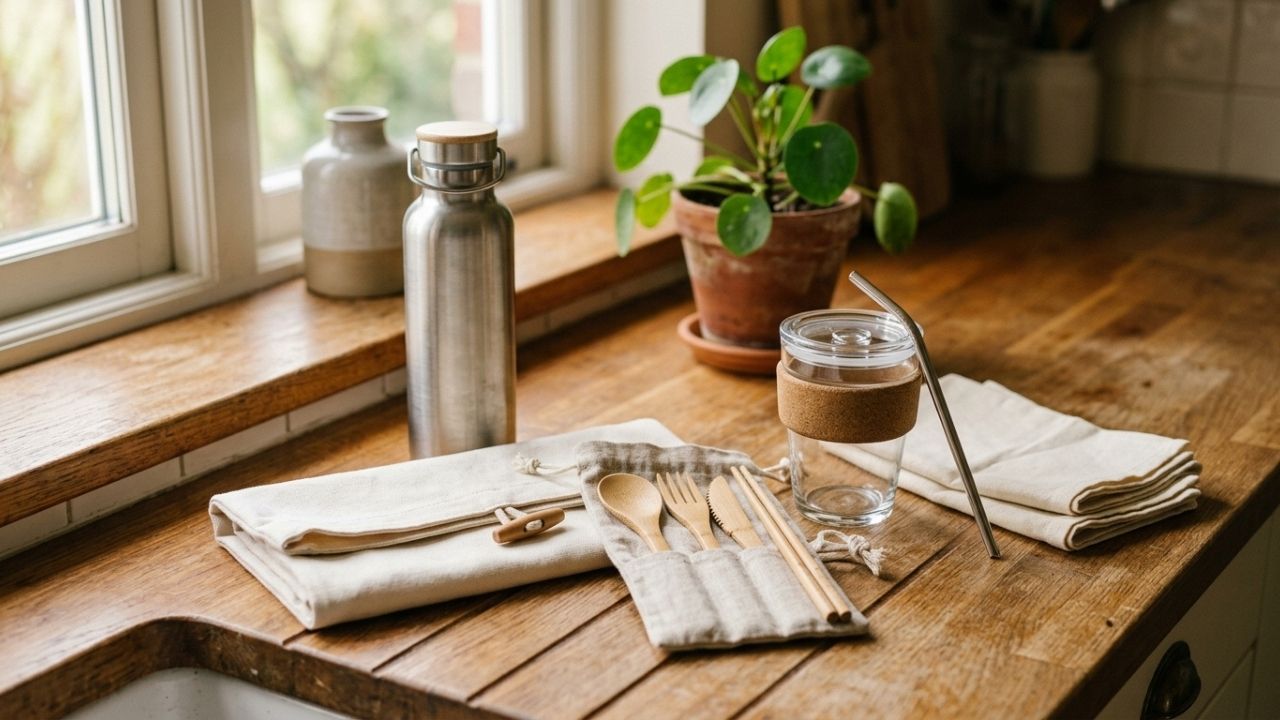
Plastic water bottles are one of the most common single-use items found in landfills and waterways, yet they are also one of the easiest to eliminate. A reusable water bottle can be filled at home, at work, or at public refill stations, and it pays for itself within weeks.
- A stainless steel or glass bottle keeps water cold or hot for hours
- Refill stations are becoming more common in airports, gyms, and offices
- A basic filter pitcher at home can improve tap water taste, removing the excuse to buy bottled water
Plastic Shopping Bags
Reusable tote bags have become so widely available that skipping plastic shopping bags is almost effortless. Many stores now sell inexpensive cloth or woven bags at checkout, and keeping a few in a car or by the front door makes it simple to remember them.
- Foldable bags can be stored in a purse, backpack, or glove compartment
- Produce bags made of mesh or cotton work well for fruits and vegetables
- Some regions offer small discounts for shoppers who bring their own bags
Plastic Straws
Straws are a small item, but they add up quickly, especially for anyone who orders drinks regularly. Reusable straws made of metal, silicone, or bamboo are inexpensive and easy to carry.
- A simple bag or pouch keeps a reusable straw clean and portable
- Many people find they do not need a straw at all once they get used to sipping directly from a cup
- Restaurants are increasingly willing to skip straws automatically if asked
Disposable Coffee Cups
For coffee drinkers, bringing a reusable cup or travel mug is one of the simplest habit changes available. Many coffee shops even offer small discounts to customers who bring their own container.
- A travel mug keeps drinks warmer for longer than a paper cup
- Reusable cups reduce the need for plastic lids and cardboard sleeves
- Making coffee at home in a reusable mug cuts out packaging entirely
Plastic Cutlery
Disposable forks, spoons, and knives are easy to avoid with just a bit of planning. Keeping a compact reusable utensil set in a bag or car makes it simple to skip plastic cutlery when ordering takeout.
- Bamboo or metal travel utensil sets are lightweight and easy to clean
- Declining cutlery when ordering delivery food prevents unnecessary waste
- A set kept at a desk or in a car is handy for unexpected meals on the go
A Quick Comparison of Easy Swaps
The table below offers a simple overview of some of the easiest single-use products to eliminate, along with their reusable alternatives and the general effort involved.
| Single-Use Product | Reusable Alternative | Effort Level | Extra Benefit |
|---|---|---|---|
| Plastic water bottles | Stainless steel or glass bottle | Very Low | Saves money over time |
| Plastic shopping bags | Cloth or woven tote bags | Very Low | Often stronger, holds more |
| Plastic straws | Metal, silicone, or bamboo straws | Low | Easy to clean and carry |
| Disposable coffee cups | Insulated travel mug | Low | Keeps drinks hotter or colder |
| Plastic cutlery | Bamboo or metal utensil set | Low | Reduces takeout waste |
| Paper napkins | Cloth napkins | Low | Softer and more absorbent |
| Plastic sandwich bags | Reusable silicone pouches | Moderate | Keeps food fresher longer |
Other Simple Swaps Worth Considering
Once the basics feel comfortable, a few more single-use products are still relatively easy to phase out with just a little extra thought.
Paper Napkins
Cloth napkins can be washed and reused hundreds of times before needing to be replaced. Keeping a small stack in a kitchen drawer makes them just as convenient as paper versions.
Plastic Sandwich Bags
Reusable silicone or fabric pouches can hold sandwiches, snacks, and leftovers without the need for a fresh plastic bag every time. Many are dishwasher safe, which keeps cleanup simple.
Disposable Razors
Switching to a razor with replaceable blades cuts down significantly on plastic waste. While the upfront cost is slightly higher, the long-term savings and reduced waste make it worthwhile.
Paper Towels
Keeping a stack of absorbent cloth towels or rags for spills and cleaning reduces the need to buy paper towels as often. This swap does take a bit more adjustment since paper towels are often used out of habit rather than necessity.
Building New Habits That Stick
Giving up single-use products is less about willpower and more about setting up systems that make the sustainable choice the easy choice. A few strategies can help these changes stick long term.
- Keep reusable items in visible, convenient places like a car, bag, or entryway
- Set reminders on a phone until new habits feel automatic
- Choose durable products that are genuinely enjoyable to use, since comfort and quality make people more likely to stick with them
- Start with one or two swaps at a time instead of trying to change everything at once
- Involve family members or roommates so the household shares the effort
Common Roadblocks and How to Handle Them
Even simple swaps can run into snags. Forgetting reusable bags at home, losing a travel mug, or feeling awkward asking a restaurant to skip plastic cutlery are all common experiences. The key is not perfection but consistency over time.
- Keep a backup reusable bag in a car for the times one gets forgotten at home
- Buy a couple of inexpensive reusable straws or utensil sets so there is always a spare
- Remember that occasional slip-ups do not undo the overall progress being made
The Bigger Picture
While individual swaps may seem small, the cumulative effect of many people making these changes adds up significantly. Reducing demand for single-use plastics and paper products encourages businesses to rethink packaging, and it can influence local policies around waste reduction. Every reusable bottle, bag, or cup that replaces a disposable version is one less item that ends up in a landfill or waterway.
For anyone just beginning their sustainability journey, the easiest single-use products to give up are the ones that offer the most convenient, affordable, and readily available alternatives. Water bottles, shopping bags, straws, coffee cups, and cutlery are excellent starting points because the reusable options are just as practical, if not more so, than their disposable counterparts.
Final Thoughts
Living a more sustainable lifestyle does not require dramatic changes overnight. By focusing on the single-use products that are simplest to replace, anyone can build lasting habits that reduce waste without adding stress or complication to daily life.
Small, steady changes tend to last longer than sudden, drastic ones, and each swap made is a meaningful step toward a cleaner, more sustainable future.