Every day, people make small choices that add up to a big impact on the planet. One of the most common choices happens without much thought: grabbing a plastic bag at the store, tossing a paper cup after one coffee, or throwing away a plastic fork after a single meal.
These single-use products feel convenient in the moment, but their long-term cost to the environment, to personal health, and even to household budgets is far greater than most people realize.
Reusable products, on the other hand, offer a simple and practical way to reduce waste while still enjoying comfort and convenience. This article explores why reusable products are better than single-use products, how they benefit the environment, and how anyone can start making the switch in their everyday life.
Understanding the Difference Between Reusable and Single-Use Products
Single-use products are designed to be used once and thrown away. Common examples include plastic water bottles, disposable razors, paper plates, plastic cutlery, and takeout containers. These items are often made cheaply, using materials that are not built to last.
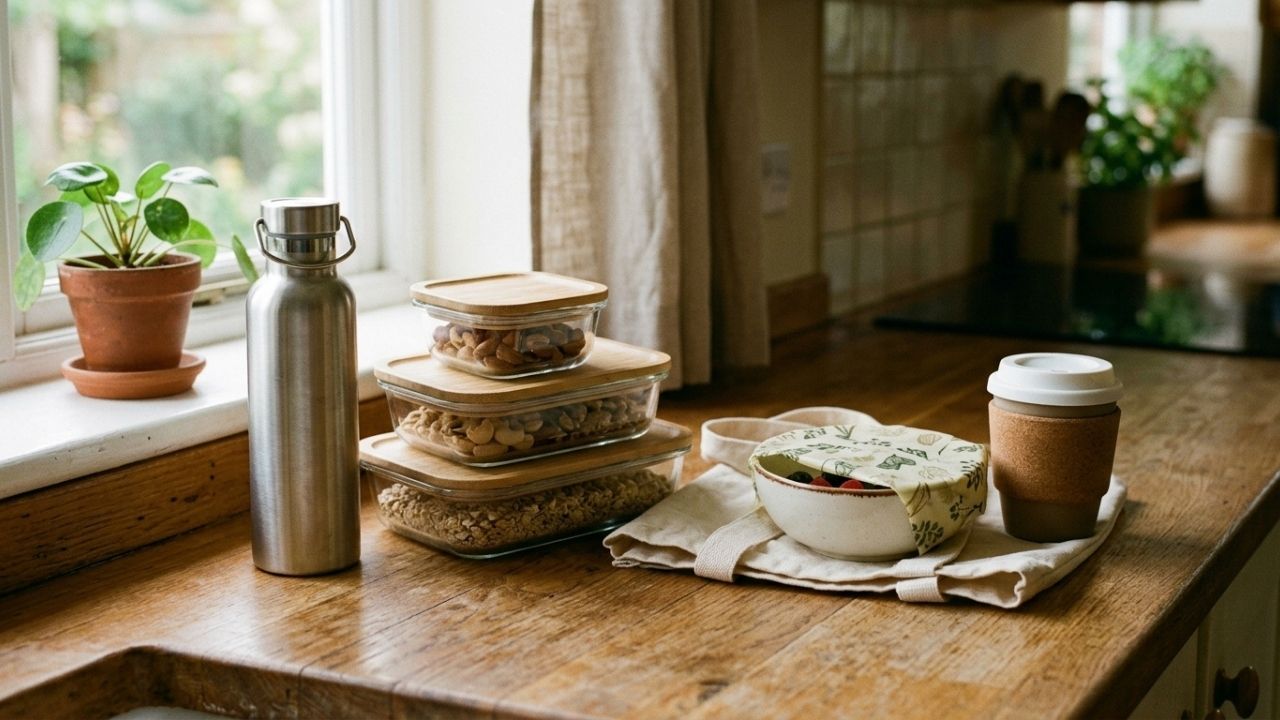
Reusable products, by contrast, are designed for repeated use over a long period of time. A stainless steel water bottle, a cloth shopping bag, or a set of glass food containers can be used hundreds or even thousands of times before they need to be replaced. This difference in design philosophy is at the heart of why reusable products are considered a more sustainable choice.
Key Characteristics of Reusable Products
- Built with durable materials such as stainless steel, glass, silicone, or high-quality fabric
- Designed to withstand repeated washing, cleaning, and handling
- Often more expensive upfront but cheaper over time
- Typically produce less packaging waste
- Can usually be repaired or maintained instead of discarded
The Environmental Case for Reusable Products
The environmental argument for reusable products is one of the strongest reasons people choose to make the switch. Single-use items contribute heavily to landfill waste, ocean pollution, and greenhouse gas emissions.
Reducing Landfill Waste
Every single-use item that gets thrown away ends up somewhere, and most of the time that somewhere is a landfill. Plastic items in particular can take hundreds of years to break down. A plastic bag used for only a few minutes to carry groceries home can remain in a landfill for centuries. Reusable bags eliminate this problem by removing the need for constant replacement.
Cutting Down on Ocean Pollution
Plastic waste is one of the leading contributors to ocean pollution. Items like straws, bottles, and food wrappers frequently end up in rivers and oceans, where they harm marine life and break down into microplastics that enter the food chain. Choosing reusable straws, bottles, and containers helps reduce the flow of plastic waste into waterways.
Lowering Carbon Emissions
Manufacturing single-use products requires constant production, which consumes energy and raw materials. Because reusable products are made to last, fewer resources are needed over time to meet the same need. Producing one durable water bottle that lasts for years requires far less energy overall than producing hundreds of disposable bottles to serve the same purpose.
The Financial Benefits of Choosing Reusable Products
Beyond the environmental impact, reusable products often make more financial sense in the long run. While the initial cost of a reusable item may be higher than a disposable one, the long-term savings can be significant.
Consider the example of coffee cups. A disposable coffee cup might cost very little on its own, but for someone who buys coffee daily, the cost of cups (or the price built into each purchase) adds up over months and years. A reusable coffee cup, purchased once, can save money over time and often comes with the added benefit of discounts offered by coffee shops for bringing a personal cup.
Comparing Costs Over Time
| Product Type | Average Cost Per Use | Estimated Lifespan | Long-Term Value |
|---|---|---|---|
| Disposable water bottle | Low per bottle, adds up quickly | Single use | Poor, repeated cost |
| Reusable water bottle | Higher upfront cost | 2 to 5 years | Strong, pays for itself |
| Paper plates | Low per plate, frequent repurchase | Single use | Poor, ongoing expense |
| Reusable dinnerware | Moderate upfront cost | 10+ years | Excellent, rarely replaced |
| Plastic razors | Low per razor, frequent repurchase | A few uses | Poor, adds up over time |
| Reusable safety razor | Higher upfront cost | Many years with blade replacement | Excellent, minimal ongoing cost |
This kind of comparison shows a clear pattern. While reusable products often cost more at the point of purchase, they tend to save money the longer they are used, especially for items people rely on daily.
Health and Safety Advantages
Many reusable products are also considered safer for personal health compared to their single-use counterparts. This is particularly true when it comes to items made from plastic.
Reducing Exposure to Harmful Chemicals
Many single-use plastic products contain chemicals such as BPA or phthalates, which have been linked to potential health concerns when they leach into food or drinks, especially when exposed to heat. Reusable products made from glass, stainless steel, or high-quality food-safe silicone tend to avoid these risks, offering a safer alternative for everyday use.
Better Hygiene Control
Because reusable products are meant to be washed and reused, people have more control over their cleanliness. A reusable container that is properly washed after each use can be just as hygienic, if not more so, than a single-use item that may have been handled by multiple people during manufacturing, packaging, and transport before ever reaching the consumer.
Practical Everyday Examples of Reusable Alternatives
Making the switch from single-use to reusable products does not require a complete lifestyle overhaul. Small, consistent changes can make a meaningful difference over time.
Around the Kitchen
- Swap plastic wrap for beeswax wraps or silicone lids
- Replace paper towels with washable cloth towels
- Use glass or stainless steel containers instead of disposable takeout boxes
- Choose a reusable coffee filter instead of paper filters
On the Go
- Carry a reusable water bottle instead of buying bottled water
- Bring a reusable coffee cup to cafes
- Use a cloth tote bag instead of plastic shopping bags
- Pack a reusable set of cutlery for meals away from home
In the Bathroom
- Switch to a reusable safety razor instead of disposable razors
- Use a bamboo or reusable toothbrush handle with replaceable heads
- Choose cloth makeup remover pads instead of disposable wipes
- Replace single-use cotton swabs with a reusable alternative
Common Concerns About Switching to Reusable Products
While the benefits of reusable products are clear, some people hesitate to make the switch. Understanding these concerns can help ease the transition.
Higher Upfront Costs
It is true that reusable products often cost more at the time of purchase. However, as shown earlier, the long-term savings usually outweigh the initial investment, especially for items used frequently.
Convenience and Habit
Single-use products have become deeply embedded in daily routines, making them feel more convenient. Building new habits, such as remembering to bring a reusable bag or bottle, takes time. Keeping reusable items in visible, easy-to-reach places, such as by the front door or in a car, can help make the transition smoother.
Cleaning and Maintenance
Reusable products require regular cleaning, which can feel like an extra step compared to simply throwing something away. However, most reusable items are designed to be easy to clean, either by hand or in a dishwasher, and the extra effort is minor compared to the environmental and financial benefits gained.
The Bigger Picture: Collective Impact
While individual choices may seem small, the collective impact of many people switching from single-use to reusable products can be substantial. When communities, businesses, and individuals all reduce their reliance on disposable items, the cumulative effect on waste reduction, resource conservation, and pollution control becomes significant.
Many businesses have already started to notice this shift and are responding by offering incentives for customers who bring their own containers, cups, or bags. Some cities have also introduced policies limiting or taxing single-use plastics, encouraging both businesses and consumers to consider more sustainable alternatives.
Why Small Changes Matter
- One reusable bag can replace hundreds of plastic bags over its lifetime
- A single reusable bottle can prevent hundreds of plastic bottles from being produced and discarded
- Choosing reusable options sends a signal to businesses that sustainability matters to consumers
- Consistent small choices build habits that support a broader sustainable lifestyle
Tips for Making the Switch Easier
Transitioning to a lifestyle centered around reusable products does not need to happen overnight. A gradual approach often leads to more lasting change.
- Start with one category, such as bags or bottles, before expanding to other areas
- Keep reusable items in convenient locations to build consistent habits
- Choose high-quality reusable products that are built to last, even if they cost more upfront
- Set a personal or household goal, such as reducing single-use plastic by a certain percentage each month
- Involve family members or roommates to make the change a shared effort
Final Thoughts
The shift from single-use to reusable products is one of the most practical and accessible ways for individuals to reduce their environmental footprint. While the switch may require a small adjustment in habits and an initial investment, the long-term benefits are hard to ignore. Reusable products help protect the environment by reducing landfill waste, ocean pollution, and carbon emissions. They also offer financial savings over time and can provide health benefits by avoiding certain chemicals commonly found in disposable plastics.
Making the change does not require perfection. Even small, consistent steps, like carrying a reusable bag or bottle, can add up to meaningful progress over time. As more people choose reusable options, the positive impact grows, creating a ripple effect that benefits not just individuals, but communities and the planet as a whole.