
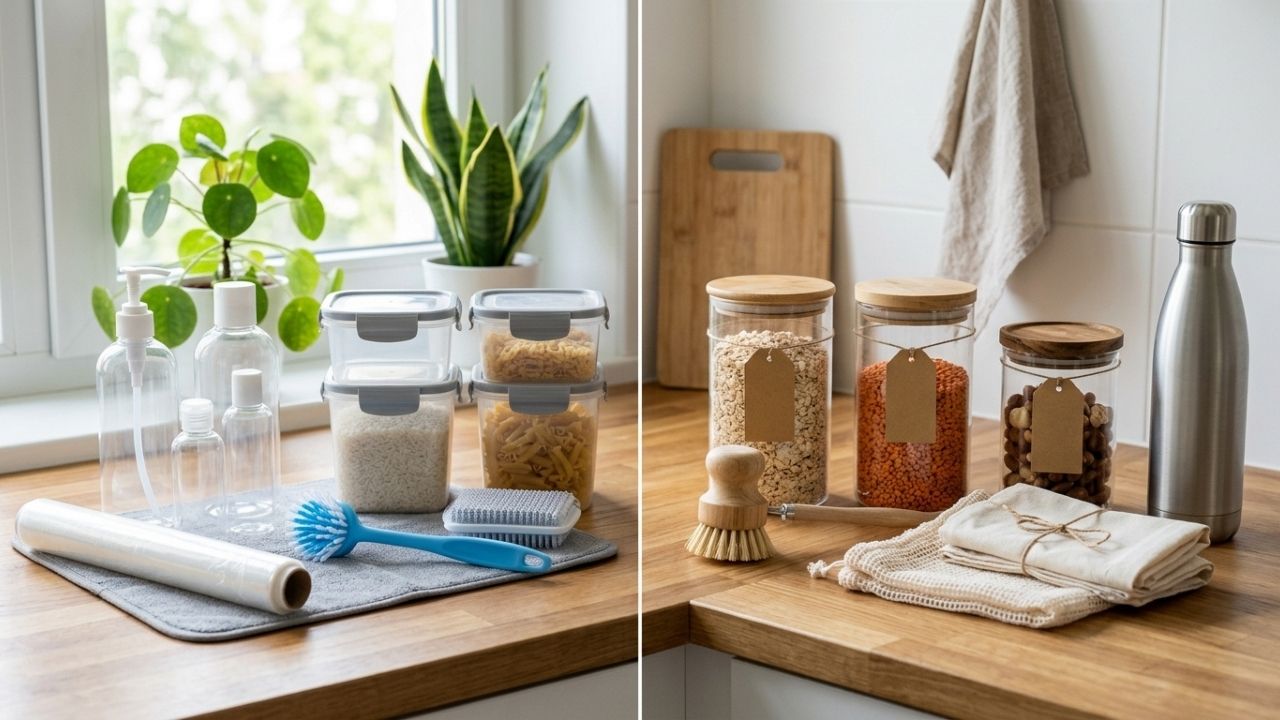
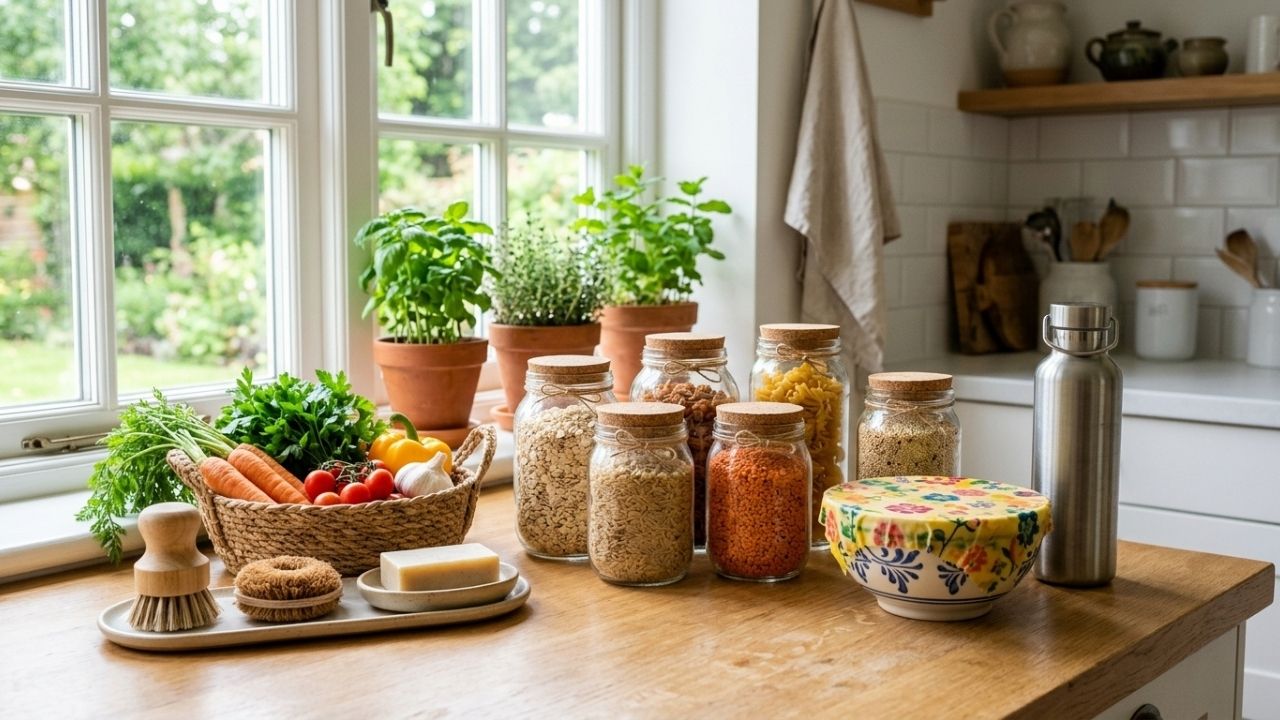
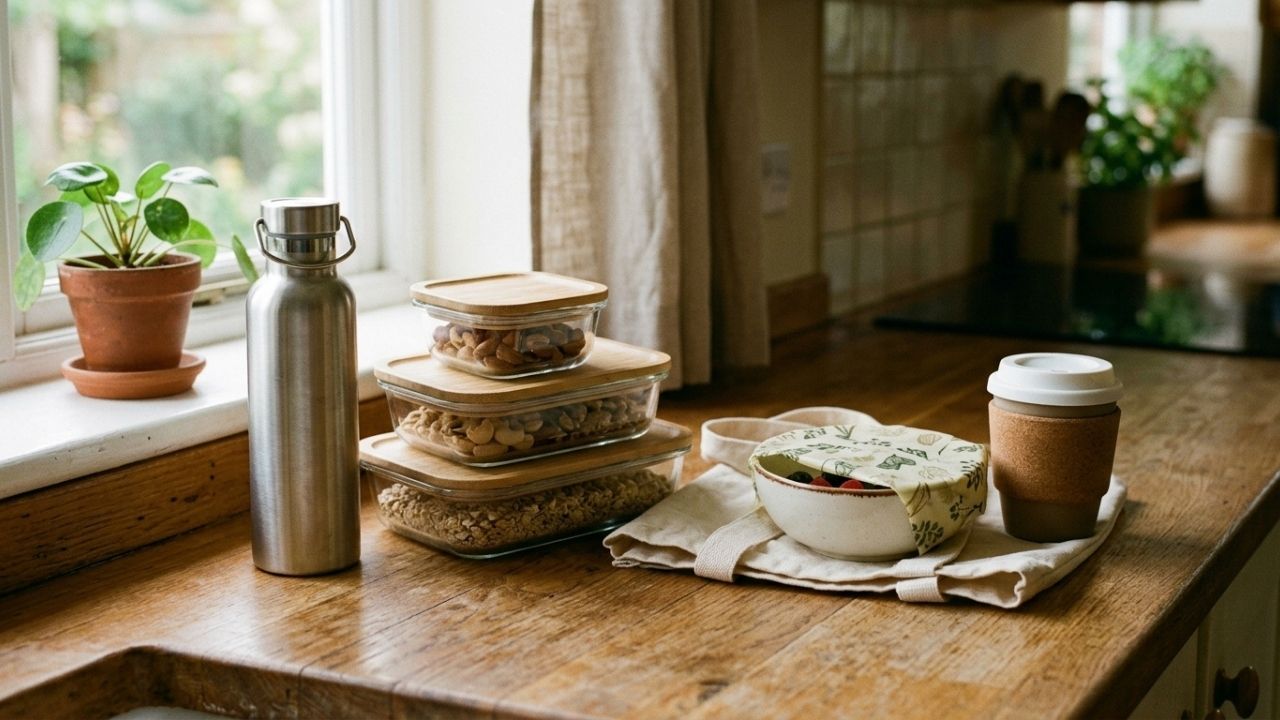
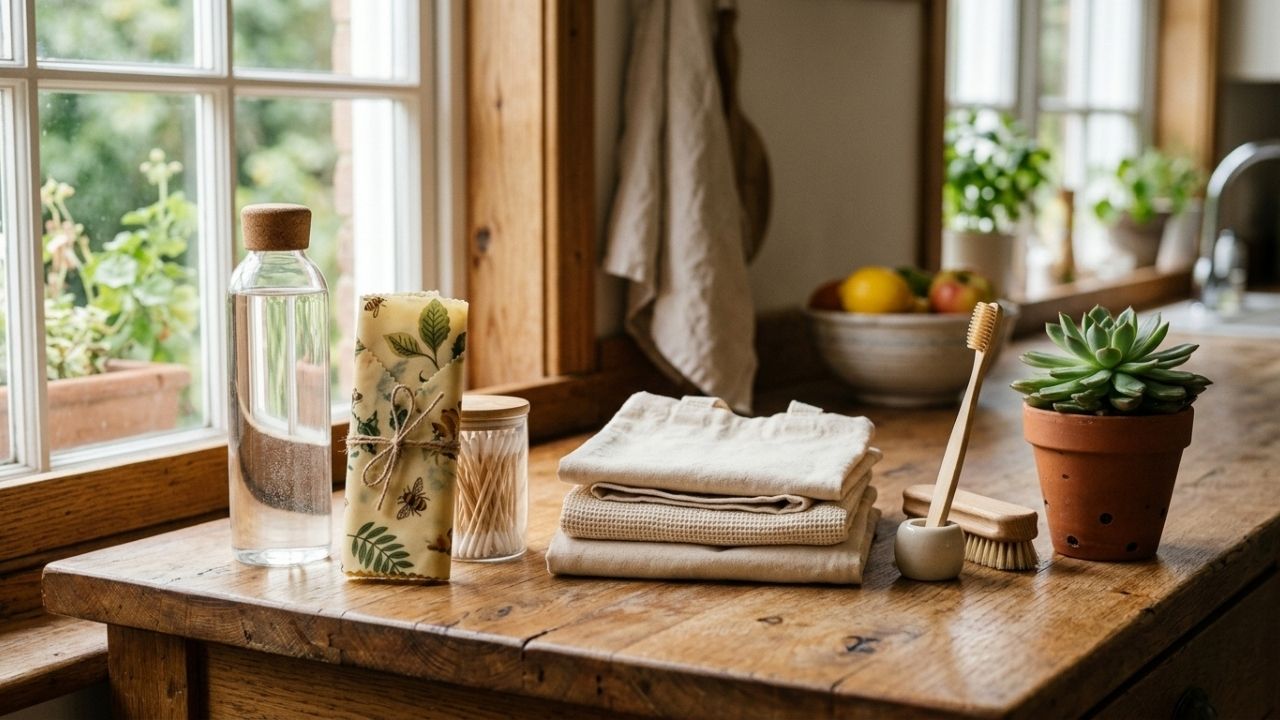
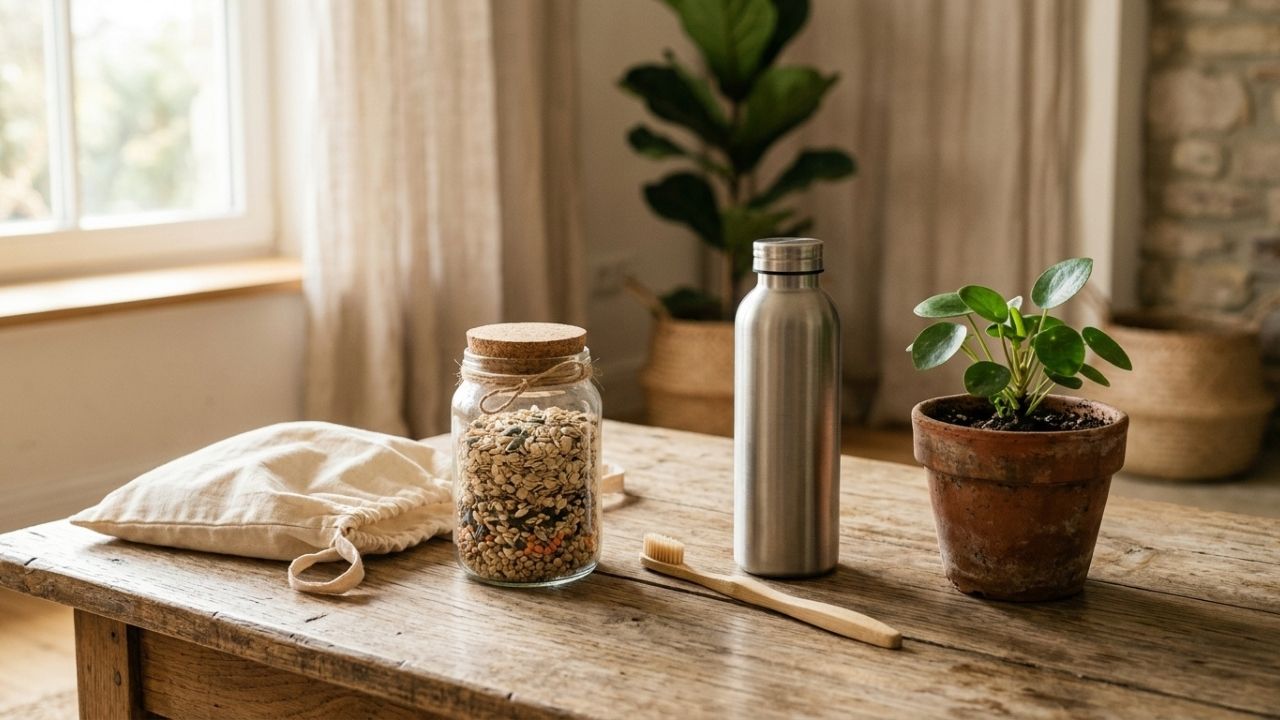
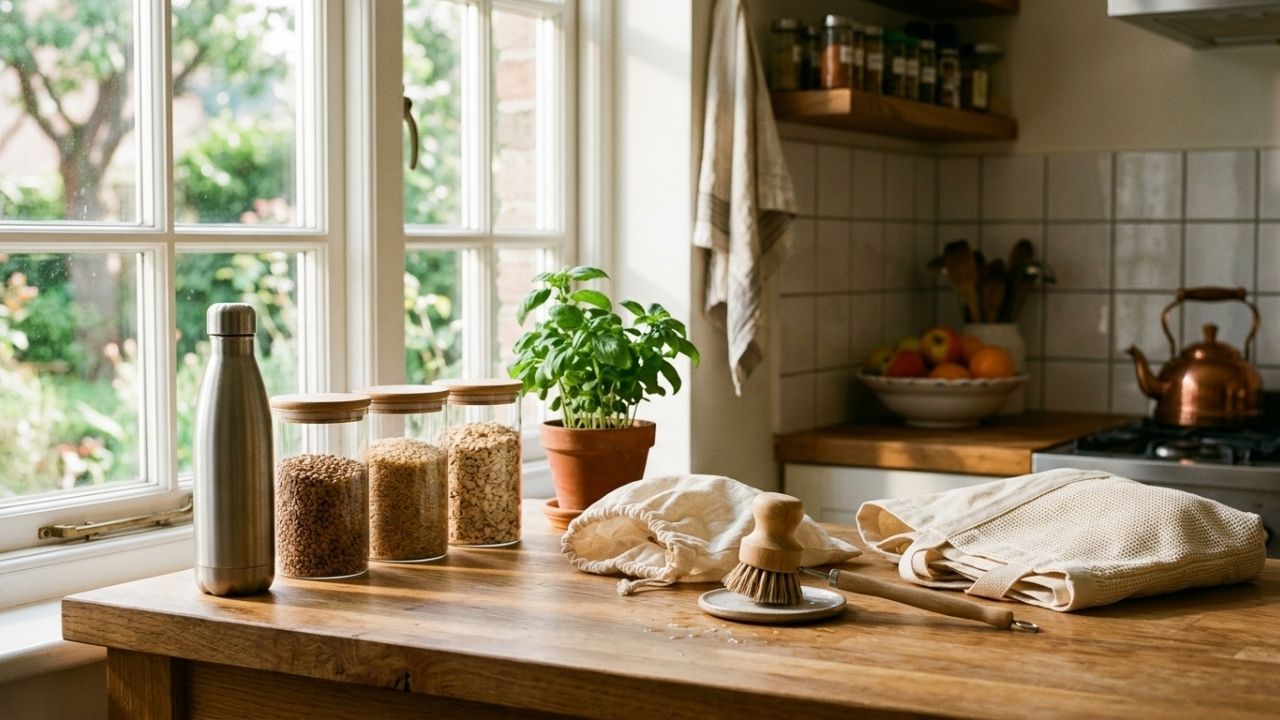
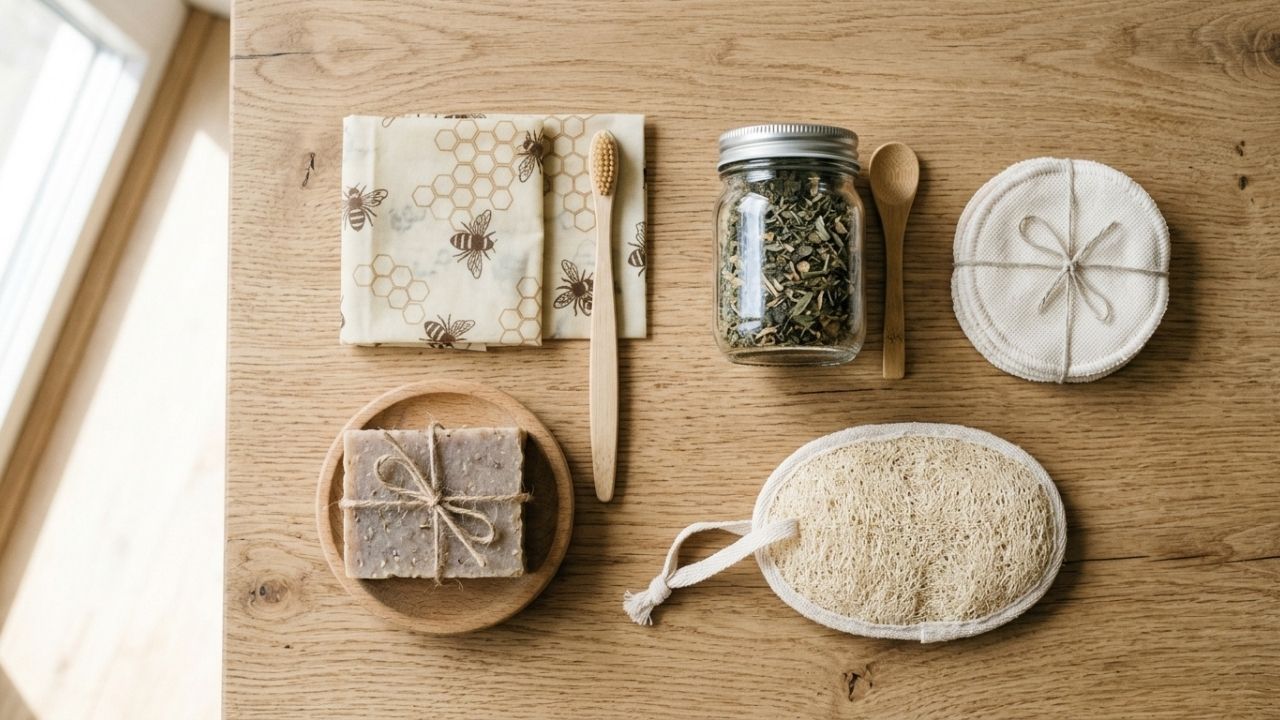
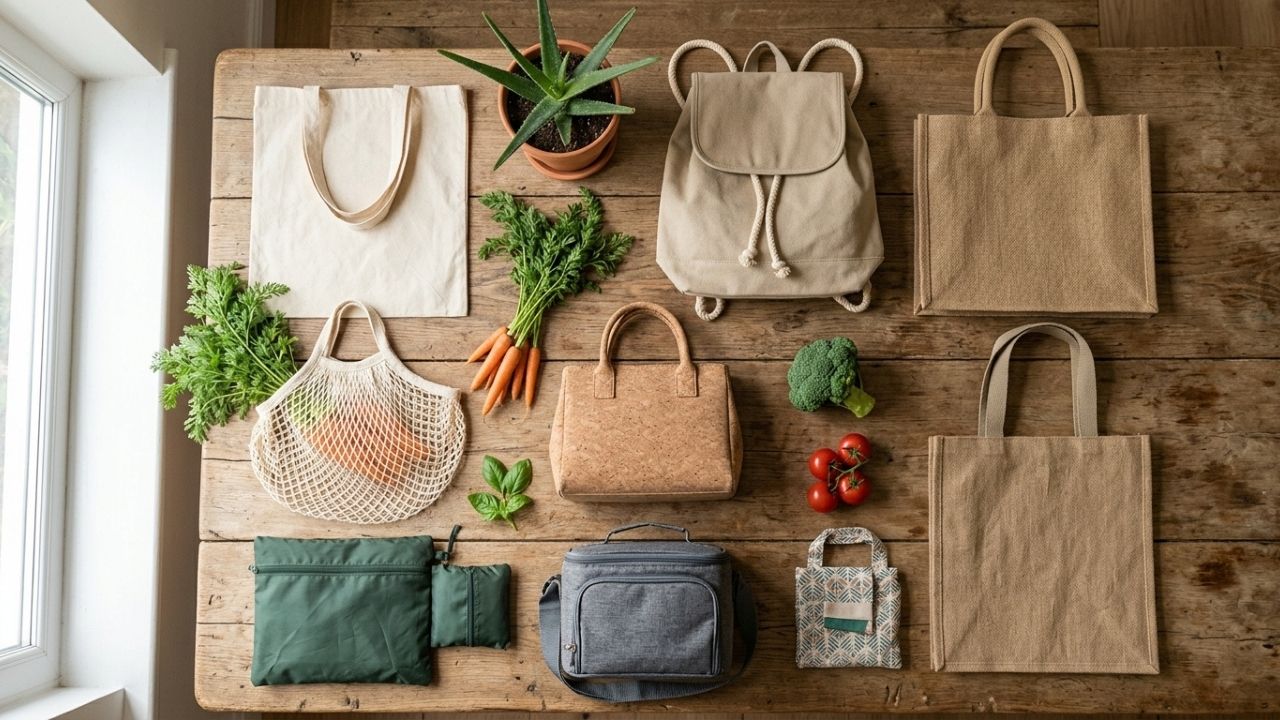
Plastic has become such a normal part of everyday life that most people barely notice how much of it surrounds them. From the moment someone brushes their teeth in the morning to the last snack wrapper they toss before bed, plastic touches nearly every part of a typical day.
For anyone trying to live a more ...
Plastic has quietly worked its way into nearly every corner of modern life. It wraps food, holds cleaning supplies, forms toys, and even hides inside clothing fibers.
For anyone trying to live a more sustainable and eco-friendly lifestyle, cutting back on plastic at home is often one of the first and most ...
Every day, people make small choices that add up to a big impact on the planet. One of the most common choices happens without much thought: grabbing a plastic bag at the store, tossing a paper cup after one coffee, or throwing away a plastic fork after a single meal.
These single-use products feel convenient in ...
Shopping with the planet in mind is no longer a niche habit. More people are asking where their products come from, what they are made of, and what happens to them after they are thrown away.
But with so many labels, claims, and marketing terms floating around, it can be genuinely confusing to know which products ...
Walking down the aisle of any modern supermarket, shoppers are met with a flood of green packaging, leafy logos, and words like "natural," "clean," and "eco." It has become nearly impossible to tell which products genuinely support the planet and which are simply riding the wave of consumer demand for sustainability. ...
Many people want to live in a way that is kinder to the planet, but the idea of "going green" can feel overwhelming at first. The good news is that nobody needs to change everything overnight. Living a more sustainable life is really about making small, consistent choices that add up over time.
Whether someone is ...
The phrase "eco-friendly living" gets thrown around so often that it can start to feel like marketing noise rather than a real, practical way of life. Brands slap the label on everything from cleaning products to clothing lines, and social media is full of people showing off zero-waste kitchens and plastic-free ...
Plastic packaging has quietly taken over daily life. It wraps food, bottles shampoo, seals toothpaste, and lines almost every product on store shelves. For anyone trying to live a little lighter on the planet, cutting back on packaging waste is one of the most practical places to start.
The good news is that ...
Plastic bags have a way of piling up. They collect under kitchen sinks, get stuffed into drawers, and eventually end up in landfills or waterways where they take centuries to break down.
More people are rethinking the bags they carry every day, whether that means grabbing groceries, heading to the office, or ...
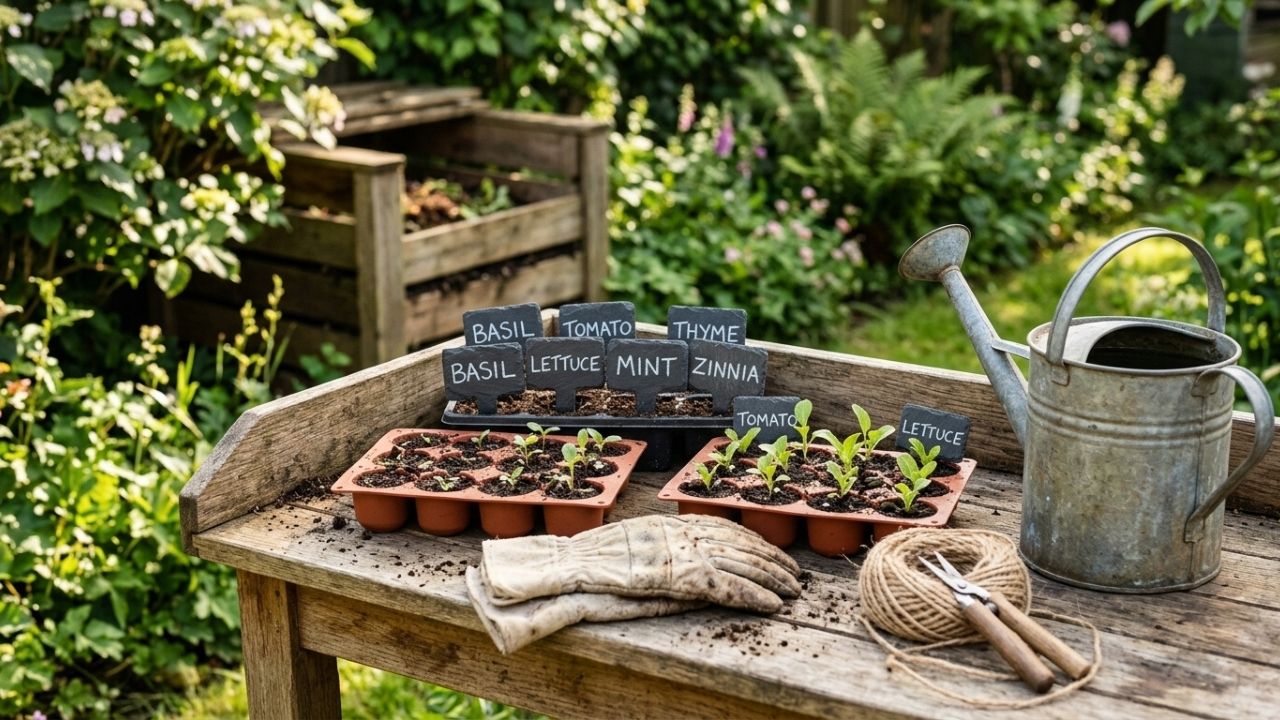
Gardening has always been tied to nature, yet many of the tools and supplies sold for it are anything but eco-friendly. Plastic seed trays crack after one season. Paper plant labels fade and end up in landfills.
Disposable gloves tear within weeks. For anyone trying to live a greener life, it can feel strange ...
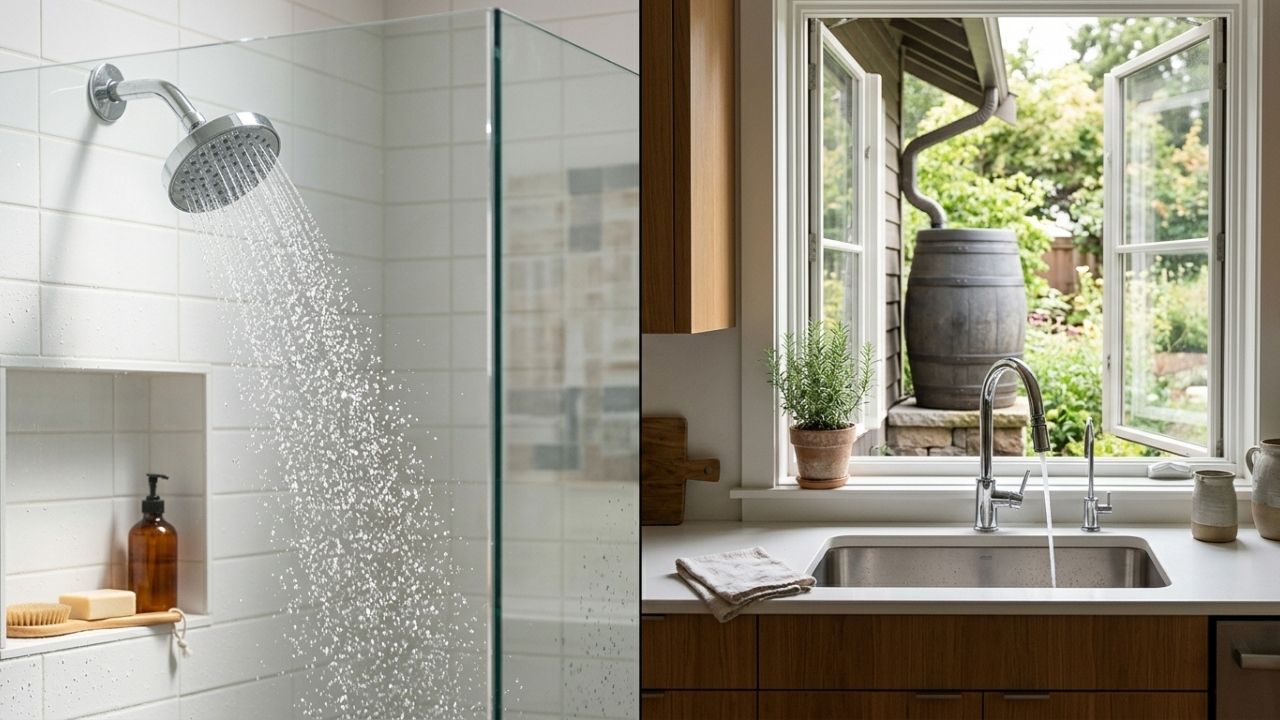
Water is one of those resources people tend to take for granted until it becomes scarce. Every time a tap runs, a shower steams up, or a washing machine spins, gallons of clean water disappear down the drain. For anyone trying to live a more sustainable lifestyle, cutting back on water waste is one of the simplest ...
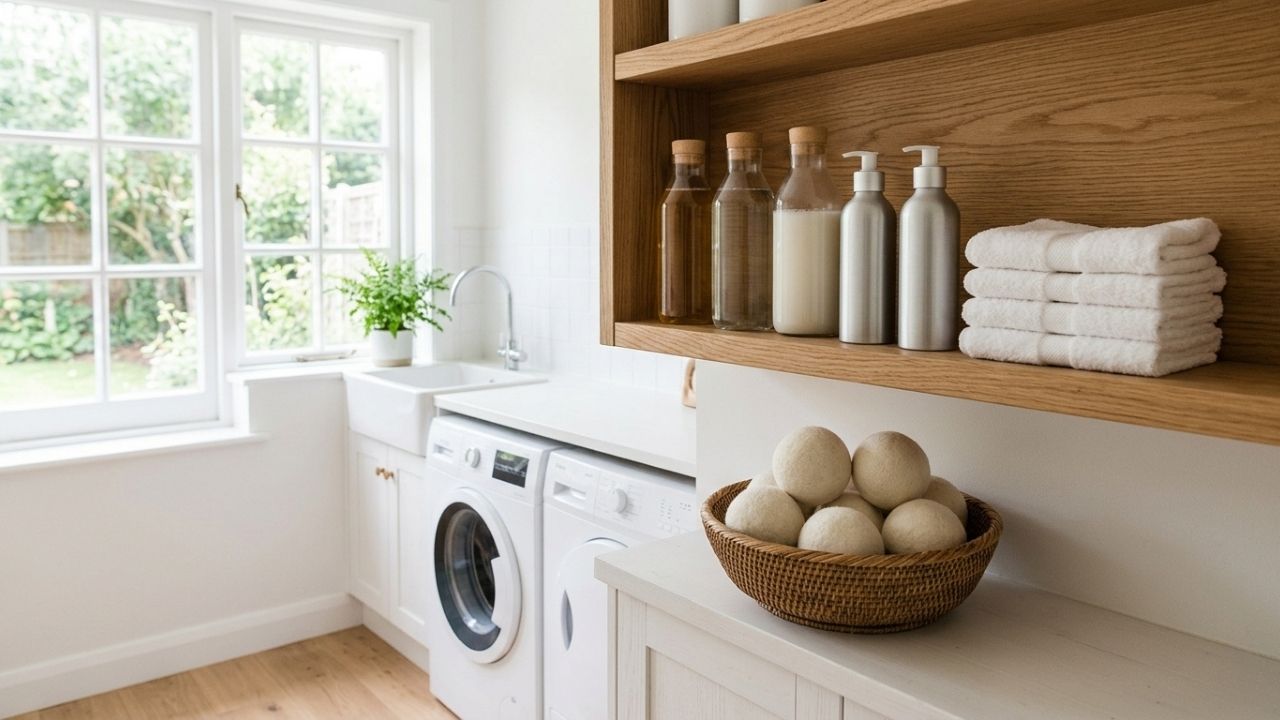
Laundry day happens whether anyone likes it or not, and for most households that means a steady stream of plastic bottles, jugs, and pods heading straight to the trash or, if someone is lucky, the recycling bin.
Anyone trying to live a lower waste life eventually bumps into the laundry aisle problem. Detergent, ...