Introduction
Gardening enthusiasts often face the challenge of managing waste produced during gardening activities. This article explores various gardening products that can be reused instead of discarded, focusing on sustainable practices that promote environmental responsibility. Practical examples and tips will be provided to assist gardeners in reducing waste while enhancing their gardening experience.
Understanding the Importance of Reusing Gardening Products
Reusing gardening products not only helps in minimizing waste but also promotes a sustainable lifestyle that benefits the environment. By incorporating reusable items into gardening practices, one can save money and resources while contributing to a healthier planet.
Common Gardening Products That Can Be Reused
1. Plastic Pots
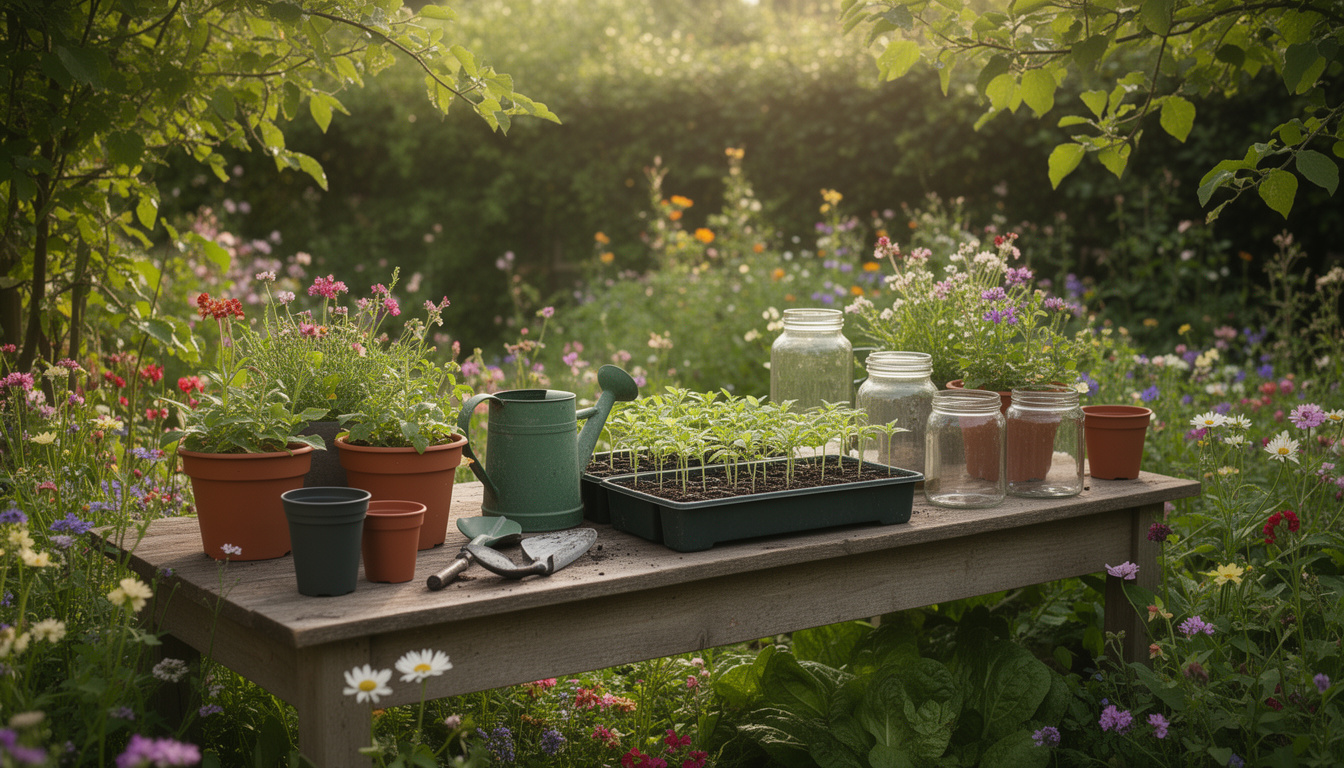
Plastic pots are ubiquitous in gardening, often used for plant propagation and container gardening. Instead of tossing them away after use, consider the following:
- Clean and Store: Rinse out any soil residues and store them for future use.
- Creative Repurposing: Use them for organizing tools, holding seeds, or as a base for DIY projects.
2. Seedling Trays
Seedling trays can be reused multiple times for starting new plants. Gardeners can:
- Replant: After cleaning, these trays can be used for different seedlings in subsequent seasons.
- Donation: Donate any spare trays to community gardens or local gardening clubs.
3. Old Garden Tools
Garden tools that seem to have outlived their usefulness can still be valuable. Some suggestions include:
- Restoration: Restore rusted or damaged tools with care, often allowing them to function like new.
- Adjust and Adapt: Modify certain tools for other purposes, such as using a trowel for landscaping or decorative displays.
4. Kitchen Scraps
Kitchen scraps are a misunderstood asset when it comes to gardening. They can be quite useful:
- Composting: Use vegetable peels, fruit scraps, and coffee grounds to create nutrient-rich compost for plants.
- Propagation: Many kitchen scraps can be used to propagate new plants, such as green onion roots or potato eyes.
5. Cardboard and Paper
Cardboard and paper products can serve multiple purposes in the garden:
- Mulch: Flattened cardboard can be layered in garden beds to suppress weeds and retain moisture.
- Seedling Pots: Egg cartons and toilet paper rolls can be transformed into biodegradable seedling pots.
6. Glass Jars
Glass jars, once emptied, have an array of potential uses in the garden:
- Storage Containers: Use them to store seeds, nuts, or dried herbs.
- Mini Greenhouses: Create mini greenhouses by placing jars over young plants to trap heat and moisture.
Practical Tips for Reusing Gardening Products
1. Organize a Reuse Swap
Host a gathering with local gardeners to exchange items that may no longer serve their original purpose.
2. Get Creative
Encourage creativity in repurposing items. For example, turn old buckets into decorative planters or repurpose wooden pallets for vertical gardens.
3. Maintain an Inventory
Keep a log of all reusable gardening products and their new potential uses to reduce clutter and remind oneself of options before disposal.
4. Educate Others
Spread the word about the benefits of reusing gardening products, encouraging other gardeners to adopt similar sustainable practices.
Frequently Asked Questions
1. Why should gardening products be reused?
Reusing gardening products decreases waste, conserves resources, and promotes sustainability, making gardening more eco-friendly.
2. How can kitchen scraps benefit the garden?
Kitchen scraps can enrich compost, provide valuable nutrients to soil, and even help propagate new plants, enhancing garden productivity.
3. What are some creative ways to use plastic pots?
Plastic pots can be used for DIY projects, organizing tools, or even as decorative items when transformed creatively.
4. Can old garden tools be repaired?
Many old garden tools can be restored or adapted for new uses, providing a second life instead of being thrown away.
5. How do I store reusable gardening products?
Reusable gardening products should be cleaned, dried, and stored in an organized manner to ensure easy access and longevity.
Conclusion
In summary, many gardening products can be effectively reused rather than discarded, contributing to a more sustainable gardening practice. By taking time to explore creative possibilities and practical applications, gardeners not only reduce waste but also enhance the experiences and benefits derived from gardening. Emphasizing the importance of reusing these products can lead to a healthier environment and more thriving gardens.