
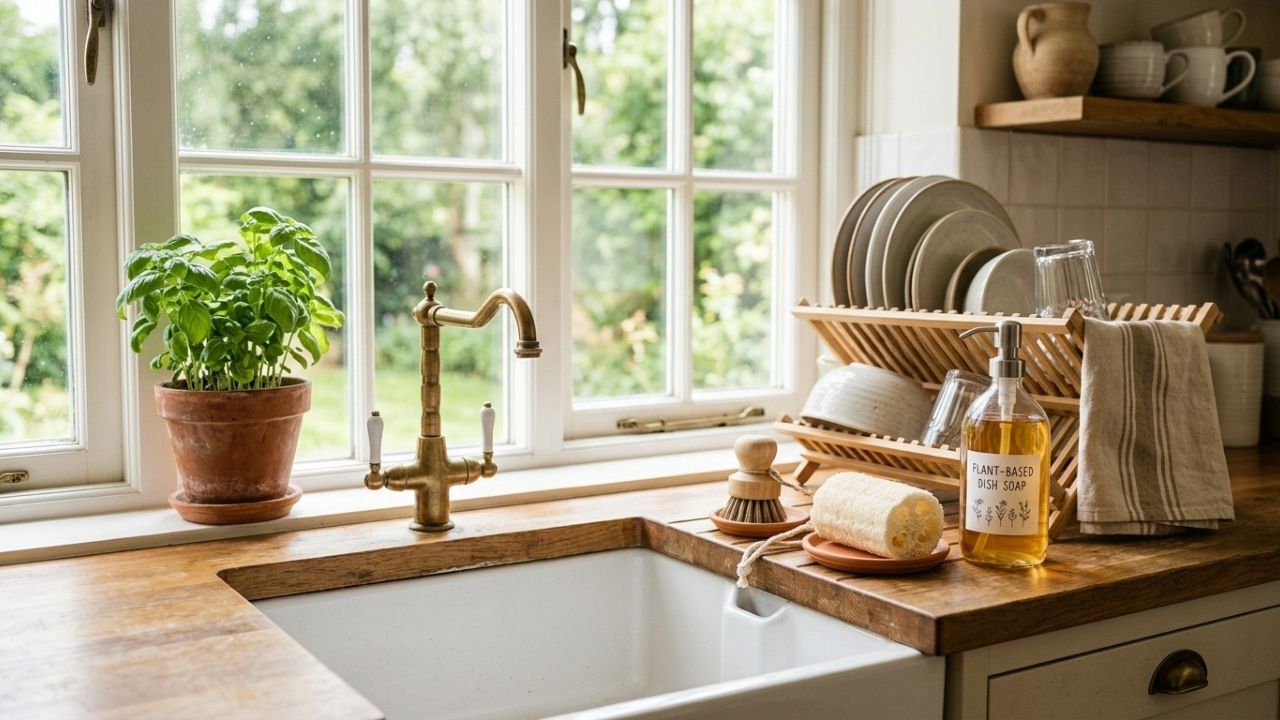
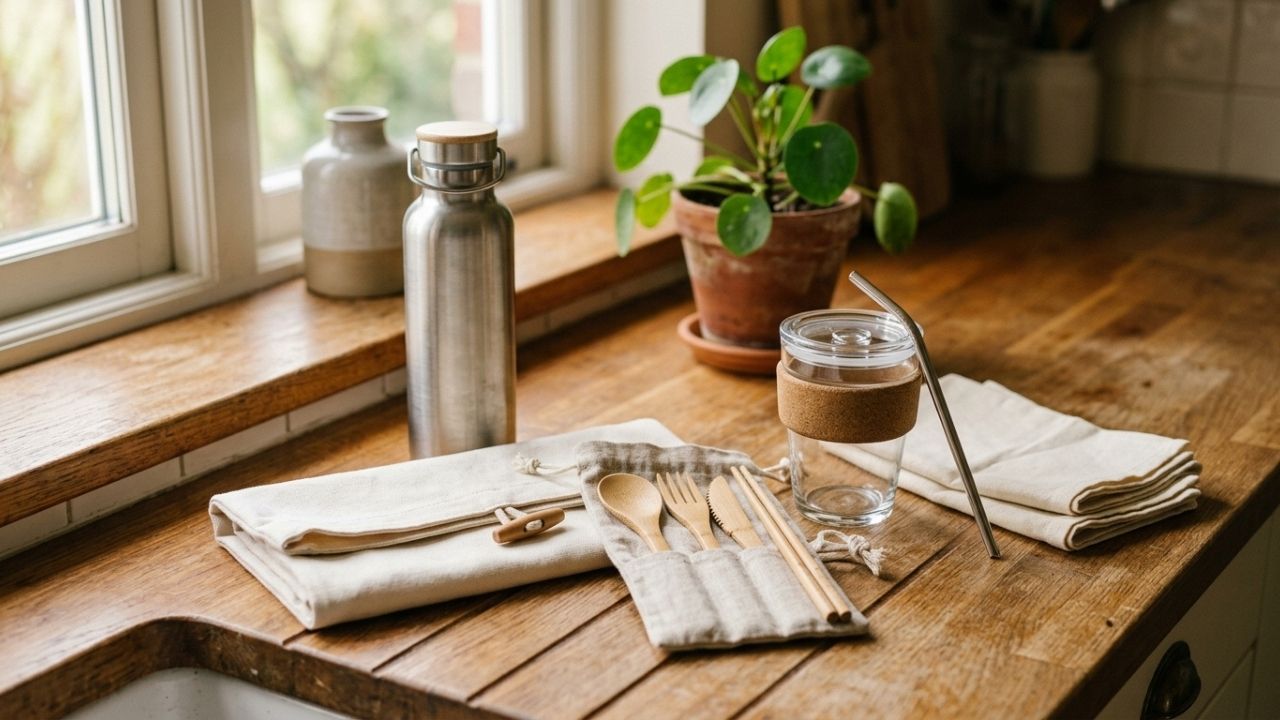
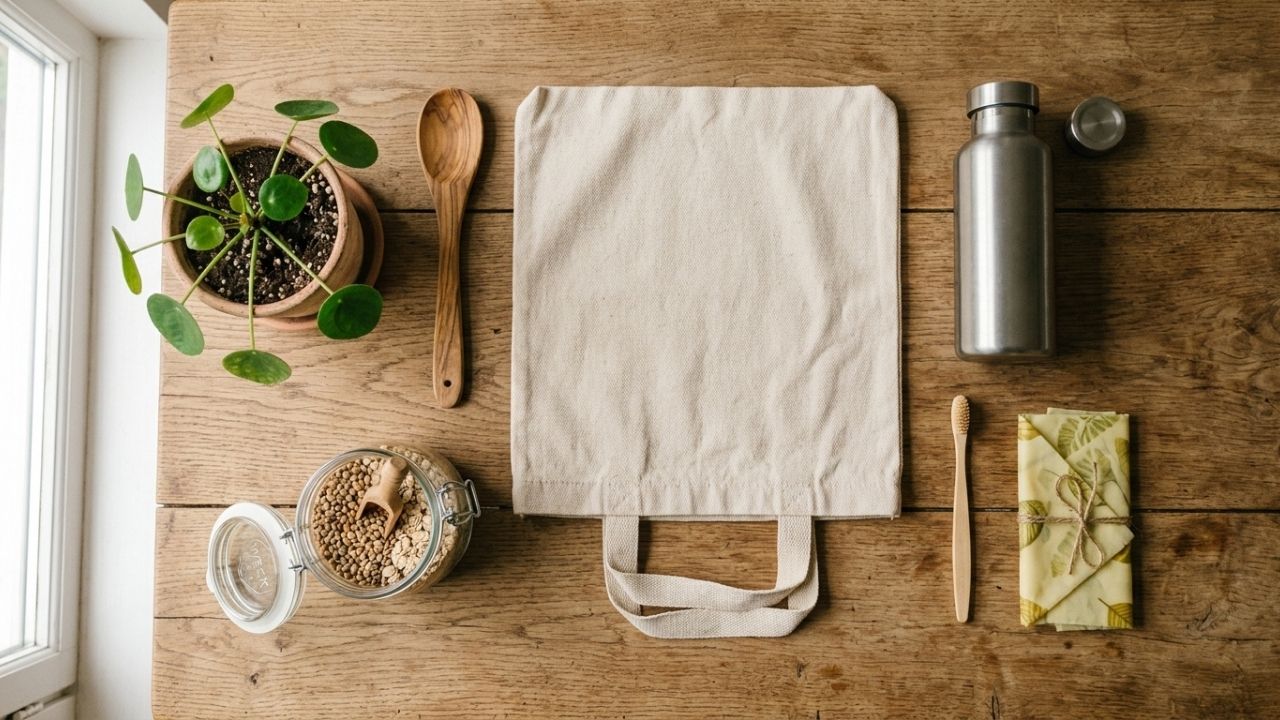
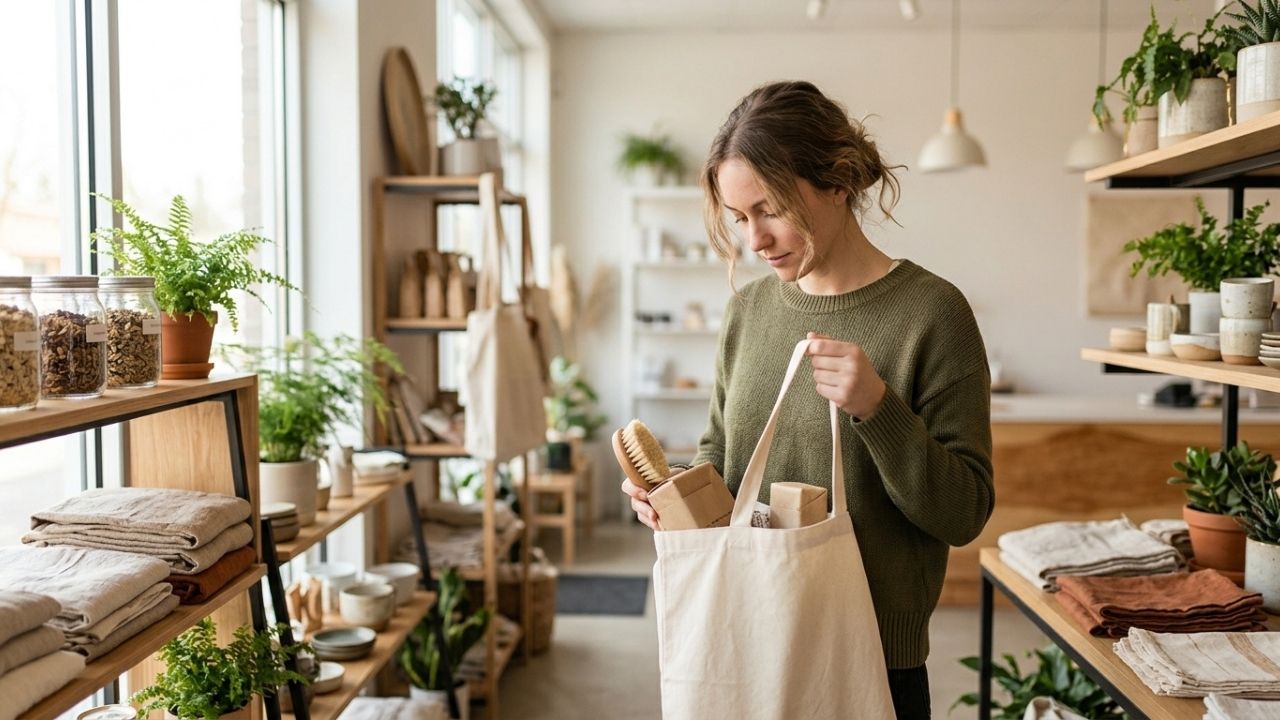
Washing dishes is one of those daily chores that most people do without giving it much thought. Yet this simple habit can quietly use a surprising amount of water, energy, and chemicals over the course of a year. For anyone trying to live a greener lifestyle, the kitchen sink is actually a great place to start making ...
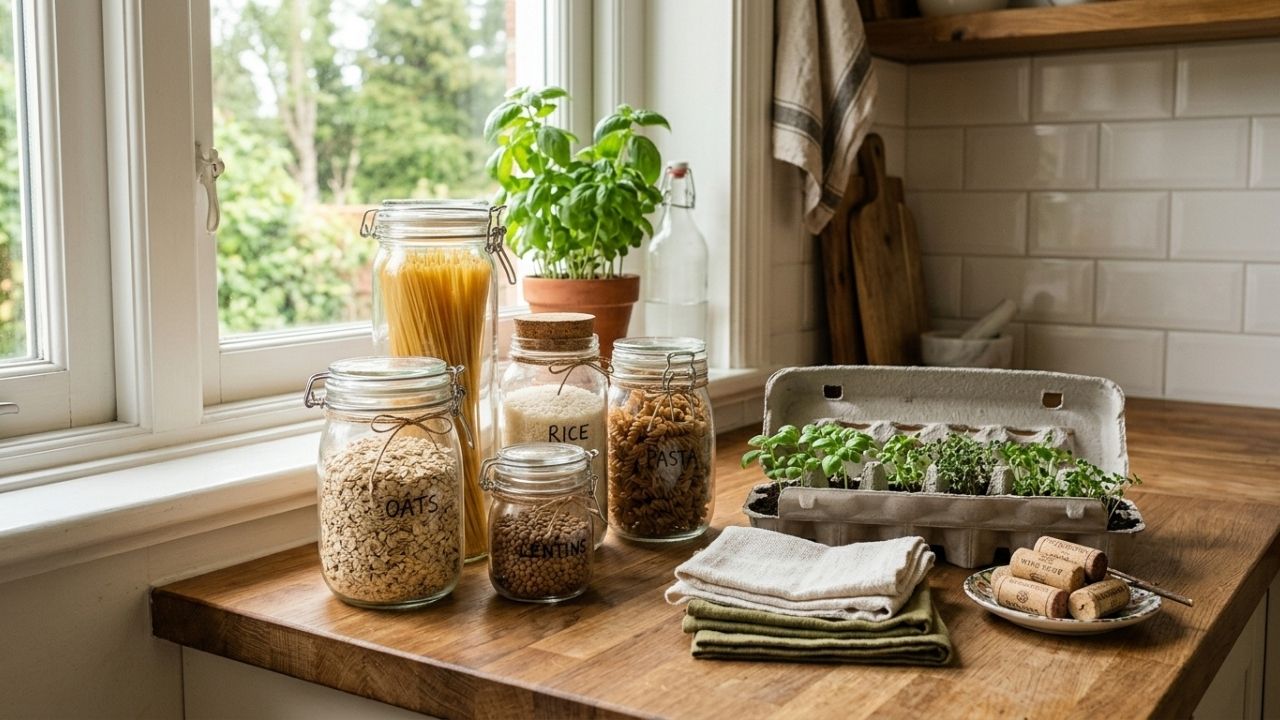
The kitchen is one of the busiest rooms in any home, and it is also one of the biggest sources of household waste. Jars, containers, wrapping, utensils, and even worn out cookware often get tossed the moment they seem past their prime.
For anyone trying to live a more sustainable lifestyle, the kitchen is ...
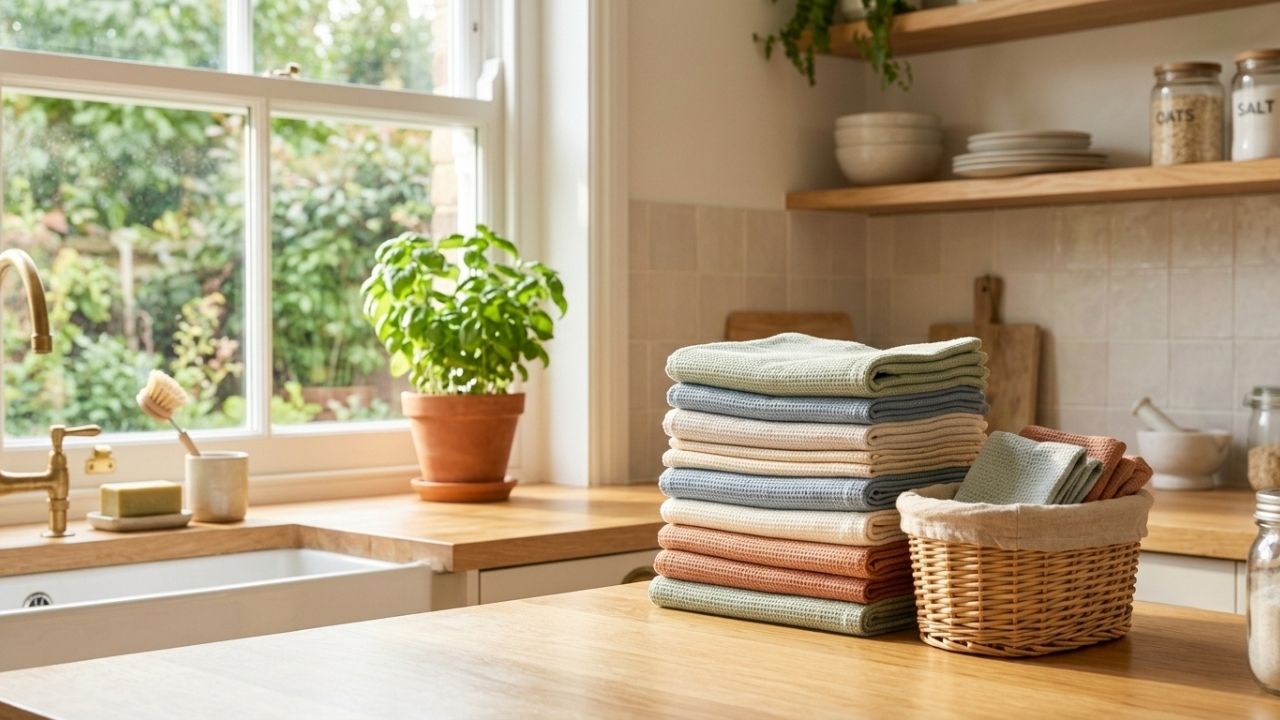
Paper towels feel like a small, harmless part of daily life. A quick wipe of the counter, a spill on the floor, a greasy pan set to dry. Yet those small moments add up fast.
The average household goes through dozens of rolls a year, and each one represents trees cut down, water used in production, and packaging ...
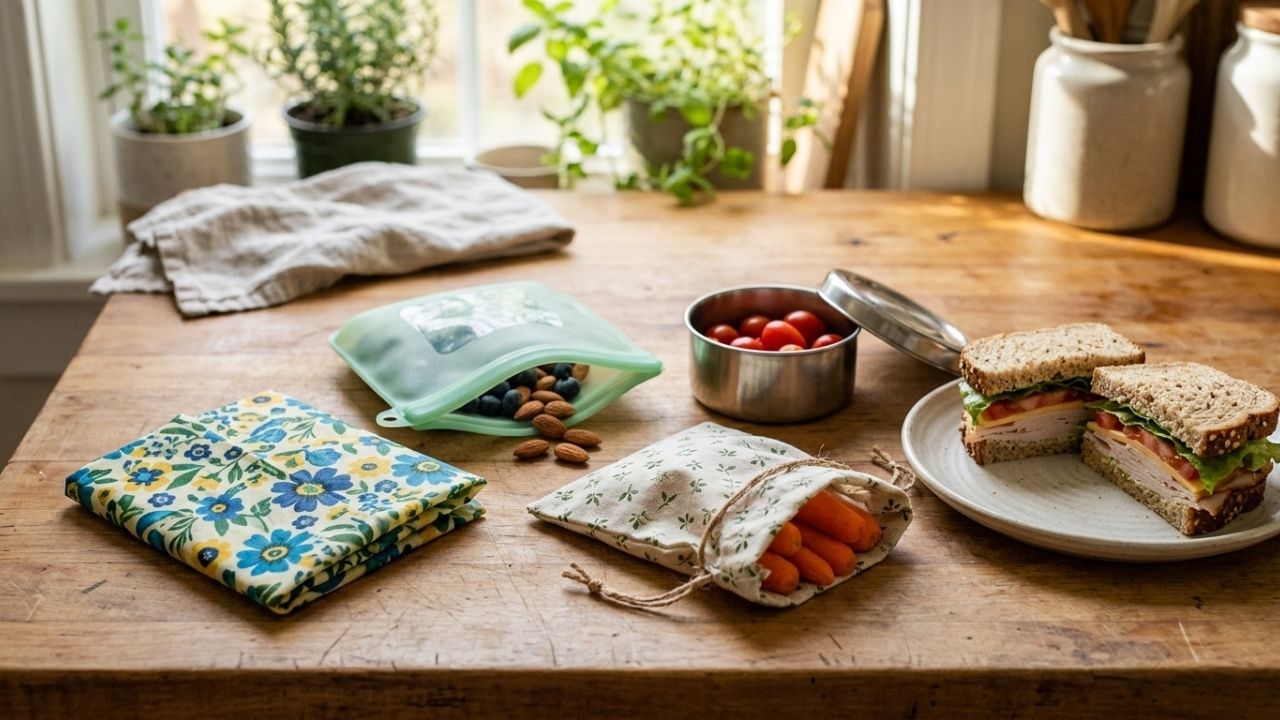
Plastic sandwich bags have been a lunchbox staple for decades. They are cheap, convenient, and easy to grab without much thought. But that convenience comes at a cost.
Most plastic sandwich bags are used once and thrown away, and because they are thin and flimsy, they rarely get recycled even when tossed into a ...
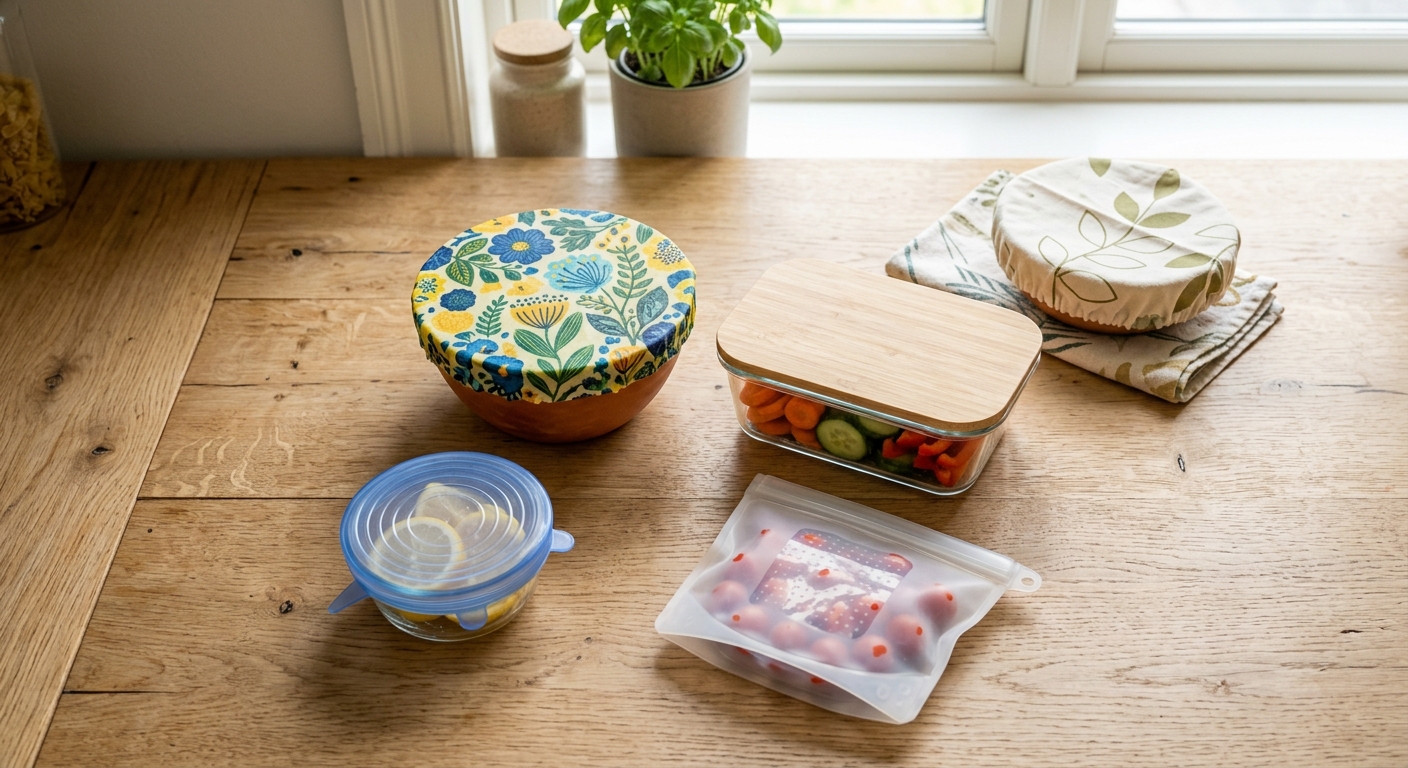
Plastic food wrap has been a kitchen staple for decades. It clings to bowls, seals up leftovers, and keeps sandwiches fresh for lunchboxes. But for anyone trying to live a more sustainable and eco-friendly lifestyle, that thin roll of plastic film raises a bigger question.
It is used once, thrown away, and then ...
Reducing waste does not always mean buying more eco-friendly products. Sometimes the biggest impact comes from simply buying less, or cutting certain items out of a shopping routine altogether.
Many households are filled with products that get used once and thrown away, or items that seem convenient but quietly ...
Zero-waste living has become one of the most talked about ideas in the sustainability world, yet many people still picture it as an extreme lifestyle involving mason jars full of trash and a home with no plastic in sight. The truth is far more approachable.
Zero-waste living is a philosophy and a set of daily ...
Anyone who has stood in the grocery aisle staring at a stack of paper towels or a case of bottled water has probably wondered if there is a better way. Reusable products have become a popular answer to that question, promising less waste and a lighter footprint on the planet.
But there is another question that ...
Cutting down on single-use products can feel like a huge lifestyle overhaul, but the truth is that most people can make a real difference by starting small. Not every disposable item requires the same amount of effort to give up.
Some swaps are so simple that a person barely notices the change, while others take ...
More people are rethinking what they buy and why. Whether it is a reaction to rising landfill waste, concerns about plastic pollution, or simply wanting to feel better about daily choices, the shift toward eco-friendly products has become one of the biggest trends in modern shopping.
For anyone trying to live a ...
Every purchase tells a story. It says something about where a product came from, how it was made, who made it, and what will happen to it once it is no longer needed. For anyone trying to live a more eco-friendly life, shopping can feel like a minefield of confusing labels, conflicting claims, and hidden costs that ...
Living a more environmentally conscious life is one of the most meaningful ways a person can respond to the challenges facing the planet today. From climate change to plastic pollution to dwindling natural resources, the world is sending clear signals that a shift in daily habits is needed.
The good news is that ...