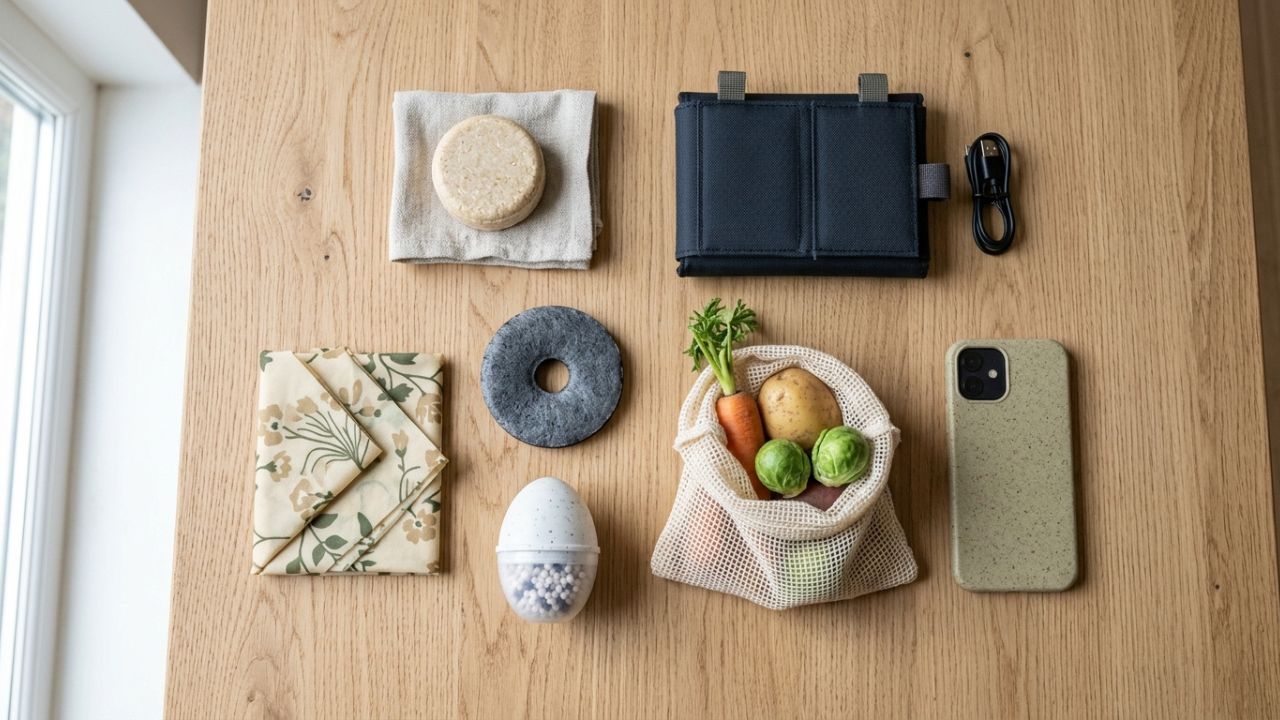
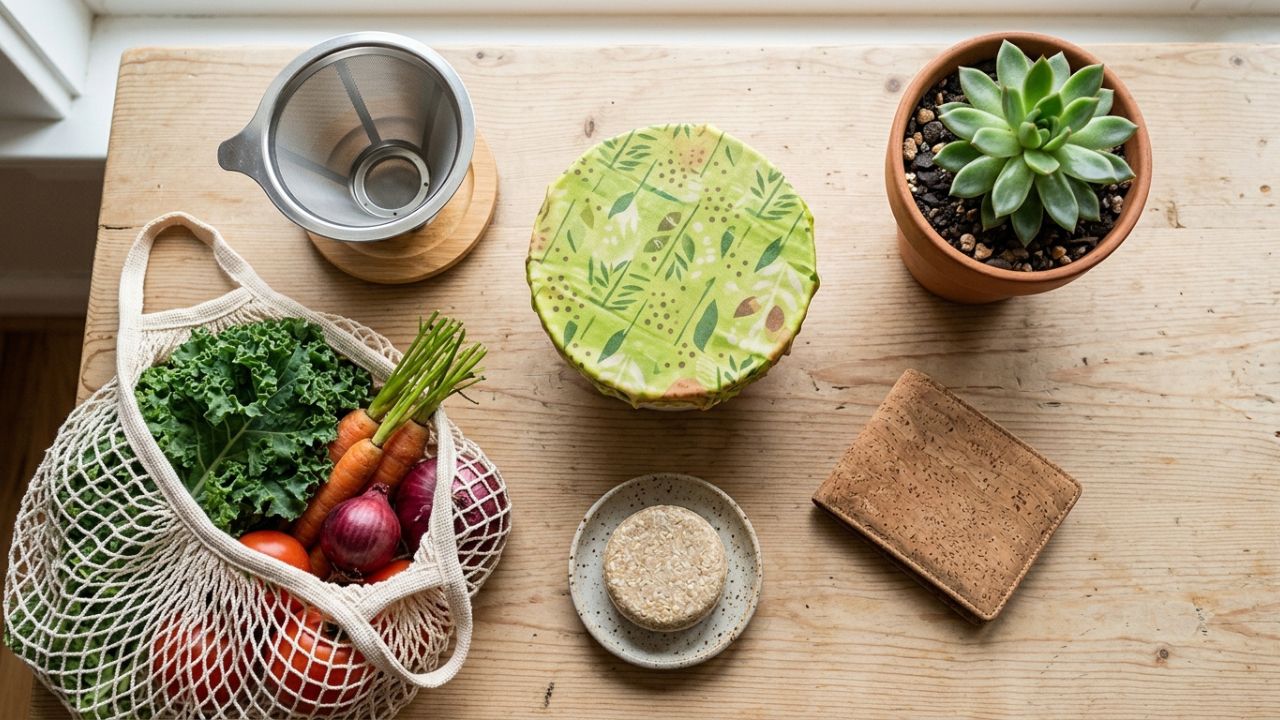
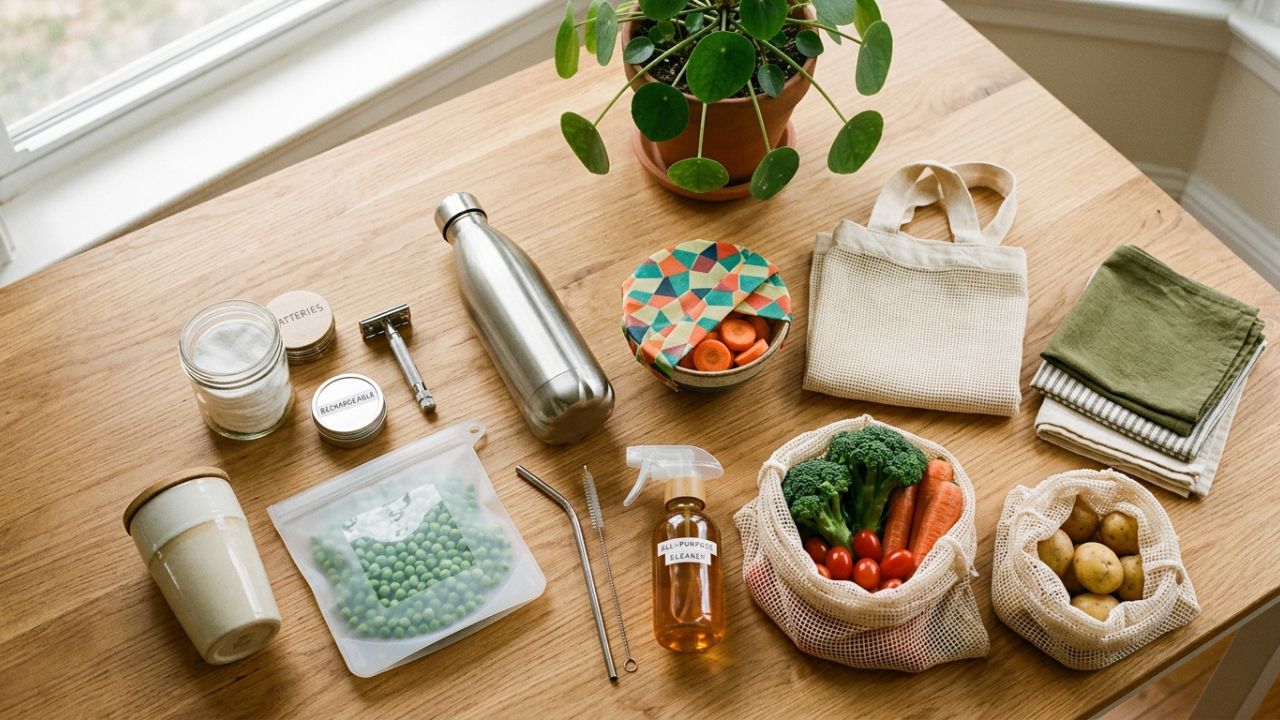
Living a more sustainable life doesn't always mean giving things up. Sometimes it simply means discovering smarter alternatives to everyday items that most people never even knew existed.
While reusable straws and tote bags get most of the attention, there is a whole world of clever, well designed eco-friendly ...
Sustainable living often gets a reputation for being boring, expensive, or complicated. Many people picture bland reusable bags, itchy hemp clothing, or bamboo toothbrushes that feel like a chore rather than a choice. The truth is that eco-friendly living has come a long way.
Today, there are countless products ...
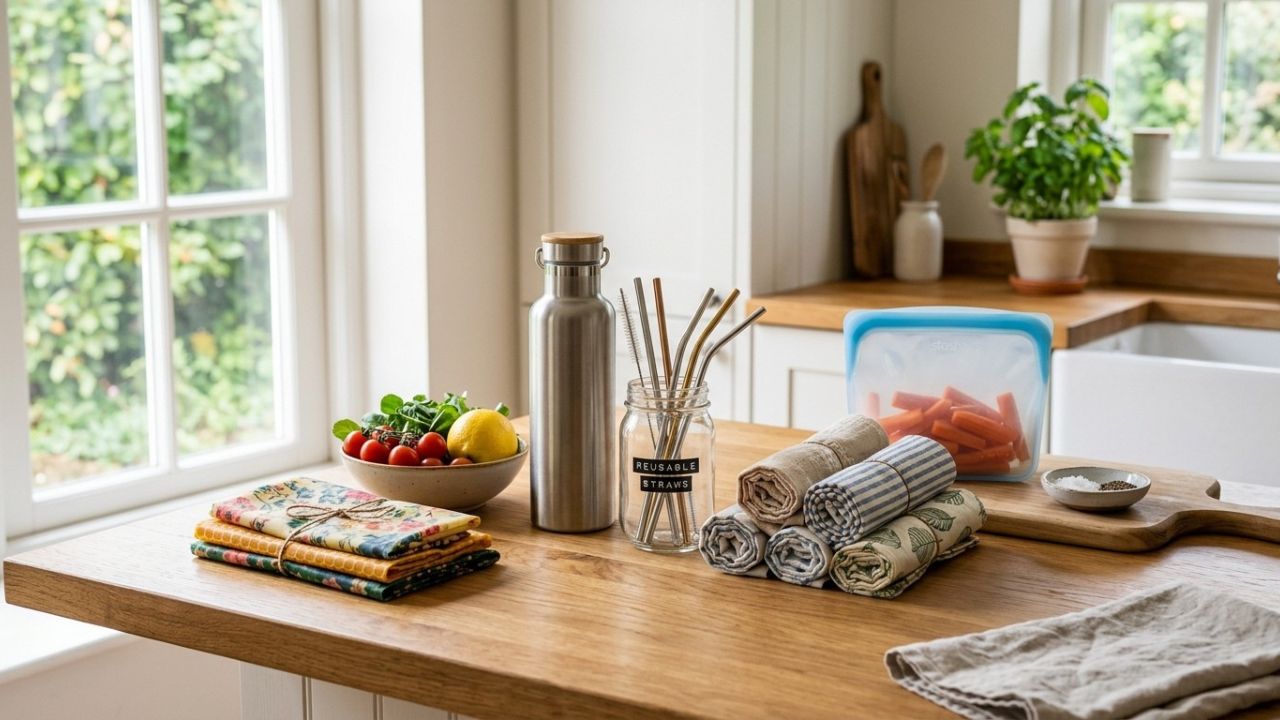
Living a more sustainable life does not have to mean giving up convenience. In fact, one of the easiest ways to reduce household waste is to swap a handful of disposable items for reusable ones. Small changes like these add up quickly, both for the environment and for the wallet.
Once a person starts looking ...
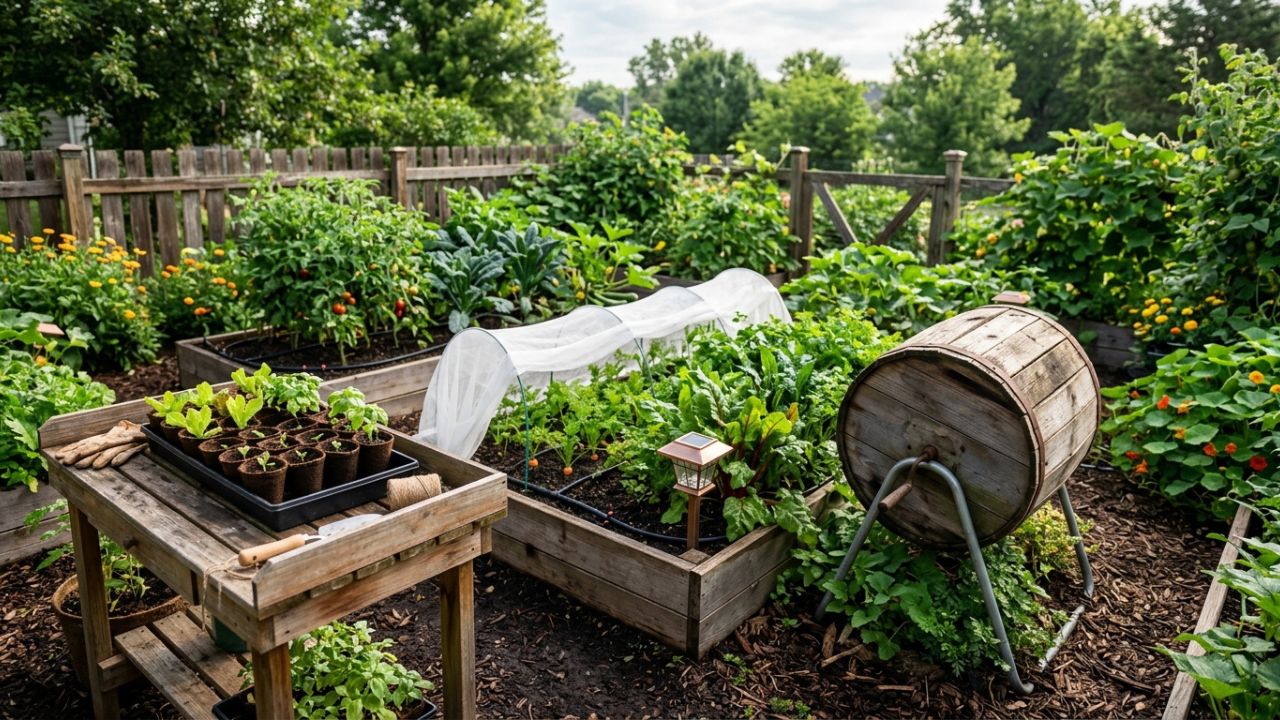
Anyone who loves spending time outdoors knows that a garden can quietly produce a surprising amount of waste. Between plastic plant pots, leftover food scraps, worn out tools, and single use packaging from fertilizers, it is easy for a hobby that feels so connected to nature to leave a heavier footprint than ...
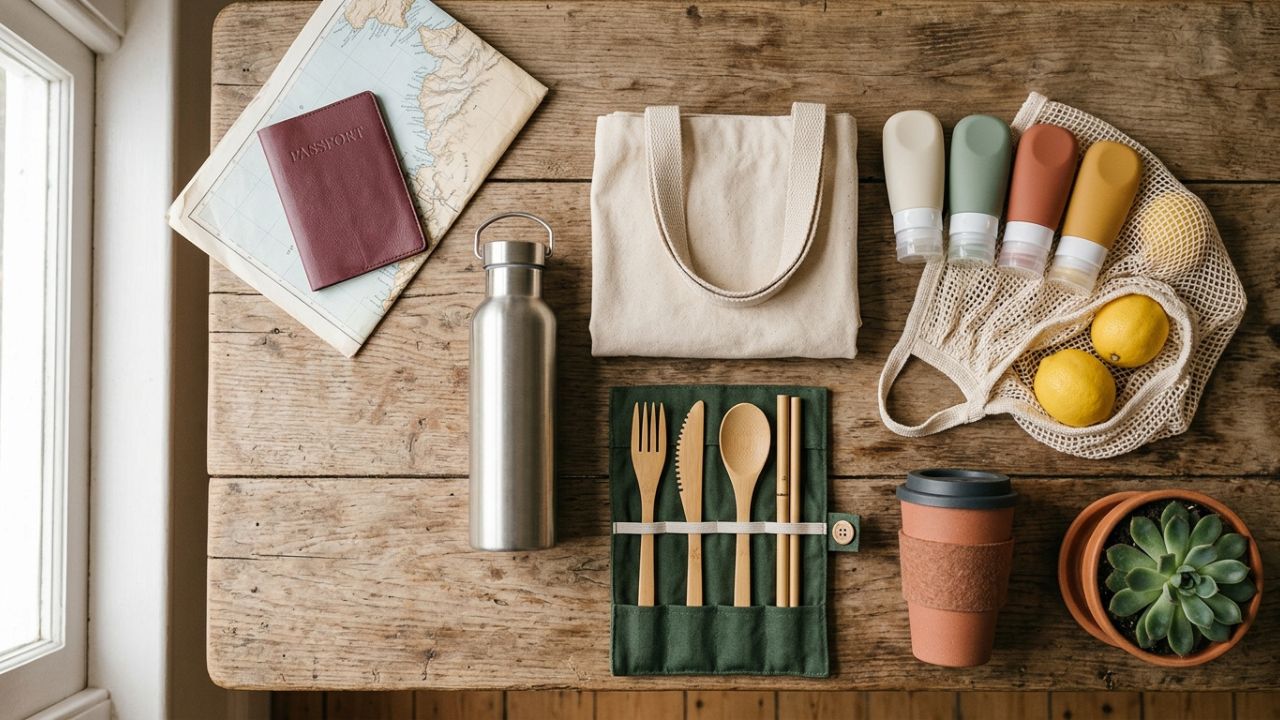
Travel has a way of exposing just how much single use plastic sneaks into everyday life. Plastic water bottles at the airport, disposable cutlery on flights, tiny shampoo bottles in hotel bathrooms, and plastic bags at every turn all add up quickly.
For anyone trying to live a more sustainable and eco-friendly ...
Living a more sustainable lifestyle does not require a complete home overhaul. For many people, the shift toward eco-conscious living starts small.
It might begin with swapping out a plastic water bottle for a reusable one, or replacing a single-use kitchen sponge with something that lasts longer and biodegrades ...
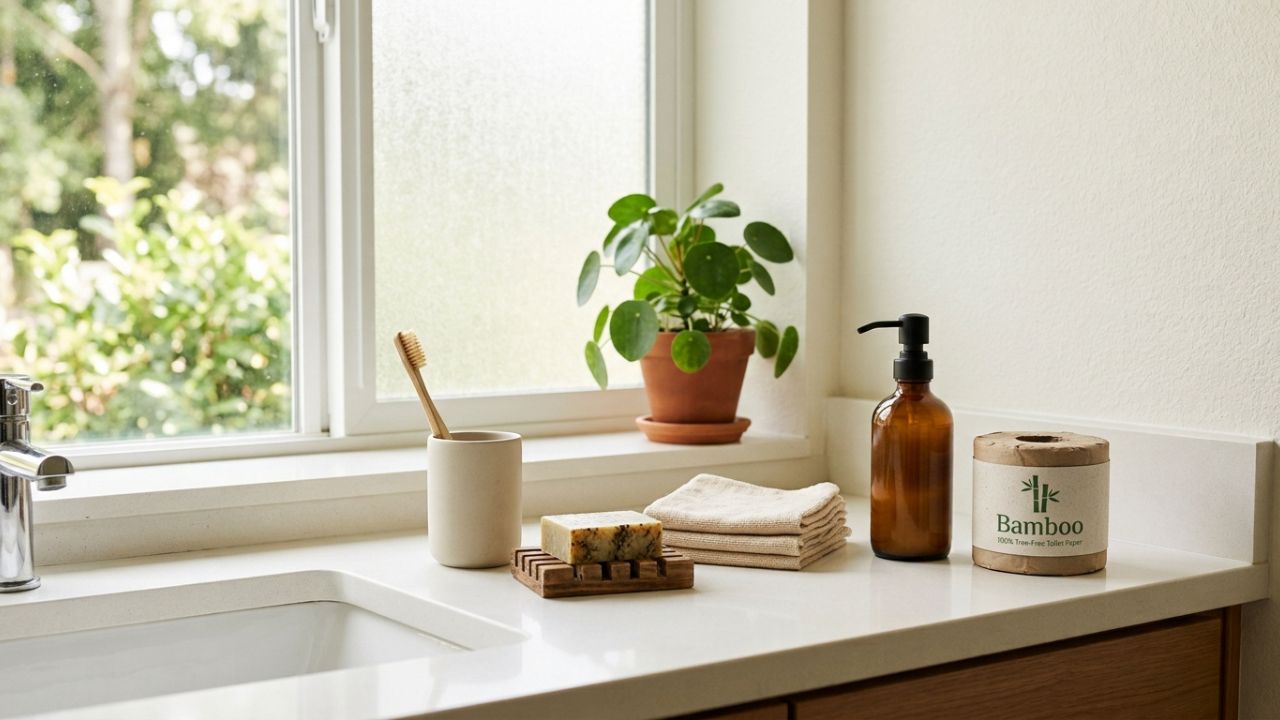
The bathroom is one of the most overlooked rooms when people start their journey toward a greener lifestyle. Most sustainability conversations focus on the kitchen, transportation, or clothing choices, yet the bathroom is where a household uses a surprising amount of water, plastic, and energy every single day.
...
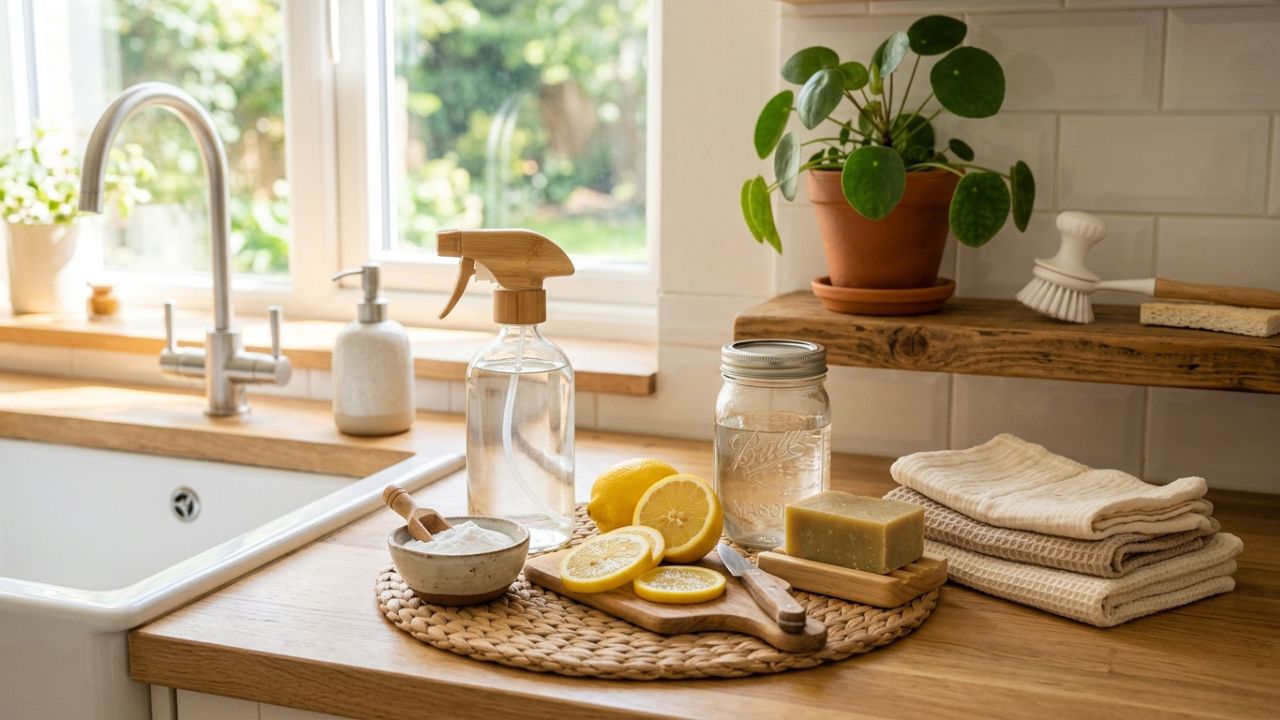
Keeping a home clean shouldn't come at the cost of the planet's health. Many conventional cleaning products contain harsh chemicals that pollute waterways, release volatile organic compounds into the air, and come packaged in plastic that often ends up in landfills.
For anyone trying to live a greener, more ...
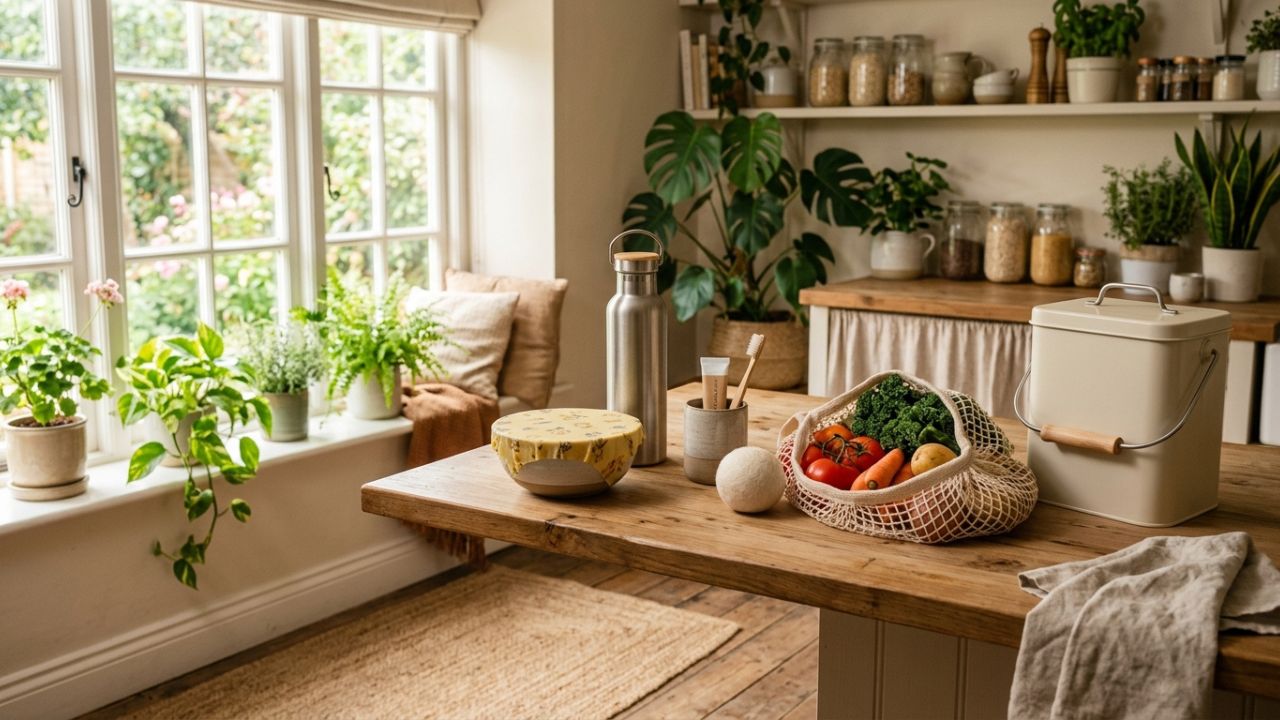
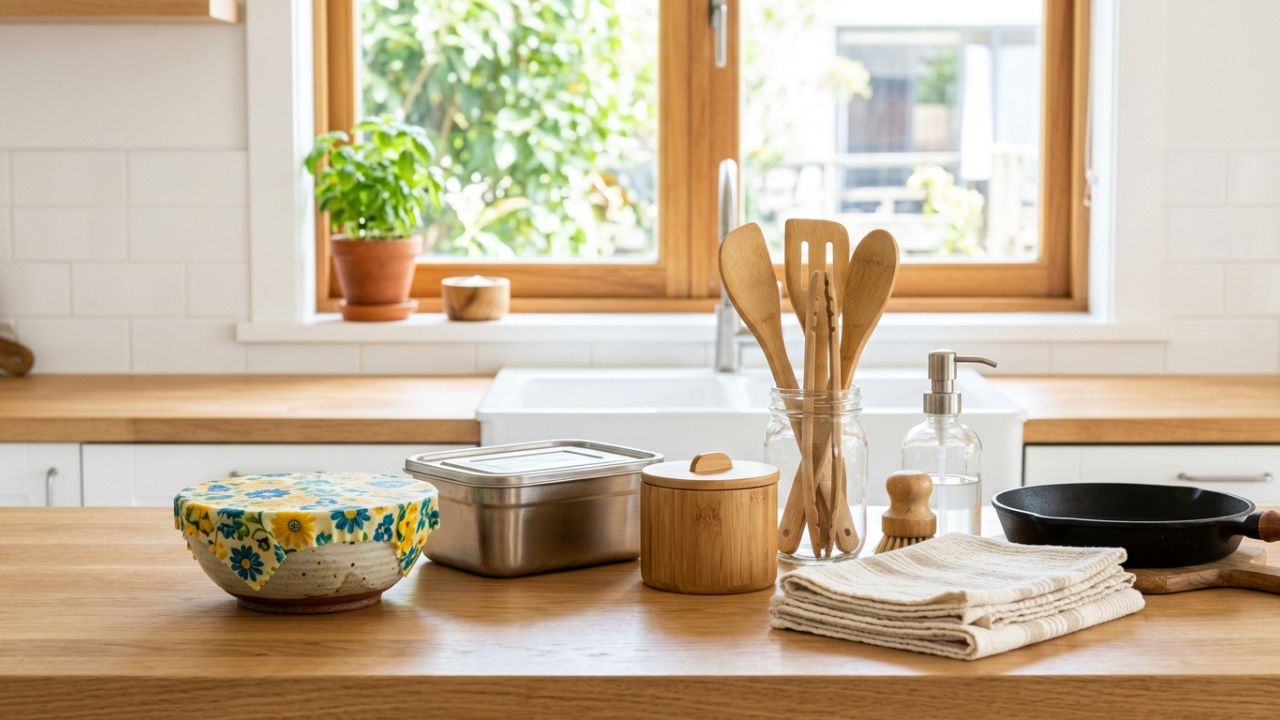
The kitchen is often called the heart of the home, and it is also one of the biggest sources of everyday waste. Plastic wrap, disposable paper towels, single-use bags, and non-stick pans coated in questionable chemicals all pass through this space on a daily basis.
For anyone trying to live a more sustainable ...
More and more people are rethinking the way they live, shop, and set up their homes. There is a growing awareness that small daily choices add up over time, and that a household can shrink its environmental footprint without sacrificing comfort or style. For anyone who wants to live a greener life, the home is one of ...
Cooking at home is one of the most rewarding parts of daily life. It brings families together, sparks creativity, and offers a chance to nourish the body with real food. But behind every meal there is often a hidden cost: waste.
From vegetable peels tossed in the bin to half used bags of herbs forgotten in the ...
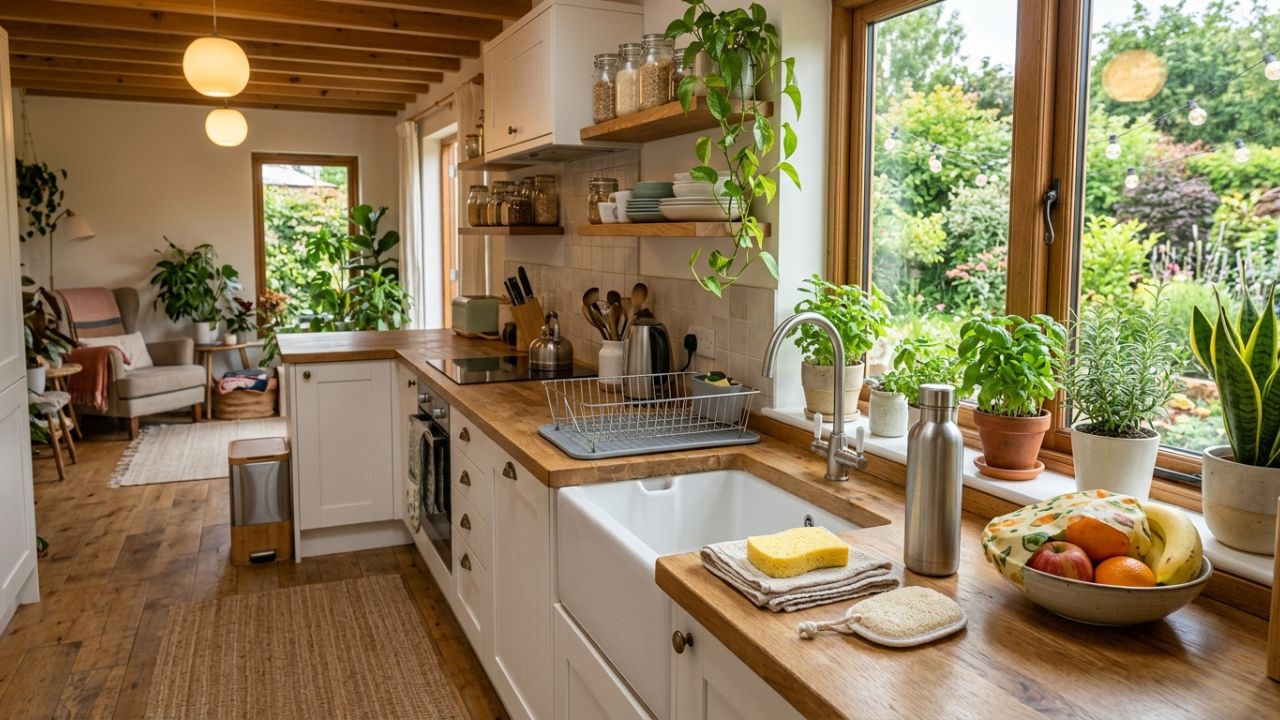
The kitchen is often the busiest room in the house, and it is also where a surprising amount of everyday waste is created. Paper towels, plastic wrap, disposable sponges, and single use bags tend to pile up in the trash week after week without anyone really noticing.
For someone who wants to live a more ...